
Commercial Auto vs. Hired & Non-Owned: Which Is Better for Your Restaurant’s Delivery Service?
Food delivery services represent a fundamental shift in the restaurant industry operational model. As delivery expands from a supplementary service to a primary revenue driver, the complexity of managing associated risks increases. Restaurant owners must distinguish between various forms of vehicle coverage to ensure the business remains protected against third-party liability and property damage.
The two primary vehicles for managing this risk are commercial auto insurance and hired and non-owned auto (HNOA) insurance. Choosing the correct coverage requires a comprehensive understanding of vehicle ownership, driver employment status, and the specific nature of the delivery operations.
Defining Commercial Auto Insurance for Restaurants
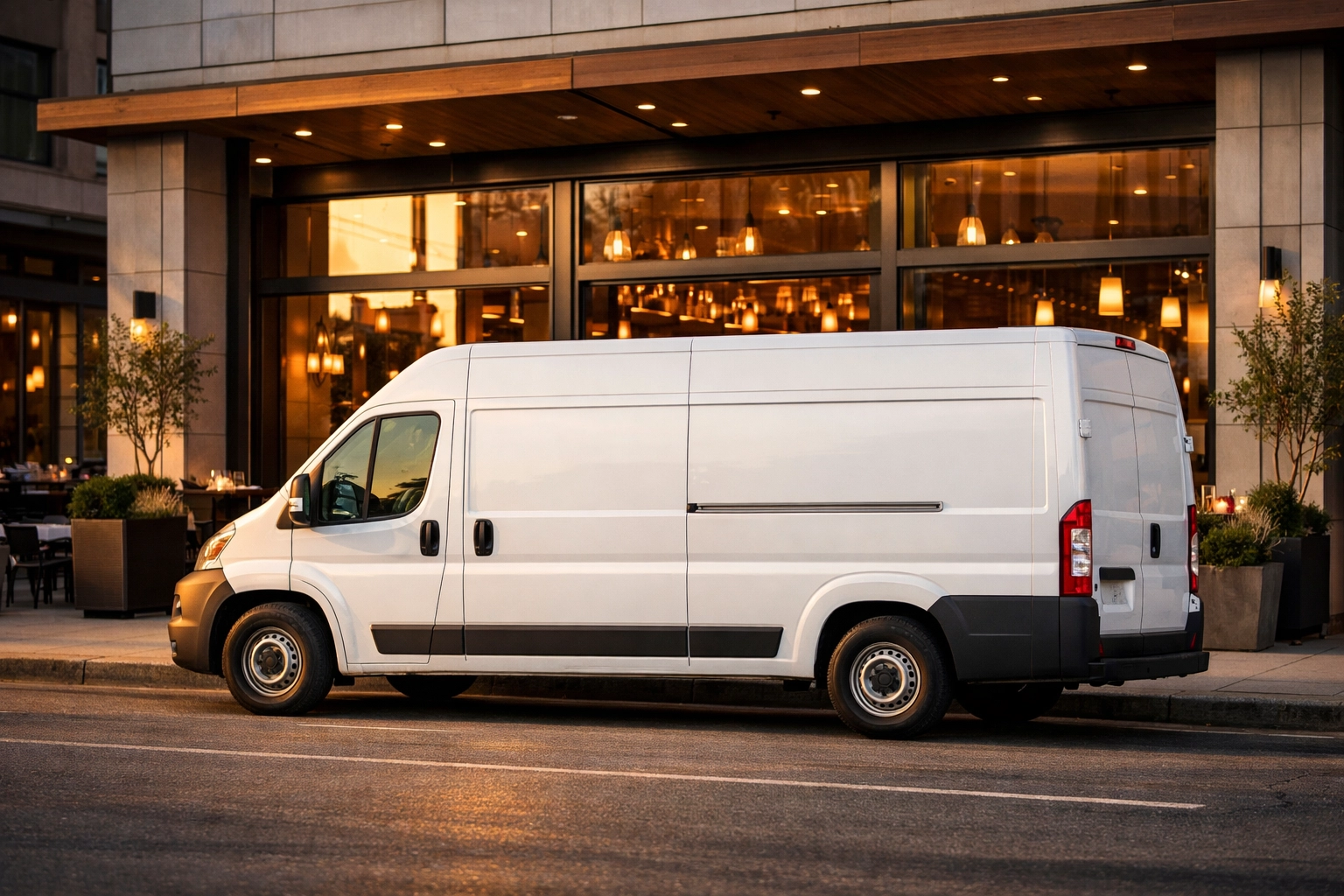
Commercial auto insurance is a standalone policy designed to provide coverage for vehicles that are owned, leased, or titled to the business entity. For a restaurant operating its own fleet of branded delivery vehicles, this is the primary layer of protection.
Scope of Coverage
A standard commercial auto policy typically includes several key components:
Bodily Injury Liability: Provides protection if a company-owned vehicle causes injury or death to a third party.
Property Damage Liability: Covers damage caused by the business vehicle to someone else's property, such as another car, a building, or a fence.
Physical Damage Coverage: Includes collision coverage for accidents and comprehensive coverage for non-collision events like theft, vandalism, or weather-related damage.
Uninsured/Underinsured Motorist Coverage: Protects the business if one of its vehicles is hit by a driver who lacks sufficient insurance.
When Commercial Auto is Necessary
If your restaurant name or LLC appears on the vehicle registration, a personal auto policy will not suffice. Most personal insurance policies explicitly exclude "delivery for a fee." If an accident occurs while a vehicle is being used for commercial delivery without a dedicated commercial policy, the carrier may deny the claim entirely, leaving the business owner personally liable for all damages.
Understanding Hired and Non-Owned Auto (HNOA) Insurance
Hired and Non-Owned Auto insurance is a specialized form of liability coverage. It is often added as an endorsement to a business owners policy (BOP) or a general liability insurance policy.
Non-Owned Vehicles
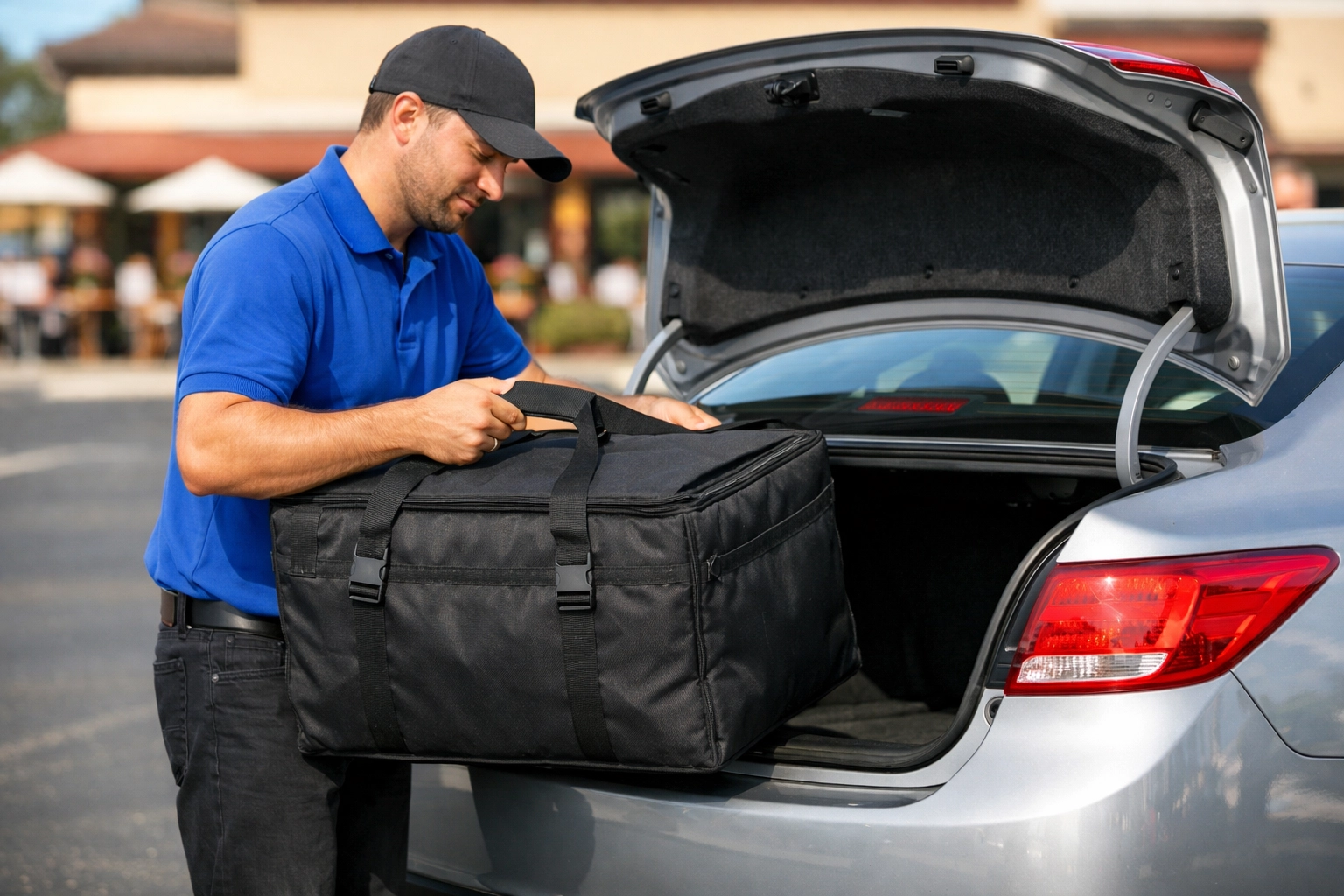
In the context of a restaurant, "non-owned" typically refers to vehicles owned by employees. When a staff member uses their personal car to deliver an order, that vehicle is considered "non-owned" by the business.
Hired Vehicles
"Hired" vehicles are those that the business rents, leases, or borrows, but does not own outright. This could include a temporary rental used while a primary delivery vehicle is undergoing repairs.
The Role of HNOA as Excess Coverage
It is critical to understand that HNOA is a liability-only coverage. It does not provide physical damage coverage for the employee's vehicle. If an employee is involved in an accident while delivering food, their personal auto insurance is generally considered the primary coverage. However, because most personal policies exclude delivery, the employee's carrier may refuse to pay. In this scenario, the HNOA policy steps in to protect the restaurant entity from being sued by the other party involved in the accident.
Learn more about this specific protection in our guide to hired and non-owned auto insurance as a critical BOP endorsement.
The Gap: Why Your Restaurant is at Risk
Many restaurant owners operate under the assumption that their general liability insurance covers all business-related accidents. However, the standard general liability policy contains a specific "auto exclusion." This means that any incident involving a motor vehicle: whether owned by the business or not: is excluded from coverage under the standard GL policy.
Without a commercial auto policy or an HNOA endorsement, a restaurant has a significant gap in its risk management strategy. This gap exposes the business to:
Legal defense costs for lawsuits stemming from auto accidents.
Medical expenses for injured third parties.
Repair costs for third-party property damage.
For a deeper look into these specific risks, review the hidden risks of third-party delivery.
Comparing Coverage: Which is Better?
The question of which is "better" is dependent on your specific delivery model.
Case 1: The Owned Fleet
If the restaurant owns a fleet of vehicles, commercial auto insurance is the only viable option. It provides the broadest range of protection, including physical damage for the vehicles themselves. It ensures that the business assets are protected regardless of who is driving, provided they are authorized drivers on the policy.
Case 2: The Employee-Driver Model
If the restaurant relies on employees to use their own cars, HNOA is essential. While it does not protect the employee's car, it shields the business from the catastrophic financial impact of a multi-vehicle accident or a pedestrian injury claim.
Case 3: The Hybrid Model
Most modern restaurants utilize a hybrid approach. They may have one branded van for large catering orders and several employees using personal cars for standard nightly deliveries. In this case, the restaurant needs both a commercial auto policy for the owned van and an HNOA endorsement for the employee drivers.
Risk Management and Compliance for Delivery Services
Securing the right insurance policy is only the first step in a robust risk management strategy. Compliance with safety standards and rigorous documentation are necessary to maintain coverage eligibility and reduce the likelihood of accidents.
Driver Vetting and Selection
Insurance carriers often require a list of all drivers authorized to perform deliveries. To manage risk effectively, restaurants should:
Review Motor Vehicle Records (MVRs): Obtain and review the driving history of every employee involved in delivery.
Establish Clear Criteria: Define what constitutes an acceptable driving record (e.g., no more than two minor violations in three years, no major violations like DUIs).
Verify Personal Insurance: For employees using their own vehicles, require proof of personal auto insurance and ensure they have informed their carrier about their delivery work.
Vehicle Maintenance and Safety
If the restaurant owns vehicles, maintaining a strict maintenance schedule is a requirement for safety and compliance.
Daily Pre-Shift Inspections: Drivers should check tire pressure, fluid levels, and light functionality before starting deliveries.
Documented Maintenance Logs: Keep detailed records of oil changes, brake inspections, and tire rotations. Proper documentation is vital for demonstrating due diligence.
Learn more about the importance of safety protocols in our ultimate restaurant insurance checklist.
The Importance of the Business Owners Policy (BOP)
For many small to mid-sized restaurants, the most efficient way to manage these risks is through a Business Owners Policy (BOP). A BOP bundles essential coverages like property insurance and general liability insurance into one package.
Crucially, an HNOA endorsement can typically be added to a BOP for a streamlined approach to liability management. This ensures that the foundational risks of the business: fire, theft, and slip-and-fall accidents: are addressed alongside the specialized risks of delivery.
For businesses just starting out, a BOP is often the best first step toward comprehensive security.
Liability Beyond the Road: Alcohol Delivery
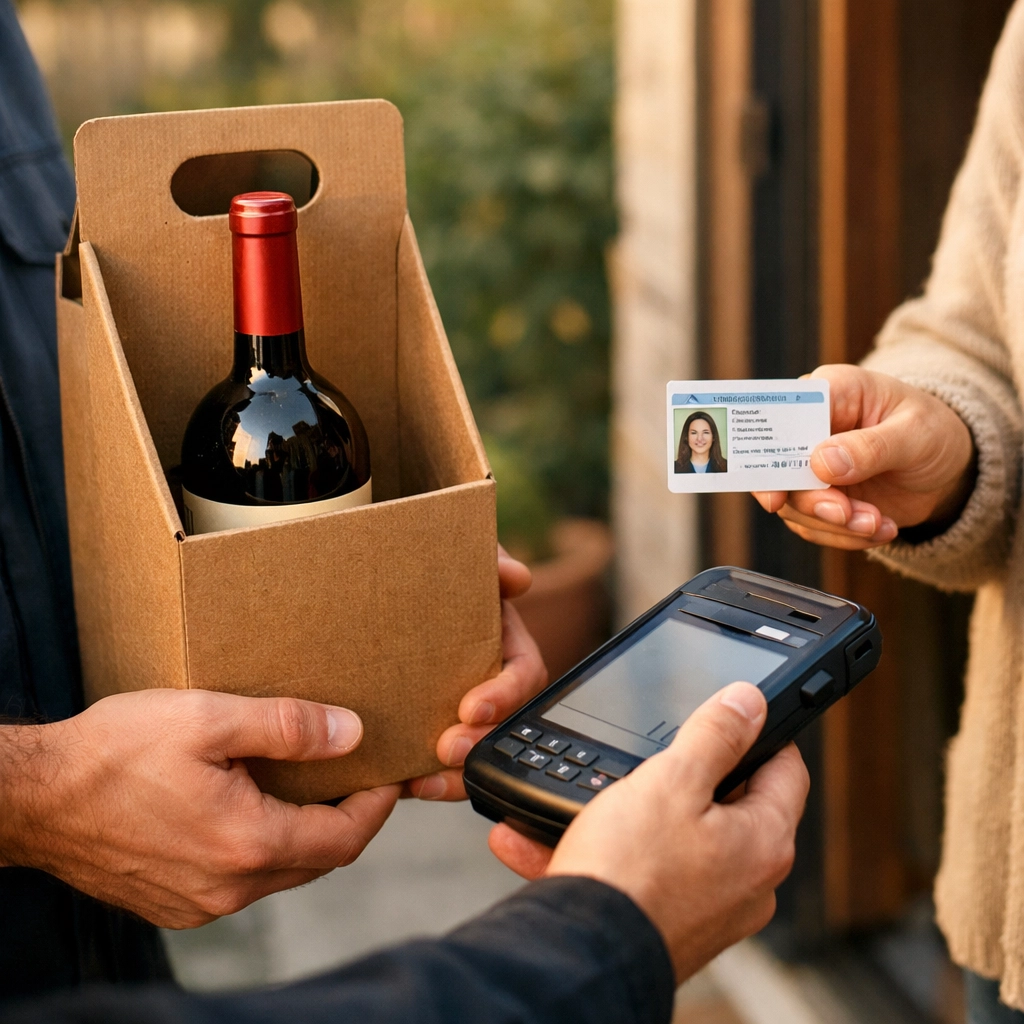
In jurisdictions where alcohol delivery is permitted, the risk profile of the delivery service changes significantly. Restaurant owners must ensure that their liquor liability insurance extends to delivery operations.
Risks associated with alcohol delivery include:
Delivery to minors.
Delivery to intoxicated individuals.
Failure to verify identification at the point of delivery.
Compliance with state-specific liquor board regulations is mandatory. Failure to comply can result in the loss of liquor licenses and the denial of insurance claims related to alcohol-involved accidents.
Documentation and Policy Management
Maintaining coverage requires meticulous record-keeping. Insurance carriers may conduct audits or inspections to verify that the restaurant is following the risk management protocols outlined in the policy.
Essential Documentation Includes:
Employee Driver Agreements: Signed documents stating that the employee understands the delivery safety policies.
Training Logs: Evidence that drivers have received training on defensive driving and delivery procedures.
Incident Reports: Comprehensive records of any accidents or near-misses, even those that do not result in a formal insurance claim.
For more information on how documentation affects eligibility, see our article on restaurant fire safety and property coverage.
Evaluating Your Current Coverage
To determine whether your current setup is adequate, conduct a thorough review of your delivery operations:
Vehicle Ownership: List every vehicle used for business. Who holds the title?
Usage Frequency: Is delivery a full-time operation or an occasional service?
Driver Classification: Are drivers W-2 employees or 10-99 contractors? (Note: Insurance implications differ significantly for contractors).
Existing Policies: Review the "Exclusions" section of your General Liability and Personal Auto policies.
If you find that your employees are delivering food but you lack an HNOA endorsement, you are likely operating with a significant liability gap. Conversely, if you have purchased vehicles for the business but are relying on an old personal policy, you lack the necessary commercial auto insurance to protect those assets.
The Role of Professional Guidance
The intersection of commercial auto insurance and restaurant operations is complex. Every business has a unique risk profile based on its location, menu, delivery radius, and staff size.
At Insurance Alliance LLC, we specialize in helping restaurant owners navigate these complexities. Our focus is on providing technical expertise in coverage, compliance, and risk management to ensure your business is built on a secure foundation.
Whether you are expanding your delivery fleet or transitioning to a third-party delivery model, understanding your liability is the first step toward long-term stability.
For further reading on industry-specific standards and risk management, explore the following resources:

Final Considerations for Restaurant Owners
Risk management is an ongoing process, not a one-time event. As your restaurant grows and the delivery landscape evolves, your insurance needs will change. Regularly reviewing your restaurant insurance policies ensures that you are prepared for the unexpected.
Focusing on coverage details and industry regulations rather than just the immediate needs of the business allows for a more resilient operation. By prioritizing proper commercial auto and HNOA coverage, you protect not only your financial interests but also the safety of your employees and the community you serve.
Insurance Alliance LLC www.theinsalliance.com Insurance Alliance Blog


Comments