
Washington Restaurant Insurance 101: A Beginner’s Guide to Mastering State Fund Workers’ Comp Compliance
Operating a restaurant in Washington involves navigating a unique regulatory landscape. One of the most critical components of this landscape is workers' compensation. Unlike many other states where business owners choose between various private insurance carriers, Washington operates under a monopolistic system. This means the state government manages the workers' compensation program exclusively through the Department of Labor & Industries (L&I).
Understanding the requirements of the State Fund is essential for every restaurant owner. Compliance ensures that employees receive necessary medical care and wage replacement if they sustain workplace injuries. It also protects the business from significant legal liabilities. This guide provides an overview of the mandatory coverage requirements, the nuances of the State Fund, and the risk management strategies necessary for a successful hospitality operation.
The Monopolistic State Fund System
Washington is one of four states in the country that operates a monopolistic workers' compensation system. In this model, the state-run Department of Labor & Industries is the sole provider of workers' compensation insurance. Private insurance companies are prohibited from offering this specific type of coverage to employers within the state.
For restaurant owners, this means there is no marketplace to shop for workers' comp. Every establishment must establish an account with L&I and follow the state's specific reporting and payment protocols. The State Fund covers medical expenses, vocational rehabilitation, and a portion of lost wages for workers injured on the job.
Why the System Exists
The State Fund system is designed to provide a consistent safety net for workers while offering employers immunity from most lawsuits related to workplace injuries. By participating in the State Fund, restaurant owners fulfill their legal obligation to provide for injured workers, which in turn prevents those workers from suing the employer for damages in most instances.

Mandatory Coverage Requirements for Restaurants
In Washington, workers' compensation coverage is mandatory the moment a restaurant hires its first employee. This requirement applies regardless of the size of the business or the number of hours the employee works.
Defining an Employee
The definition of an "employee" under Washington law is broad. It includes:
Full-time kitchen and front-of-house staff.
Part-time servers and hosts.
Seasonal or temporary help.
Some independent contractors (depending on the nature of the control the business exerts over their work).
Exemptions and Optional Coverage
While coverage is mandatory for employees, it is often optional for business owners, corporate officers with an ownership interest, and partners in a partnership. However, many restaurant owners choose to opt-in for elective coverage to ensure they have protection for themselves in the event of an injury during daily operations.
For those interested in how these requirements fit into a larger business strategy, Insurance Alliance LLC provides guidance on integrating state requirements with broader commercial protections.
Mastering Compliance: Reporting and Record-Keeping
Compliance with the Washington State Fund requires diligent administrative oversight. The system relies on accurate reporting of employee hours to function correctly.
Quarterly Reporting
Every restaurant must submit a quarterly report to L&I. This report details the total number of hours worked by all employees during that three-month period. These reports must be filed accurately and on time to maintain standing with the state. Failure to report hours or misrepresenting the nature of the work performed can lead to audits and penalties.
Job Classifications
L&I uses different risk classifications to categorize types of work. A restaurant might have employees falling into different categories, such as "Restaurants" or "Fast Food." It is the employer's responsibility to ensure that employees are classified correctly based on their actual job duties. Incorrect classification can lead to compliance issues during an L&I audit.
Record Retention
Washington law requires employers to maintain detailed payroll and employment records for at least three years. These records should include:
Employee names and Social Security numbers.
Hours worked each day and each week.
Total wages paid.
Specific duties performed.
The Importance of Stop-Gap Liability Coverage
While the Washington State Fund covers the statutory benefits for injured workers, it does not provide all the protections a restaurant might need. One significant gap in the monopolistic system is Employer’s Liability.
In most states, a private workers' comp policy includes both Part A (Statutory Benefits) and Part B (Employer’s Liability). In Washington, L&I only provides the equivalent of Part A. Employer’s Liability: often called "Stop-Gap" coverage: is necessary to protect the business if an employee sues the employer for injuries not covered by the State Fund or for issues like "loss of consortium" by an employee's spouse.
Since the State Fund does not offer this, restaurant owners must obtain Stop-Gap coverage through their private business insurance or General Liability policy. This ensures comprehensive protection against employment-related injury lawsuits.

Risk Management and Workplace Safety
Active risk management is the best way to maintain a safe environment and ensure long-term compliance with state regulations. Restaurants are high-activity environments with unique risks, including burns, cuts, and slips.
Implementing a Safety Program
L&I requires all employers in Washington to have a written Accident Prevention Program (APP). This document serves as the foundation for your restaurant’s safety culture. A typical APP for a restaurant includes:
Instructions for reporting hazards.
Procedures for emergency medical response.
Guidelines for using personal protective equipment (PPE).
Safety training schedules for new and existing staff.
Slip and Fall Prevention
Slips and falls are among the most common injuries in the food service industry. Risk management strategies include:
Installing non-slip flooring in kitchens and dishwashing areas.
Requiring slip-resistant footwear for all staff.
Maintaining clear protocols for cleaning up spills immediately.
Using "Wet Floor" signs consistently.
Kitchen Safety Protocols
Kitchen staff face risks from heat, sharp objects, and heavy equipment. Managing these risks involves:
Regular maintenance of exhaust hoods and fire suppression systems.
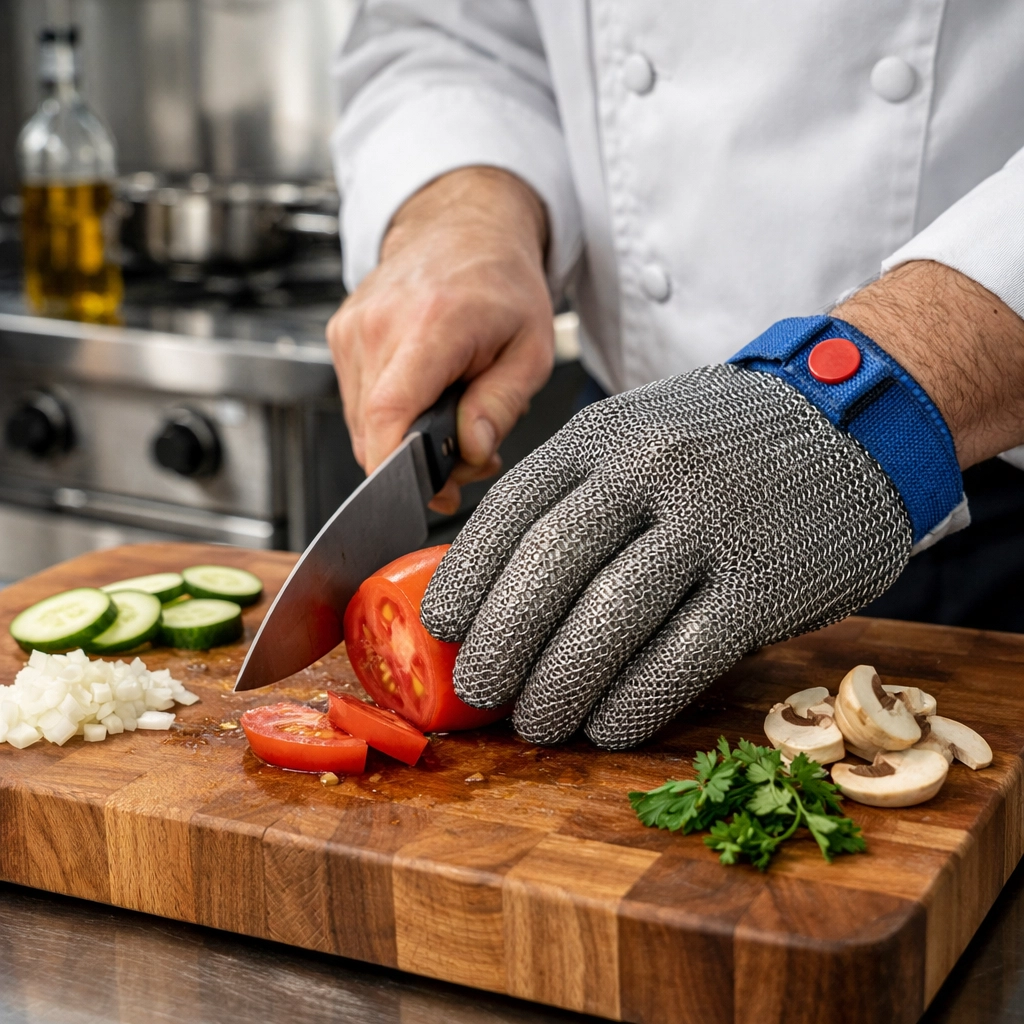
Training on the proper handling of knives and meat slicers.
Ensuring proper ventilation to prevent heat exhaustion.
For specialized establishments like coffee shops or smoothie bars, risk management might look slightly different but remains just as vital. Learn more about smoothie and coffee shop insurance considerations here.
Complementing State Fund Coverage with Private Policies
While Workers' Comp is handled by the state, it is only one piece of the protection puzzle. A compliant Washington restaurant also requires private insurance policies to cover property, liability, and specialized risks.
General Liability Insurance
This policy protects against third-party claims of bodily injury or property damage. For example, if a customer slips on a spill in the dining room, General Liability covers the legal defense and potential settlements. You can find more information on restaurant insurance and general liability requirements on our dedicated page.
Liquor Liability
If your restaurant serves alcohol, liquor liability is essential. Standard liability policies often exclude incidents related to the service of alcohol. Liquor liability provides protection in cases where an intoxicated patron causes harm to themselves or others after being served at your establishment.
Commercial Auto Insurance
If your restaurant offers delivery services or uses a vehicle for business errands, commercial auto insurance is a requirement. Personal auto policies generally do not cover accidents that occur during business activities.
Additional Mandatory Employer Requirements in Washington
Beyond workers' compensation, Washington restaurant owners must comply with several other state-mandated programs related to employment.
Paid Family and Medical Leave (PFML)
Washington’s PFML program provides employees with paid time off for serious health conditions, caring for a family member, or bonding with a new child. Employers are responsible for collecting premiums from employee paychecks and remitting them to the state, along with their own employer contributions (for businesses with 50 or more employees).
Paid Sick Leave
Under Washington law, all employees must earn at least one hour of paid sick leave for every 40 hours worked. This leave can be used for the employee's own health needs or to care for a family member.
Unemployment Insurance
Employers must also pay into the state’s unemployment insurance fund. This program provides temporary income to workers who lose their jobs through no fault of their own. Like workers' comp, this requires regular reporting of employee wages and hours.
Maintaining Your Compliance Status
Compliance is not a one-time event; it is an ongoing process of reporting, documentation, and safety management. To stay in good standing with the Washington Department of Labor & Industries:
File on Time: Mark quarterly deadlines on your calendar and ensure your reporting is submitted before the due date.
Train Constantly: Safety training should be part of the onboarding process for every new hire and a recurring topic in staff meetings.
Audit Your Classifications: Periodically review your job descriptions and ensure they match the L&I classifications assigned to your account.
Update Your APP: If you change your kitchen layout or add new equipment, update your Accident Prevention Program to reflect the new environment.
For those looking to expand their knowledge on specialty insurance topics, our blog-posts-sitemap.xml offers a wide range of resources.
Professional Guidance for Restaurant Risk
The complexities of the Washington State Fund and the interplay between state-mandated coverage and private insurance can be daunting for new and experienced owners alike. Ensuring that you have the right business insurance in place while maintaining L&I compliance is the best way to protect your investment.
At Insurance Alliance LLC, we specialize in helping business owners navigate these requirements with confidence. Whether you are opening a new family dining establishment or managing a high-volume bar, understanding your obligations is the first step toward long-term success.
For a comprehensive review of your current coverage and risk management strategy, you can book online or visit our get a quote page to learn more about how we can support your restaurant's needs.
Insurance Alliance LLC Serving Washington, Florida, and Texas. https://www.theinsalliance.com


Comments