
Stop Wasting Time on Inadequate Coverage: Try These 7 Quick Risk Management Hacks for Your Restaurant
- marketing676641
- Mar 19
- 6 min read
Effective risk management is the foundation of a resilient hospitality business. For restaurant owners and operators, managing the complexities of restaurant insurance requires a proactive approach to safety and compliance. Navigating the requirements of a business owners policy and managing workers comp obligations are essential tasks that demand precision and foresight.
Insurance Alliance LLC provides professional guidance to help businesses maintain high standards of safety and coverage integrity. By implementing structured risk management protocols, restaurants can ensure they remain compliant with industry standards and carrier expectations. The following strategies outline practical steps to enhance operational safety and maintain robust coverage.
1. Deploy Visible Safety Equipment and Signage
Physical safety interventions are critical for mitigating third-party liability and employee injury risks. In a high-traffic restaurant environment, slip-and-fall incidents represent a significant portion of general liability exposures.
Essential Safety Assets
Non-Slip Floor Mats: Install heavy-duty, industrial-grade mats in high-moisture areas such as dishwashing stations, prep lines, and entranceways.
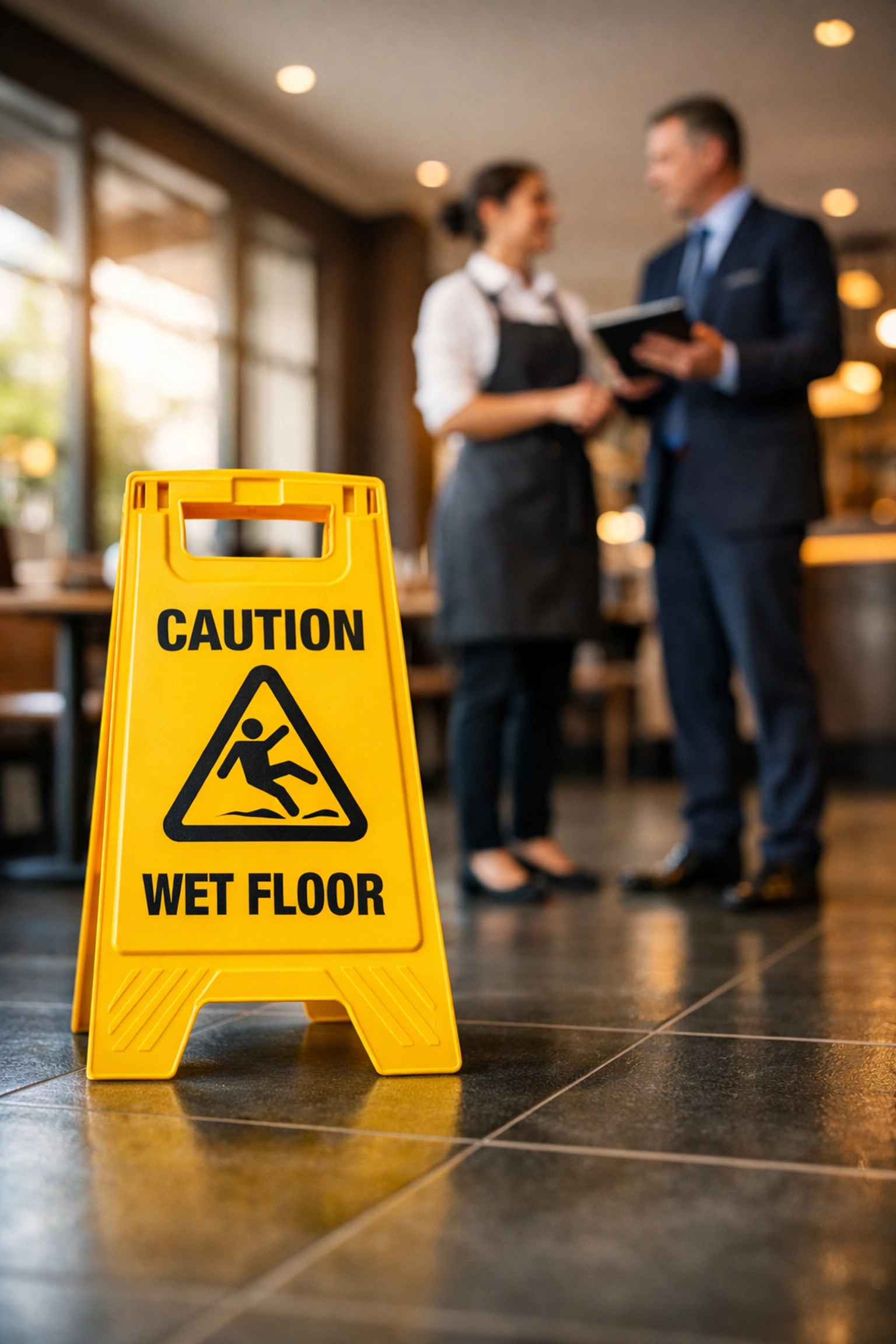
Wet Floor Signage: Maintain a sufficient inventory of highly visible caution signs. Establish a protocol where signs are deployed immediately upon the detection of any spill or during scheduled cleaning.
Surveillance Systems: Utilize high-definition cameras to monitor dining areas and kitchen exits. Video documentation serves as an objective record of events, which is vital for verifying the circumstances of a reported incident.
Integrating these tools into daily operations demonstrates a commitment to a safe environment. This visibility is a key factor when carriers evaluate a property during an inspection. For more information on preparing for these evaluations, review The Ultimate Restaurant Insurance Checklist.
2. Maintain Comprehensive Digital Documentation
Documentation is the bridge between operational safety and coverage compliance. Carriers require proof that a business follows recognized safety standards and local regulations.
Critical Documentation Categories
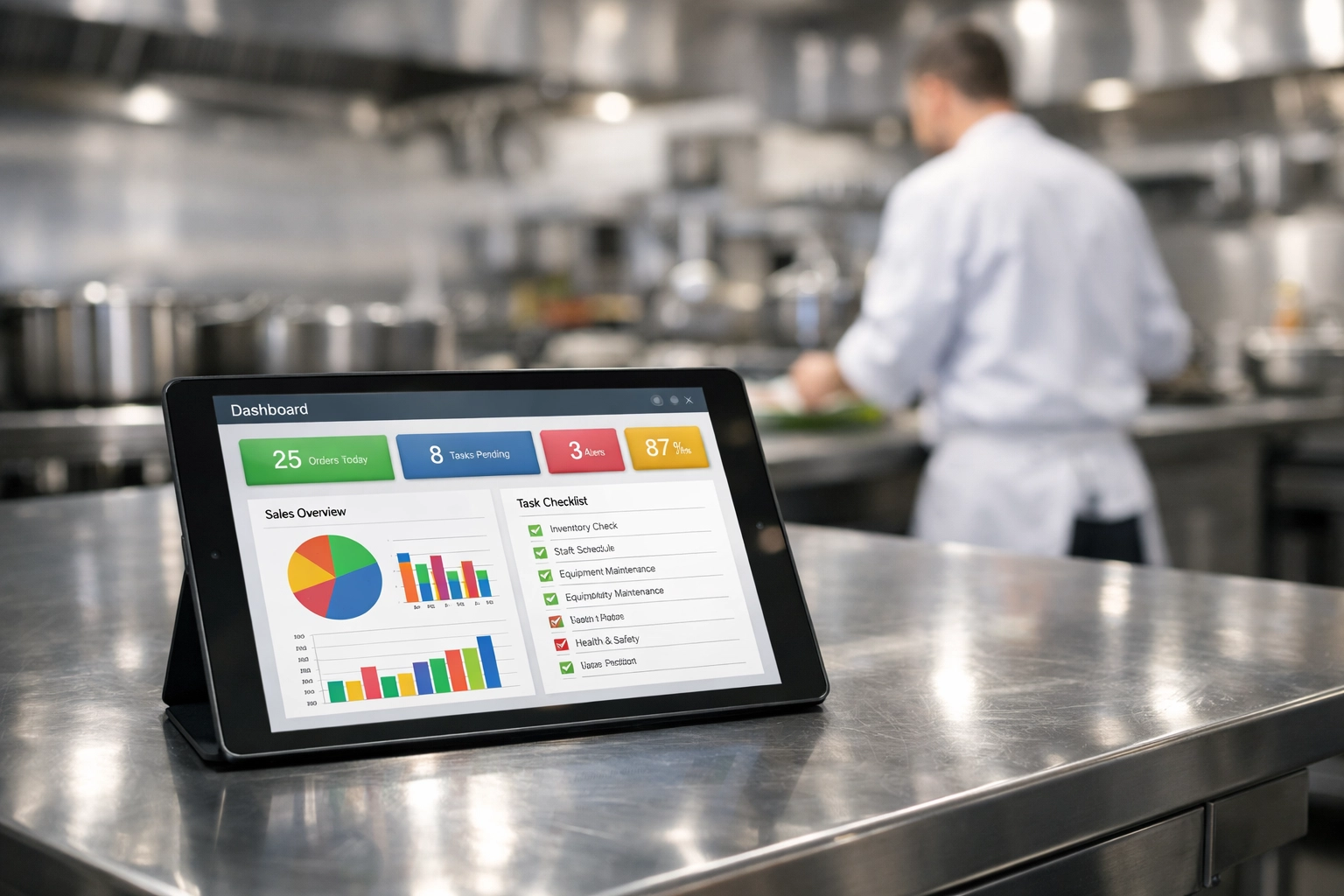
Health Inspection Reports: Maintain a digital archive of all local health department inspections and the subsequent corrective actions taken.
Safety Training Logs: Record the date, topic, and attendance for every staff safety meeting.
Maintenance Records: Keep detailed logs of professional services for HVAC systems, refrigeration, and specialized kitchen equipment.
Digital record-keeping ensures that information is accessible during a policy review or a regulatory audit. Demonstrating a history of compliance reinforces the restaurant's status as a well-managed risk. Proper documentation is particularly influential regarding property coverage eligibility. Learn more about this at Restaurant Fire Safety and Documentation.
3. Implement Mandatory Monthly Staff Training
Employee behavior is a primary driver of workers comp outcomes. Regular training sessions reduce the frequency of workplace accidents by reinforcing correct procedures and heightening awareness of hazards.
High-Priority Training Topics
Knife Safety and Handling: Proper sharpening techniques, cutting movements, and storage protocols to prevent lacerations.
Ergonomic Lifting: Techniques for handling heavy inventory, such as flour bags or crates of produce, to mitigate back and joint injuries.
Thermal Hazard Awareness: Procedures for operating fryers, ovens, and grills, including the use of appropriate personal protective equipment (PPE).
Food Handling Standards: Compliance with temperature controls and cross-contamination prevention to mitigate general liability risks related to foodborne illness.
Consistency is necessary for a successful training program. Monthly sessions ensure that safety remains a top priority for both new hires and long-term staff. In certain jurisdictions, specific training may be required for state-funded programs. Explore Washington Restaurant Insurance 101 for insights into state-specific compliance.
4. Optimize Coverage via a Business Owners Policy (BOP)
A business owners policy is an integrated insurance solution designed to address the unique needs of small to mid-sized restaurants. It typically combines general liability and commercial property coverage into a single framework.
Advantages of a Structured BOP
Unified Protection: Consolidating property and liability simplifies the management of policy renewals and updates.
Tailored Endorsements: A BOP can be customized with specific endorsements, such as equipment breakdown or business interruption coverage.
Standardized Compliance: Carriers often design BOPs to meet the baseline requirements of landlords and financial institutions.
Relying on a fragmented insurance strategy can leave gaps in coverage. A BOP provides a comprehensive foundation for restaurant security. Detailed information on this policy structure is available at Business Owners Policy: The Foundation for Small Business Security.
5. Adhere to Quarterly Equipment Maintenance Schedules
Kitchen equipment failure is a leading cause of property damage in the restaurant industry. Preventive maintenance is a requirement for maintaining coverage under most commercial property policies.
Focus Areas for Maintenance
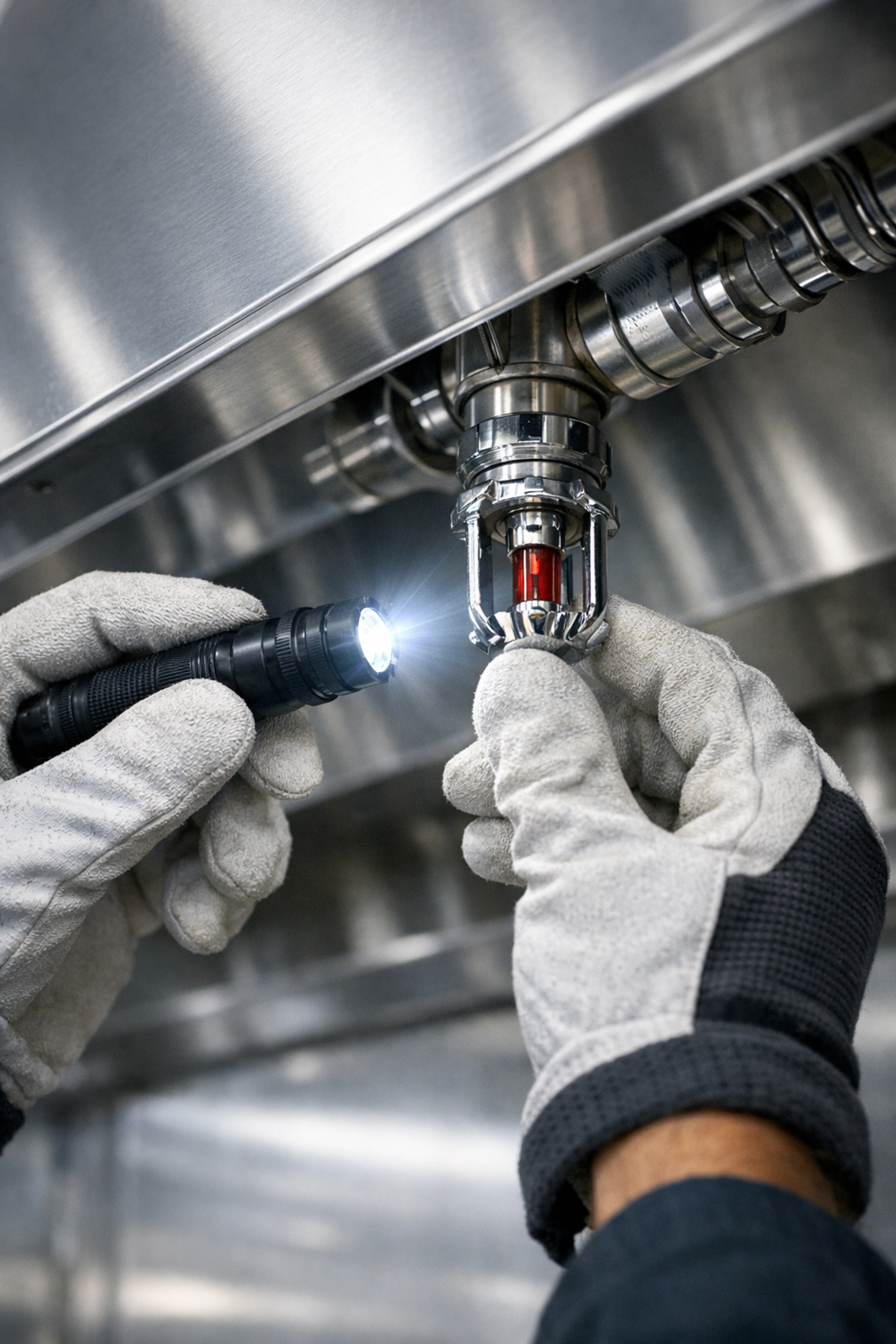
Fire Suppression Systems: Ensure that automatic extinguishing systems meet UL 300 standards. These systems must be inspected and certified by qualified professionals every six months.
Exhaust Hood Cleaning: Regularly remove grease accumulation from hoods, ducts, and fans to prevent high-intensity grease fires.
Electrical Systems: Periodically inspect wiring and circuit breakers, especially in older buildings, to identify potential fire hazards.
Failure to maintain equipment can lead to a denial of coverage if an incident occurs due to negligence. Insurance Alliance LLC emphasizes the importance of following manufacturer and carrier-mandated maintenance intervals. For broader insights on property protection, refer to Protecting Your Business Property from Natural Disasters.
6. Establish Immediate Incident Response Protocols
The actions taken immediately following an accident determine the trajectory of the resulting liability. A standardized response protocol ensures that all incidents are handled professionally and consistently.
Steps for Immediate Response
Provide Assistance: Ensure the injured party receives necessary medical attention.
Secure the Area: Prevent further incidents by cordoning off the location where the accident occurred.
Gather Evidence: Take photographs of the scene, including floor conditions, lighting, and any relevant equipment.
Identify Witnesses: Collect contact information and brief statements from employees or customers who observed the event.
Training management staff on these protocols minimizes confusion and ensures that the restaurant meets its duty of care. This proactive management is a core component of General Liability Insurance and Third-Party Risk.
7. Utilize Digital Incident Reporting Systems
Moving from paper-based logs to digital reporting systems enhances the accuracy and security of incident data. Digital systems provide a time-stamped, unalterable record of events and safety observations.
Benefits of Digital Systems
Real-Time Reporting: Managers can submit reports immediately from a mobile device or tablet.
Data Analysis: Digital records allow owners to identify patterns in near-misses or accidents, enabling targeted safety improvements.
Regulatory Alignment: Digital logs are easily shared with insurance partners and legal counsel during a review.
Using modern technology to track safety performance positions a restaurant as a sophisticated operator. This level of professional oversight is highly regarded by insurance carriers during the underwriting process.
Managing Specialized Restaurant Risks
Beyond the core components of a business owners policy, restaurants must address specialized risks associated with their specific service models.
Liquor Liability and Compliance
If a restaurant serves alcohol, liquor liability coverage is a mandatory component of a comprehensive risk management plan. This coverage addresses risks related to the service of intoxicated persons or minors. Compliance with state liquor board regulations is essential. Detailed guidance on how insurance supports these standards can be found at Washington State Liquor Board Compliance.
Delivery and Hired/Non-Owned Auto Coverage
The rise of delivery services has introduced new liability concerns. If employees use their personal vehicles for business purposes, the restaurant may be exposed to significant risk. A Hired and Non-Owned Auto (HNOA) endorsement is often necessary to extend liability protection to the business in these scenarios. For a deep dive into this topic, see Hired and Non-Owned Auto Insurance: A Critical BOP Endorsement and The Truth About Restaurant Liability and Delivery.
Cyber Security for Point-of-Sale Systems
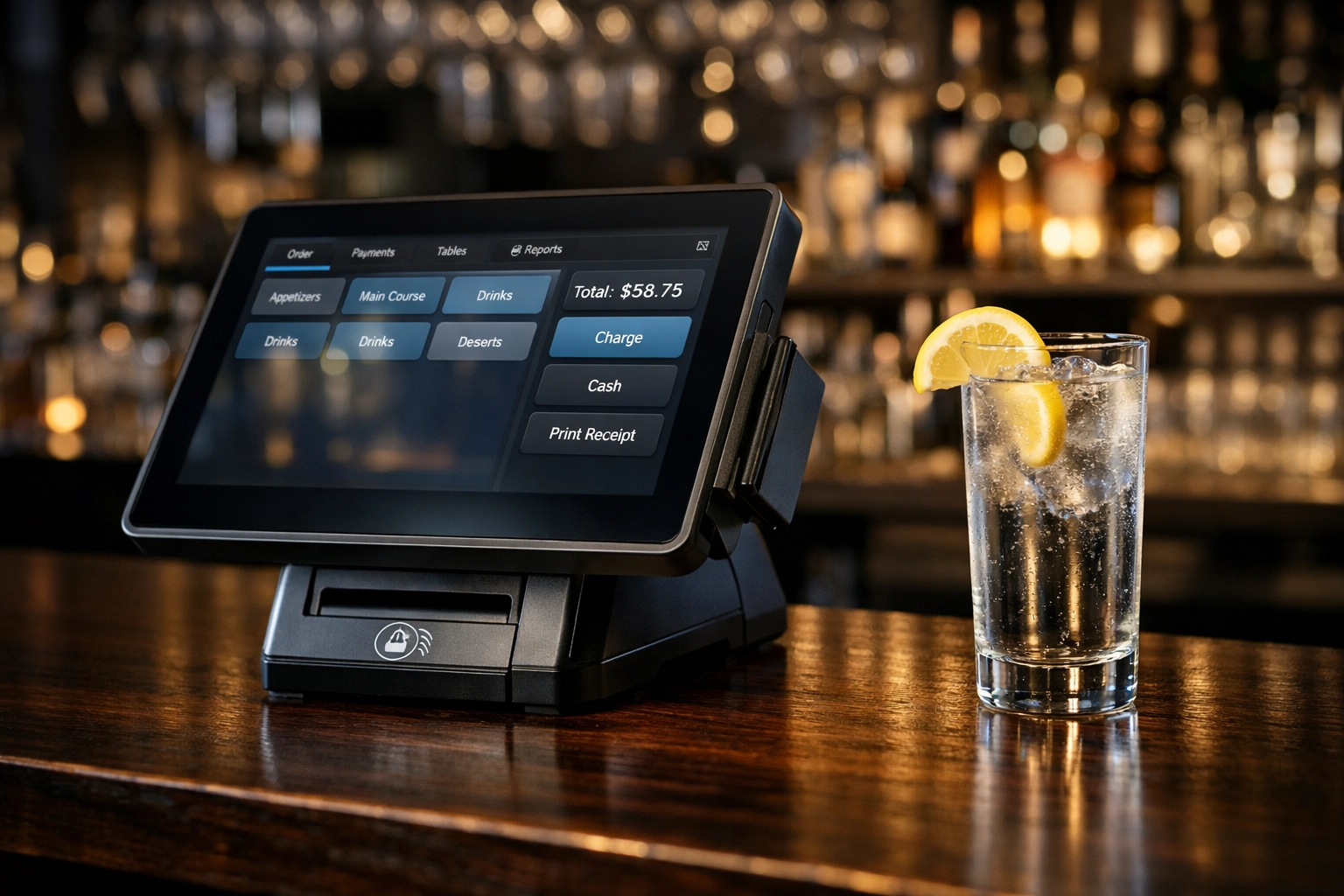
Modern restaurants rely heavily on digital technology for processing payments and managing reservations. This reliance introduces cyber risks, including data breaches and system interruptions. Targeted cyber endorsements are becoming a standard requirement for protecting a restaurant's digital assets. Information on these protections is available at Protecting Your Tech: Targeted Cyber Endorsements.
The Role of Professional Oversight in Risk Management
Risk management is not a one-time task but a continuous cycle of assessment, implementation, and review. At Insurance Alliance LLC, we serve as a strategic partner for restaurant owners, providing the expertise needed to navigate a complex regulatory and insurance landscape.
By focusing on coverage adequacy and compliance rather than reacting to incidents after they occur, restaurant operators can build a stable environment for their employees and patrons. Implementing these seven hacks creates a culture of safety that satisfies the rigorous requirements of modern insurance carriers.
For more resources on managing business risks and maintaining compliance, visit the Insurance Alliance Blog.
Insurance Alliance LLC www.theinsalliance.com Professional Insurance Solutions for the Hospitality Industry
Comments