
Restaurant Fire Safety: How Proper Documentation Affects Your Property Coverage Eligibility
Property coverage for restaurants depends on more than just paying for a policy. Insurers evaluate fire safety practices and documentation when determining coverage eligibility. Proper documentation of fire safety systems, maintenance schedules, and staff training demonstrates compliance with fire codes and industry standards.
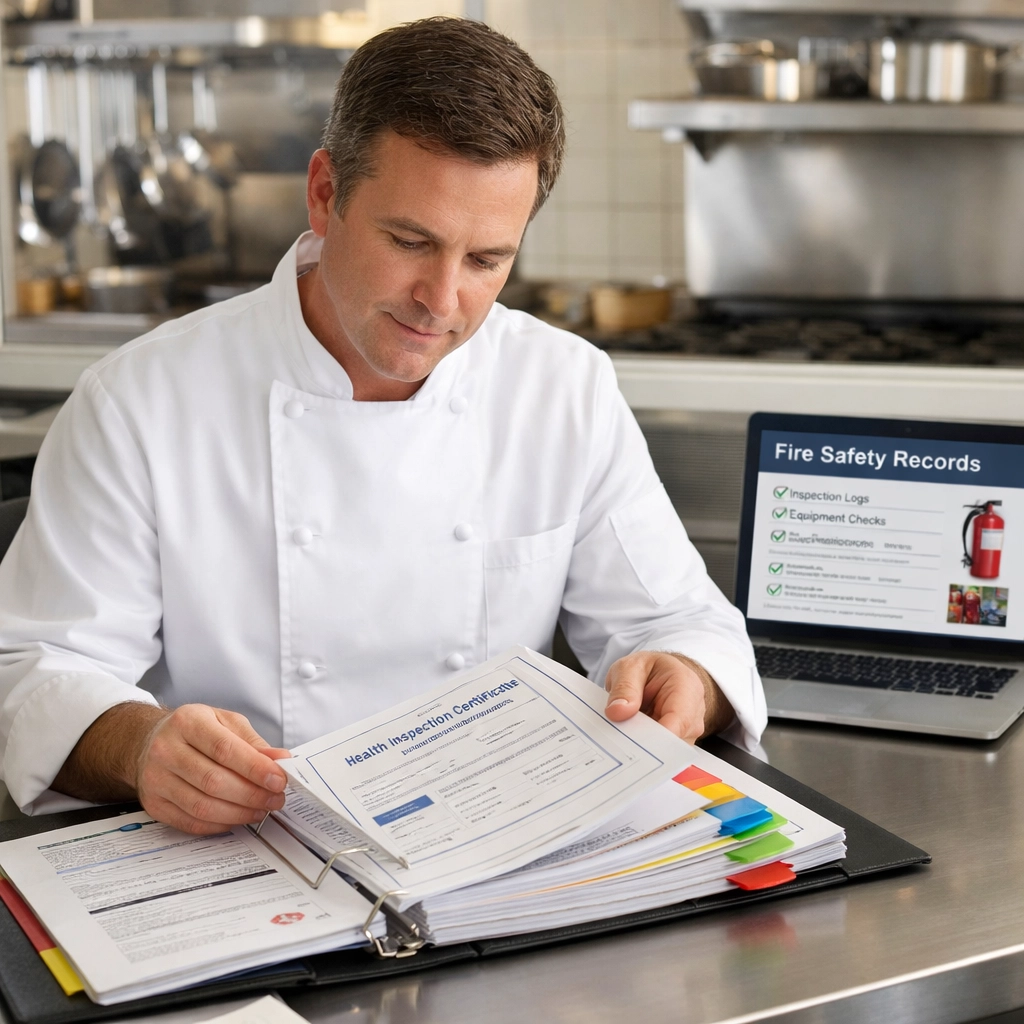
Restaurant owners who maintain comprehensive fire safety records position themselves for stronger coverage options. This documentation proves that fire suppression systems, kitchen hood cleanings, and emergency protocols meet required standards.
The Role of Documentation in Coverage Eligibility
Insurance underwriters assess risk before providing property coverage. Fire safety documentation serves as evidence that your restaurant operates with a proactive safety culture. This includes records of inspections, maintenance activities, and system certifications.
Comprehensive documentation supports several key areas:
Ongoing Compliance Verification: Records of regular inspections and maintenance schedules show that fire safety equipment remains functional and up to code. Underwriters review these records to confirm that your restaurant meets minimum safety requirements.
System Maintenance Proof: Documentation of servicing for fire extinguishers, kitchen suppression systems, and alarm systems provides verifiable evidence of proper upkeep. This includes service dates, technician certifications, and any repairs or replacements performed.
Regulatory Adherence: Fire inspection certificates and code compliance documentation demonstrate that your restaurant meets local and national fire safety regulations. These records become essential during the underwriting process.
Critical Fire Safety Systems That Require Documentation
Commercial kitchens contain multiple fire suppression and prevention systems. Each system requires specific documentation to support property coverage eligibility.
Ansul System and Kitchen Suppression
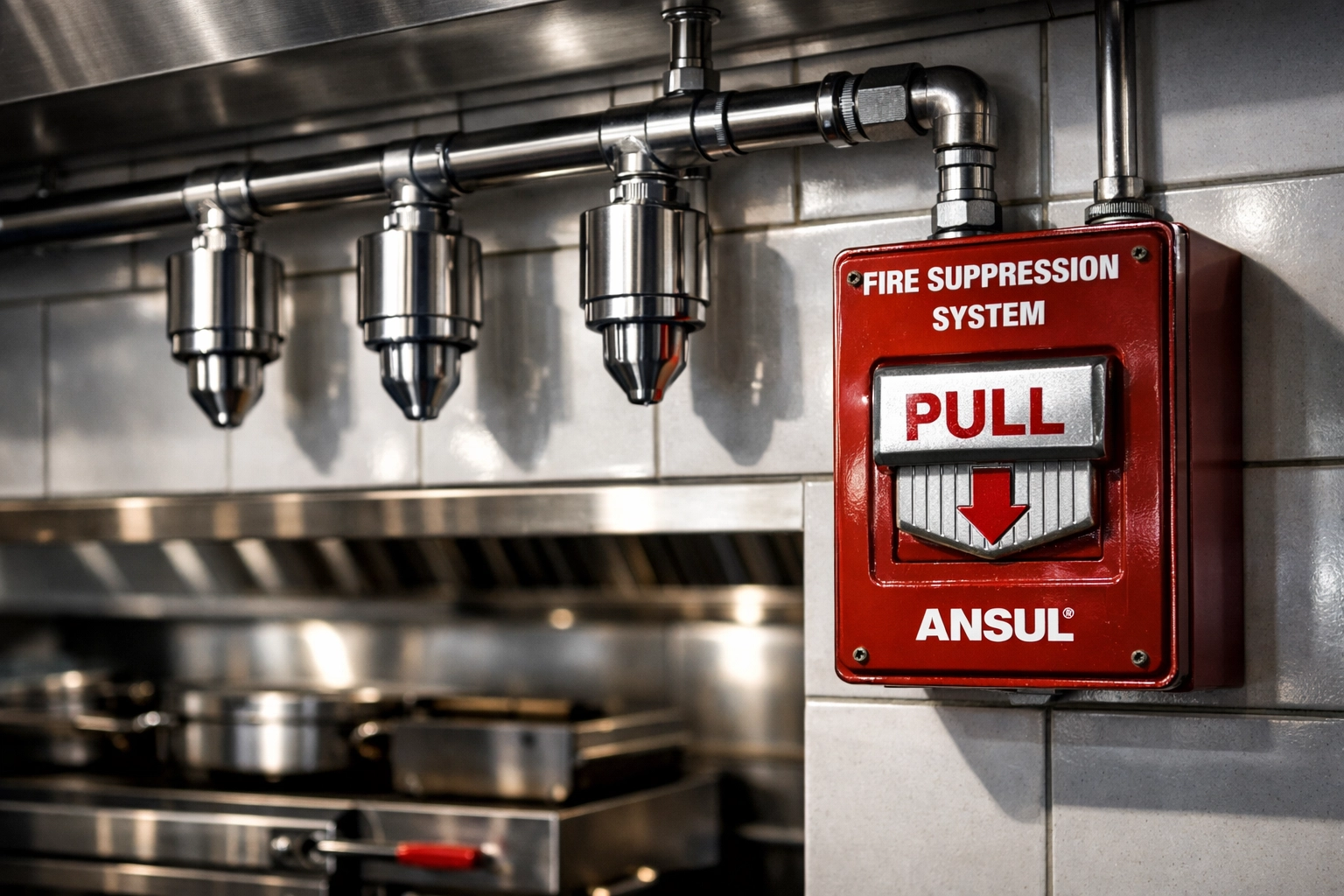
Kitchen fire suppression systems protect against grease fires and cooking equipment hazards. Documentation for these systems must include:
Installation certifications showing UL 300 compliance
Semi-annual inspection reports from certified technicians
Service records documenting any system activations or repairs
Proof of proper system coverage for all cooking equipment
UL 300 represents the standard for commercial kitchen suppression systems. This standard replaced older UL 17 systems and provides superior protection against modern cooking oil fires. Your documentation should clearly show that your system meets current UL 300 requirements.
Hood Cleaning and Exhaust Systems
Kitchen exhaust hoods accumulate grease buildup that creates significant fire hazards. Proper hood cleaning documentation includes:
Professional cleaning service invoices with dates and scope of work
Before and after photographs of cleaned exhaust systems
Certificates of completion from certified hood cleaning companies
Records showing cleaning frequency meets NFPA 96 standards
NFPA 96 establishes minimum cleaning frequencies based on cooking volume and food types. High-volume operations may require monthly cleanings, while lower-volume kitchens might meet standards with quarterly service. Your documentation must align with the appropriate cleaning schedule for your operation.
Fire Extinguisher Maintenance
Fire extinguishers require annual inspections and periodic servicing. Documentation should include:
Annual inspection tags with dates and inspector signatures
Six-year internal examinations for certain extinguisher types
Hydrostatic test records conducted at required intervals
Replacement records for any expired or discharged units
Each fire extinguisher must display current inspection tags. Missing or expired tags signal compliance gaps that underwriters note during coverage evaluations.
Fire Alarm and Detection Systems
Fire alarm systems provide early warning of fire conditions. Required documentation includes:
Annual testing and inspection reports
Battery replacement records for backup power systems
Monitoring service agreements showing 24/7 central station monitoring
Repair records for any system malfunctions
Fire alarm systems connected to central monitoring stations provide faster emergency response. Documentation of continuous monitoring service strengthens your coverage position.
Staff Training and Emergency Preparedness Records
Fire safety extends beyond equipment maintenance. Staff training and emergency preparedness documentation demonstrates that your team can respond effectively to fire emergencies.
Employee Fire Safety Training
Document all fire safety training activities for your staff:
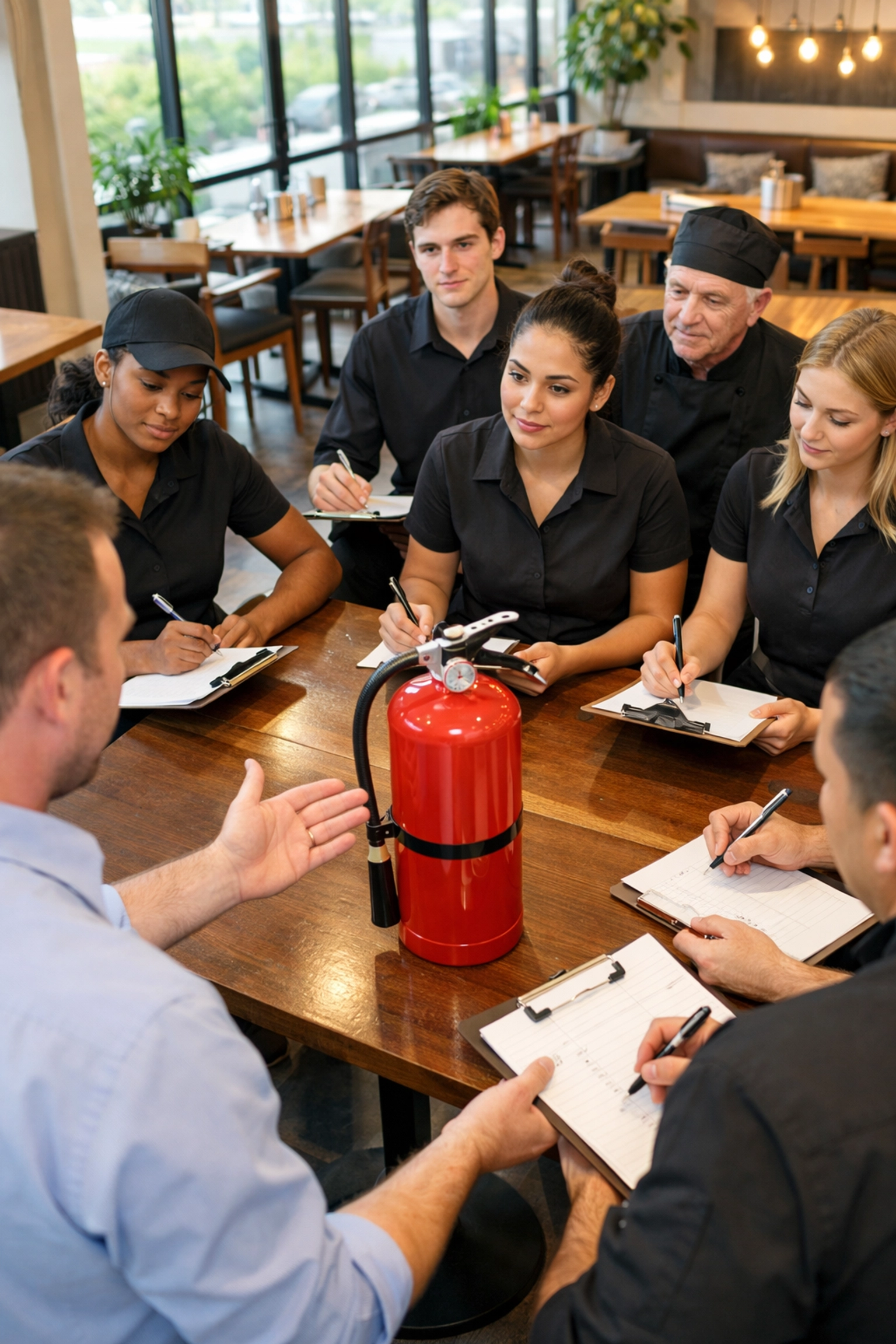
Initial orientation training for new hires covering fire exit locations and evacuation procedures
Periodic refresher training sessions with attendance records
Specific training for employees who operate fire suppression systems
Records showing proper use of fire extinguishers and emergency equipment
Training documentation should include dates, topics covered, trainer qualifications, and employee signatures confirming participation. This creates a verifiable record of your restaurant's commitment to fire safety preparedness.
Fire Drill Documentation
Regular fire drills test your emergency response procedures. Document each drill with:
Date and time of the drill
Number of employees participating
Evacuation time from initial alarm to full building clearance
Issues identified during the drill and corrective actions taken
Floor plans showing primary and secondary evacuation routes
Fire drills reveal gaps in emergency procedures before actual emergencies occur. Documentation of regular drills and subsequent improvements demonstrates ongoing risk management.
Emergency Contact and Response Plans
Written emergency response plans provide clear procedures during fire emergencies. Your documentation should include:
Current emergency contact lists for local fire departments
Designated employee responsibilities during evacuations
Procedures for accounting for all staff after evacuation
Protocols for communicating with emergency responders
Update these plans whenever contact information changes or when you modify evacuation procedures. Current documentation ensures effective emergency response.
Creating a Documentation System
Organized documentation systems help you maintain comprehensive fire safety records. Consider these approaches:
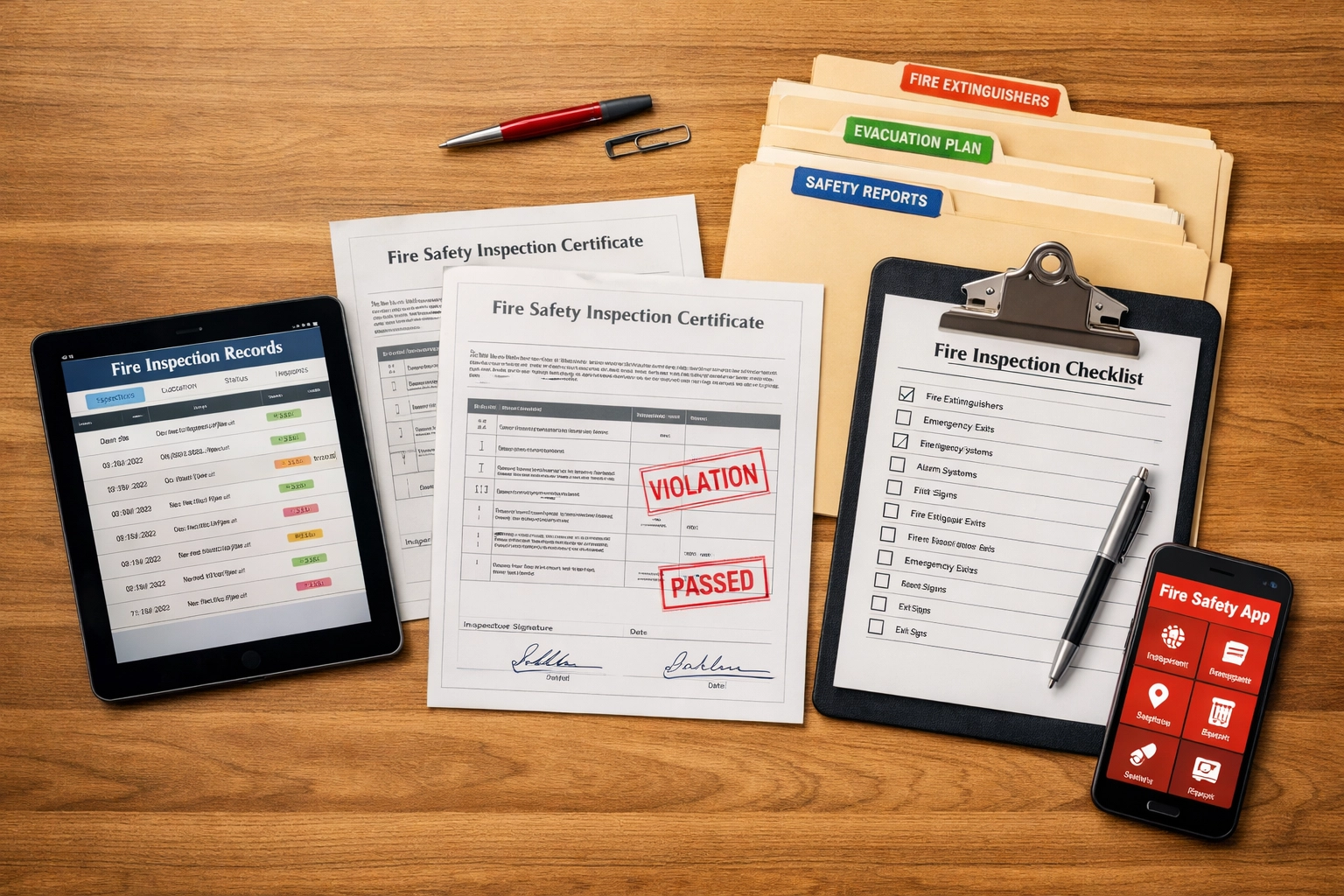
Digital Record-Keeping: Digital systems allow quick access to fire safety documentation. Scan inspection reports, service records, and training certificates into organized digital files. Cloud-based storage ensures records remain accessible even if physical documents are destroyed in a fire.
Centralized Filing: Maintain a dedicated fire safety documentation binder or digital folder containing all relevant records. Organize documents by system type and date for easy retrieval during insurance reviews or fire inspections.
Regular Documentation Reviews: Schedule quarterly reviews of your fire safety documentation to identify missing records or upcoming inspection dates. This proactive approach prevents documentation gaps that could affect coverage eligibility.
Service Provider Coordination: Establish relationships with certified service providers for all fire safety systems. Ensure these providers understand your documentation requirements and provide detailed service reports after each visit.
Compliance with Local and National Fire Codes
Fire safety documentation must demonstrate compliance with applicable fire codes. These codes establish minimum safety standards for commercial kitchens and dining areas.
NFPA Standards: The National Fire Protection Association publishes multiple standards relevant to restaurants, including NFPA 96 for kitchen ventilation and NFPA 10 for fire extinguishers. Your documentation should reference these standards and show compliance with their requirements.
Local Fire Marshal Requirements: Local jurisdictions may impose additional fire safety requirements beyond national standards. Maintain records of local fire marshal inspections and any specific requirements for your location.
Building Code Compliance: Fire safety documentation often overlaps with building code requirements. Records showing proper installation of fire suppression systems and emergency exits demonstrate building code compliance.
How Insurance Alliance LLC Supports Your Coverage Needs
Insurance Alliance LLC specializes in restaurant insurance coverage that addresses the unique risks of food service operations. We understand how proper fire safety documentation supports coverage eligibility and helps restaurant owners maintain comprehensive protection.
Our team guides restaurant owners through coverage requirements and helps identify documentation needed for underwriting review. We work with carriers who value proactive risk management and recognize the importance of proper fire safety maintenance.
Whether you operate a family dining restaurant or a smoothie and coffee shop, maintaining proper fire safety documentation strengthens your property coverage position. Contact Insurance Alliance LLC to review your current coverage and ensure your documentation supports optimal protection for your restaurant operation.
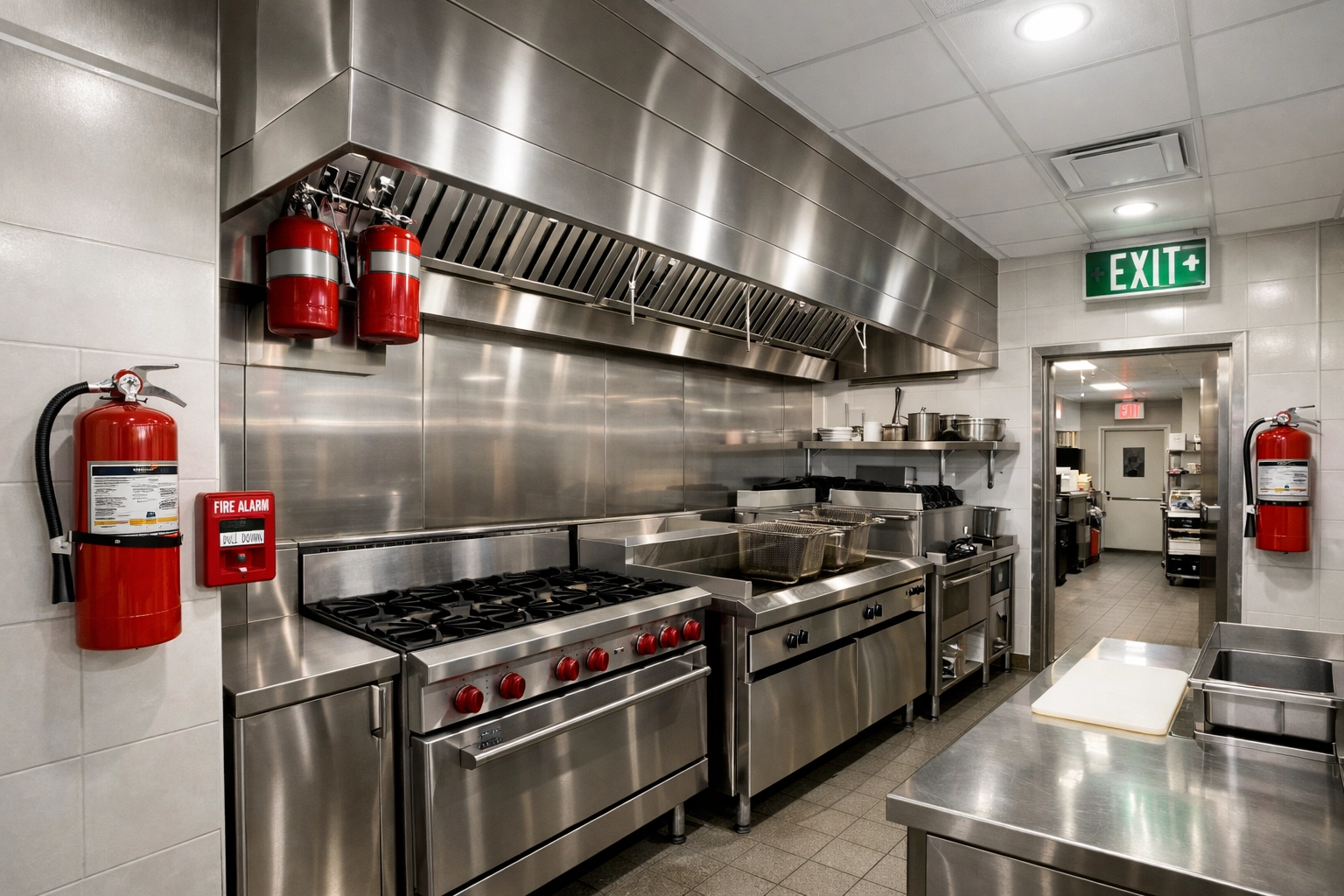
Fire safety documentation represents more than regulatory compliance. These records demonstrate your commitment to protecting your restaurant investment and provide the evidence insurers need to evaluate coverage eligibility. Establish comprehensive documentation systems today to support your property coverage tomorrow.


Comments