
Washington State Liquor Board Compliance: How Your Insurance Policy Supports Responsible Service
Operating a restaurant, bar, or establishment that serves alcohol in Washington State requires strict adherence to regulations set by the Washington State Liquor and Cannabis Board (WSLCB). Your insurance policy plays a critical role in supporting these compliance efforts and protecting your business from liability exposures.
Understanding how your coverage aligns with WSLCB requirements helps you maintain proper risk management protocols and meet licensing standards.
Washington State Liquor Licensing Requirements
The WSLCB mandates specific operational standards for any business serving alcohol. License holders must comply with service regulations, training requirements, and responsible vendor practices. Your insurance coverage must reflect these regulatory obligations.
Liquor liability insurance is essential for Washington establishments. This coverage protects your business when incidents involve alcohol service. The policy responds when customers or third parties experience harm related to alcohol consumption at your establishment.
Mandatory Alcohol Server Training and Insurance Connections
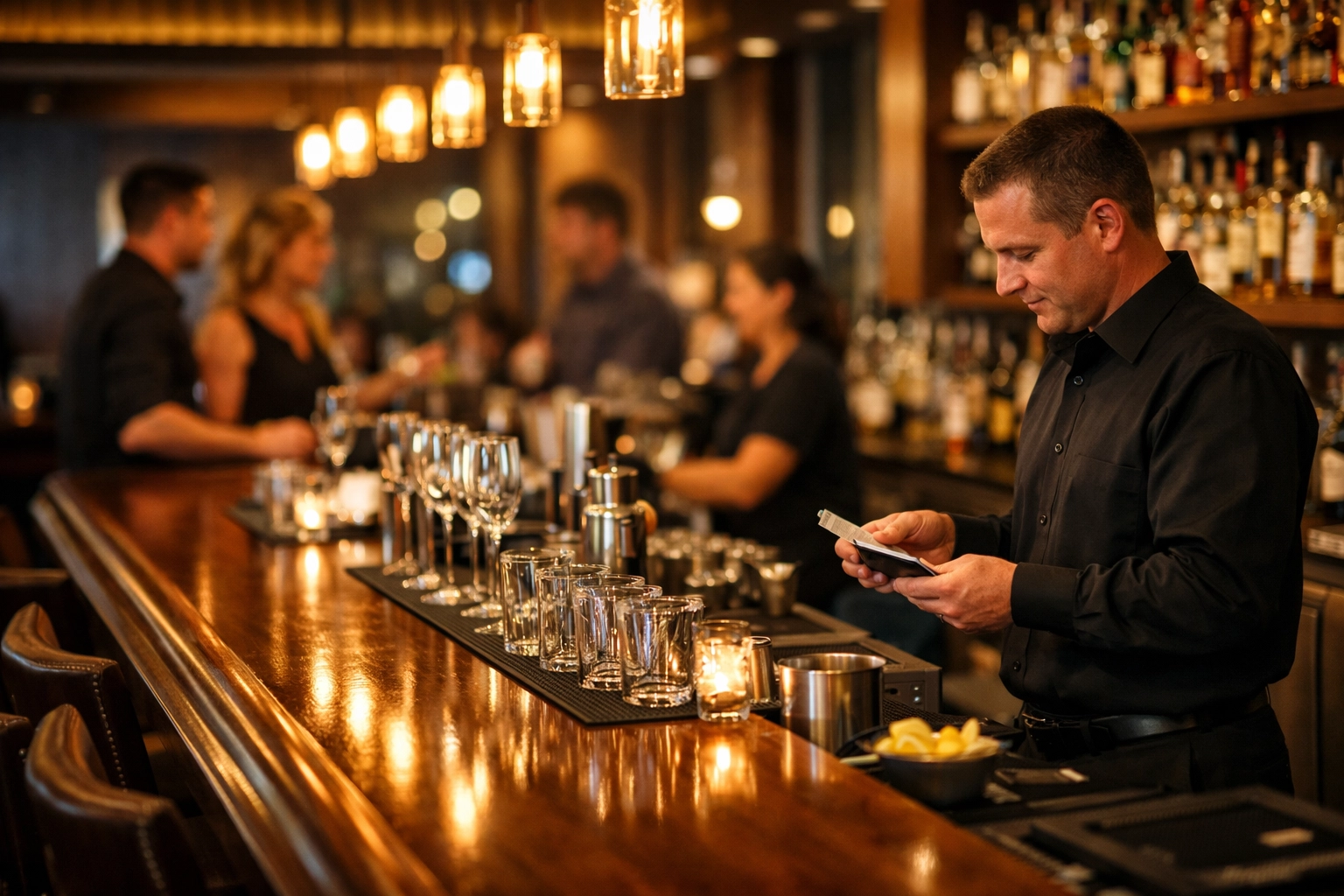
Washington State requires Mandatory Alcohol Server Training (MAST) for employees who serve, sell, or supervise alcohol sales. This training program teaches responsible service practices and legal compliance standards.
Your liquor liability policy often requires proof of MAST certification for covered employees. Insurance carriers verify that your staff maintains current training credentials. This documentation requirement ensures your team understands service protocols and liability prevention strategies.
MAST training covers identification verification, recognizing intoxication signs, proper service refusal techniques, and legal obligations for alcohol service. These skills directly reduce liability exposures that your insurance policy addresses.
The Responsible Vendor Program and Coverage Benefits
The WSLCB operates a Responsible Vendor Program (RVP) that encourages establishments to exceed minimum compliance standards. Participation in this voluntary program demonstrates your commitment to responsible alcohol service.
RVP participation often influences your insurance coverage structure. Carriers recognize businesses that implement enhanced safety protocols and compliance measures. Your commitment to responsible service practices supports your overall risk management framework.
The program focuses on comprehensive staff training, written service policies, incident documentation procedures, and community engagement. These elements align directly with insurance underwriting considerations for liquor liability coverage.
Liquor Liability Coverage Components
Liquor liability insurance provides specific protections for alcohol-related incidents. The coverage addresses third-party bodily injury and property damage arising from alcohol service at your establishment.
This policy responds when a patron causes harm to others after consuming alcohol at your business. Coverage extends to incidents occurring both on and off your premises. The protection includes defense costs and settlement expenses related to covered claims.
Your policy contains specific conditions regarding service practices. These conditions require adherence to WSLCB regulations, proper employee training, and documented compliance procedures. Meeting these policy requirements maintains your coverage integrity.

Documentation Requirements for Compliance and Coverage
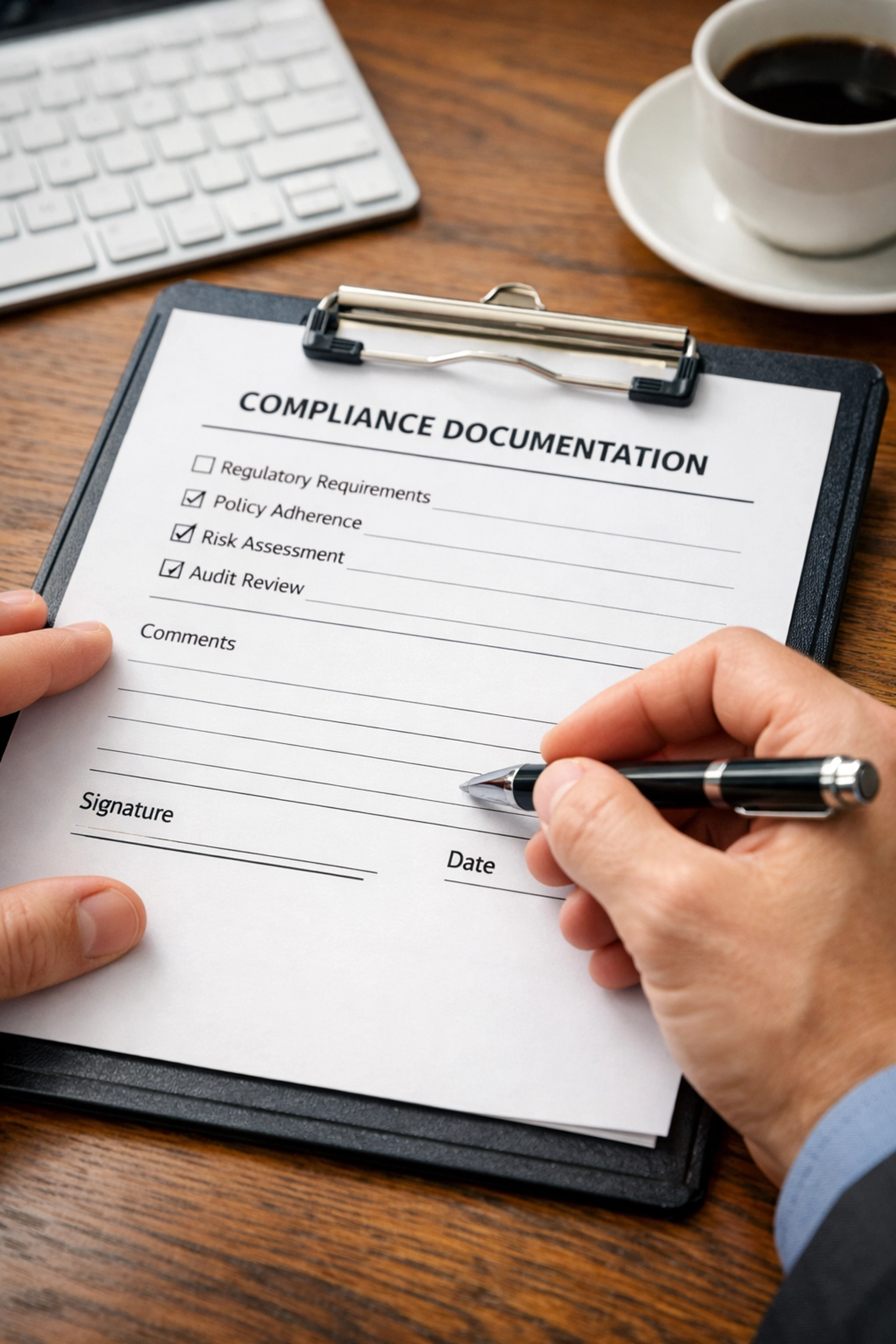
Proper documentation supports both WSLCB compliance and insurance coverage requirements. Your business must maintain comprehensive records of training completion, service protocols, and incident reports.
Insurance carriers require verification of MAST certification for all employees involved in alcohol service. These records demonstrate ongoing compliance with state training mandates. Regular documentation updates ensure continuous coverage protection.
Incident documentation proves essential when situations involve potential liability. Recording service refusals, customer interactions, and unusual circumstances provides evidence of responsible practices. This documentation supports your defense if coverage questions arise.
Your establishment should maintain written service policies that align with WSLCB regulations. These policies establish clear standards for identification verification, service limits, and intervention procedures. Insurance underwriters review these documented protocols during coverage evaluations.
Service Protocol Standards
Washington State regulations establish specific service standards that directly affect your liability exposure. Your insurance coverage requires adherence to these protocols.
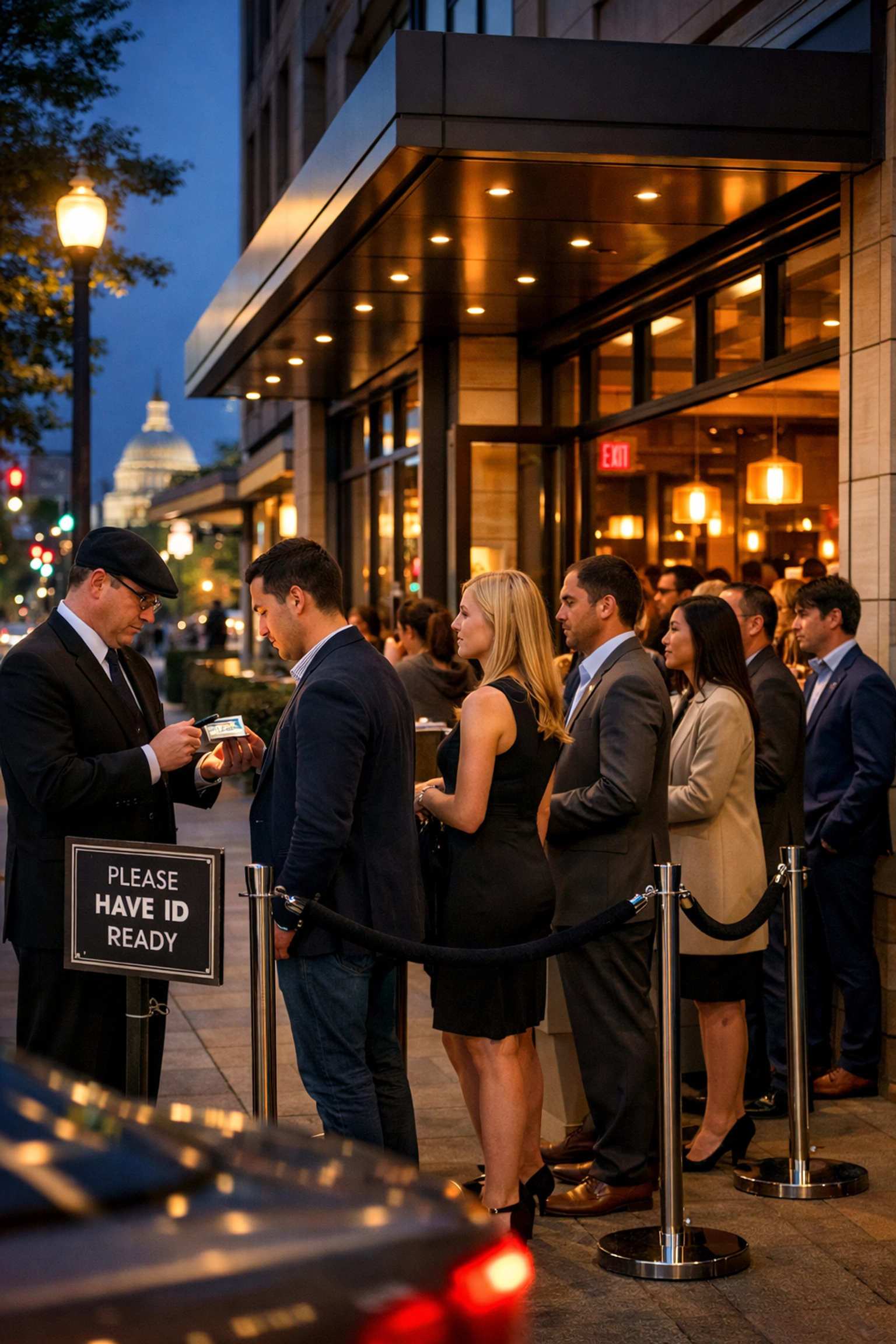
Identification verification procedures prevent underage service violations. Your policy expects documented processes for checking identification and verifying legal drinking age. Proper ID verification protocols reduce liability exposures and support compliance requirements.
Service refusal protocols protect your establishment from liability. Training staff to recognize intoxication signs and appropriately refuse service prevents potential incidents. Your liquor liability coverage expects these intervention practices.
Multi-Location Compliance Considerations
Businesses operating multiple Washington locations must maintain consistent compliance across all establishments. Each location requires proper licensing, trained staff, and documented service protocols.
Your insurance coverage extends to all licensed locations listed on your policy. Each site must meet identical training and compliance standards. Inconsistent practices at different locations create coverage complications and liability exposures.
Regional WSLCB offices conduct compliance checks across the state. Your multi-location business must demonstrate uniform adherence to service regulations at every establishment. Insurance coverage depends on maintaining these consistent standards.
Special Event Alcohol Service
Special events requiring alcohol service create unique compliance and coverage considerations. Temporary service situations demand attention to licensing requirements and liability protections.
Your standard liquor liability policy may require endorsements for special event coverage. These modifications extend protection to off-premises service situations and temporary events. Understanding coverage limitations for special events prevents gaps in protection.
WSLCB regulations require specific permits for special event alcohol service. Your insurance carrier needs notification of these events to ensure proper coverage. Documentation of event permits, staff training, and service protocols supports your compliance efforts.
Employee Training Documentation Systems
Implementing systematic training documentation processes supports both compliance and coverage requirements. Your business needs organized records of employee certifications, training completion dates, and renewal schedules.
Insurance carriers review these training systems during coverage applications and renewals. Comprehensive documentation demonstrates your commitment to responsible service practices. Well-organized training records simplify compliance verification and coverage confirmations.
Digital tracking systems help manage employee certifications across multiple staff members and locations. These tools provide automated reminders for certification renewals and training updates. Maintaining current certifications prevents coverage complications.
Violation Prevention Strategies
Proactive violation prevention protects your business from regulatory penalties and liability exposures. Your insurance coverage works best when supported by strong prevention protocols.
Regular compliance audits identify potential service violations before they occur. These internal reviews examine identification procedures, service practices, and documentation systems. Addressing issues proactively maintains your regulatory standing and coverage integrity.
Mystery shopper programs test your service protocols under real conditions. These evaluations reveal training gaps and procedural weaknesses. Correcting identified issues strengthens your overall compliance framework.
Integration with Business Operations
Liquor liability compliance integrates with your broader business insurance program. Your Business Owners Policy (BOP), general liability coverage, and liquor liability work together to provide comprehensive protection.
Understanding how these coverages interact prevents gaps in protection. General liability policies typically exclude liquor liability exposures. Separate liquor liability coverage addresses these specific risks. Coordinating these policies ensures complete protection for your alcohol service operations.
Your insurance program should reflect your complete operational scope. Establishments offering food service, entertainment, and alcohol need coordinated coverage addressing all business activities. Comprehensive protection supports your compliance efforts across all operational areas.
Working with Insurance Alliance LLC
Insurance Alliance LLC understands Washington State liquor compliance requirements and corresponding insurance needs. Our team helps restaurants and bars structure coverage that aligns with WSLCB regulations and operational requirements.
We provide guidance on documentation requirements, training verification, and policy conditions that support your compliance efforts. Our experience with Washington establishments ensures your coverage meets regulatory standards and protects your business assets.
Contact Insurance Alliance LLC to review your liquor liability coverage and ensure alignment with Washington State compliance requirements. Visit our restaurant insurance page to learn more about comprehensive protection for your establishment.
Proper insurance coverage supports your WSLCB compliance efforts and protects your business from liability exposures. Understanding these connections helps you maintain regulatory standards while managing operational risks effectively.


Comments