
The Ultimate Restaurant Insurance Checklist: Everything You Need to Pass Your 2025 Carrier Inspection
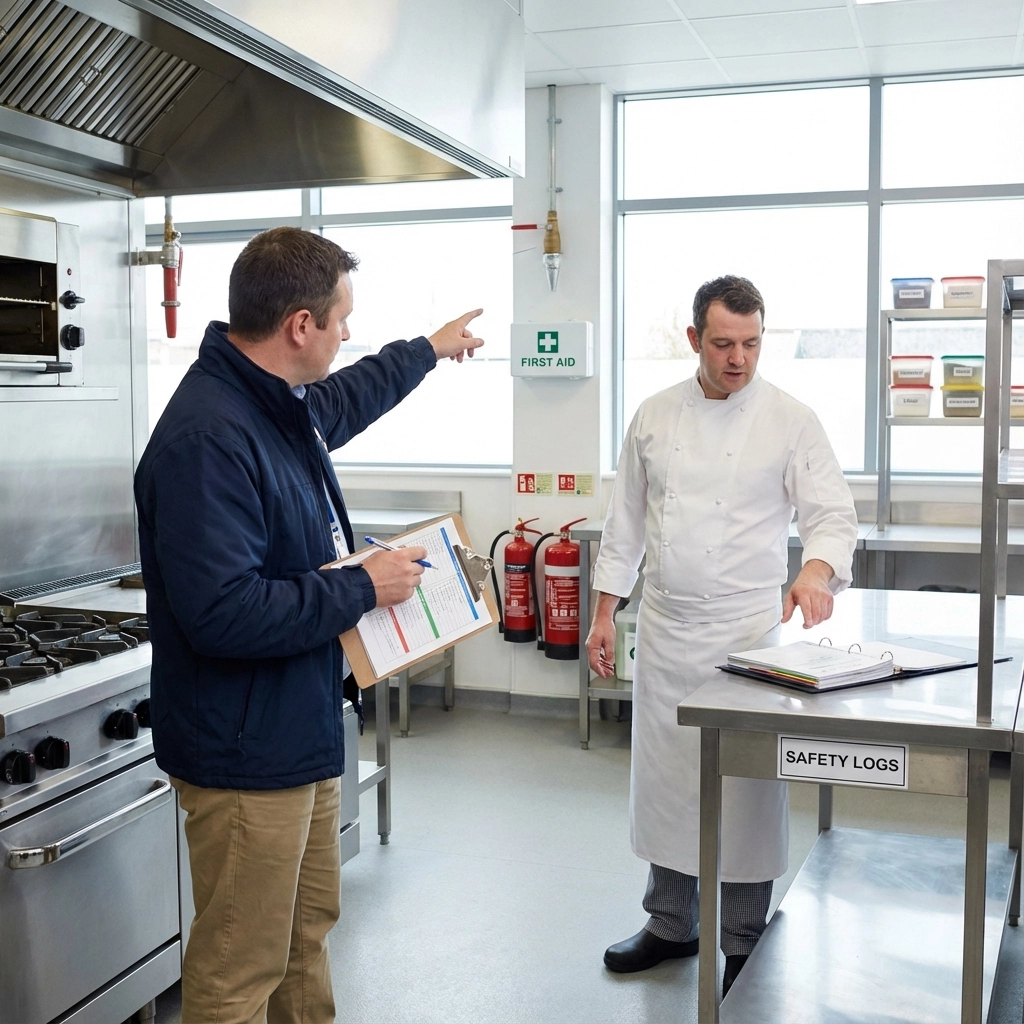
Restaurant insurance carrier inspections ensure your business maintains adequate protection and meets industry compliance standards. Proper preparation prevents coverage gaps and demonstrates your commitment to risk management best practices.
Essential Insurance Coverage Requirements
Your restaurant requires specific insurance policies to meet carrier inspection standards. General liability insurance protects against customer injuries and property damage claims. This coverage addresses slip and fall accidents, food contamination incidents, and third-party property damage occurring on your premises.
Business owner's policies combine property and liability coverage into comprehensive protection packages. These policies cover your building, equipment, inventory, and business personal property against fire, theft, vandalism, and weather-related damage.
Workers' compensation insurance covers employee injuries and work-related illnesses. This coverage provides medical benefits and wage replacement for injured staff members while protecting your business from workplace injury lawsuits.
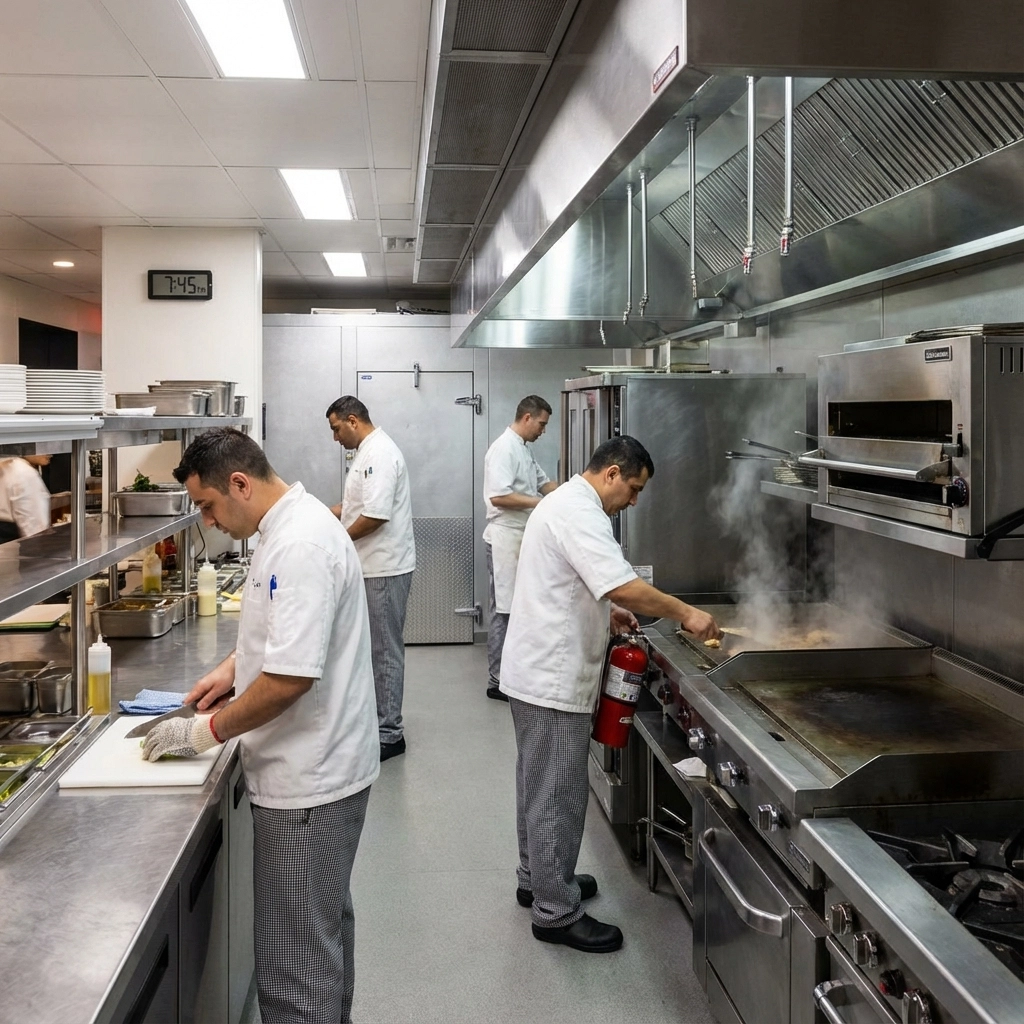
Equipment breakdown coverage protects against sudden mechanical failures of essential kitchen equipment. This protection covers repair costs and business income losses when refrigeration systems, ovens, or other critical equipment malfunctions unexpectedly.
Business interruption insurance recovers lost income during forced closures from covered events. This coverage maintains cash flow when fires, natural disasters, or other covered perils prevent normal business operations.
Liquor liability insurance becomes essential when serving alcoholic beverages. This protection covers claims arising from intoxicated patrons who cause injuries or property damage after leaving your establishment.
Policy Documentation and Limits Verification
Carrier inspections examine your policy documentation to ensure adequate coverage limits and proper terms. Coverage limits must provide sufficient protection for potential maximum judgments without being exhausted by single incidents.
Review policy conditions and requirements that maintain coverage effectiveness. These conditions include safety standards, maintenance schedules, and operational procedures your business must follow consistently.
Verify that current operations align with policy descriptions. Update coverage when adding delivery services, modifying menu offerings, or changing business models that affect risk exposure.
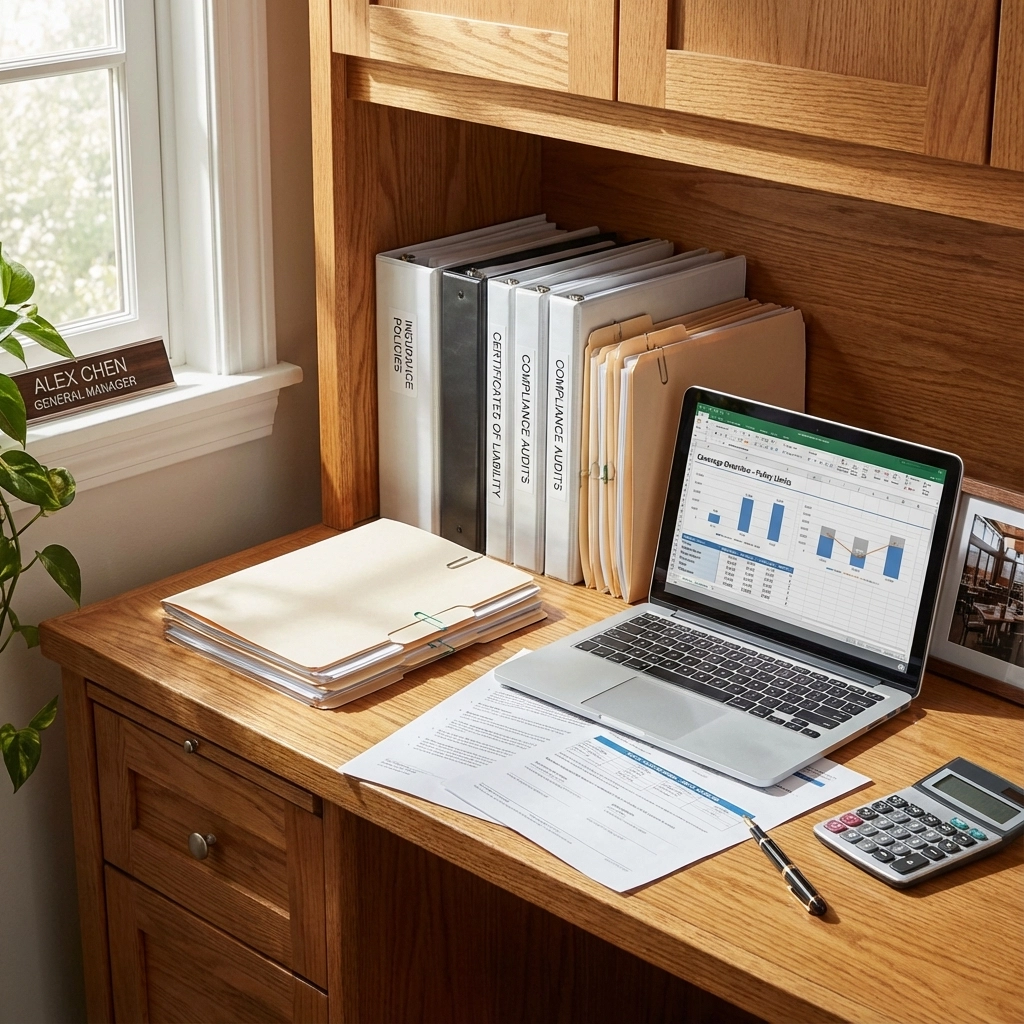
Umbrella insurance provides additional liability protection above standard policy limits. This coverage becomes valuable when potential claim amounts exceed primary policy limits or when multiple incidents occur within policy periods.
Risk Management Documentation Standards
Carriers evaluate proactive risk management efforts during inspections. Develop comprehensive risk management plans that identify potential hazards and establish prevention procedures for common restaurant incidents.
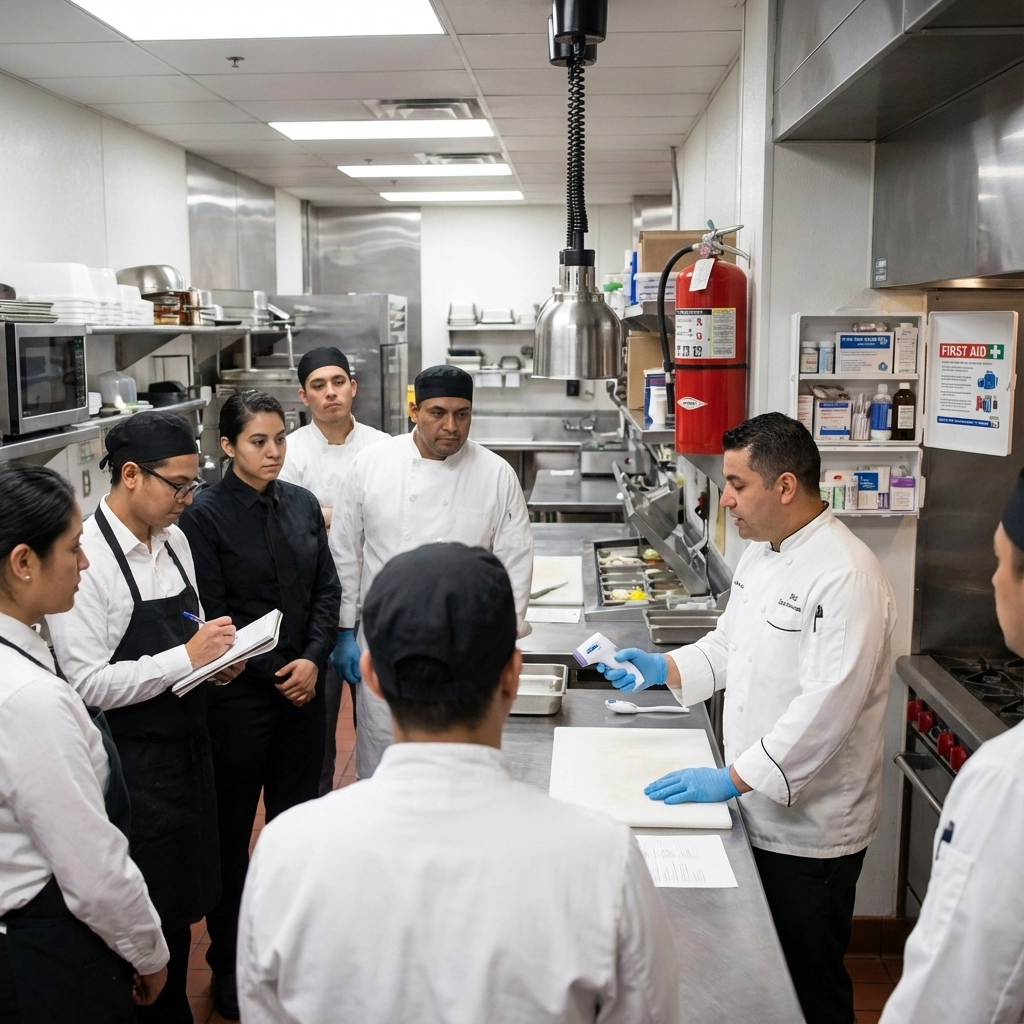
Document safety training programs for all employees. Maintain records of food safety certifications, equipment operation training, and emergency response procedures that reduce liability exposure.
Implement regular maintenance schedules for kitchen equipment, HVAC systems, and safety equipment. Document these maintenance activities with dated records and professional service reports.
Create incident reporting systems that track accidents, near-misses, and safety concerns. These records demonstrate ongoing attention to risk reduction and help identify areas requiring additional safety measures.
Compliance Requirements and Regulatory Standards
Restaurant operations require multiple licenses and permits that affect insurance coverage validity. Maintain current health department permits that demonstrate compliance with food safety regulations and sanitation standards.
Fire department permits confirm that your establishment meets fire safety requirements and evacuation procedures. These permits often require regular inspections and equipment maintenance documentation.
Building permits verify that structural modifications and equipment installations meet local building codes. Liquor licenses authorize alcohol service and require compliance with state beverage control regulations.
Food handler certifications for all staff members demonstrate commitment to food safety practices. These certifications reduce foodborne illness risks and support general liability coverage validity.
Technology and Data Protection Considerations
Modern restaurant operations rely heavily on technology systems that require specialized protection. Point-of-sale systems, online ordering platforms, and customer data storage create cyber liability exposures that traditional policies may not cover.
Document your data security measures and backup procedures for critical business information. Maintain records of software updates, security patches, and employee training on data protection practices.
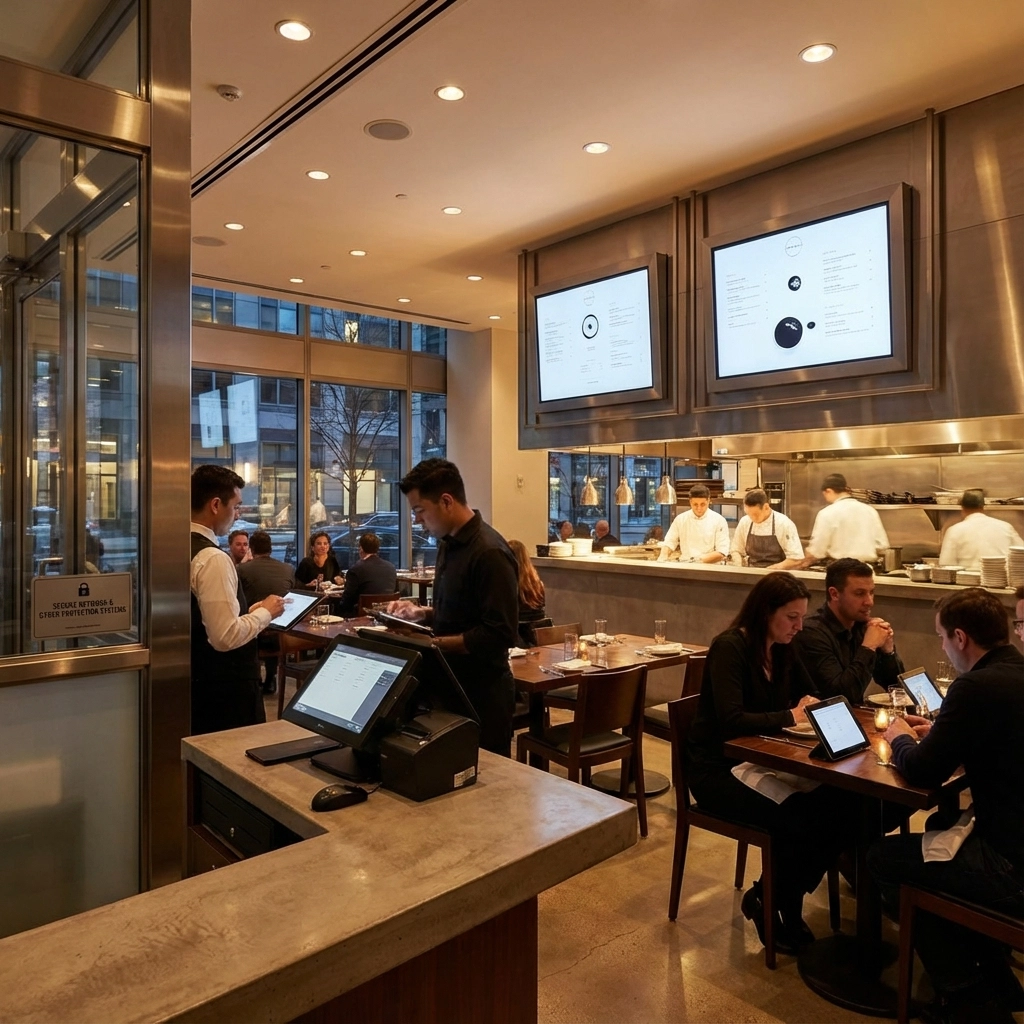
Consider cyber liability coverage for protection against data breaches, ransomware attacks, and payment processing interruptions. This coverage becomes increasingly important as restaurants adopt digital ordering and payment systems.
Inspection Preparation Timeline
Begin inspection preparation at least 30 days before scheduled carrier visits. Organize all policy documents, permits, and compliance records in easily accessible formats for inspector review.
Conduct internal safety audits using the same criteria insurance carriers apply during inspections. Address any deficiencies before the official inspection to avoid coverage concerns or policy modifications.
Schedule necessary equipment maintenance and safety system testing before inspection dates. Ensure fire suppression systems, security systems, and kitchen equipment operate properly and meet manufacturer specifications.
Review employee training records and conduct refresher sessions on safety procedures. Verify that all staff members understand emergency procedures and can demonstrate proper equipment operation techniques.
Ongoing Policy Maintenance
Schedule annual coverage reviews to ensure policies remain adequate for changing business needs. Evaluate new services, equipment additions, or operational changes that may require coverage adjustments.
Update employee counts and job classifications for workers' compensation coverage. Accurate payroll reporting ensures proper coverage and prevents audit issues that could affect policy renewals.
Monitor industry trends and emerging risks that may require additional coverage types. Stay informed about new liability exposures affecting restaurant operations through industry publications and insurance professional guidance.
Maintain regular communication with your insurance provider regarding business changes, claims history, and risk management improvements. This relationship supports ongoing coverage adequacy and helps identify potential coverage gaps before they become problems.
Professional Support and Guidance
Insurance brokers specializing in restaurant coverage understand industry-specific risks and regulatory requirements. These professionals help design coverage packages that meet carrier inspection standards while addressing unique business exposures.
Work with experienced agents who understand food service operations and can recommend appropriate coverage limits and policy features. Professional guidance ensures compliance with changing regulations and industry best practices.
Regular policy reviews with qualified insurance professionals help identify coverage gaps and recommend improvements before carrier inspections reveal deficiencies.
Restaurant insurance carrier inspections protect both your business and insurance providers by ensuring adequate coverage and proper risk management. Thorough preparation demonstrates your commitment to professional operations and helps maintain continuous coverage protection for your restaurant business.


Comments