
Summer Risk Matters: Why Your Business Owners Policy Needs a Pre-Season Safety Review
- marketing676641
- Mar 10
- 6 min read
Summer operations introduce unique environmental and operational challenges for business owners. Increased foot traffic, rising temperatures, and unpredictable weather patterns shift the risk profile of a commercial enterprise. A comprehensive pre-season safety review serves as a proactive strategy to maintain business continuity. Aligning physical safety measures with a robust business owners policy ensures that a company remains resilient throughout the peak season.
Understanding the Role of a Business Owners Policy in Summer
A business owners policy typically combines general liability and property insurance into one package. This structure provides a foundation for risk management. During the summer months, the physical assets covered under property insurance face increased exposure to heat and storm damage. Simultaneously, the liability portion must address the risks associated with higher customer volume and seasonal activities.
Reviewing coverage limits before the season begins is a fundamental business practice. Asset values fluctuate based on seasonal inventory increases or new equipment installations. Ensuring that the property insurance component of a business owners policy reflects current replacement values prevents gaps in protection.
Exterior Property Maintenance and Loss Prevention
Physical risk mitigation starts with the building exterior. Summer heat and humidity impact structural integrity over time. Regular inspections identify vulnerabilities before they escalate into significant property damage.
Roof and Gutter Integrity
Roof systems experience thermal expansion during high-temperature months. Inspect the roof for cracked shingles, damaged membranes, or ponding water. Ensure that all drainage systems remain clear of debris. Clogged gutters lead to water backup during sudden summer downpours, which often results in interior water damage. Property insurance covers the structure, but diligent maintenance prevents the occurrence of avoidable losses.
Landscaping and Vegetation Management
Dry conditions increase the risk of fire. Maintain a defensible space around the building by trimming back overhanging branches and clearing dead vegetation. Professional landscaping services help manage these risks effectively. For businesses in the green industry, specialized landscaping and hardscaping contractor insurance provides tailored coverage for these specific operational risks.
Parking Lot and Sidewalk Safety
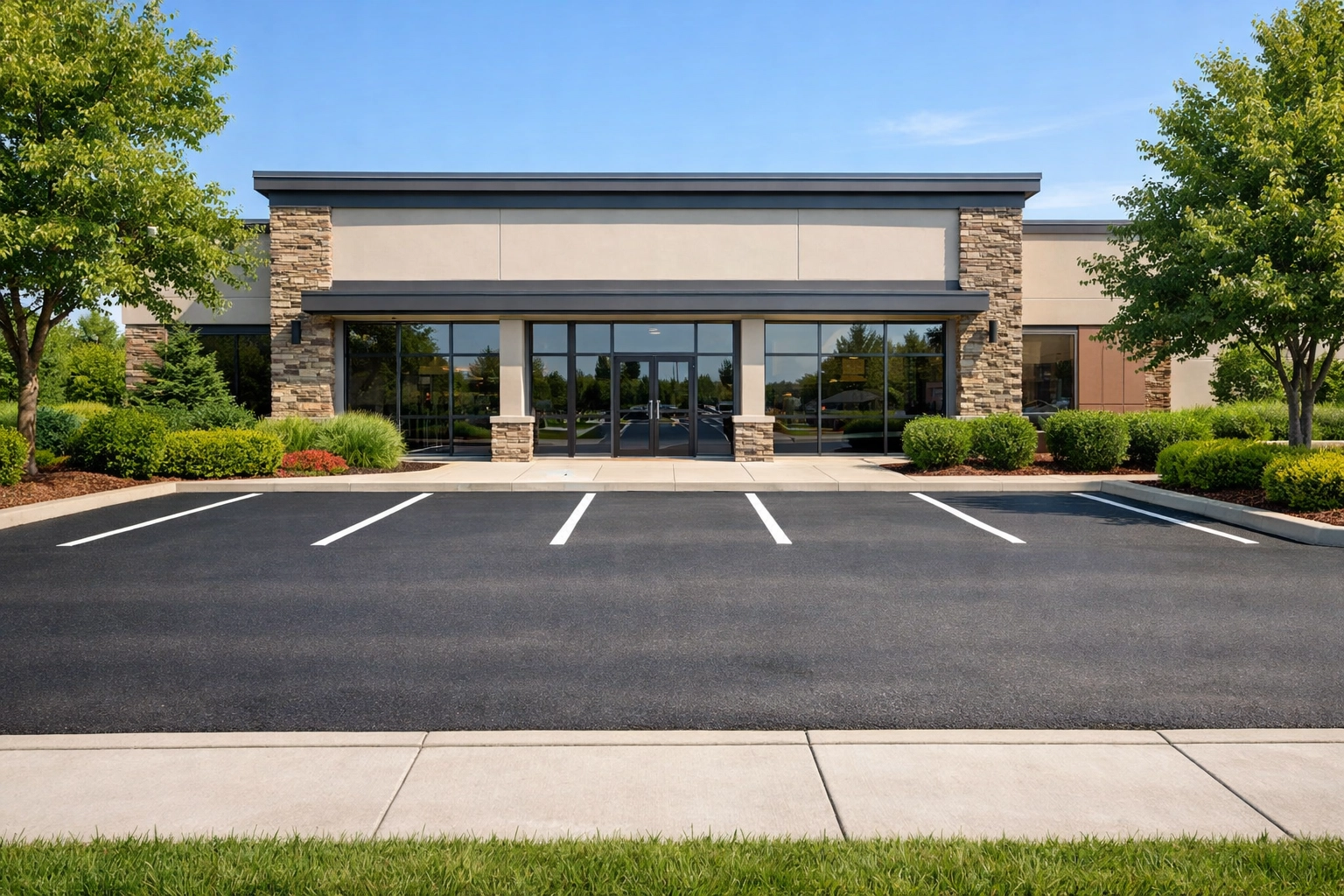
Increased summer traffic puts more pressure on paved surfaces. Inspect parking lots for potholes, cracks, or uneven pavement. These conditions are primary drivers of slip-and-fall incidents. Repainting faded parking lines and ensuring adequate lighting in outdoor areas improves safety for both customers and employees.
Storm Preparedness and Disaster Resilience
Summer weather is often characterized by sudden, severe storms. High winds, hail, and heavy rainfall pose direct threats to commercial property. A pre-season review must include a formal storm preparedness plan.
Securing Outdoor Assets
Restaurants with outdoor seating and retail stores with sidewalk displays must have protocols for securing loose items. High winds turn patio furniture and signage into projectiles. Restaurant insurance policies often cover outdoor property, but physical mitigation remains the best defense against damage.
Fenestration and Entryway Protection
Windows and glass doors are vulnerable points during windstorms. Evaluate the need for impact-resistant glass or storm shutters. Ensure that all seals are intact to prevent water intrusion. For businesses located in high-risk areas, supplemental flood insurance should be considered, as standard property insurance typically excludes rising water damage.
Backup Power and Systems Continuity
Power outages are common during summer storms and periods of high grid demand. Test backup generators and uninterruptible power supplies (UPS) regularly. Verify that critical systems, such as refrigeration units in restaurants or data servers in professional offices, are protected against power surges.
Industry-Specific Considerations for Summer
Different sectors face distinct risks during the warmer months. Tailoring a business owners policy to these specific needs ensures comprehensive protection.
Restaurant Insurance and Hospitality Risks
The food service industry sees a significant shift in operations during the summer. Patios open, and menus often change. Restaurant insurance must account for the increased liability of outdoor dining.
Kitchen Exhaust Systems: High-volume cooking increases grease buildup. Schedule professional cleaning for hoods and ducts to prevent kitchen fires.
Refrigeration Maintenance: Cooling systems work harder in the heat. Regular servicing prevents mechanical breakdown and food spoilage.
Patio Safety: Ensure that umbrellas are weighted properly and that walking paths remain clear of obstructions.
For establishments focusing on high-end service, fine dining restaurant insurance addresses the specific values associated with premium kitchen equipment and wine inventories. Smaller operations, such as cafes, should review their smoothie and coffee shop insurance to ensure coverage for seasonal equipment like industrial blenders and ice machines.
Professional and Healthcare Office Risks
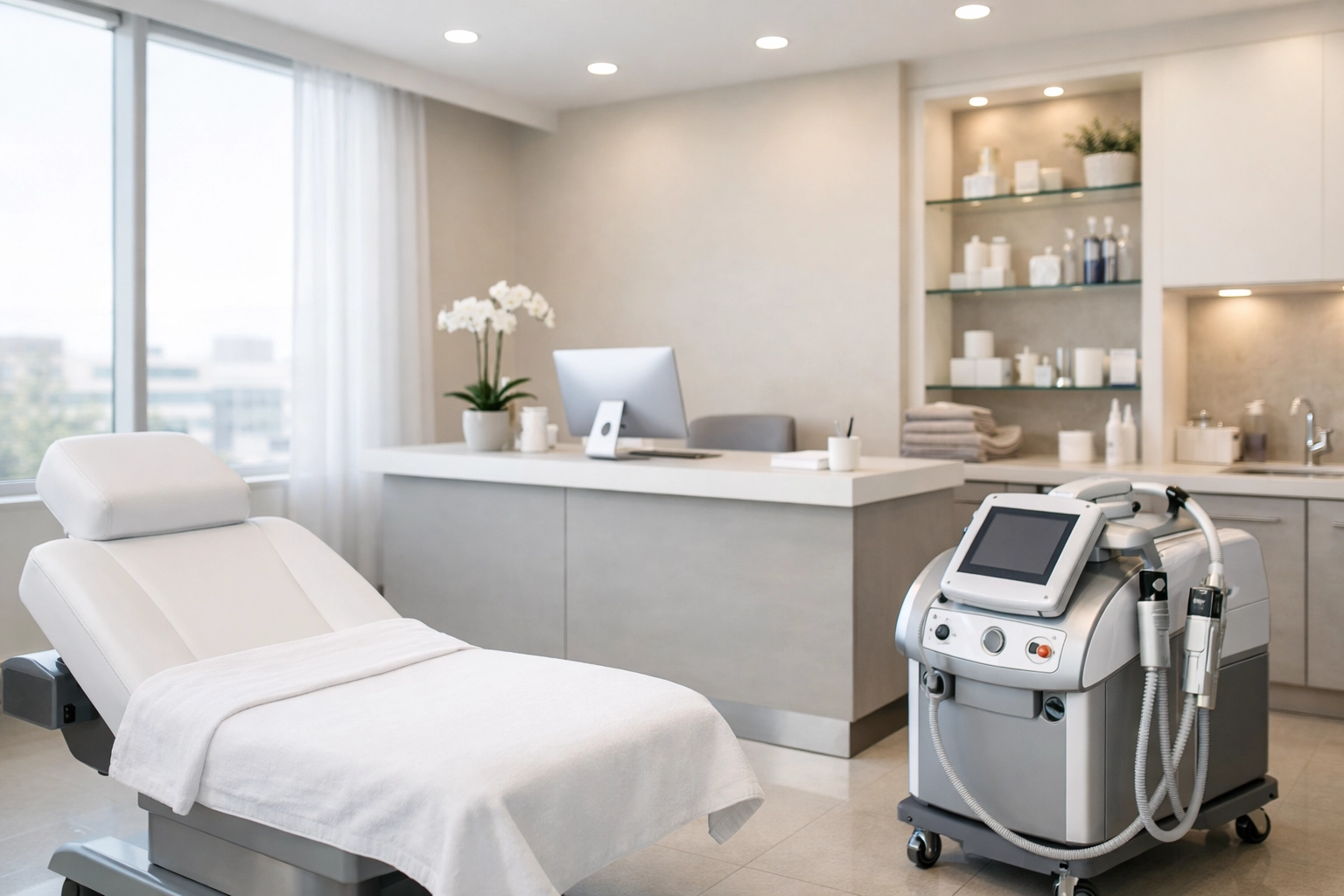
Offices may experience lower daily traffic but face risks related to environmental controls. Professional office insurance and healthcare office insurance should be reviewed to ensure that high-value medical or electronic equipment is protected from heat-related failures.
Dental Offices: Specialized dental office insurance covers sensitive diagnostic tools that require precise climate control.
Accounting and Bookkeeping: Summer is often a time for archiving. Ensure that physical records are stored in areas protected from potential water leaks or humidity damage. Reference accounting office insurance or bookkeeping office resources for specific guidance on protecting professional assets.
Interior Maintenance and Equipment Safety
Loss prevention extends to the interior of the building. Maintaining a controlled environment protects both the structure and the contents covered by property insurance.
HVAC System Optimization
Air conditioning units are the most stressed equipment during the summer. A mechanical failure during a heatwave can lead to business interruption. Replace filters, clean coils, and check refrigerant levels before the peak heat arrives. This proactive maintenance extends the life of the equipment and reduces the risk of electrical fires.
Fire Protection Systems
Ensure that fire extinguishers are fully charged and have undergone annual inspections. Test smoke detectors and fire suppression systems. In restaurants, the fire suppression system over the cooking line is a critical component of a family dining restaurant insurance risk profile.
Electrical System Load
The use of cooling fans, additional refrigeration, and air conditioning increases the load on electrical systems. Avoid the use of extension cords for permanent equipment. Inspect circuit breakers for signs of overheating or frequent tripping.
Managing Seasonal Staff and Liability
Many businesses hire seasonal employees to handle the summer surge. This change in the workforce requires a focus on training and safety protocols to mitigate liability risks.
Safety Training Programs
New employees must receive comprehensive training on equipment operation and safety procedures. Heat illness prevention is particularly important for staff working outdoors or in hot kitchens. Documenting this training demonstrates a commitment to workplace safety.
Adjusting Coverage for Increased Staff
Ensure that your business owners policy or standalone workers' compensation coverage reflects the increased number of employees. Accurate reporting of staff levels ensures that the business remains compliant with industry regulations.
Cybersecurity and Remote Work
Summer travel often leads to more employees working remotely. Secure VPNs and multi-factor authentication protect company data. Review the cyber liability components of your professional insurance to address the risks of data breaches during the vacation season.
Security and Theft Prevention
Higher foot traffic and longer daylight hours can impact the security profile of a business. Theft and burglary rates often fluctuate during the summer months.
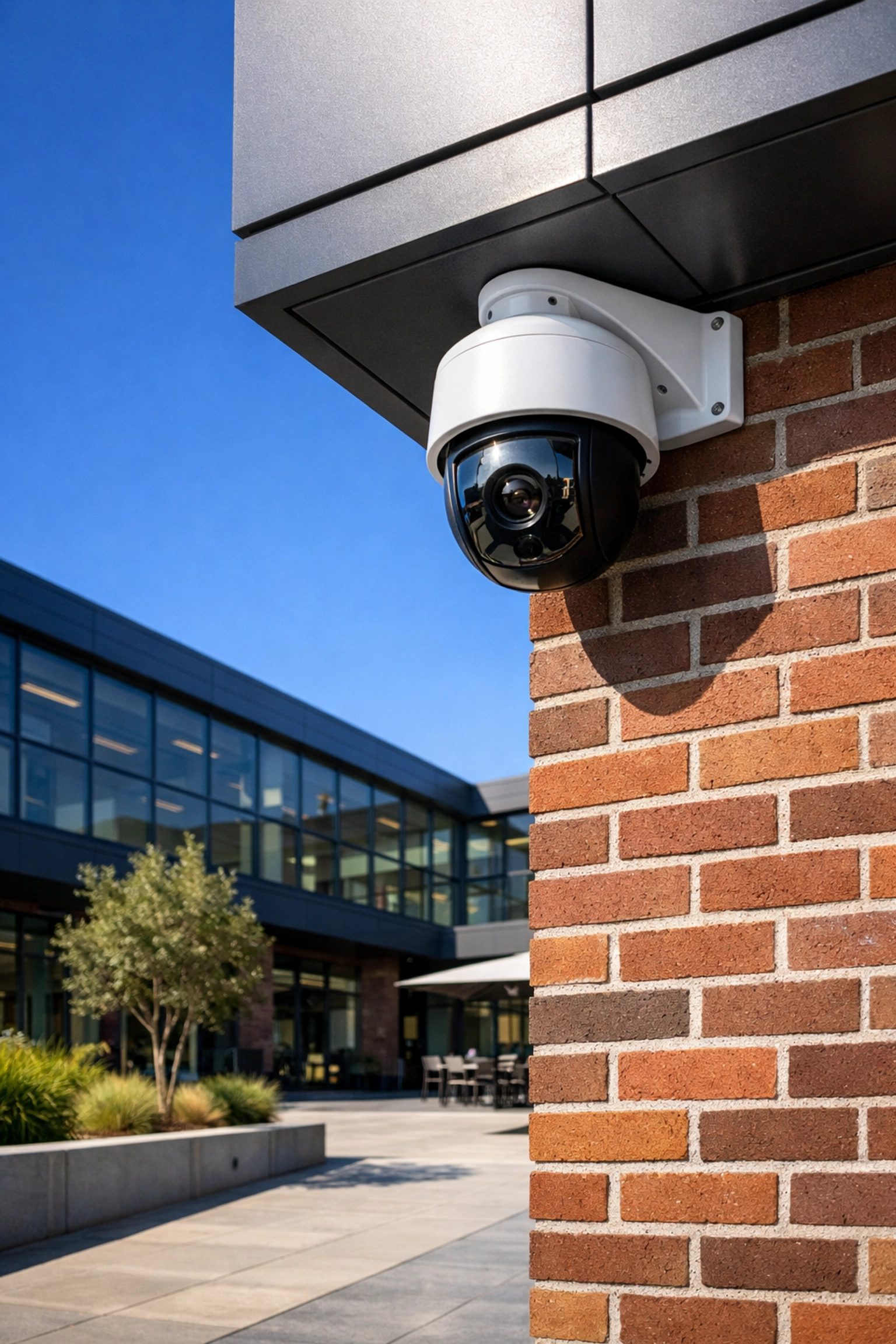
Surveillance Systems: Verify that all cameras are operational and that storage systems are recording correctly. Ensure that outdoor cameras have a clear line of sight, unobstructed by new summer foliage.
Access Control: Review who has keys or access codes. Seasonal staff turnover necessitates frequent updates to security permissions.
Inventory Management: High-value inventory should be secured and tracked. For businesses involved in construction or flooring, such as those with flooring contractor insurance, securing tools and materials at job sites is a priority.
Reviewing Coverage Limits for Peak Season
A business owners policy is only effective if the limits match the current exposure. Use the pre-season review to evaluate the following:
Business Interruption: If a storm forces a temporary closure, does the policy provide enough support to cover ongoing expenses?
Inventory Values: Retailers often stock up for summer sales. Ensure that property insurance limits cover the peak value of inventory on hand.
New Equipment: If the business invested in new technology or machinery over the winter, these items must be added to the policy schedule.
General contractors should also verify that their general contractor insurance accounts for the specific types of projects scheduled for the summer months, as risk profiles vary between indoor renovations and outdoor structural work.
Specialized Recreational Risks
For businesses that utilize specialized vehicles or equipment during the summer, standard commercial policies may need endorsements.
Recreational Vehicles: If a business uses ATVs or side-by-sides for tours or maintenance, side-by-side and ATV insurance is necessary.
Golf Carts: Facilities using carts for guest transport should review golf cart insurance options.
International Travel: Businesses operating near borders or sending employees on international assignments should consider Mexipass auto insurance for seamless cross-border vehicle coverage.
Conclusion: The Path to a Secure Summer
Preparation is the most effective tool for risk management. A thorough pre-season review of both the physical property and the business owners policy ensures that a company is ready for the demands of summer. By focusing on maintenance, storm preparedness, and accurate coverage limits, business owners can focus on growth and customer service rather than crisis management.
Insurance Alliance LLC provides professional guidance for businesses looking to evaluate their summer risk exposure. Regular reviews of your insurance alliance blog can provide further insights into industry-specific safety standards. For personalized assistance with your property insurance or restaurant insurance needs, you can book online to schedule a consultation with our experienced team.
Ensuring your business is protected involves more than just holding a policy; it requires active participation in loss prevention and safety management. Taking these steps today creates a safer environment for employees and customers throughout the season.
Insurance Alliance LLC Expert Guidance in Business and Property Insurance https://www.theinsalliance.com/


Comments