
Do You Really Need Commercial Auto for Delivery? Here’s the Truth About Your Restaurant’s Liability
Restaurant operations have evolved significantly over the last decade. The shift toward delivery-centric models has created new revenue streams but has also introduced complex legal exposures. Many restaurant owners operate under the assumption that their existing insurance portfolio or their employees' personal coverage is sufficient to manage the risks associated with delivery. This assumption often proves incorrect during a legal dispute or a significant accident.
Understanding the distinction between personal and commercial auto insurance is critical for any establishment offering delivery services. Whether you operate a family dining restaurant or a high-volume quick-service establishment, the liability associated with vehicles on the road is one of the most significant threats to your business's financial stability.
The Limitation of Personal Auto Insurance Policies
A standard personal auto insurance policy is a contract between an individual and an insurance carrier designed for personal use. This includes commuting to work, running personal errands, and recreational travel. These policies are not rated for the increased frequency and risk profile associated with commercial delivery.
The Business Use Exclusion
Almost every personal auto insurance policy contains a "business use" or "delivery for a fee" exclusion. This language is explicit and absolute. When a driver uses their vehicle to deliver food: whether it is pizza, sushi, or gourmet meals: they are engaging in a commercial activity. If an accident occurs while the driver is "on the clock" or performing a delivery, the personal insurance carrier has the legal right to deny the claim.
When a claim is denied at the personal level, the liability does not disappear. Instead, the financial responsibility shifts. The driver is left without coverage for their own vehicle and, more importantly, the injured third party will look toward the restaurant entity for compensation. Without proper commercial auto insurance, the restaurant must defend itself and pay potential settlements out of its own capital reserves.
Material Misrepresentation
If an employee fails to notify their personal insurance carrier that they are using their vehicle for delivery, it may be considered a material misrepresentation. This can lead to the immediate cancellation of the policy. For a restaurant owner, relying on an unendorsed personal policy is a high-risk strategy that offers no guaranteed protection in the event of a catastrophic accident.
Defining Commercial Auto Insurance for Restaurants
Commercial auto insurance is a specialized policy designed to cover vehicles used for business purposes. These policies provide higher liability limits than personal insurance and are structured to account for the unique risks of the food service industry.
Liability Coverage
Liability is the core component of commercial auto coverage. It protects the business if a company-owned vehicle or an employee-driven vehicle causes bodily injury or property damage to others. In the context of restaurant insurance, liability protection ensures that the business can survive a lawsuit resulting from a multi-vehicle accident or a pedestrian injury.
Physical Damage Coverage
While liability focuses on the damage caused to others, physical damage coverage addresses the repair or replacement of the business's own vehicles. This includes collision coverage and comprehensive coverage (covering non-collision events such as theft, vandalism, or falling objects).
The Role of Hired and Non-Owned Auto (HNOA) Insurance
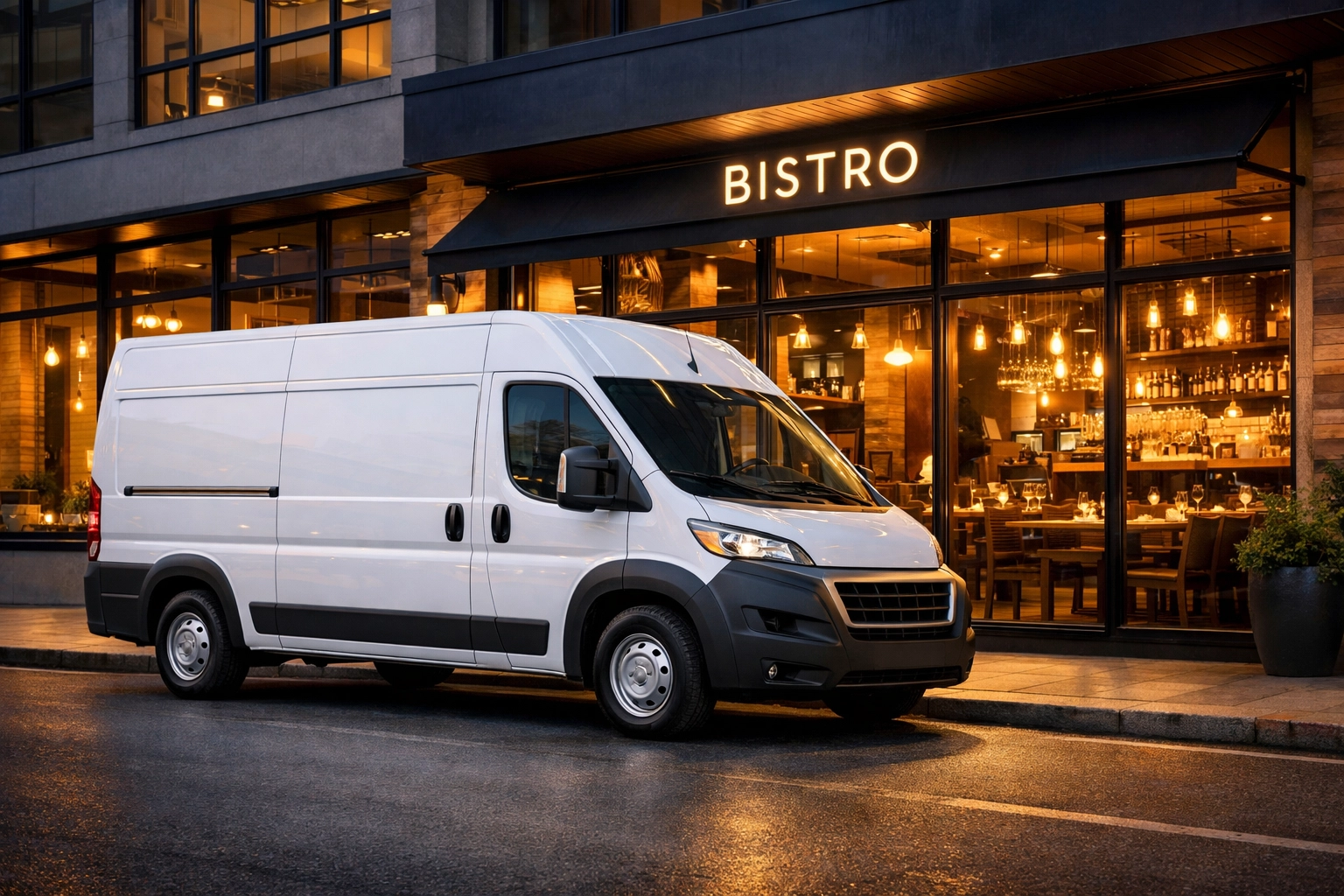
Many restaurants do not own a fleet of vehicles. Instead, they rely on employees to use their personal cars for deliveries. This creates a specific gap in coverage that standard restaurant insurance policies do not automatically address. The solution is Hired and Non-Owned Auto (HNOA) insurance.
Non-Owned Auto Coverage
Non-owned auto coverage protects the restaurant entity when employees use their personal vehicles for business tasks. This includes delivering food, picking up supplies from a wholesaler, or driving to the bank for deposits. If an employee causes an accident while performing these duties, the non-owned auto policy provides excess liability protection for the restaurant.
It is important to note that HNOA does not protect the employee’s vehicle. The employee’s personal policy remains primary for their own car’s physical damage, assuming their policy allows for business use. The HNOA policy is specifically designed to protect the restaurant from being sued as the employer.
Hired Auto Coverage
Hired auto coverage applies to vehicles the restaurant leases, hires, rents, or borrows. This is useful for seasonal surges where extra delivery capacity is needed or when a restaurant rents a van for a large catering event. Like non-owned coverage, this focuses on the liability of the business entity.
For businesses like a smoothie or coffee shop that might only offer occasional catering or delivery, HNOA is an essential component of a risk management strategy. It ensures that the business is not left defenseless due to an employee's driving error.
The Doctrine of Vicarious Liability
The legal concept of "Respondeat Superior," or vicarious liability, is why restaurants need robust auto coverage. This doctrine states that an employer is liable for the actions of its employees if those actions occur within the scope of their employment.
If a delivery driver is rushing to meet a delivery deadline and causes an accident, the law views the driver as an agent of the restaurant. Because the restaurant is the entity profiting from the delivery service, it bears the legal responsibility for the risks associated with that service.
Scope of Employment
The legal definition of "scope of employment" is broad. It generally includes any activity that benefits the employer. For a delivery driver, this starts the moment they leave the restaurant with an order and ends when they return or complete their shift. Even a "minor detour" for personal reasons during a delivery route can sometimes fall under the restaurant's liability, depending on the jurisdiction and the specific facts of the case.
The "Deep Pocket" Strategy
In litigation, plaintiffs' attorneys often target the business entity rather than the individual driver. This is known as the "deep pocket" strategy. Businesses are perceived to have more assets and higher insurance limits than individual drivers. Without a dedicated commercial policy, a restaurant is an exposed target for significant legal judgments.
Why General Liability is Not Enough
A common misconception among restaurant owners is that their General Liability (GL) policy covers auto accidents. Standard GL policies specifically exclude "auto-related" incidents. General liability is designed to cover "slip and fall" accidents on the premises, foodborne illness claims, or advertising injuries.
To protect against vehicle-related risks, a restaurant must either add an endorsement for Hired and Non-Owned Auto to their Business Owner’s Policy (BOP) or purchase a standalone commercial auto insurance policy. Relying on a GL policy for a delivery accident will result in a coverage gap that could be fatal to the business.
Risks Specific to Delivery Operations
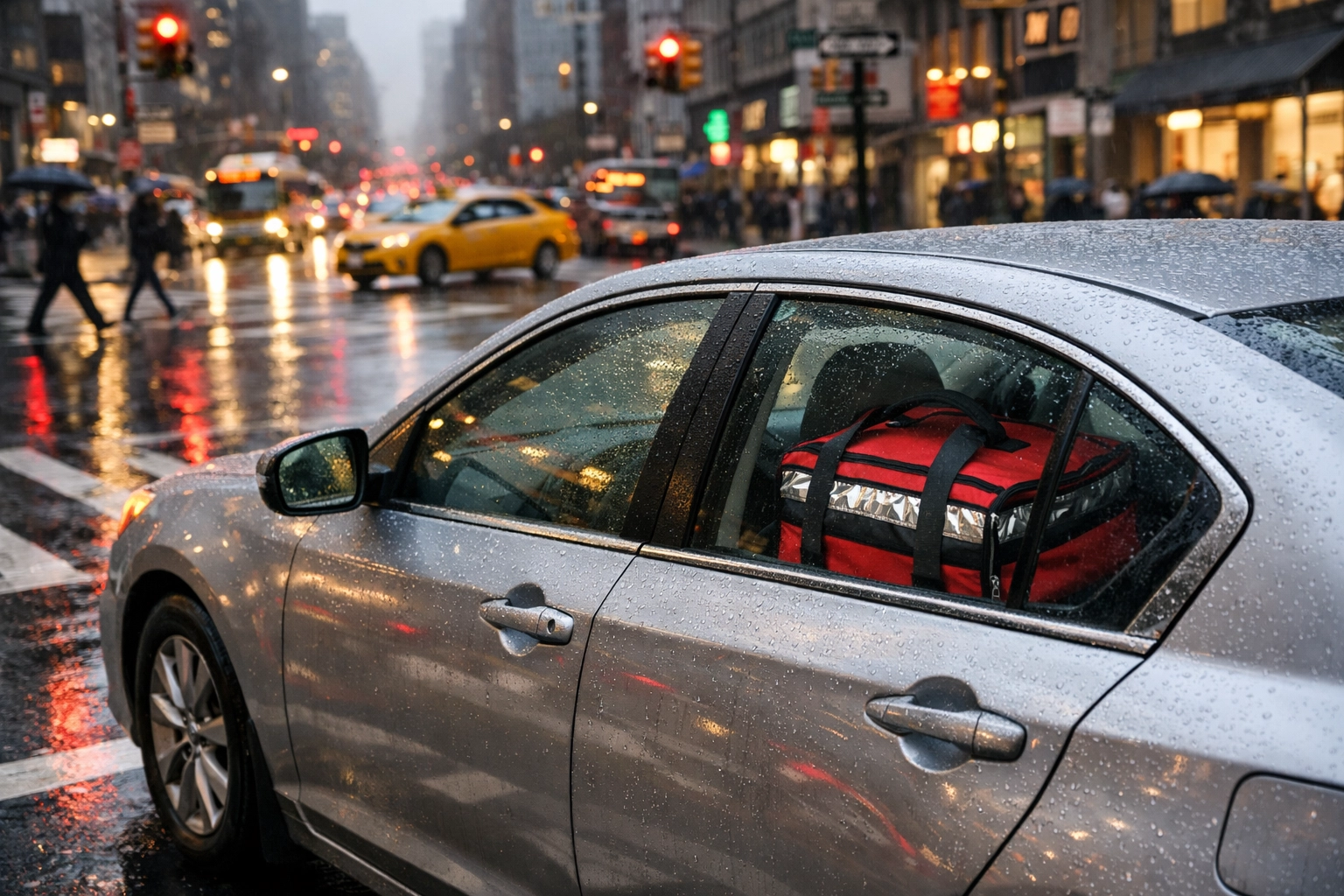
Delivery operations carry higher risks than traditional restaurant activities. Several factors contribute to this increased exposure:
Time Pressure: The demand for fast delivery can lead to aggressive driving, speeding, and failure to yield.
Distracted Driving: Drivers often use GPS devices or mobile apps to manage orders while driving, increasing the likelihood of a collision.
Variable Conditions: Delivery occurs in all weather conditions and at all times of the day, including high-traffic periods and late-night shifts.
Driver Turnover: High turnover in the delivery sector means that new, potentially inexperienced drivers are frequently entering the fleet.
For establishments such as fine dining restaurants that have recently added delivery to their service model, these risks may be unfamiliar. The transition from table service to mobile service requires a corresponding transition in insurance coverage.
Third-Party Delivery Apps vs. In-House Delivery
Many restaurants use third-party platforms like UberEats, DoorDash, or Grubhub to handle deliveries. While these platforms often provide some level of insurance, the protection is not absolute for the restaurant.
Contractual Obligations
The contracts between restaurants and third-party delivery services are complex. They often include indemnification clauses that attempt to shift liability away from the platform and onto the restaurant. It is essential for restaurant owners to review these contracts and ensure their restaurant insurance program aligns with their contractual obligations.
The Gap in Third-Party Coverage
There are scenarios where a third-party driver may not be fully covered by the platform's insurance, or the platform may attempt to subrogate a claim back to the restaurant. Maintaining your own HNOA or commercial auto policy provides a secondary layer of defense, ensuring that your business is protected regardless of the third party's insurance status.
Risk Management and Mitigation Strategies
While insurance is the primary method of risk transfer, active risk management can reduce the frequency and severity of accidents. Insurance Alliance LLC recommends the following protocols:
Driver Screening and MVR Checks
Before allowing an employee to deliver, the restaurant should conduct a Motor Vehicle Record (MVR) check. Drivers with a history of multiple moving violations, DUIs, or major accidents should not be permitted to drive for the business. Consistent screening demonstrates to insurance carriers that the restaurant is committed to safety.
Vehicle Maintenance Standards
If employees use their own vehicles, the restaurant should implement a minimum vehicle maintenance standard. This includes verifying that tires are in good condition, brakes are functional, and all safety equipment is operational.
Safety Training
Providing basic safety training for delivery drivers can significantly impact the risk profile. This includes policies on mobile phone use, speed limits, and procedures for navigating difficult delivery environments.
Integrating Auto Coverage into Your Business Portfolio
The most effective way to manage delivery risks is to integrate commercial auto insurance or HNOA into a comprehensive insurance strategy. This strategy should address all potential points of failure within the business.
Property Protection: Covering the building and equipment.
Liability Protection: Covering the restaurant's actions and the actions of its staff.
Specialized Coverage: Addressing risks like flood insurance or earthquake insurance if the location is in a high-risk zone.
For business owners managing multiple types of commercial property, such as those also involved in professional office insurance or general contractor insurance, the principles of commercial auto remain the same: personal policies are never an adequate substitute for commercial-grade protection.

The Consequences of Underinsurance
The financial consequences of an uninsured delivery accident can be devastating. Beyond the immediate cost of legal defense, a restaurant may face:
Seizure of Assets: If a judgment exceeds the business's available cash, courts can order the seizure and sale of business assets, including equipment and property.
Brand Damage: A major accident involving a restaurant's delivery vehicle can result in negative publicity that damages the brand's reputation in the community.
Liquidation: In many cases, the total cost of an un-insured liability claim leads to the permanent closure of the business.
Ensuring Compliance with Industry Standards
Maintaining proper commercial auto insurance is not just about protection; it is about compliance. Many landlords and financial institutions require proof of adequate insurance, including auto liability, as a condition of a lease or a loan. Failure to maintain this coverage can result in a breach of contract, leading to eviction or the calling of a loan.
By working with Insurance Alliance LLC, restaurant owners can ensure they are meeting all industry standards and contractual requirements. We provide guidance on the necessary coverage limits and policy structures to keep your business compliant and protected.
Conclusion
The truth about restaurant liability in delivery is that the exposure is constant and significant. Relying on personal auto insurance for delivery tasks is a strategy that leaves the restaurant entity vulnerable to catastrophic loss. As delivery continues to be a cornerstone of the food service industry, the necessity for commercial auto insurance and Hired and Non-Owned Auto coverage cannot be overstated.
Protecting your business requires a proactive approach to risk. By securing the correct policies, you transfer the financial burden of accidents to the insurance carrier, allowing you to focus on operating your restaurant with confidence.
To learn more about how to protect your restaurant, visit our Insurance Alliance Blog or book an appointment online to discuss your specific coverage needs.
Insurance Alliance LLC Providing Professional Risk Solutions for the Restaurant Industry


Comments