
7 Mistakes You’re Making with Florida Property Damage Reporting (and How to Fix Them)
Florida property owners face a unique set of environmental challenges that threaten physical assets. Property damage from wind, water, and fire requires immediate and technical reporting to ensure asset protection. For business owners, particularly those in the hospitality sector, the reporting process is a critical component of risk mitigation. Errors in this process lead to significant delays and potential denials of coverage. Maintaining the integrity of your property insurance requires a disciplined approach to documentation and communication.
This guide outlines the seven most common mistakes made during property damage reporting in Florida and provides technical solutions for each.
1. Delayed Notification of Loss
The most frequent error is failing to report damage immediately. Most policies for property insurance contain provisions requiring "prompt notice" or notice "as soon as practicable." In Florida, weather events can cause widespread damage, leading to a surge in reports. Waiting to notify your provider allows for the development of secondary damage, such as mold growth or structural degradation.
If you own a business, such as a restaurant, delay is even more hazardous. For those utilizing fine dining restaurant insurance, the complexity of the assets involved requires instant reporting.
How to Fix It:
Report the incident the same day it occurs or is discovered.
Log the date, time, and name of the representative you spoke with.
Request a reference or claim number immediately.
Follow up a verbal report with a written notification via email to create a verifiable paper trail.
2. Insufficient Photographic and Video Evidence
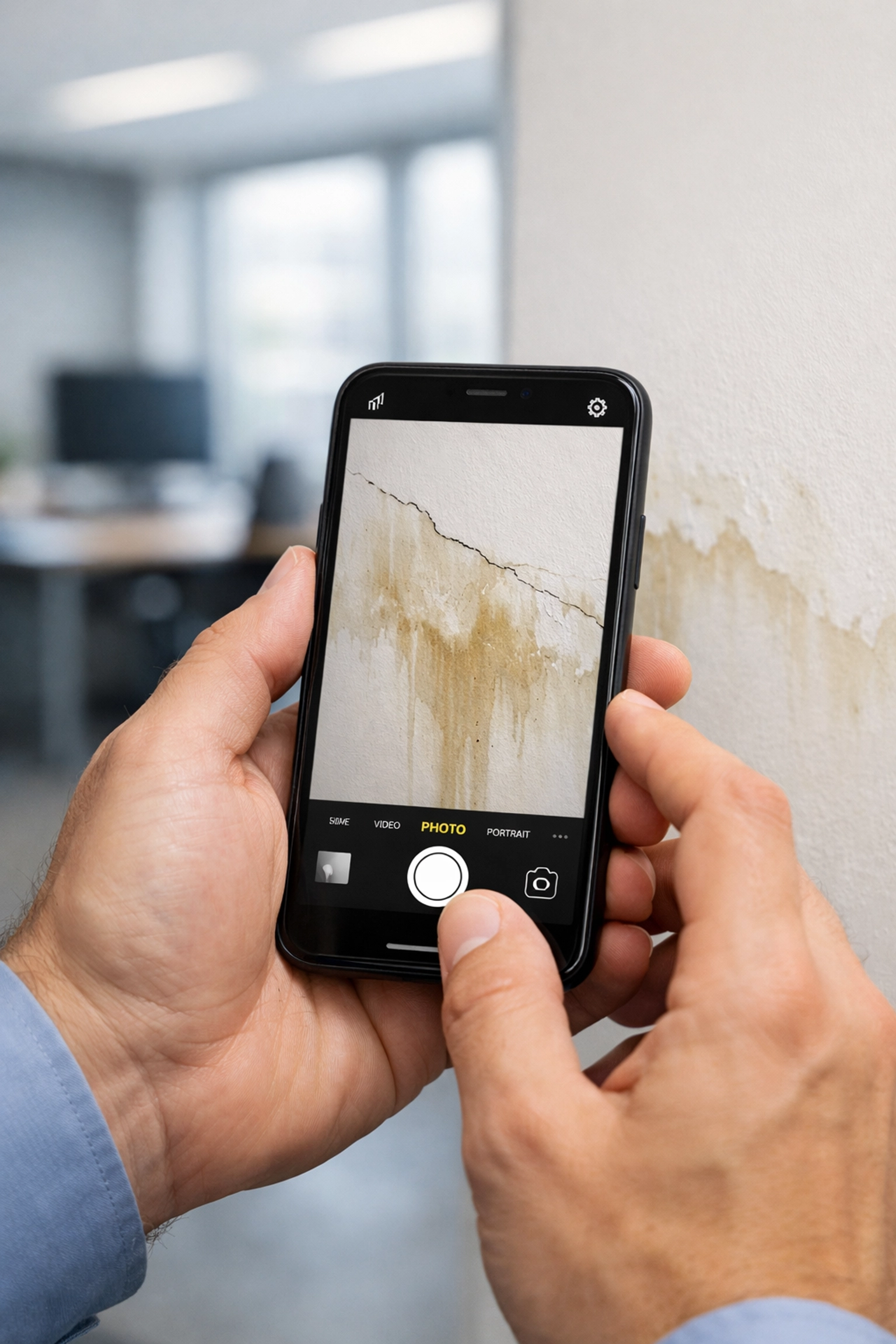
General photos of a damaged room are rarely sufficient for technical reporting. A common pitfall is failing to capture the scale and specific details of the damage. For florida restaurant insurance holders, failing to document specialized kitchen equipment or walk-in coolers in detail can lead to valuation disputes.
Documentation must prove the condition of the asset before and after the event. Without high-resolution, date-stamped imagery, the burden of proof becomes difficult to meet.
How to Fix It:
Use a high-resolution camera with a flash to capture details in dark areas.
Record a continuous video walkthrough of the entire property, including undamaged areas for context.
Capture wide-angle shots to show the location of the damage within the structure.
Take close-up photos of serial numbers on appliances and industrial equipment.
Include a reference object, such as a ruler, to show the size of cracks or the depth of water.
3. Making Permanent Repairs Before Inspection
Business owners often feel the urge to repair damage immediately to resume operations. However, making permanent repairs or discarding damaged materials before an inspection is a major reporting error. This action destroys evidence. If the insurance representative cannot verify the original extent of the damage, they may deny that specific portion of the report.
This is particularly relevant for those with general contractor insurance. Contractors must understand that their own property or the property they are working on must remain in its damaged state until authorized for repair.
How to Fix It:
Perform only "temporary emergency repairs" necessary to prevent further damage.
Cover broken windows with plywood or place tarps over roof leaks.
Keep every piece of damaged material on-site until it has been inspected.
Save all receipts and invoices for materials used in temporary mitigation.
Do not sign any permanent repair contracts until the initial inspection is complete.
4. Inaccurate and Incomplete Asset Inventories
A vague list of "damaged kitchen equipment" is insufficient for a professional reporting standard. Florida property owners often fail to maintain a pre-loss inventory, making it impossible to accurately report what was lost. For florida restaurant insurance, this inventory should include everything from point-of-sale systems to specialized refrigeration units.
How to Fix It:
Maintain a digital cloud-based inventory of all physical assets.
Include the make, model, year of purchase, and serial number for every item.
Store copies of original purchase receipts and maintenance logs.
For hospitality businesses, see the specific requirements for family dining restaurant insurance to ensure all commercial-grade assets are listed.
Update this inventory annually or whenever new equipment is acquired.
5. Failing to Document Indirect Damage and "Hidden" Issues
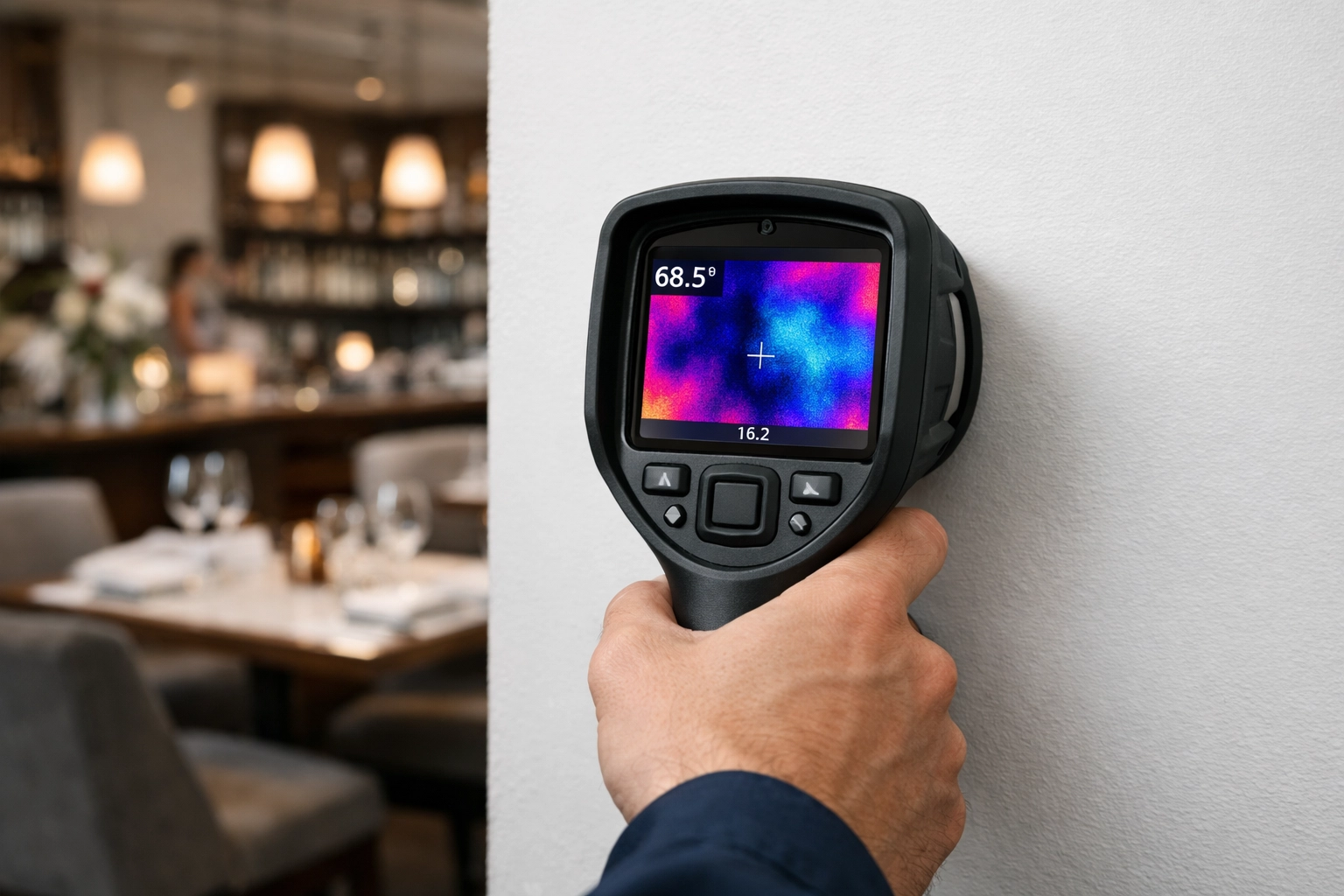
Property damage is not always visible to the naked eye. Florida’s humidity and heat can cause rapid deterioration behind walls or under flooring following a water event. Many policyholders report only the obvious surface damage. This leads to long-term structural issues that are no longer covered because they were not part of the initial report.
This mistake often impacts general liability profiles. If structural damage is ignored and later causes an injury to a customer or employee, the business faces significant risk.
How to Fix It:
Hire a professional to conduct moisture mapping and thermal imaging.
Inspect HVAC systems for particulate matter or water intrusion after a storm.
Check for structural shifting or foundation cracks that may appear days after an event.
Document "smoke odors" or "damp smells" even if no fire or water is visible.
6. Inconsistent Communication and Narrative
Discrepancies in how the damage is described can cause significant issues. If the verbal description given to an adjuster differs from the written report, it flags the file for further scrutiny. Technical reporting requires a consistent narrative of the cause of loss and the resulting damage.
How to Fix It:
Appoint one single point of contact within your organization to handle all communications.
Keep a "claim diary" that logs every interaction, including dates, names, and summaries of conversations.
Stick to the facts of what happened; avoid speculation about the cause until professionals provide an assessment.
Verify that all written statements align with the photographic evidence.
7. Ignoring Policy-Specific Reporting Deadlines and Endorsements
Every property insurance policy has different requirements. Some endorsements, like those for flood insurance, have very specific reporting windows that are shorter than standard fire or wind policies. Assuming all damage falls under one general reporting standard is a critical mistake.
How to Fix It:
Review your specific policy declarations page immediately following a loss.
Identify specific sub-limits and reporting requirements for items like "spoilage" or "equipment breakdown."
If your property includes unique features, ensure you follow the reporting guidelines for specialized coverage, such as landscaping and hardscaping contractor insurance for outdoor assets.
Technical Documentation Requirements for Restaurants
The hospitality industry faces rigorous documentation standards. When reporting damage under florida restaurant insurance, the focus must be on business-critical assets. A kitchen fire or a pipe burst in a dining area involves more than just structural repair.
Equipment and Spoilage
For owners of a smoothie or coffee shop, refrigeration failure is a primary risk. Reporting must include:
Temperature logs showing the moment of failure.
A detailed list of spoiled inventory with current market valuations.
Health department inspections or disposal certificates if required by local law.
General Liability Integration
Property damage often intersects with general liability. If a roof leak occurs in a public area, the reporting must reflect the steps taken to secure the area. Failure to document "caution" signs or area closures can create a liability gap if a third party is later injured.
The Role of Professional Estimates in Risk Mitigation
Relying solely on an initial assessment by an insurance representative is a mistake. To protect your assets, you must obtain independent, professional estimates for repair. This provides a technical benchmark to ensure the property is restored to its pre-loss condition.
For specialized properties, such as a dental office or a healthcare office, the estimates must come from contractors familiar with medical-grade build-outs. Standard residential contractors may not understand the technical requirements for lead-lined walls or specialized plumbing.
What an Estimate Should Include:
A line-item breakdown of materials and labor.
Technical specifications for replacement materials (ensuring "like kind and quality").
Permit fees and code upgrade requirements.
A clear timeline for restoration.

Maintaining the Paper Trail: A Checklist
To avoid the pitfalls of property damage reporting, use the following technical checklist for every incident:
Initial Report: Date, time, and method of notification.
Photo Evidence: Wide shots, medium shots, and close-ups with metadata (GPS/Time).
Inventory List: Itemized list with serial numbers and original receipts.
Mitigation Log: Detailed notes and receipts for temporary repairs.
Professional Estimates: At least two independent bids from licensed contractors.
Communication Log: A chronological list of all emails, calls, and site visits.
Policy Review: Identification of specific deadlines for "Proof of Loss" forms.
Asset Protection Through Proactive Reporting
Property damage reporting is not merely a clerical task; it is a vital part of your risk management strategy. In Florida, the environment is unforgiving, and the standards for documentation are high. By avoiding these seven mistakes, you ensure that your property insurance functions as intended: as a robust shield for your physical and financial assets.
For businesses ranging from accounting offices to flooring contractors, the accuracy of your report determines the speed of your recovery. Precision in documentation and promptness in action are the foundations of successful property restoration.
Insurance Alliance LLC provides expert guidance on risk mitigation and asset protection for Florida business owners. Our focus is on ensuring your coverage aligns with your operational risks and that you are prepared for the technical requirements of property management.
Insurance Alliance LLC Visit our Blog Book an Online Consultation


Comments