
Do You Really Need Commercial Auto for Delivery? Here’s the Truth About Your Restaurant’s Liability
- marketing676641
- Mar 5
- 5 min read
Restaurant operations have evolved to prioritize convenience and accessibility. For many establishments, offering delivery services is a standard component of the business model. This shift introduces specific risks regarding vehicle use and liability. Restaurant owners must determine whether their existing coverage is sufficient or if additional protections are necessary to manage the risks associated with delivery drivers.
The Risks of Personal Vehicle Use for Business
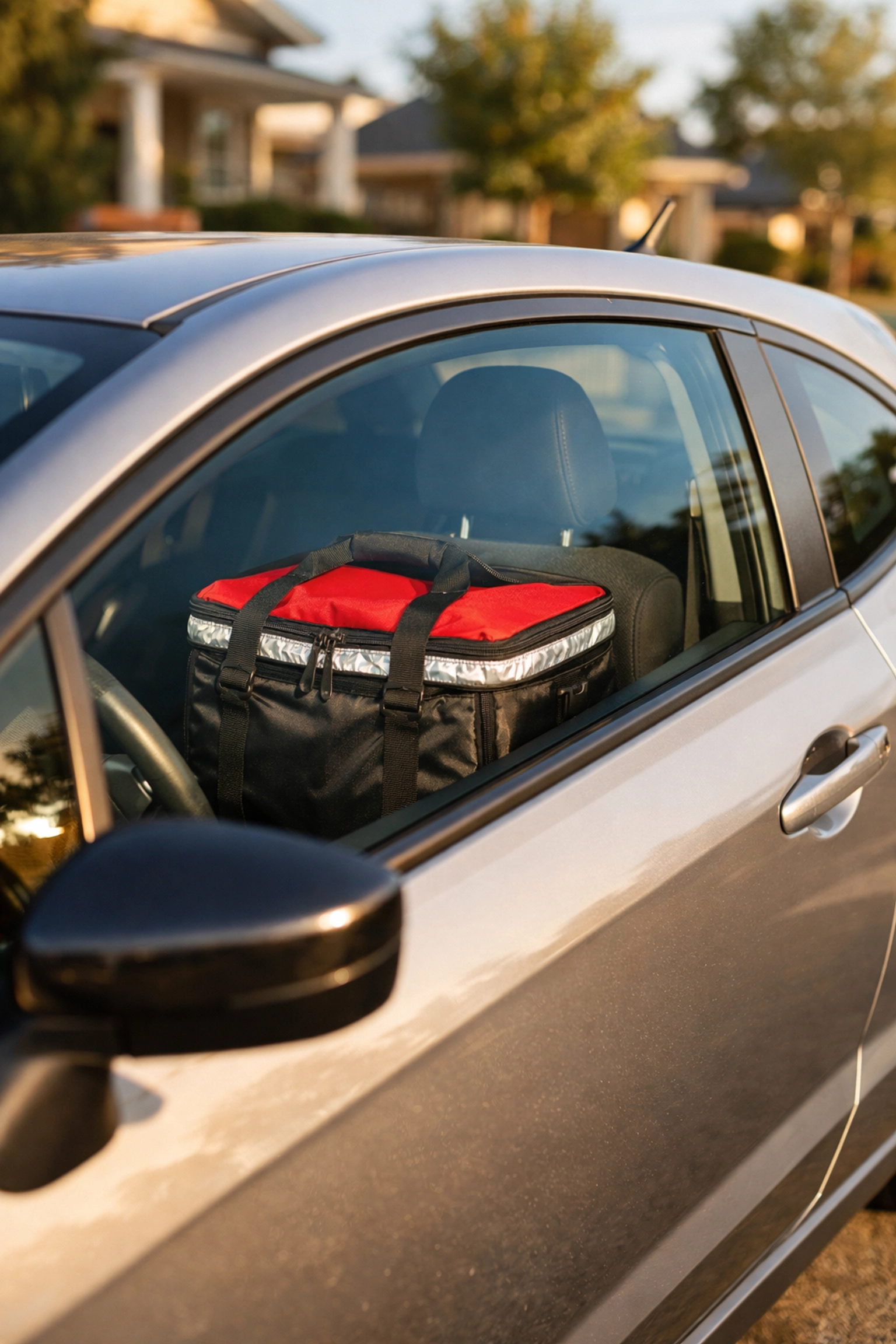
Many restaurants utilize employees who drive their own personal vehicles to complete deliveries. This arrangement appears efficient but creates significant liability gaps. A standard personal auto insurance policy is designed for commuting and personal errands. It is not intended to cover commercial activities such as food delivery.
When an employee uses a personal vehicle for business purposes, the personal auto policy typically includes a business use exclusion. If an accident occurs while the employee is delivering an order, the personal insurance carrier may deny the claim. This denial leaves the driver without coverage and exposes the restaurant to direct legal action.
Understanding Vicarious Liability
Vicarious liability is a legal doctrine that holds an employer responsible for the actions of its employees when those actions occur within the scope of employment. In the context of a restaurant, if a delivery driver causes an accident while on the clock, the restaurant is often named in any resulting lawsuits.
Third parties involved in an accident often seek damages from the business entity because the business typically has higher liability limits than an individual. Without the correct insurance structure, a restaurant's assets are at risk. Business owners must evaluate their restaurant insurance to ensure it addresses these specific scenarios.
Limitations of Personal Auto Policies
Personal auto policies are written based on the risk profile of an individual driver's personal habits. Delivering food involves frequent stops, time-sensitive routes, and increased time on the road, all of which elevate the risk profile beyond what personal insurers accept.
Exclusion Clauses: Most personal policies explicitly state that coverage does not apply when the vehicle is used for a fee or to transport goods for a business.
Coverage Denials: If a driver is involved in an incident during a delivery, the insurer may investigate the nature of the trip. Verification of delivery activity often leads to a full denial of the claim.
Primary vs. Excess Coverage: Even if a personal policy provides some level of protection, it is rarely enough to satisfy the requirements of a business-related lawsuit involving multiple parties or significant property damage.
The Role of Hired and Non-Owned Auto Insurance (HNOA)
For restaurants that do not own a fleet of delivery vehicles, Hired and Non-Owned Auto (HNOA) insurance is a critical component of risk management. This coverage provides liability protection for the business when employees use their own vehicles or when the business rents a vehicle for work purposes.
What HNOA Covers
HNOA insurance protects the business entity. If an employee causes an accident in their own car while delivering food, the employee's personal insurance remains the primary coverage (if the insurer allows the use). However, if that coverage is exhausted or denied, the HNOA policy provides liability protection for the restaurant. This includes:
Legal defense costs and attorney fees.
Settlements or judgments awarded to third parties.
Protection against bodily injury or property damage claims filed against the business.
What HNOA Does Not Cover
It is important to note that HNOA insurance does not cover the physical damage to the employee’s vehicle. The employee is still responsible for their own vehicle's repairs through their personal policy. Additionally, it does not cover injuries sustained by the employee; these are typically handled through workers' compensation.
When Full Commercial Auto Insurance is Required
While HNOA is suitable for many situations, some restaurants require a full commercial auto policy. This requirement usually depends on vehicle ownership and the frequency of use.
If the restaurant owns vehicles: such as branded delivery cars, vans, or trucks: a commercial auto policy is mandatory. Commercial auto policies offer broader protection, including:
Comprehensive Coverage: Protection against non-collision incidents such as theft, vandalism, or weather damage to company-owned vehicles.
Collision Coverage: Protection for repairs to the company vehicle after an accident.
Uninsured/Underinsured Motorist: Coverage for the business and the driver if they are hit by a party without sufficient insurance.
For businesses operating in various regions, maintaining multi-state restaurant management standards is essential for consistent coverage across all locations.
Risk Management Beyond Insurance
Securing the right policy is only one part of managing delivery risks. Restaurant owners should implement internal protocols to minimize the likelihood of incidents.
Motor Vehicle Record (MVR) Checks
Before allowing an employee to deliver, the business should review their driving history. An MVR check identifies past violations, accidents, and license suspensions. Establishing a standard for acceptable driving records helps ensure that only qualified individuals represent the business on the road.
Proof of Personal Insurance
Establishments should require delivery drivers to provide current proof of personal auto insurance. Owners should also encourage drivers to inform their personal insurance carriers that they are using the vehicle for business. Some personal insurers offer a "delivery endorsement" that helps bridge the gap between personal and business use.
Vehicle Safety Inspections
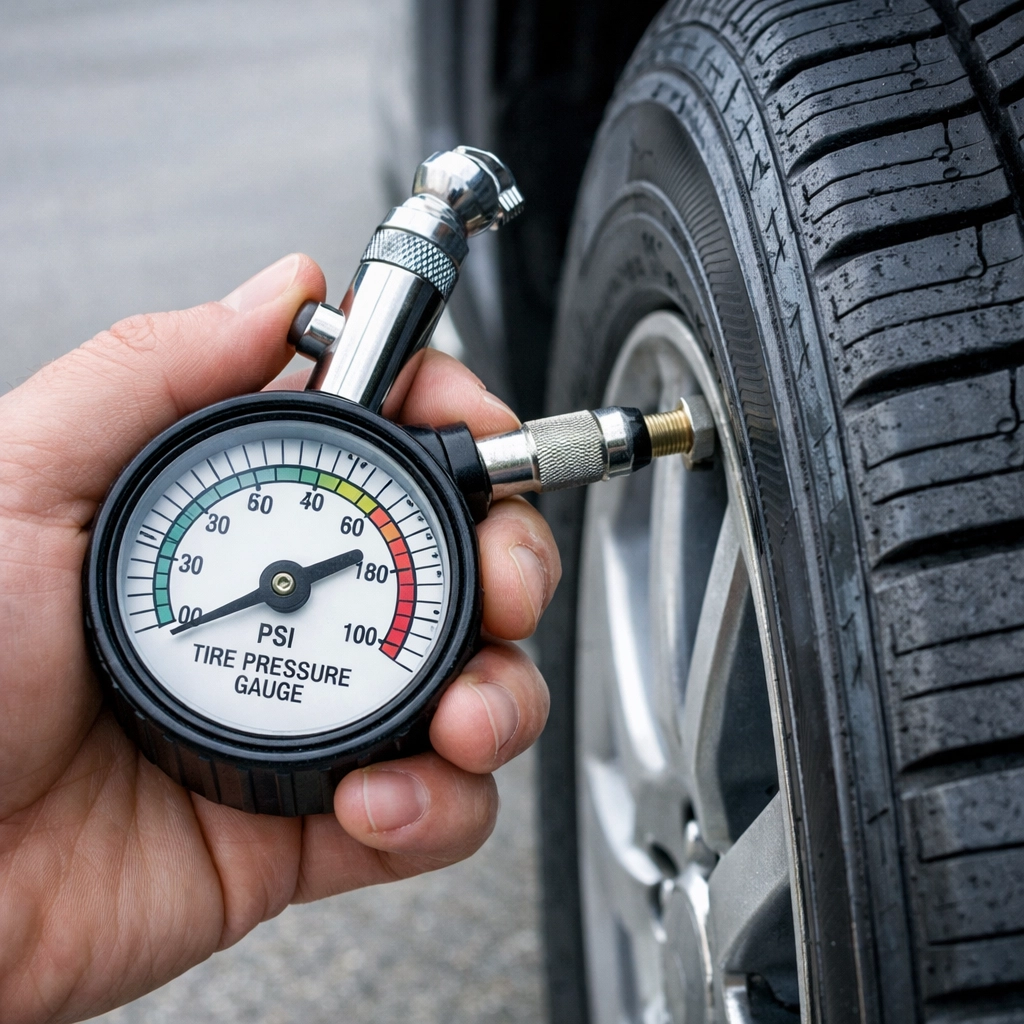
Regularly verifying that employee vehicles are in safe working order reduces the risk of mechanical failure. Checking tire tread, brake functionality, and light operations contributes to overall road safety and business compliance.
The Value of Professional Guidance
Determining the appropriate level of auto liability requires a thorough understanding of the business's daily operations. Insurance Alliance LLC assists restaurant owners in identifying these specific needs. Whether the establishment operates as a smoothie or coffee shop or a full-scale family dining restaurant, the liability risks remain a constant concern.
Business owners can explore more about business insurance options to see how auto liability integrates with other essential protections like general liability and property coverage. Utilizing a professional resource ensures that no gaps are left open that could jeopardize the stability of the company.
Summary of Delivery Liability
The transition to delivery services brings about a higher level of exposure that a standard homeowners insurance or personal auto policy cannot address. The primary focus for the restaurant must be securing the business entity from lawsuits resulting from vehicle accidents.
Personal auto policies often exclude delivery activities.
Vicarious liability puts the restaurant’s assets at risk.
HNOA insurance is a primary tool for businesses using employee vehicles.
Commercial auto insurance is necessary for company-owned fleets.
Insurance Alliance LLC provides professional support for restaurants navigating these complexities. Proper coverage ensures that the business can continue to serve its customers without the threat of unmanaged liability.
For more information on managing your business risks or to review your current policies, you can book online or visit the Insurance Alliance LLC sitemap for a full list of resources. Maintaining comprehensive personal insurance solutions alongside business coverage provides the most robust protection for owners and their families.

Comments