
General Liability Insurance: Protecting Your Business from Third-Party Risks
General liability insurance serves as a foundational layer of protection for businesses of all sizes. This coverage shields your company from financial exposure when third parties: customers, vendors, or visitors: experience bodily injury or property damage connected to your business operations.
Business owners in Florida, Texas, Arizona, Idaho, and Washington rely on general liability insurance to maintain operational stability. Understanding what this coverage protects and how it functions helps you make informed decisions about your business insurance portfolio.
What Is General Liability Insurance?
General liability insurance provides protection against third-party risks that arise from your regular business activities. A third party refers to anyone who is not an employee or owner of your business: customers, clients, delivery personnel, vendors, and the general public fall into this category.
This coverage addresses situations where your business operations, premises, or products cause harm to others. General liability insurance responds to covered incidents by providing legal defense and covering settlements or judgments up to your policy limits.
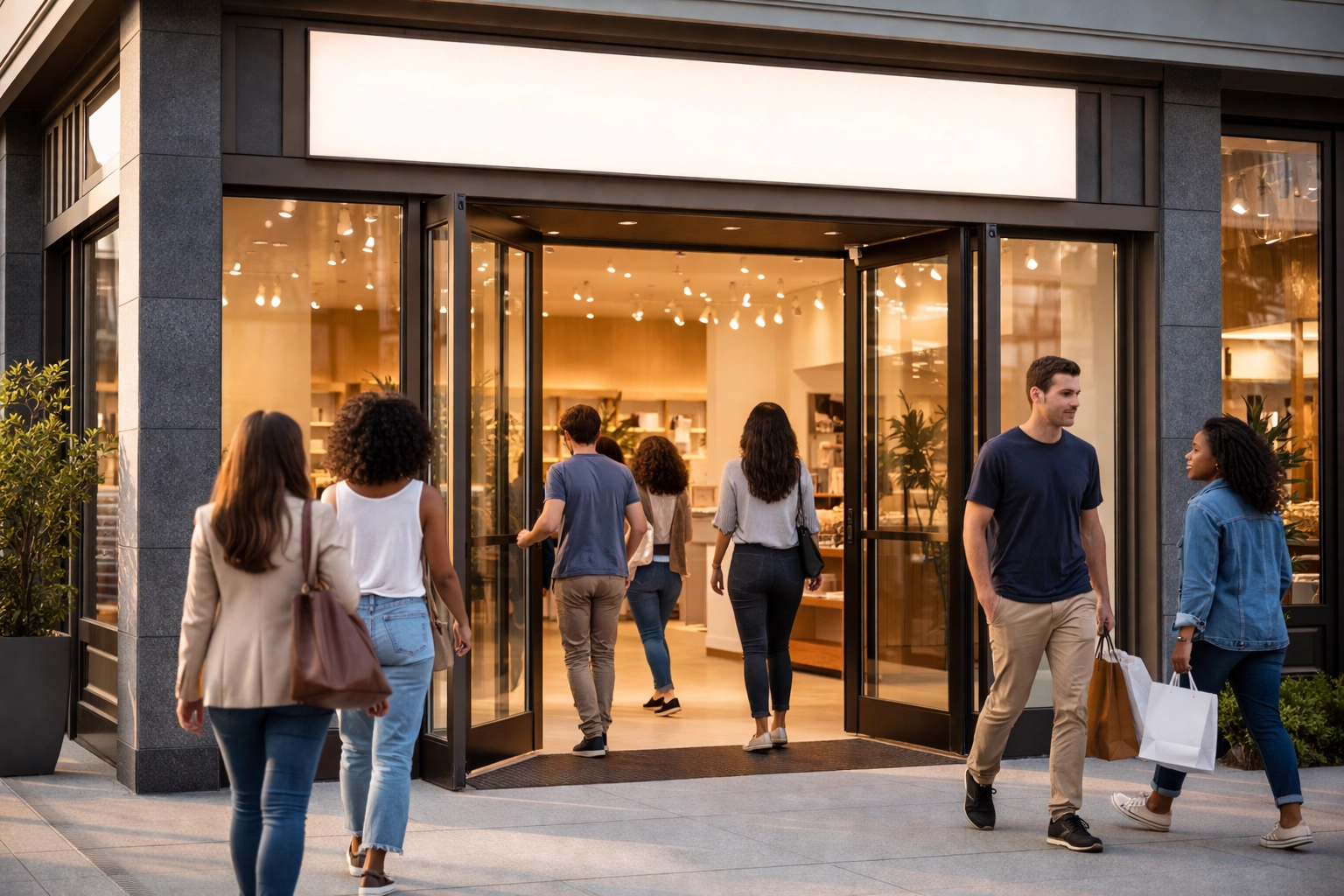
Most businesses carry general liability insurance as part of their core coverage foundation. While not always legally mandated, many commercial leases, contracts, and business relationships require proof of general liability coverage before you can operate or enter into agreements.
Third-Party Bodily Injury Protection
Bodily injury coverage under general liability insurance activates when someone other than an employee sustains physical harm connected to your business. This protection extends to injuries occurring:
On your business premises
At client locations where you perform work
As a result of your products or completed operations
During business activities conducted away from your primary location
Examples of covered bodily injury scenarios include:
A customer slips on a wet floor in your retail space
A visitor trips over equipment at your office
A delivery driver is injured by a falling object in your warehouse
A pedestrian is hurt by debris from your construction site
General liability insurance covers medical expenses, ambulance transportation, and other medical care costs associated with the injured third party. This protection helps your business address the financial obligations that arise from accidental injuries without depleting operating capital.
Third-Party Property Damage Protection
Property damage coverage protects your business when your operations cause harm to property owned by others. This component of general liability insurance addresses both direct physical damage and loss of use of damaged property.

Common property damage scenarios include:
Your employee accidentally damages a client's equipment while performing services
Your business operations cause water damage to a neighboring tenant's space
Your delivery vehicle backs into a customer's fence (note: auto liability requires separate coverage)
Products you sell malfunction and damage the buyer's property
The property damage portion of general liability insurance covers repair or replacement costs for the damaged property. It also addresses situations where the property owner cannot use their property while repairs are completed.
This coverage extends beyond your immediate business location. Work performed at client sites, vendor locations, and other premises receives the same protection as incidents occurring at your primary place of business.
Personal and Advertising Injury Protection
General liability insurance includes coverage for personal and advertising injury, which addresses non-physical harms your business might cause to third parties. This coverage responds to allegations of:
Libel and slander: Written or spoken statements that damage someone's reputation
Copyright infringement: Unauthorized use of copyrighted material in your advertising
False arrest or detention: Wrongfully detaining someone on your premises
Invasion of privacy: Violating someone's right to privacy through your business activities
Wrongful eviction: Improperly removing someone from premises
Businesses that engage in marketing, advertising, or public-facing communications benefit from this protection. Even unintentional violations can result in legal action, making this coverage component valuable for modern businesses.
Legal Defense Coverage
A significant component of general liability insurance involves legal defense coverage. When a third party brings a covered allegation against your business, your insurance policy provides:
Attorney fees for defending against the allegation
Court costs and filing fees
Expert witness fees
Investigation expenses
Settlement negotiations

Legal defense coverage activates regardless of whether the allegation against your business has merit. Your insurer provides defense resources while the matter is investigated and resolved. This protection ensures your business has professional legal representation without diverting operational funds to legal expenses.
Who Needs General Liability Insurance?
Nearly every business benefits from general liability insurance, regardless of industry or size. Businesses that interact with the public, perform services at client locations, or maintain commercial premises face third-party exposure daily.
Industries that rely heavily on general liability protection include:
Retail and hospitality businesses
Contractors and construction companies
Professional service providers
Manufacturing operations
Food service establishments
Healthcare practices
Technology companies
Even home-based businesses and sole proprietors face third-party risks that general liability insurance addresses. Client meetings, product deliveries, and service calls all create potential exposure.
Many business relationships require general liability coverage as a condition of doing business. Commercial landlords typically require tenants to maintain coverage. General contractors often require subcontractors to carry their own policies. Government contracts frequently mandate minimum coverage levels.
What General Liability Insurance Does Not Cover
Understanding coverage limitations helps you build a complete insurance program. General liability insurance does not provide protection for:
Employee injuries: Workers' compensation insurance addresses injuries to your employees. General liability covers third parties only.
Professional mistakes: Errors in professional services: such as accounting mistakes, design flaws, or consulting advice that causes financial loss: require professional liability or errors and omissions coverage.
Auto accidents: Vehicles used for business require commercial auto insurance. General liability excludes auto-related incidents.
Intentional acts: Deliberate harmful actions by you or your employees fall outside coverage.
Your own property: Damage to your business property requires commercial property insurance.
Cyber incidents: Data breaches and cyber attacks require dedicated cyber liability coverage. Learn more about cyber protection for your business.
Building a Complete Business Insurance Program
General liability insurance works best as part of a comprehensive business insurance strategy. Many businesses combine general liability with commercial property coverage through a Business Owner's Policy (BOP), which bundles essential coverages into a single policy.
Additional coverages to consider alongside general liability insurance include:
Commercial property insurance for your business assets
Workers' compensation for employee injury protection
Commercial auto insurance for business vehicles
Professional liability for service-based businesses
Umbrella coverage for additional liability limits
Businesses with specific exposures may need specialized policies such as liquor liability for establishments serving alcohol or inland marine coverage for contractors with mobile equipment.
Get the Right General Liability Coverage for Your Business
General liability insurance provides essential protection against third-party bodily injury and property damage risks. This coverage serves as a foundation for business risk management and supports your ability to operate with confidence.
Working with an experienced insurance professional helps ensure your general liability coverage aligns with your specific business operations and exposure levels. Proper coverage limits, appropriate endorsements, and policy terms tailored to your industry create effective protection.
Insurance Alliance LLC serves business owners in Florida, Texas, Arizona, Idaho, and Washington. Contact our team to discuss general liability insurance options for your business. Visit theinsalliance.com to learn more about our commercial insurance solutions.


Comments