
Why Liquor Liability Insurance Matters for Restaurants in 2025
Restaurant owners serving alcohol face significant liability exposure that standard restaurant insurance policies do not cover. Liquor liability insurance provides essential protection against claims arising from alcohol-related incidents involving customers and staff.
Understanding Liquor Liability Coverage
Liquor liability insurance protects restaurants when intoxicated customers cause harm to themselves or others. This specialized coverage fills critical gaps in standard business owners policies and general liability insurance that specifically exclude alcohol-related incidents.
The coverage applies when restaurants serve alcohol to visibly intoxicated individuals or minors. Protection extends beyond the restaurant premises to incidents occurring after customers leave the establishment. Coverage includes legal defense costs, settlements, and judgments related to bodily injury and property damage claims.
Legal Exposure Under Dram Shop Laws
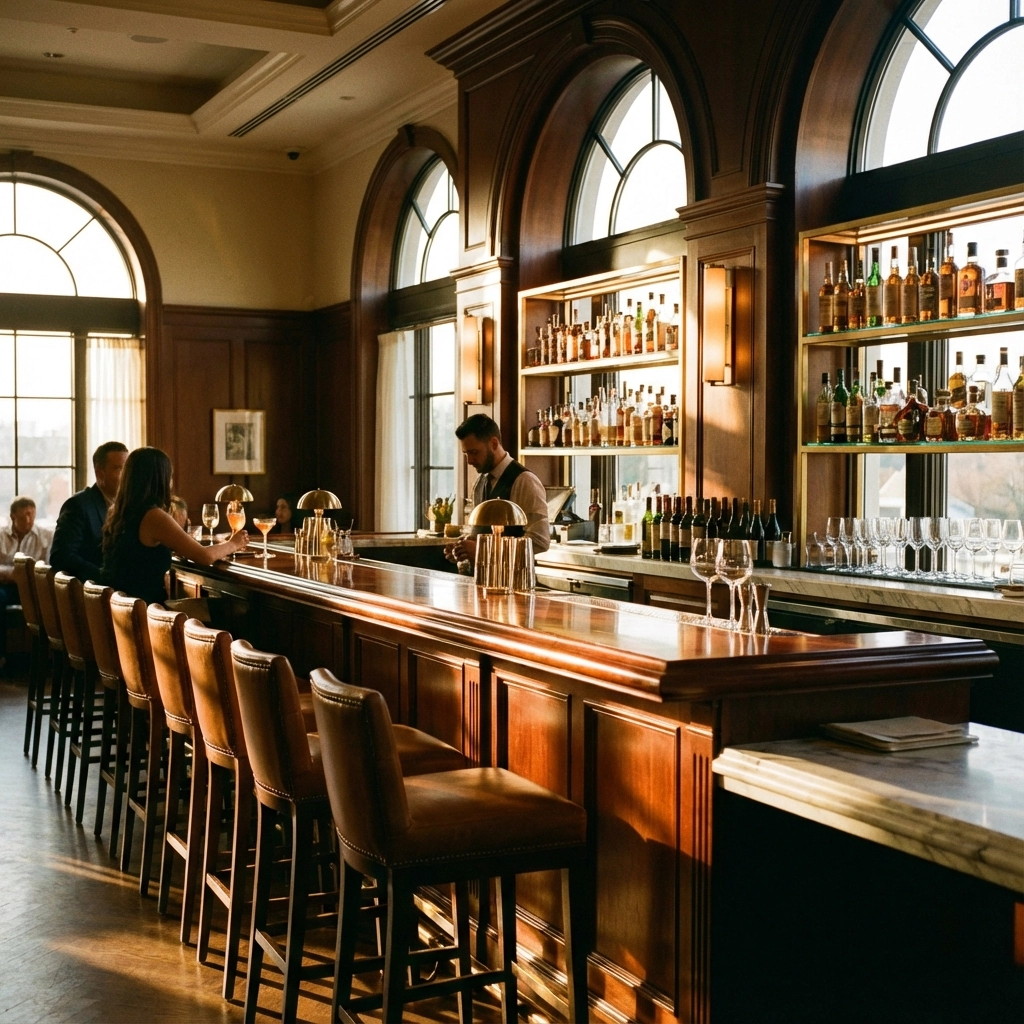
Most states maintain dram shop laws that hold establishments liable for serving alcohol to customers who subsequently cause harm. These laws create direct legal responsibility for restaurants when overserved patrons injure others in vehicle accidents, physical altercations, or other incidents.
Restaurants in Florida, Texas, Arizona, Idaho, and Washington operate under specific legal frameworks that determine liability exposure. Understanding these regulations helps restaurant owners recognize their need for appropriate coverage protection.
Legal claims can arise from various scenarios including drunk driving accidents, slip and fall incidents, assaults involving intoxicated customers, and property damage caused by impaired individuals. Without proper coverage, restaurants face significant financial exposure from legal proceedings and potential judgments.
Coverage Gaps in Standard Restaurant Insurance
Standard restaurant insurance policies contain alcohol exclusions that leave establishments vulnerable to liquor liability claims. General liability coverage specifically excludes incidents involving alcohol service, creating dangerous protection gaps for restaurants.
Property insurance covers physical damage to restaurant premises and equipment but does not address liability claims from alcohol service. Business owners policies combine property and liability coverage but maintain the same alcohol exclusions found in general liability policies.
Workers compensation insurance covers employee injuries but may not extend to alcohol-related incidents involving staff members. Employment practices liability insurance addresses workplace issues but excludes claims related to alcohol service and consumption.
Restaurant-Specific Risks and Scenarios
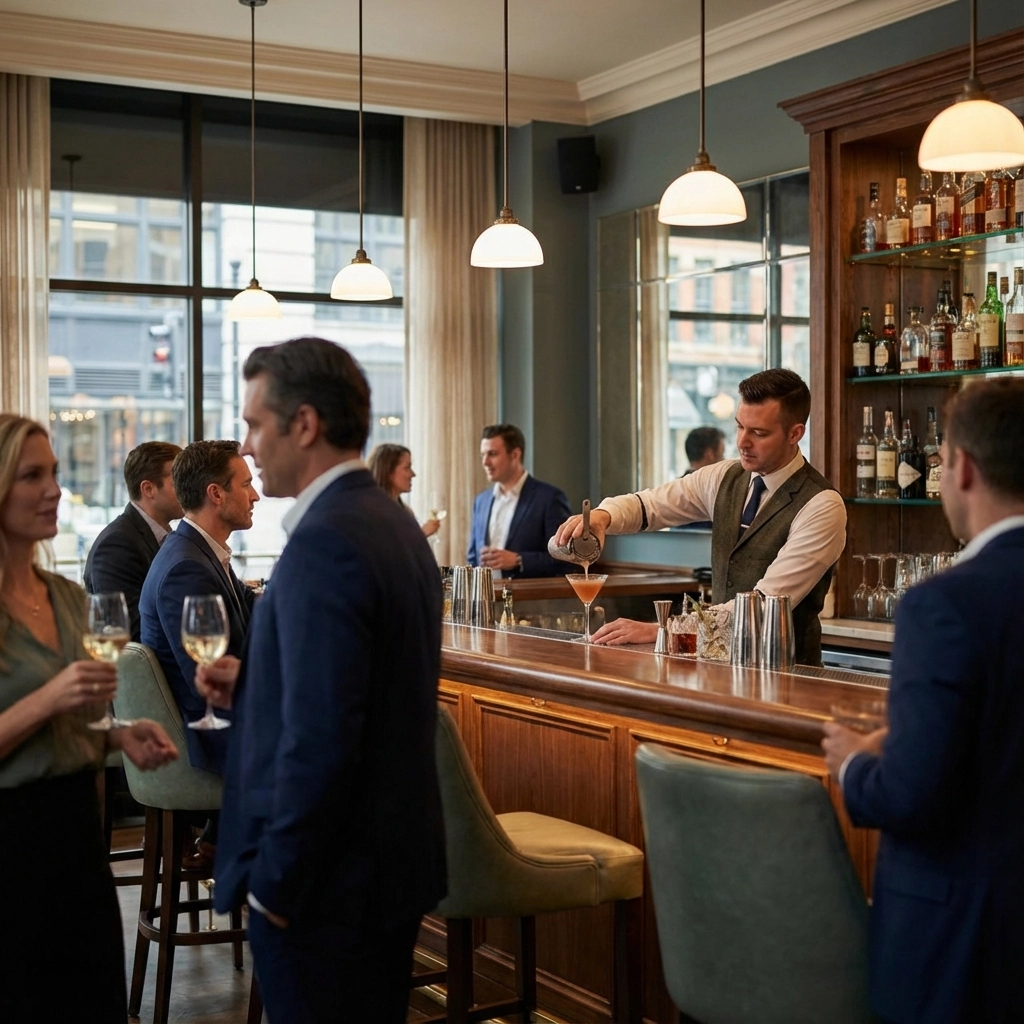
Restaurants face unique alcohol-related risks based on their operations and customer demographics. Sports bars and establishments with late-night service encounter higher exposure to intoxication-related incidents. Fine dining restaurants serving wine and cocktails still face liability exposure despite different customer patterns.
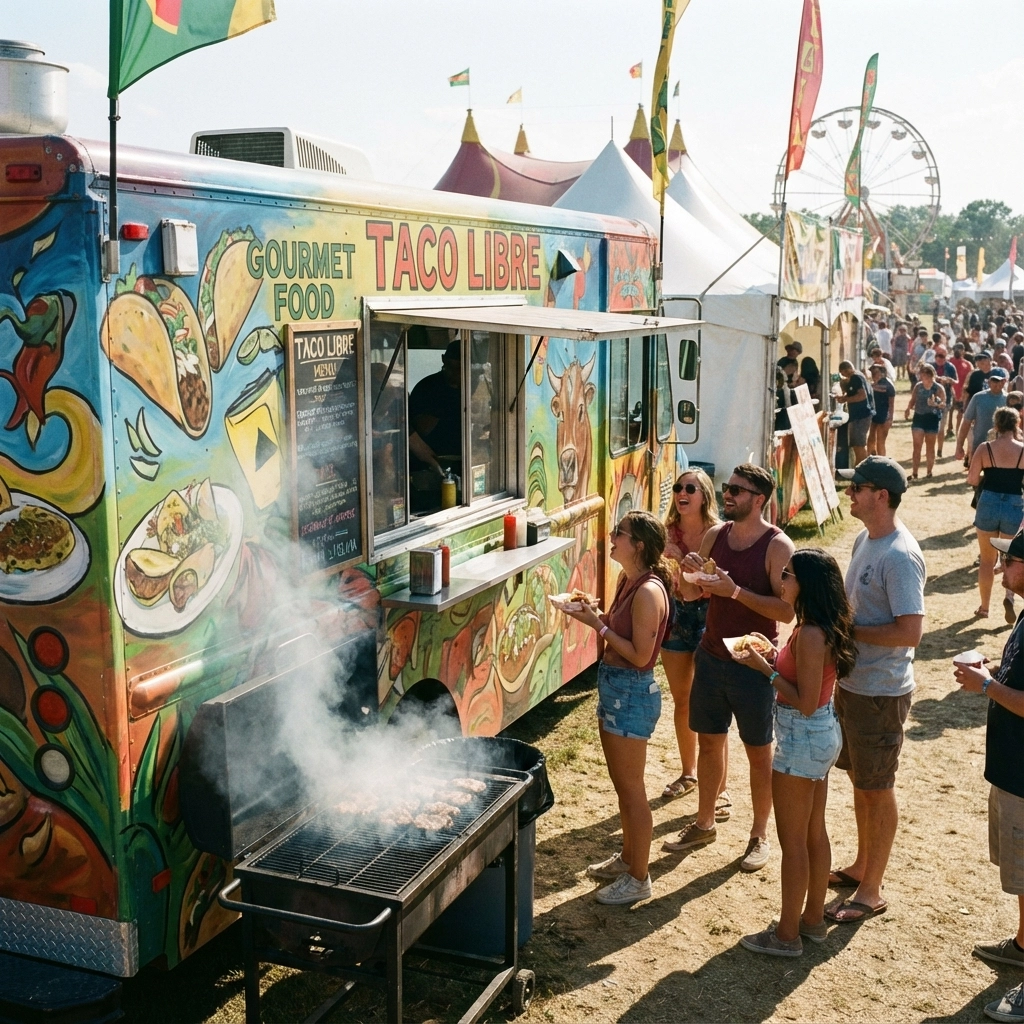
Catering operations present additional risks when serving alcohol at off-site events. Mobile food trucks with alcohol permits face unique challenges combining vehicle operations with liquor service. Restaurant chains must consider liability exposure across multiple locations and varying local regulations.
Special events like wine tastings, beer festivals, and private parties create concentrated risk exposure. Holiday celebrations and sporting events often result in increased alcohol consumption and associated liability risks. Employee training programs help reduce exposure but cannot eliminate the need for proper insurance protection.
Coverage Extensions and Additional Protections
Liquor liability policies offer various coverage extensions to address specific restaurant needs. Host liquor liability covers events where restaurants provide alcohol without charge, such as employee parties or promotional events. Assault and battery coverage addresses physical altercations involving intoxicated customers.
Some policies include coverage for violations of liquor laws and regulations. Product liability extensions protect against claims related to defective or contaminated alcoholic beverages. Personal injury coverage addresses claims for false imprisonment, wrongful eviction, or invasion of privacy related to alcohol service.
Coverage limits vary based on restaurant size and risk exposure. Restaurants typically carry minimum limits of one million dollars per occurrence with aggregate limits of two million dollars. Higher-risk establishments may require increased limits for adequate protection.
Integration with Existing Restaurant Insurance
Liquor liability coverage integrates with existing restaurant insurance programs through endorsements or standalone policies. Many insurers offer package policies combining general liability, property insurance, and liquor liability coverage for comprehensive protection.
Business owners policies can include liquor liability endorsements for restaurants with moderate alcohol exposure. Standalone liquor liability policies provide higher limits and specialized coverage for establishments with significant alcohol sales. Insurance carriers evaluate restaurant operations to determine appropriate coverage structures.
Certificate requirements from landlords, lenders, and vendors often specify minimum liquor liability coverage limits. Restaurants must coordinate coverage with their overall insurance program to ensure adequate protection without coverage gaps or duplications.
Risk Management and Loss Prevention
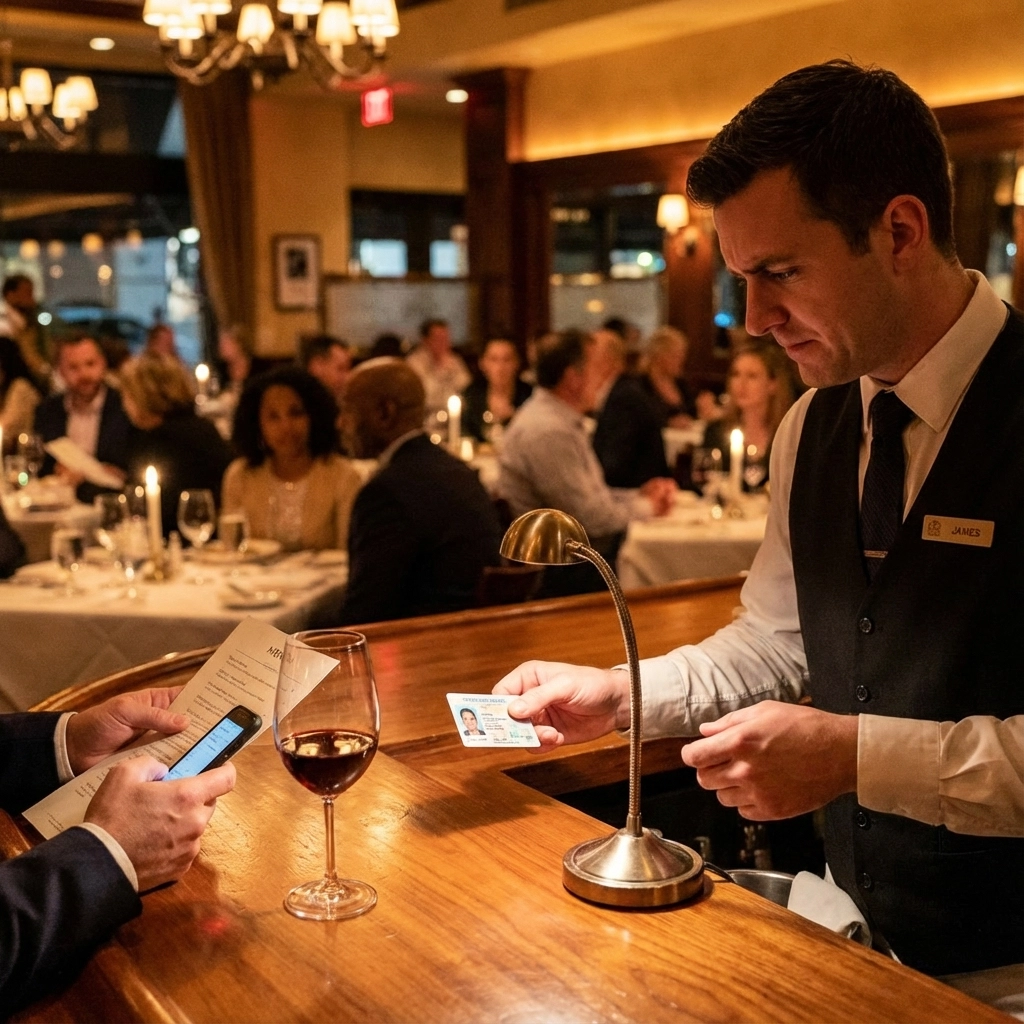
Effective risk management reduces liquor liability exposure through comprehensive staff training programs. Servers and bartenders must understand proper alcohol service techniques, identification verification procedures, and signs of customer intoxication. Regular training updates ensure staff maintain current knowledge of responsible service practices.
Establishing written policies for alcohol service creates consistent procedures across restaurant operations. Security personnel help manage intoxicated customers and prevent incidents that could result in liability claims. Technology solutions like point-of-sale systems can track customer alcohol purchases and alert staff to potential overservice situations.
Partnership with transportation services provides safe alternatives for intoxicated customers. Designated driver programs and ride-sharing partnerships reduce liability exposure by preventing drunk driving incidents. Food service alongside alcohol consumption helps slow intoxication and reduces risk exposure.
Industry Trends Affecting Coverage Needs
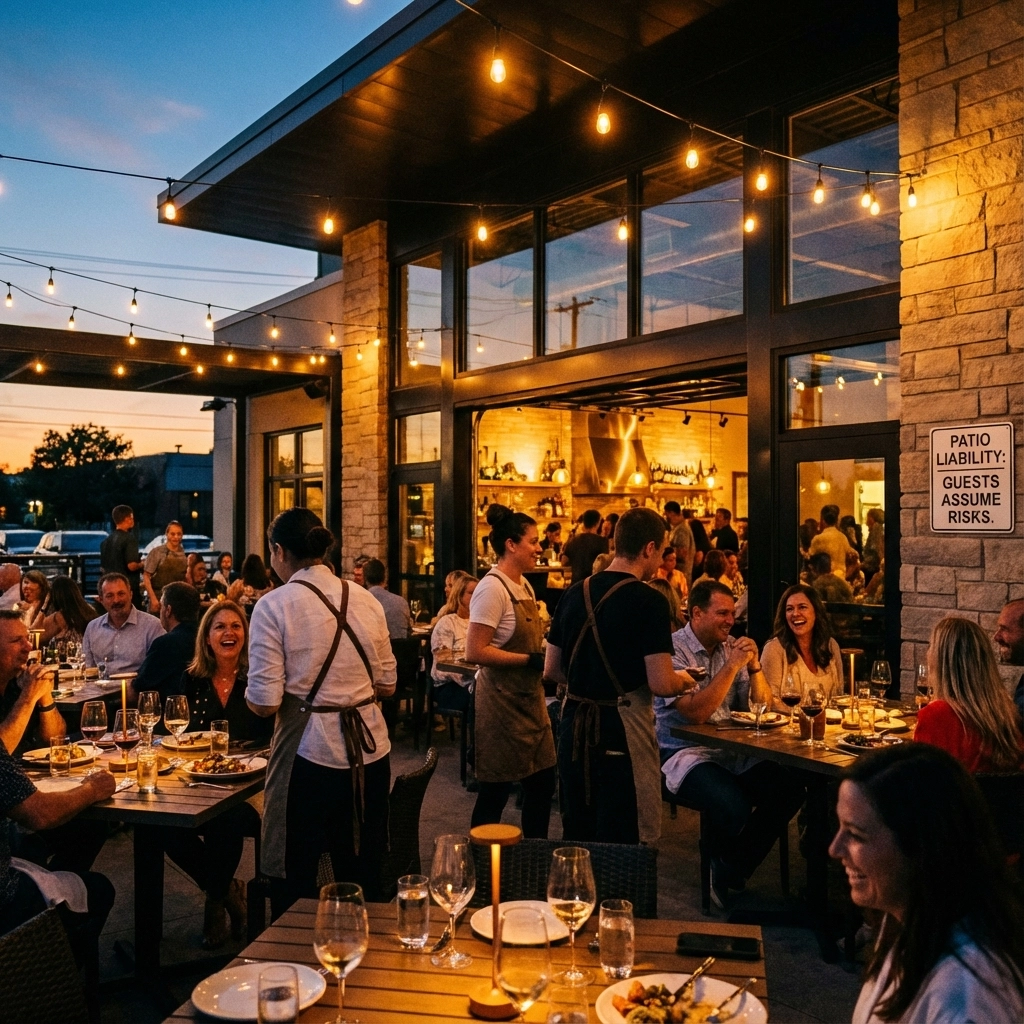
The restaurant industry continues evolving with new service models and customer expectations affecting liquor liability exposure. Delivery and takeout alcohol services create new liability considerations for restaurants. Outdoor dining expansions increase service areas and potential risk exposure.
Social media and online reviews amplify the impact of alcohol-related incidents on restaurant reputations. Customer behavior patterns changed following recent industry disruptions, affecting alcohol consumption and associated risks. Regulatory changes at local and state levels influence coverage requirements and liability exposure.
Technology integration in restaurant operations affects liquor liability through automated service systems and customer interaction platforms. Staff shortages impact training consistency and risk management effectiveness. Economic conditions influence customer behavior and alcohol consumption patterns in restaurant settings.
Working with Insurance Professionals
Restaurant owners benefit from working with insurance professionals who understand liquor liability coverage and restaurant operations. Experienced agents help evaluate risk exposure and recommend appropriate coverage limits and extensions. Regular coverage reviews ensure protection keeps pace with changing restaurant operations and industry conditions.
Insurance professionals assist with claims management and risk reduction strategies. They provide guidance on policy selection, coverage coordination, and regulatory compliance issues. Ongoing support helps restaurants maintain adequate protection while managing their overall insurance programs effectively.
Professional guidance ensures restaurants understand their coverage options and make informed decisions about liquor liability protection. Insurance professionals help navigate complex policy terms and conditions while identifying potential coverage gaps or overlaps with existing insurance programs.
Restaurant liquor liability insurance provides essential protection against significant financial exposure from alcohol-related incidents. Understanding coverage options, legal requirements, and risk management strategies helps restaurant owners make informed decisions about protecting their operations and assets.
Insurance Alliance LLC provides comprehensive restaurant insurance solutions including liquor liability coverage for establishments across Florida, Texas, Arizona, Idaho, and Washington. Our experienced team helps restaurant owners understand their unique risks and develop appropriate protection strategies for their operations.
Restaurant Insurance for Food Trucks: Essential Coverage Beyond the Road
Food truck operations require specialized restaurant insurance coverage that addresses unique risks combining mobile operations with food service businesses. Standard commercial vehicle insurance alone does not provide adequate protection for food truck entrepreneurs.
Mobile Food Service Insurance Requirements
Food trucks operate under complex insurance requirements involving vehicle operations, food service, and business liability. Commercial auto insurance covers vehicle accidents and physical damage to trucks but excludes business operations coverage. General liability insurance protects against customer injuries and property damage from food service operations.
Business owners policies combine property and liability coverage for food truck equipment and operations. Workers compensation insurance covers employee injuries during food preparation and service activities. Product liability insurance protects against claims from foodborne illness and contaminated products.
Food truck operators must coordinate coverage between vehicle insurance and business operations insurance. Mobile operations create jurisdictional challenges when trucks operate across state lines or multiple municipalities. Insurance certificates may be required for special events, festivals, and private property operations.
Equipment and Inventory Protection
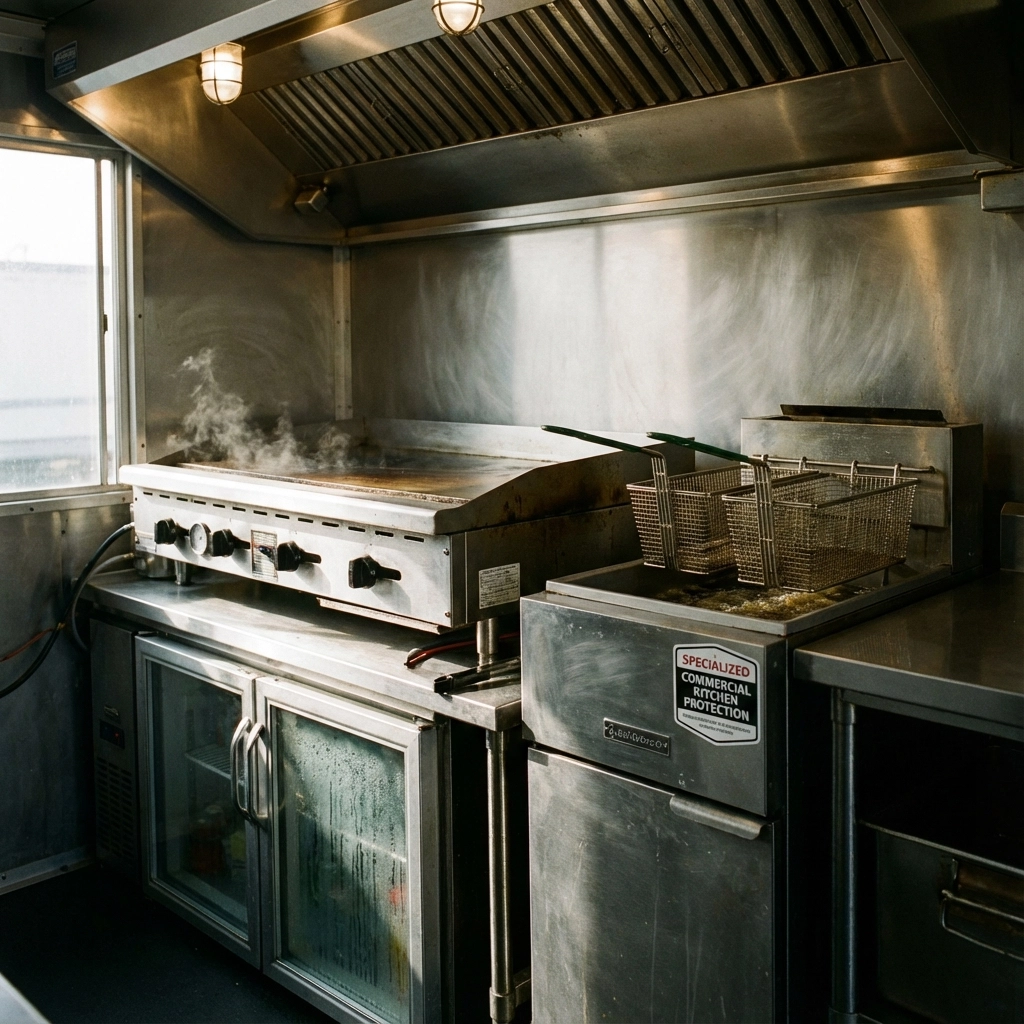
Food trucks contain expensive equipment vulnerable to theft, damage, and breakdown during mobile operations. Cooking equipment, refrigeration systems, and point-of-sale technology require specialized coverage beyond standard commercial vehicle policies.
Inland marine insurance covers equipment and inventory during transport and while parked at various locations. This coverage addresses theft of equipment while trucks are unattended overnight or during non-operating hours. Coverage extends to equipment temporarily removed from vehicles for cleaning, maintenance, or storage.
Business personal property coverage protects inventory, supplies, and equipment at commissary kitchens or storage facilities. Food spoilage coverage addresses losses from equipment breakdown, power outages, and mechanical failures. Replacement cost coverage ensures equipment can be replaced with similar items rather than depreciated values.
Liability Risks Unique to Food Trucks
Food truck operations present liability exposures different from traditional restaurants or commercial vehicles. Customer injuries can occur during food service at crowded events or on uneven surfaces near trucks. Hot cooking equipment and serving areas create burn hazards for customers and employees.
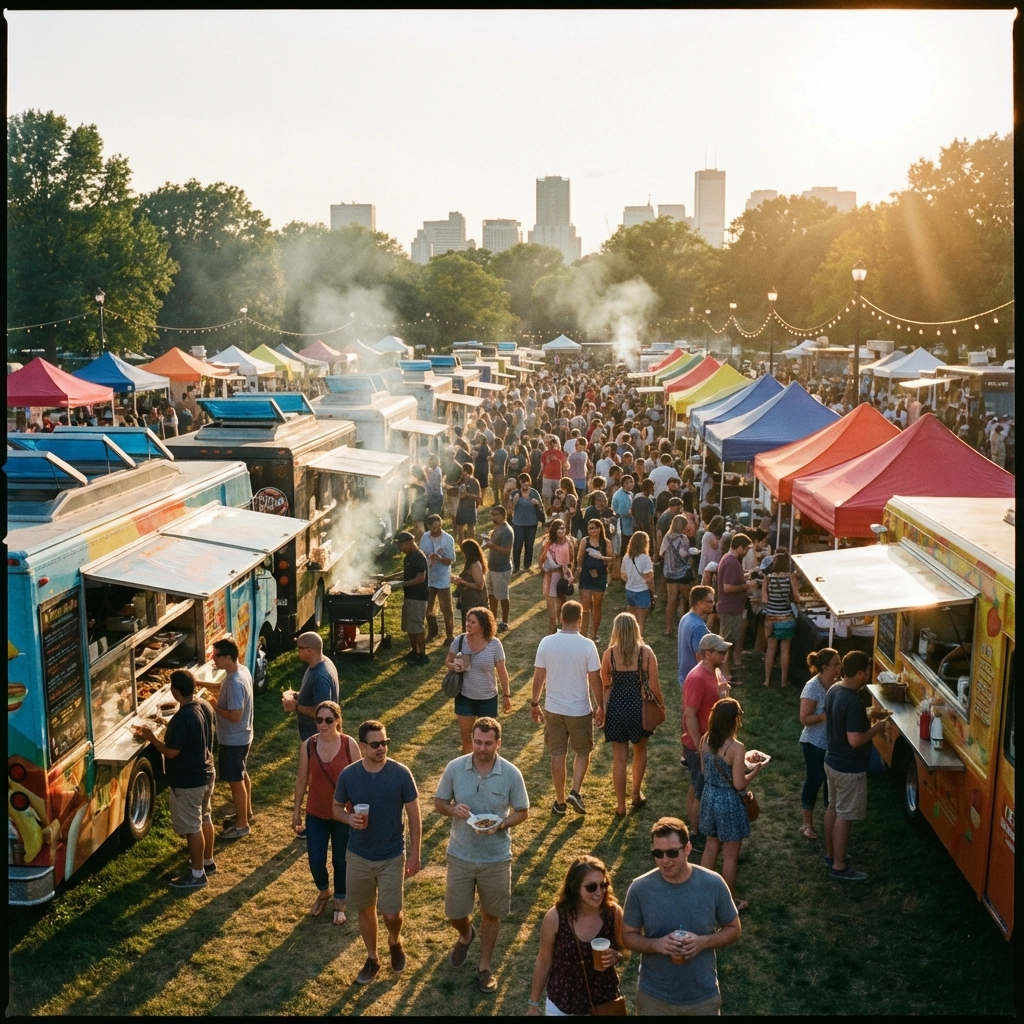
Mobile operations increase slip and fall risks from wet surfaces, uneven ground, and crowded serving areas. Food truck positioning near pedestrian traffic creates additional liability exposure from vehicle movement and equipment operation. Special events and festivals concentrate customers and increase incident potential.
Propane usage for cooking equipment creates fire and explosion risks requiring specialized coverage. Generator operations present carbon monoxide poisoning risks and mechanical hazards. Awnings, umbrellas, and temporary structures create additional liability exposures during outdoor operations.
Regulatory Compliance and Permits
Food trucks must comply with health department regulations, business licensing requirements, and vehicle operation standards. Insurance coverage helps address regulatory violations and compliance issues that could result in fines or operational shutdowns.
Health department violations can result in claims from customers and regulatory penalties. Business license compliance affects operating authority and insurance coverage validity. Vehicle inspection failures can prevent operations and require coverage for business interruption losses.
Permit requirements vary by location and event, creating complex compliance obligations for mobile operators. Special event insurance may be required for festivals, private parties, and catering operations. Vendors often require specific insurance coverage and certificate requirements for participation.
Seasonal and Weather-Related Exposures
Food truck operations face seasonal variations and weather-related risks affecting coverage needs. Summer operations often increase customer volume and heat-related equipment stress. Winter operations present challenges from cold weather affecting equipment performance and customer access.
Severe weather events can damage trucks, equipment, and inventory while disrupting operations. Business interruption coverage addresses income losses from weather-related shutdowns and equipment repairs. Emergency evacuation coverage helps with costs of relocating operations during severe weather threats.
Outdoor operations expose food trucks to wind damage, hail, and flooding risks. Awnings and exterior equipment are particularly vulnerable to weather damage. Seasonal storage requirements may affect coverage needs and policy terms during non-operating periods.
Technology and Payment System Coverage
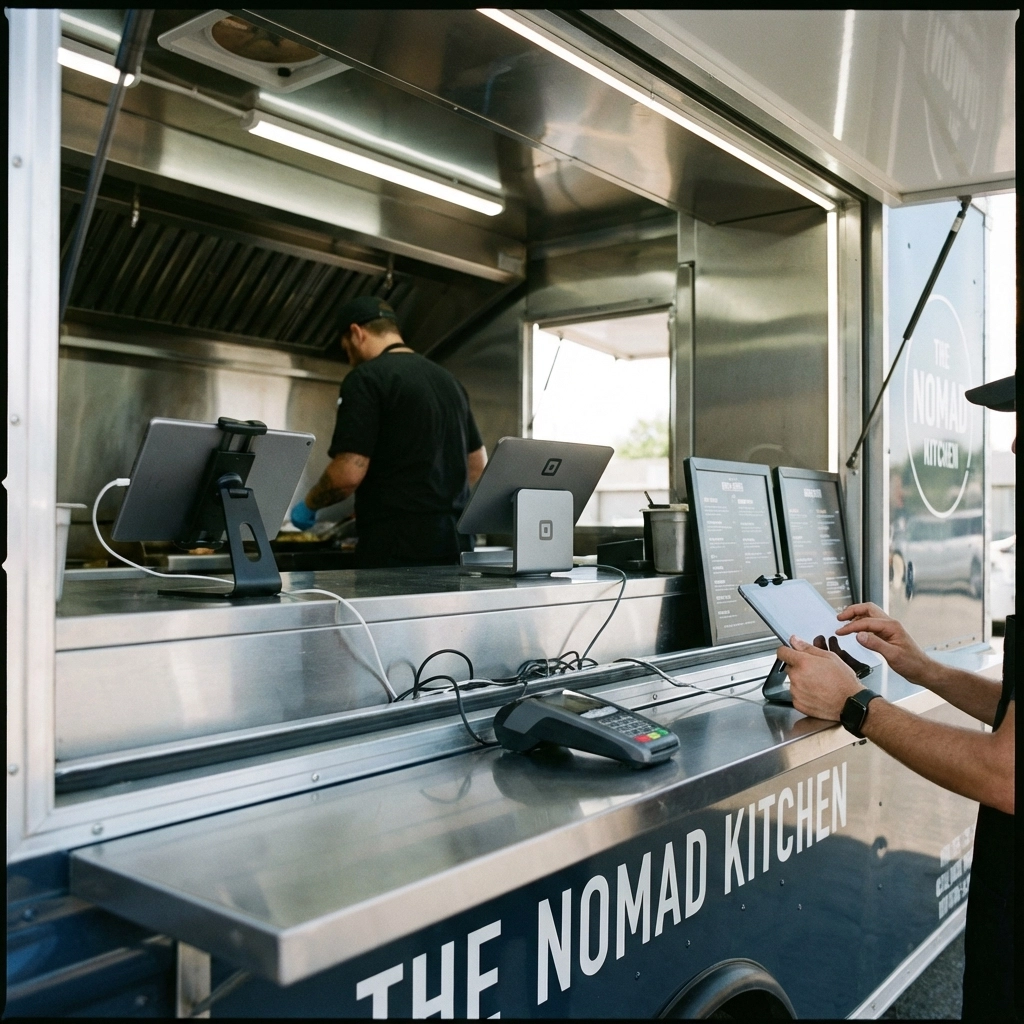
Modern food trucks rely heavily on technology for payment processing, inventory management, and customer communication. Point-of-sale systems, tablets, and mobile payment devices require specialized coverage for theft, damage, and cyber liability.
Credit card processing equipment contains sensitive customer data requiring cyber liability protection. Social media marketing and online ordering systems create additional cyber exposure risks. Technology failures can disrupt operations and require business interruption coverage.
Communication equipment including cellular boosters and internet connectivity devices require coverage during mobile operations. GPS tracking systems and security cameras represent additional technology investments requiring protection. Data breach incidents can result in significant liability exposure requiring specialized coverage.
Multi-Location and Franchise Considerations
Food truck franchises and multi-unit operations require coordinated insurance programs addressing corporate and individual unit exposures. Franchise agreements often specify minimum insurance requirements and coverage standards. Corporate liability coverage may be necessary for oversight and quality control activities.
Multi-location operations create complex coverage coordination requirements across different jurisdictions. Master policies can provide economies of scale while addressing individual unit needs. Certificate management becomes critical for multi-unit operations attending various events and locations.
Brand protection becomes important for franchise operations where incidents at individual trucks can affect overall brand reputation. Employment practices liability coverage addresses hiring, training, and management issues across multiple locations. Product recall coverage protects against brand-wide contamination incidents.
Specialized Food Truck Coverage Solutions
Insurance carriers offer specialized food truck packages combining necessary coverages into comprehensive programs. These packages address mobile operations, food service risks, and equipment protection in coordinated policies. Specialized carriers understand food truck operations and provide appropriate coverage solutions.
Mobile food vendor policies combine commercial auto, general liability, and property coverage with food truck-specific endorsements. Seasonal adjustment options allow coverage modifications during non-operating periods. Special event coverage provides temporary increases for high-volume operations.
Commissary kitchen coverage addresses operations at shared commercial kitchen facilities. Catering endorsements expand coverage for off-truck food service operations. Product liability coverage includes specialized protection for mobile food service risks and exposures.
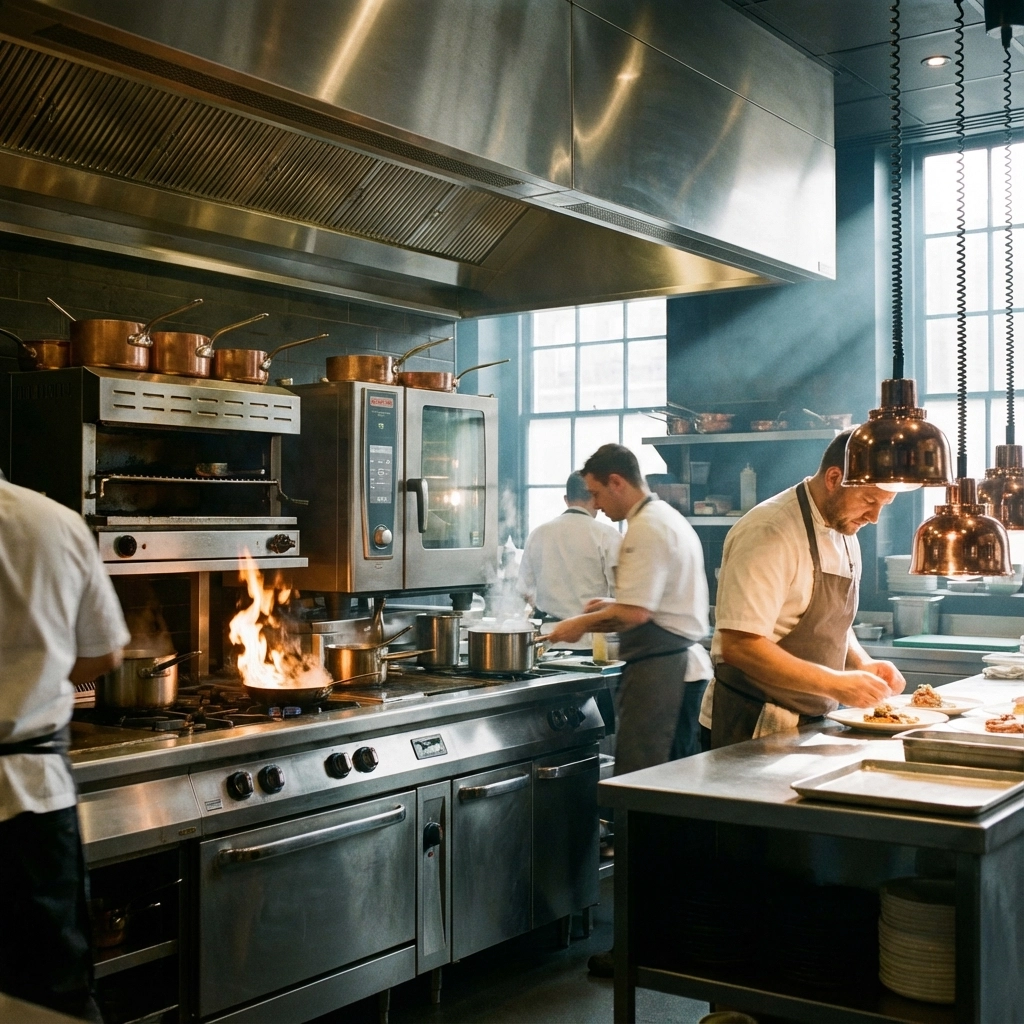
Food truck insurance requires careful coordination of multiple coverage types to address unique mobile food service risks. Working with insurance professionals who understand food truck operations ensures comprehensive protection for equipment, liability, and business operations.
Insurance Alliance LLC specializes in food truck and mobile food service insurance solutions for operators across Florida, Texas, Arizona, Idaho, and Washington. Our team understands the unique challenges facing mobile food entrepreneurs and provides tailored coverage solutions.
Restaurant Property Insurance: Protecting Your Physical Investment
Restaurant property insurance protects the significant physical investments restaurant owners make in equipment, fixtures, inventory, and improvements. This coverage addresses risks that can devastate restaurant operations through equipment damage, inventory loss, and building-related incidents.
Core Property Insurance Components
Restaurant property insurance covers building improvements, equipment, fixtures, and inventory essential to restaurant operations. Coverage includes cooking equipment, refrigeration systems, dining furniture, and specialized restaurant fixtures. Building improvements such as kitchen installations, dining room modifications, and equipment installations require protection beyond basic building coverage.
Business personal property coverage protects moveable items including dishes, utensils, linens, and food inventory. Computer systems, point-of-sale equipment, and office furniture fall under business personal property protection. Coverage limits must reflect actual replacement values to ensure adequate protection during loss events.
Building coverage applies when restaurants own their properties and includes structural elements, permanently installed equipment, and building systems. Tenant improvements and betterments coverage protects leasehold improvements when restaurants lease their locations. This coverage addresses modifications, installations, and improvements made to leased spaces.
Equipment-Specific Coverage Needs
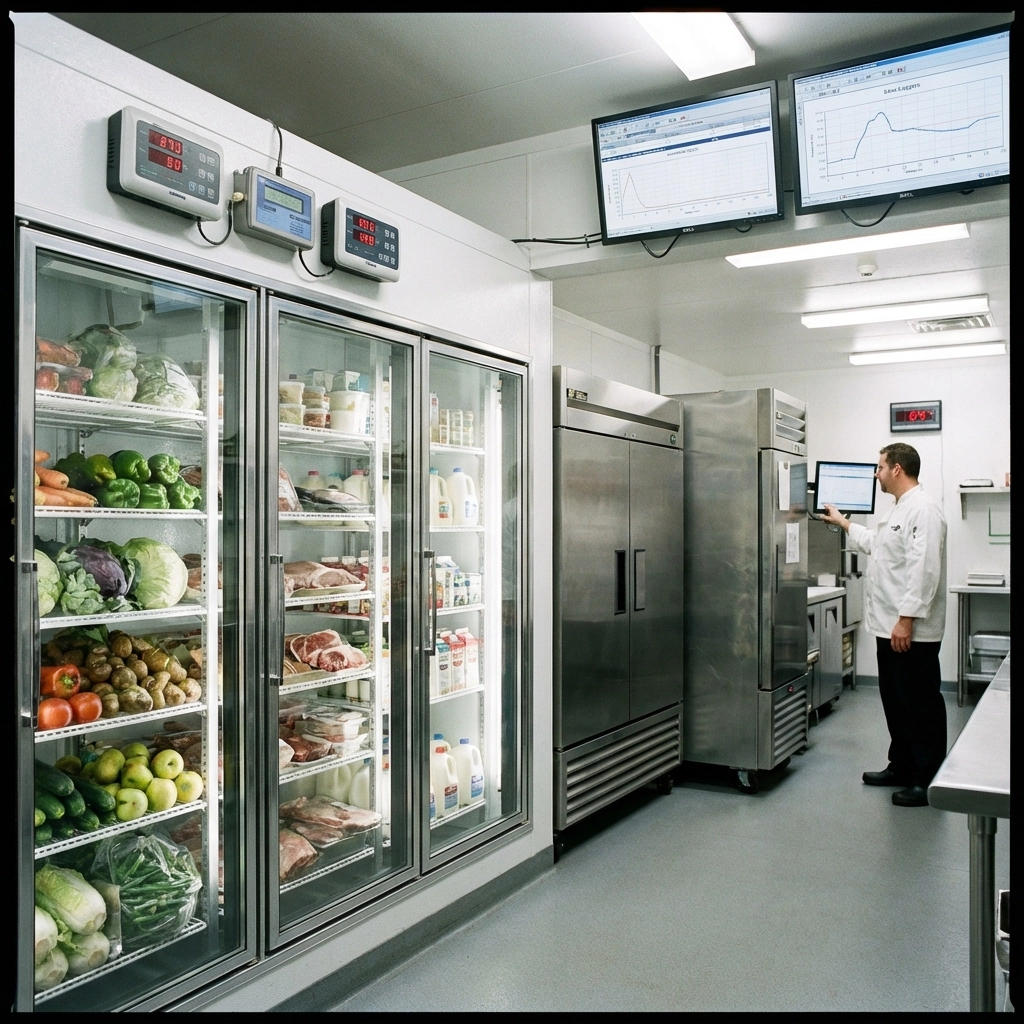
Restaurant equipment represents substantial investments requiring specialized coverage considerations. Commercial cooking equipment, refrigeration systems, and food preparation machinery require replacement cost coverage to maintain operational capacity. Equipment breakdown coverage protects against mechanical failures and electrical issues that standard property insurance excludes.
Refrigeration equipment failure can result in significant food spoilage losses requiring specialized coverage. Walk-in coolers, freezers, and display cases contain valuable inventory vulnerable to temperature fluctuations. Equipment breakdown coverage includes repair costs and spoilage protection when mechanical systems fail.
Point-of-sale systems, computers, and technology equipment require coverage for both physical damage and data restoration. Sound systems, televisions, and entertainment equipment in sports bars and casual dining establishments need adequate protection. Specialized equipment like pizza ovens, grills, and fryers require proper valuation for replacement cost coverage.
Inventory and Food Spoilage Protection
Restaurant inventory includes food products, beverages, and supplies requiring specialized coverage approaches. Perishable inventory faces unique risks from power outages, equipment failures, and contamination incidents. Standard property coverage may not adequately address food spoilage and contamination losses.
Food spoilage coverage protects against losses from mechanical breakdown, power failures, and temperature fluctuations. Contamination coverage addresses inventory losses from chemical spills, smoke damage, and other contaminating events. This coverage extends beyond standard property protection to address restaurant-specific inventory risks.
Liquor inventory represents significant value requiring appropriate coverage limits and protection. Wine collections in fine dining establishments may require scheduled coverage for high-value items. Beer and beverage inventory in sports bars and casual dining locations needs adequate protection against theft and spoilage.
Business Interruption and Loss of Income
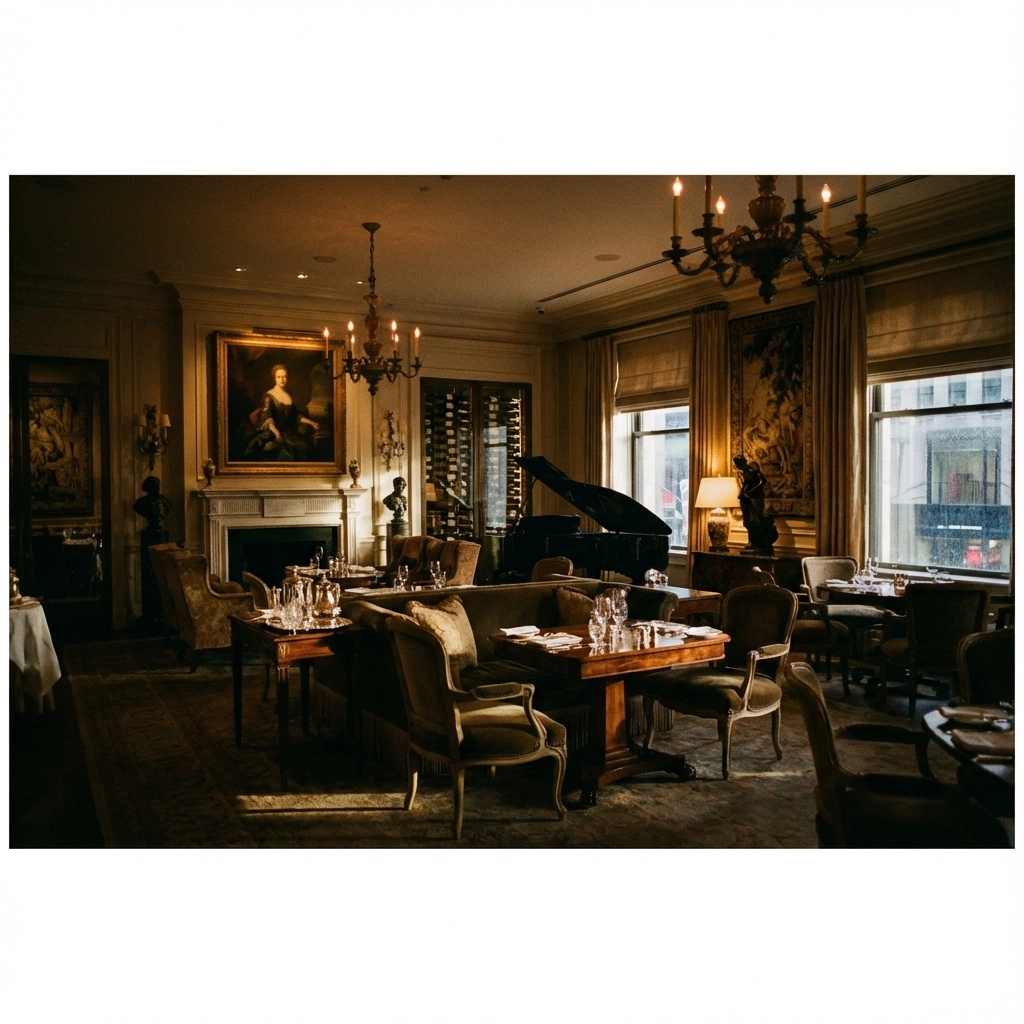
Business interruption coverage protects restaurant income when covered property damage prevents normal operations. This coverage addresses ongoing expenses like rent, utilities, and payroll during repair and restoration periods. Restaurant operations can face extended closures from kitchen equipment damage, fire incidents, and structural problems.
Extra expense coverage pays additional costs incurred to minimize business interruption during covered losses. This includes costs for temporary equipment rental, alternate location expenses, and expedited repair services. Restaurants may need temporary kitchen facilities or equipment to maintain operations during repairs.
Loss of income calculations for restaurants require careful consideration of seasonal variations and business trends. Coverage periods must reflect realistic restoration timeframes for complex restaurant equipment and kitchen systems. Extended business interruption coverage protects against delayed reopening from permit delays and supply chain issues.
Specialized Restaurant Property Risks
Restaurants face unique property risks requiring specialized coverage considerations. Grease fires represent significant exposure in commercial kitchens with potential for extensive damage. Cooking equipment generates heat, smoke, and grease creating elevated fire risks compared to other business operations.
Water damage from dishwashing equipment, ice machines, and plumbing systems can cause extensive property damage. Kitchen operations involve significant water usage creating leak and flood potential. Sewage backups can contaminate food preparation areas requiring extensive cleaning and restoration.
Theft and vandalism risks affect both equipment and inventory in restaurant operations. Cash registers, point-of-sale systems, and valuable equipment attract criminal activity. After-hours break-ins can result in equipment theft, vandalism, and inventory loss requiring comprehensive property protection.
Building and Tenant Improvement Coverage
Restaurant tenant improvements typically represent substantial investments requiring adequate insurance protection. Kitchen installations, dining room renovations, and accessibility modifications require coverage beyond basic building insurance. Leasehold improvements coverage protects tenant investments in leased properties.
HVAC systems, electrical installations, and plumbing modifications specific to restaurant operations need appropriate coverage. Flooring, lighting, and decorative elements contribute to restaurant atmosphere and require replacement cost protection. Outdoor dining areas, patios, and signage represent additional property investments requiring coverage.
Building ordinance coverage addresses costs associated with bringing damaged properties up to current building codes during repairs. Restaurants may face significant additional expenses when repairs must meet updated accessibility, fire safety, and health department requirements. This coverage protects against unexpected upgrade costs during property restoration.
Natural Disaster and Weather Protection
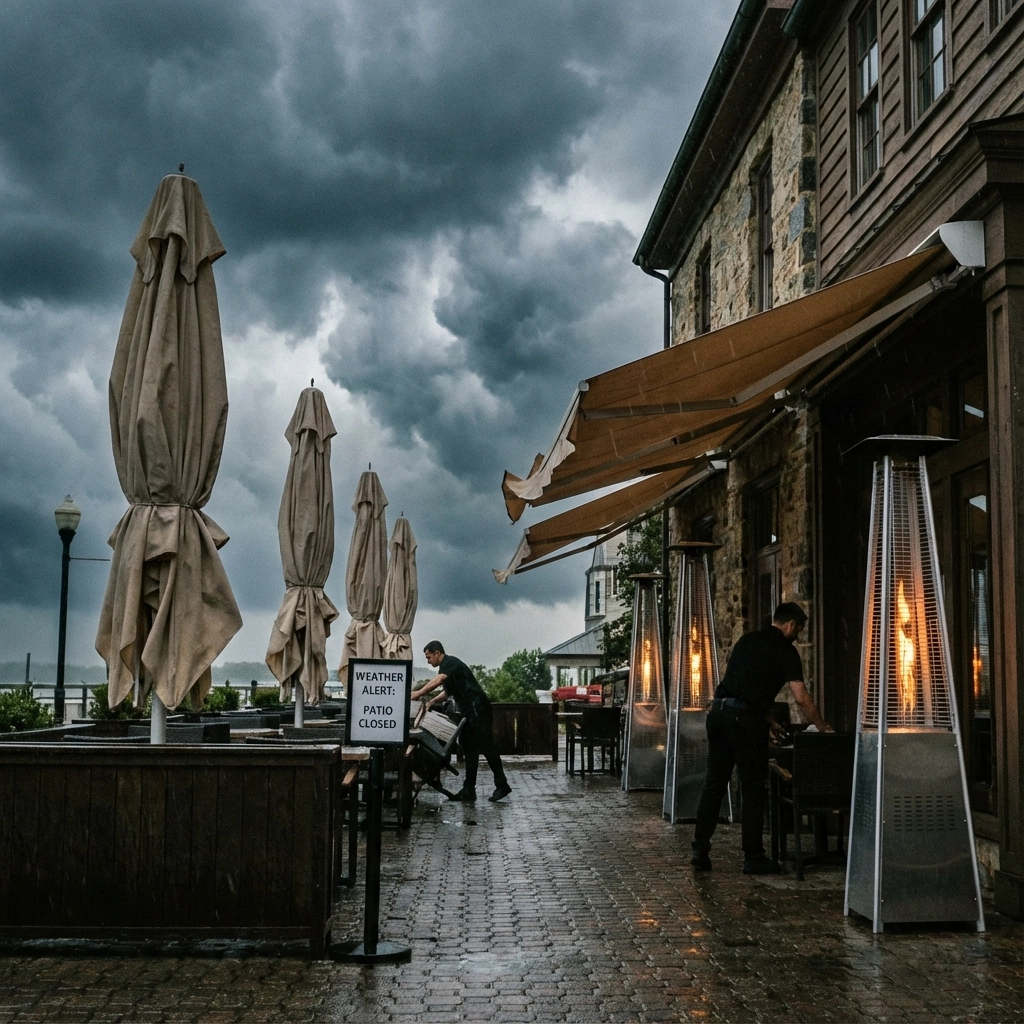
Restaurants face weather-related property risks requiring comprehensive protection strategies. Wind damage can affect roofing, signage, and outdoor dining areas during severe storms. Hail damage to HVAC systems, vehicles, and outdoor equipment can disrupt restaurant operations.
Flood coverage requires separate policies as standard property insurance excludes flood damage. Restaurants in flood-prone areas need appropriate flood insurance protection for buildings, equipment, and inventory. Ground-level restaurants face particular vulnerability to flood damage affecting expensive kitchen equipment.
Earthquake coverage protects against seismic damage to buildings, equipment, and inventory. Restaurants with extensive glassware, equipment installations, and structural modifications face significant earthquake exposure. Specialized earthquake coverage addresses these unique restaurant vulnerabilities.
Valuation and Coverage Limits
Proper valuation ensures adequate coverage limits for restaurant property protection. Replacement cost coverage provides current pricing for equipment and improvements rather than depreciated values. Actual cash value coverage reduces settlements by depreciation amounts potentially leaving restaurants underinsured.
Equipment appraisals help establish appropriate coverage limits for specialized restaurant equipment. Annual policy reviews ensure coverage keeps pace with equipment additions, improvements, and inflation. Blanket coverage limits provide flexibility for inventory fluctuations and seasonal variations.
Scheduled coverage may be necessary for high-value equipment, art, or specialty items. This approach provides specific coverage amounts for individual items with detailed descriptions. Scheduled coverage eliminates coinsurance requirements and provides agreed value settlements.
Integration with Business Insurance Programs
Restaurant property insurance coordinates with liability coverage and other business insurance components. Business owners policies combine property and liability coverage providing convenient package solutions for smaller restaurants. Commercial package policies offer comprehensive coverage including property, liability, and specialized restaurant endorsements.
Workers compensation insurance coordinates with property coverage when employee injuries result from property-related incidents. Employment practices liability insurance may interact with property coverage when workplace incidents involve property damage or equipment issues.
Certificate requirements from lenders, landlords, and vendors specify minimum property insurance requirements. Restaurants must coordinate coverage certificates with their overall insurance program ensuring compliance with contractual obligations and financing requirements.
Restaurant property insurance provides essential protection for physical assets that generate restaurant income and operations. Understanding coverage options, valuation methods, and specialized restaurant risks helps owners make informed decisions about protecting their investments.
Insurance Alliance LLC provides comprehensive restaurant property insurance solutions for establishments across Florida, Texas, Arizona, Idaho, and Washington. Our experienced team helps restaurant owners evaluate their property risks and develop appropriate coverage strategies for their unique operations and assets.


Comments