
Business Owners Policy Secrets Revealed: What Restaurant Insurance Experts Don't Want You to Know
Restaurant owners frequently purchase Business Owners Policies believing they have comprehensive coverage. This assumption creates significant protection gaps that become apparent only when claims arise. Understanding the complete scope of Business Owners Policy coverage reveals critical limitations and additional protection needs.
What Business Owners Policies Actually Include
Business Owners Policies combine three primary coverage components into a single policy structure. General liability insurance protects against customer injuries and property damage claims. Commercial property insurance covers building structures, equipment, inventory, and business personal property. Business interruption insurance provides income replacement during temporary closures caused by covered losses.
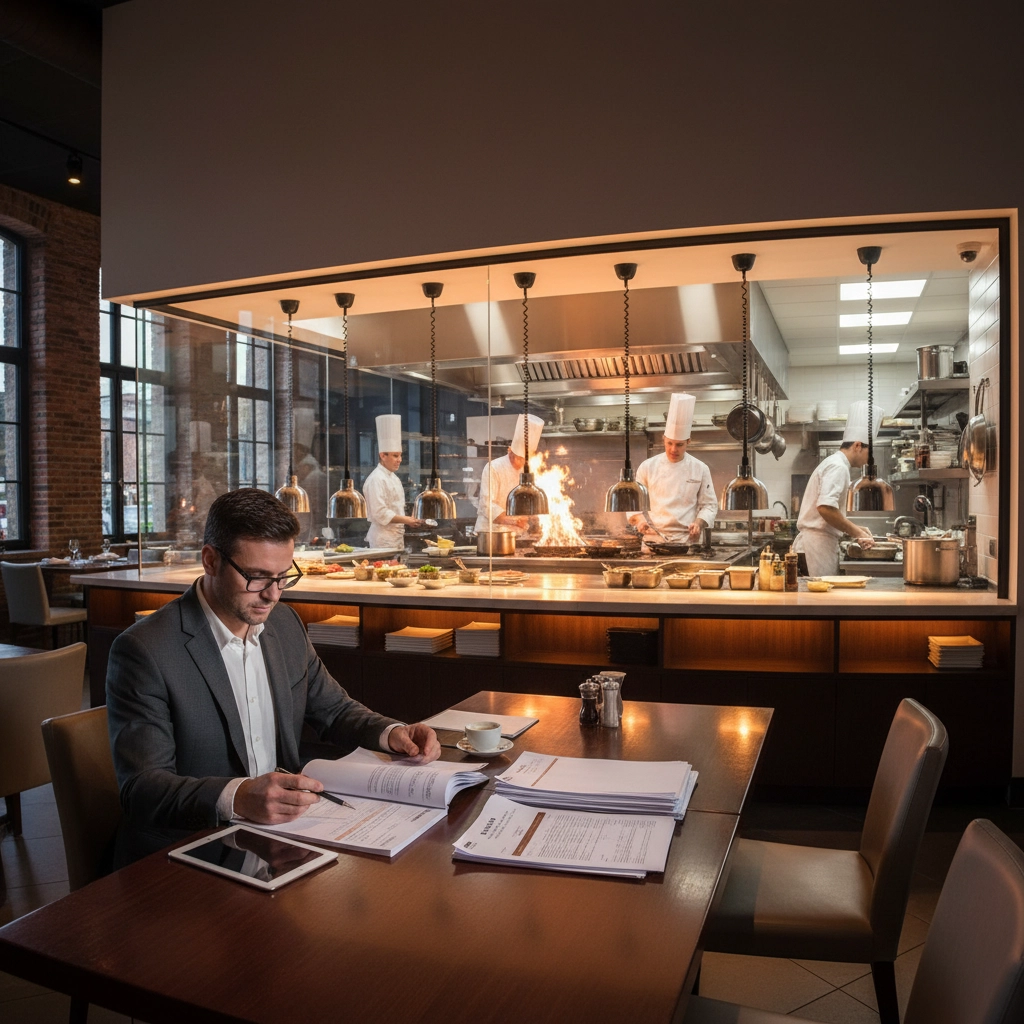
This bundled approach creates the perception of complete protection. Restaurant owners receive coverage for common risks including fire damage, theft, vandalism, and slip-and-fall incidents. The property component protects kitchen equipment, dining furniture, point-of-sale systems, and food inventory. Business interruption coverage maintains cash flow during repairs or rebuilding periods.
Critical Coverage Exclusions Restaurant Owners Miss
Workers Compensation Requirements
Business Owners Policies exclude workers compensation coverage entirely. Restaurant owners must purchase separate workers compensation insurance to comply with state regulations. This exclusion affects establishments with any employees, from part-time servers to full-time kitchen staff. The misconception that BOPs provide complete coverage leads to compliance violations and potential penalties.
Liquor Liability Protection Gaps
Restaurants serving alcohol require liquor liability insurance beyond standard BOP coverage. General liability within BOPs provides limited protection for alcohol-related incidents. Establishments serving beer, wine, or spirits need specialized coverage for over-service claims, patron altercations, and alcohol-related injuries. This additional protection requirement affects restaurants, bars, and catering operations.
Employment Practices Coverage
Business Owners Policies do not include employment practices liability protection. Restaurant owners face risks from wrongful termination claims, discrimination allegations, and workplace harassment situations. The service industry experiences higher employment-related claim frequencies, making this coverage gap particularly significant for restaurant operations.
Lesser-Known BOP Features for Restaurants
Food Spoilage Protection
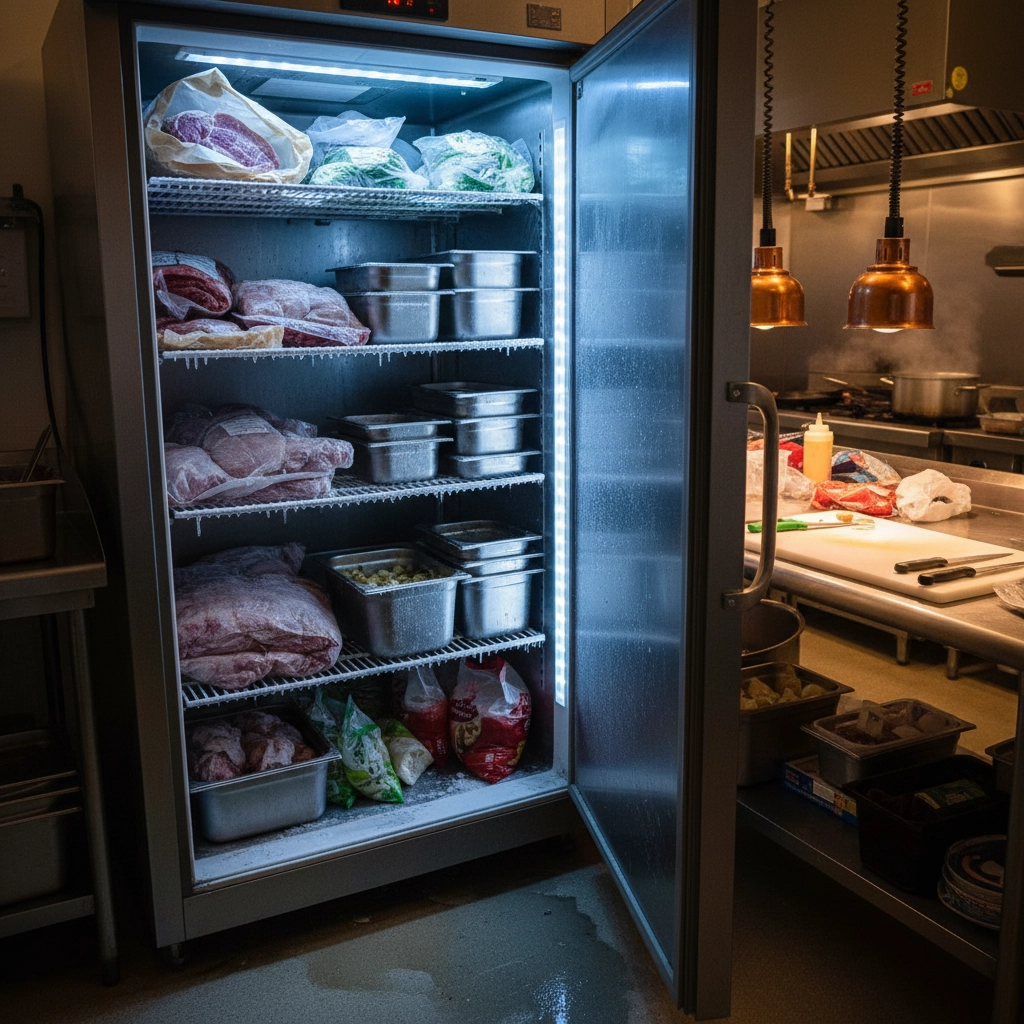
Many restaurant owners overlook food spoilage coverage within their Business Owners Policies. This protection covers inventory losses from equipment breakdowns, power outages, and contamination events. Coverage extends to refrigerated ingredients, prepared foods, and frozen inventory. Understanding coverage triggers and claim procedures maximizes this valuable protection component.
Business Personal Property Extensions
BOPs include broader coverage for business personal property than many owners realize. Protection extends to employee personal property, customer property in your care, and outdoor business property. Restaurant owners benefit from coverage for patio furniture, outdoor signage, and personal belongings of staff members damaged during covered events.
Additional Expense Coverage
Business interruption coverage within BOPs includes additional expense protection often overlooked by restaurant owners. This coverage pays for temporary relocation costs, expedited equipment replacement, and increased operating expenses during restoration periods. Understanding these benefits helps restaurant owners maintain operations during difficult recovery periods.
Size and Eligibility Restrictions
Business Owners Policies impose strict eligibility requirements affecting restaurant operations. Coverage availability depends on employee counts, annual revenue figures, and business square footage. Restaurants exceeding these thresholds must transition to separate commercial policies, requiring complete insurance restructuring.
Certain restaurant types face additional restrictions. Fast-food franchises, bars with live entertainment, and establishments with extensive delivery operations may not qualify for standard BOP coverage. Understanding eligibility requirements prevents coverage disruptions as businesses grow and evolve.
Additional Insurance Requirements
Commercial Auto Coverage Needs
Restaurant operations requiring delivery services need separate commercial auto insurance. Business Owners Policies exclude vehicle coverage entirely. Delivery operations, catering services, and food truck components require specialized auto protection. Personal auto policies typically exclude business use, creating significant liability gaps.
Cyber Security Protection
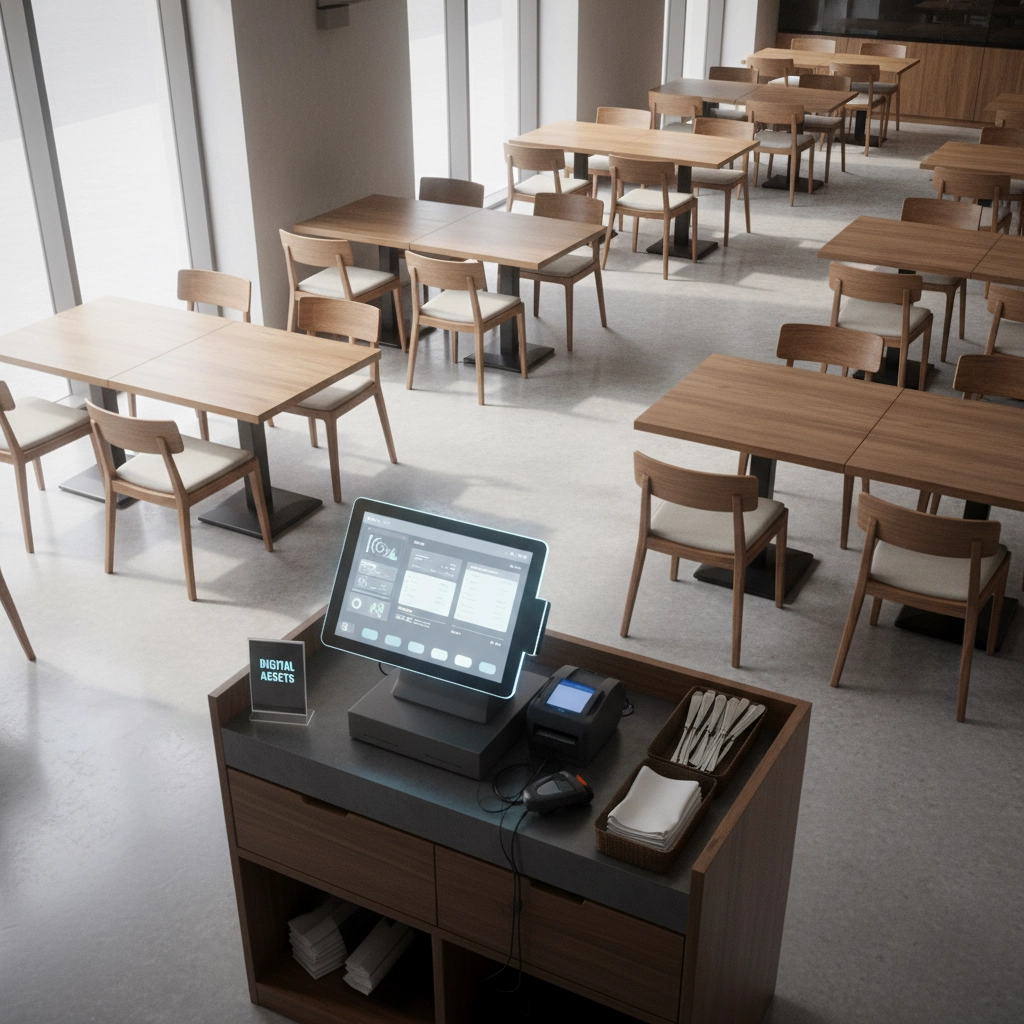
Modern restaurant operations face increasing cyber security risks not covered by traditional BOPs. Point-of-sale systems, online ordering platforms, and customer payment processing create data breach vulnerabilities. Cyber liability insurance protects against data theft, system restoration costs, and regulatory compliance requirements.
Product Liability Considerations
Restaurants face product liability risks beyond general liability coverage within BOPs. Food poisoning incidents, allergic reactions, and contamination events require specialized protection. Understanding how product liability integrates with existing coverage prevents dangerous protection gaps.
Premium Factors Affecting Coverage
Location-Based Risk Assessment
Insurance companies evaluate restaurant locations when determining BOP availability and coverage features. High-crime areas, flood-prone regions, and earthquake zones affect policy terms and available protections. Restaurant owners benefit from understanding how location factors influence their coverage options.
Business Operations Assessment
Specific restaurant operations influence BOP coverage availability and features. Establishments with cooking operations face different risk profiles than coffee shops or ice cream parlors. Alcohol service, late-night operations, and entertainment activities affect coverage terms and requirements.
Coverage Enhancement Options
Scheduled Equipment Protection
Restaurant owners can enhance BOP coverage through scheduled equipment endorsements. High-value kitchen equipment, specialized cooking systems, and unique fixtures receive increased protection limits. Scheduling equipment prevents depreciation deductions and provides replacement cost coverage.
Ordinance and Law Coverage
Building code compliance coverage within BOPs protects against increased reconstruction costs due to updated building requirements. Restaurant owners benefit from understanding how ordinance and law coverage affects renovation and rebuilding projects.
Understanding Policy Limitations
Coverage Territory Restrictions
Business Owners Policies limit coverage to specific territories affecting restaurant operations. Catering services, food delivery, and temporary event participation must occur within policy territories. Understanding geographical limitations prevents coverage disputes during off-premise activities.
Timing and Notification Requirements
BOPs include specific claim reporting requirements affecting coverage availability. Restaurant owners must understand notification timelines, documentation requirements, and cooperation obligations. Proper claim handling procedures protect coverage and expedite resolution processes.
Professional Guidance Benefits
Restaurant owners benefit from working with insurance professionals who understand food service industry risks. Insurance Alliance LLC provides specialized knowledge for restaurant insurance needs. Professional guidance ensures appropriate coverage selections and proper risk assessment.
Business Owners Policies provide valuable protection foundations for restaurant operations. Understanding coverage components, limitations, and additional requirements enables informed insurance decisions. Restaurant owners who recognize BOP capabilities and restrictions create comprehensive protection strategies addressing their unique operational risks.
The key to effective restaurant insurance lies in understanding what Business Owners Policies provide and what additional protections remain necessary. This knowledge prevents dangerous coverage gaps and ensures appropriate protection for restaurant investments and operations.


Comments