
Stop Losing Money to Hackers: The Ultimate Guide to Restaurant Cyber Protection in FL, TX, AZ, ID & WA
Restaurant owners face mounting cyber threats that drain profits through stolen payment data, operational downtime, and recovery expenses. Your establishment processes hundreds of credit card transactions daily while managing online orders, loyalty programs, and employee systems. Each digital touchpoint creates vulnerability that cybercriminals actively exploit.
Why Restaurants Attract Cybercriminals
Your restaurant operates multiple systems containing valuable customer data. Point-of-sale terminals process credit card information continuously throughout operating hours. Online ordering platforms store customer payment details and personal information. Loyalty programs maintain databases of customer preferences and contact details.
Cybercriminals target restaurants because these businesses often prioritize customer service over cybersecurity infrastructure. Many restaurant operators lack dedicated IT staff to monitor security threats. Employee turnover means consistent security training becomes challenging to maintain.
Critical Vulnerabilities in Restaurant Operations
Point-of-Sale System Weaknesses
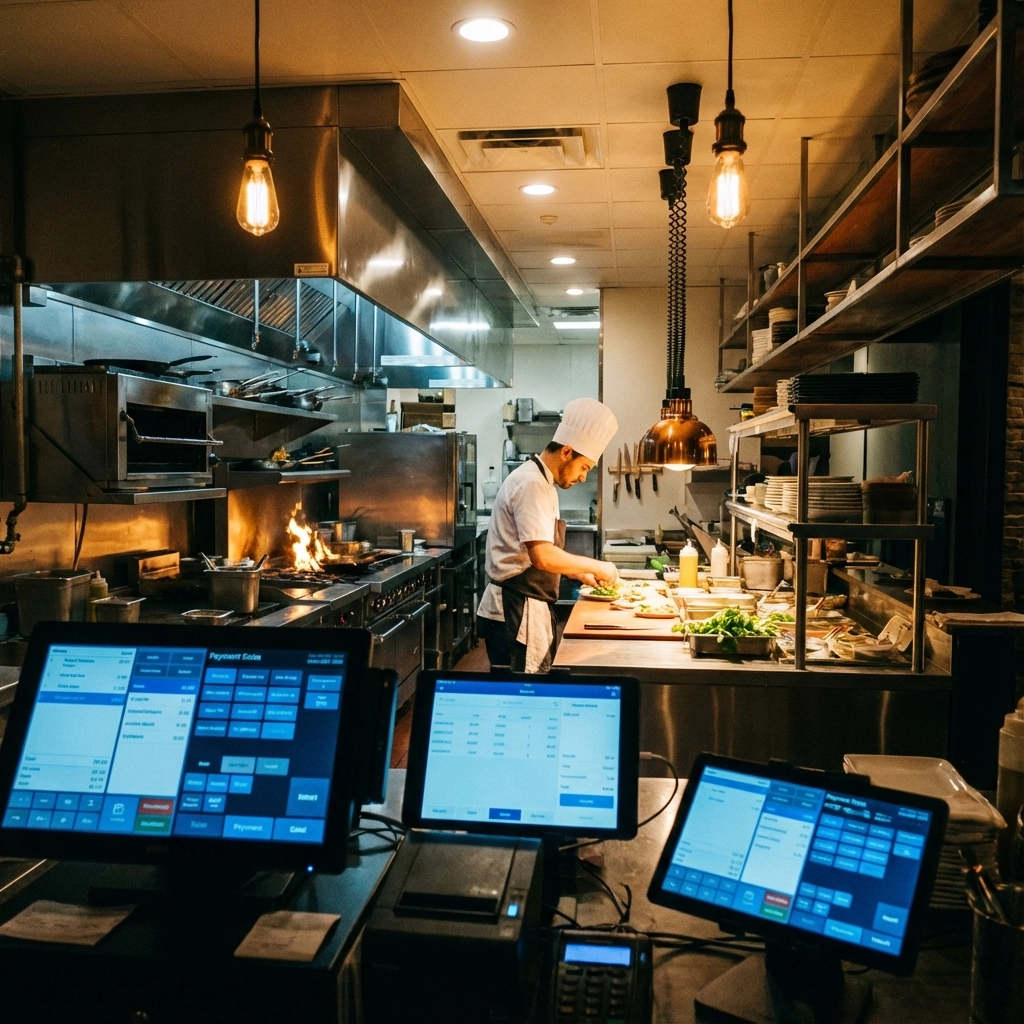
Your POS terminals represent the most attractive target for hackers seeking payment card data. These systems frequently run outdated software with unpatched security holes. Many restaurants delay software updates to avoid disrupting daily operations.
Criminals install card-skimming malware directly onto POS systems to capture customer payment information. This stolen data sells for premium prices on dark web marketplaces. A single compromised POS terminal can expose thousands of customer transactions.
Weak Password Management
Restaurant employees often share login credentials across multiple systems for convenience. Generic passwords like "restaurant123" or "admin" provide easy access for cybercriminals. Staff members frequently write passwords on sticky notes near computer terminals.
Many restaurant systems still use default manufacturer passwords that remain unchanged after installation. These standard credentials are widely known among cybercriminals and provide immediate system access.
Unsecured Wi-Fi Networks
Free guest Wi-Fi attracts customers but creates security risks when improperly configured. Many restaurants connect their business systems to the same network as customer devices. Hackers sitting in your dining room can potentially access your POS terminals and financial systems.
Weak Wi-Fi passwords or open networks allow unauthorized users to intercept data transmissions. Cybercriminals use specialized equipment to capture login credentials and payment information transmitted over unsecured connections.

Essential Protection Strategies
Implement Multi-Factor Authentication
Multi-factor authentication requires employees to verify their identity using multiple methods before accessing sensitive systems. This security layer prevents unauthorized access even when passwords become compromised.
Configure MFA for all POS systems, online ordering platforms, and administrative accounts. Require verification through text messages, authentication apps, or physical security keys. Train staff to complete authentication steps correctly without bypassing security protocols.
Establish Network Segmentation
Create separate networks for customer Wi-Fi and business operations to prevent unauthorized internal access. Configure your guest network to block communication with business systems and databases.
Install firewalls between network segments to control data flow and monitor suspicious activity. Set up dedicated networks for POS terminals that isolate payment processing from other restaurant systems.
Deploy Endpoint Security Solutions
Install comprehensive antivirus and anti-malware software on all restaurant computers and devices. Configure automatic scanning schedules to detect threats before they compromise your systems.
Enable real-time protection that monitors system activity and blocks suspicious programs. Ensure security software updates automatically to defend against emerging threats.

Data Protection and Recovery Planning
Regular Backup Procedures
Schedule automated backups of all critical restaurant data including customer information, sales records, and system configurations. Store backup copies in secure off-site locations or cloud storage services.
Test backup restoration processes monthly to ensure data recovery works correctly during emergencies. Document backup procedures so multiple staff members can execute recovery operations.
Encryption for Sensitive Data
Encrypt customer payment information both during transmission and while stored on your systems. Use industry-standard encryption protocols that render stolen data unreadable without proper decryption keys.
Configure end-to-end encryption for online orders and payment processing to protect customer data throughout the transaction process. Ensure encrypted data remains protected even if cybercriminals gain system access.
Employee Training and Security Awareness
Phishing Recognition Training
Train all restaurant staff to identify suspicious emails requesting login credentials or financial information. Teach employees to verify unexpected requests through direct phone contact before providing sensitive information.
Conduct regular phishing simulation exercises to test employee awareness and reinforce proper response procedures. Provide immediate feedback when staff members correctly identify or fall for simulated phishing attempts.
Access Control Management
Implement role-based access controls that limit employee system permissions to job-specific requirements. Remove access immediately when employees leave your restaurant.
Create unique user accounts for each staff member to track system activity and maintain accountability. Avoid sharing generic accounts across multiple employees.
Incident Response Planning
Immediate Response Procedures
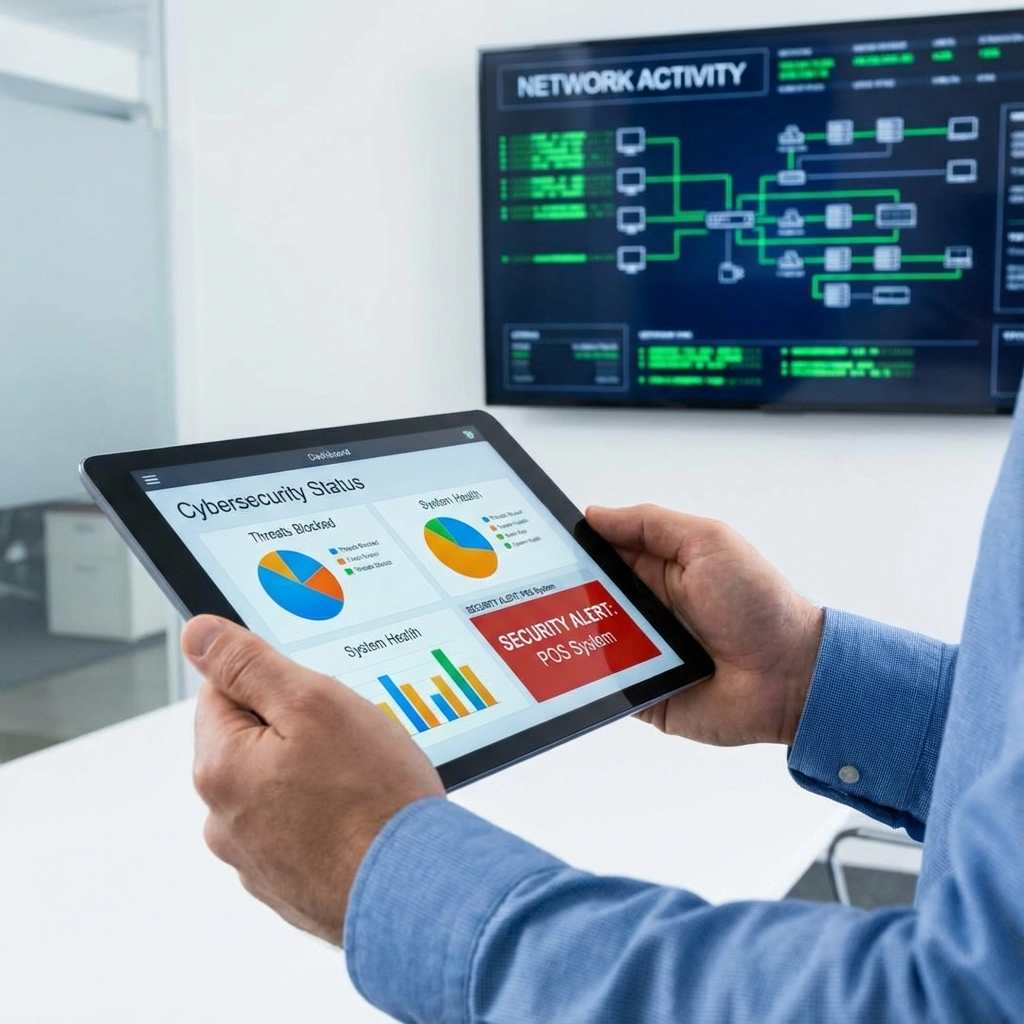
Develop written procedures for responding to suspected cyber attacks or data breaches. Identify key personnel responsible for executing response plans and external contacts for technical assistance.
Create communication templates for notifying customers, vendors, and regulatory authorities about security incidents. Establish protocols for preserving evidence and documenting the scope of any breach.
Business Continuity Planning
Prepare alternative payment processing methods to maintain operations during POS system outages. Train staff to process manual credit card transactions using backup terminals or mobile payment devices.
Establish relationships with cybersecurity professionals who can provide emergency response services during security incidents. Maintain contact information for legal counsel specializing in data breach notification requirements.
Vendor and Third-Party Security
Supplier Risk Assessment
Evaluate the cybersecurity practices of all technology vendors and service providers working with your restaurant. Require vendors to demonstrate compliance with industry security standards.
Include cybersecurity requirements in vendor contracts and service agreements. Establish regular security reviews for critical suppliers handling customer data or system access.
Software Update Management
Maintain current software versions on all restaurant systems including POS terminals, ordering platforms, and security applications. Create update schedules that minimize disruption to daily operations.
Test software updates in controlled environments before deploying to production systems. Monitor vendor security bulletins for critical patches requiring immediate installation.

Cyber Liability Insurance Considerations
Cyber liability insurance provides financial protection when data breaches or cyber attacks impact your restaurant operations. This coverage helps manage costs associated with data recovery, customer notification, and business interruption.
Insurance policies typically cover legal fees, regulatory fines, and credit monitoring services for affected customers. Some policies include access to cybersecurity experts who assist with incident response and system recovery.
Work with insurance professionals who understand restaurant-specific cyber risks to ensure adequate coverage limits. Review policy terms regularly to maintain protection as your restaurant's technology infrastructure evolves.
Protecting Your Restaurant's Digital Future
Restaurant cyber protection requires ongoing commitment to security best practices and employee training. Implement these strategies systematically rather than attempting comprehensive changes simultaneously.
Start with the most critical vulnerabilities in your current operations before expanding security measures to additional systems. Regular security assessments help identify new risks as your restaurant adopts emerging technologies.
Contact Insurance Alliance LLC to discuss cyber liability coverage options that protect your restaurant against evolving cyber threats while supporting your business growth objectives.


Comments