
Hired and Non-Owned Auto Insurance: A Critical BOP Endorsement
Many business owners assume their commercial insurance covers all vehicle-related liabilities. This assumption creates dangerous gaps in protection. Hired and Non-Owned Auto Insurance addresses these gaps and provides essential coverage for businesses operating in Florida, Texas, Arizona, Idaho, and Washington.
This endorsement becomes critical when employees use personal vehicles for work tasks or when your business rents vehicles for operations. Without it, your Business Owner's Policy may leave your company exposed to significant liability.
What Is Hired and Non-Owned Auto Insurance?
Hired and Non-Owned Auto Insurance (HNOA) is a liability coverage endorsement that protects businesses when employees or the company use vehicles not owned by the business for work purposes. This includes rented, leased, borrowed, or personal vehicles used during business activities.
HNOA functions as an add-on to your existing Business Owner's Policy. It fills the coverage void that standard commercial policies do not address regarding vehicle liability.
The endorsement consists of two distinct coverage components that work together to protect your business interests.
Understanding Hired Auto Coverage
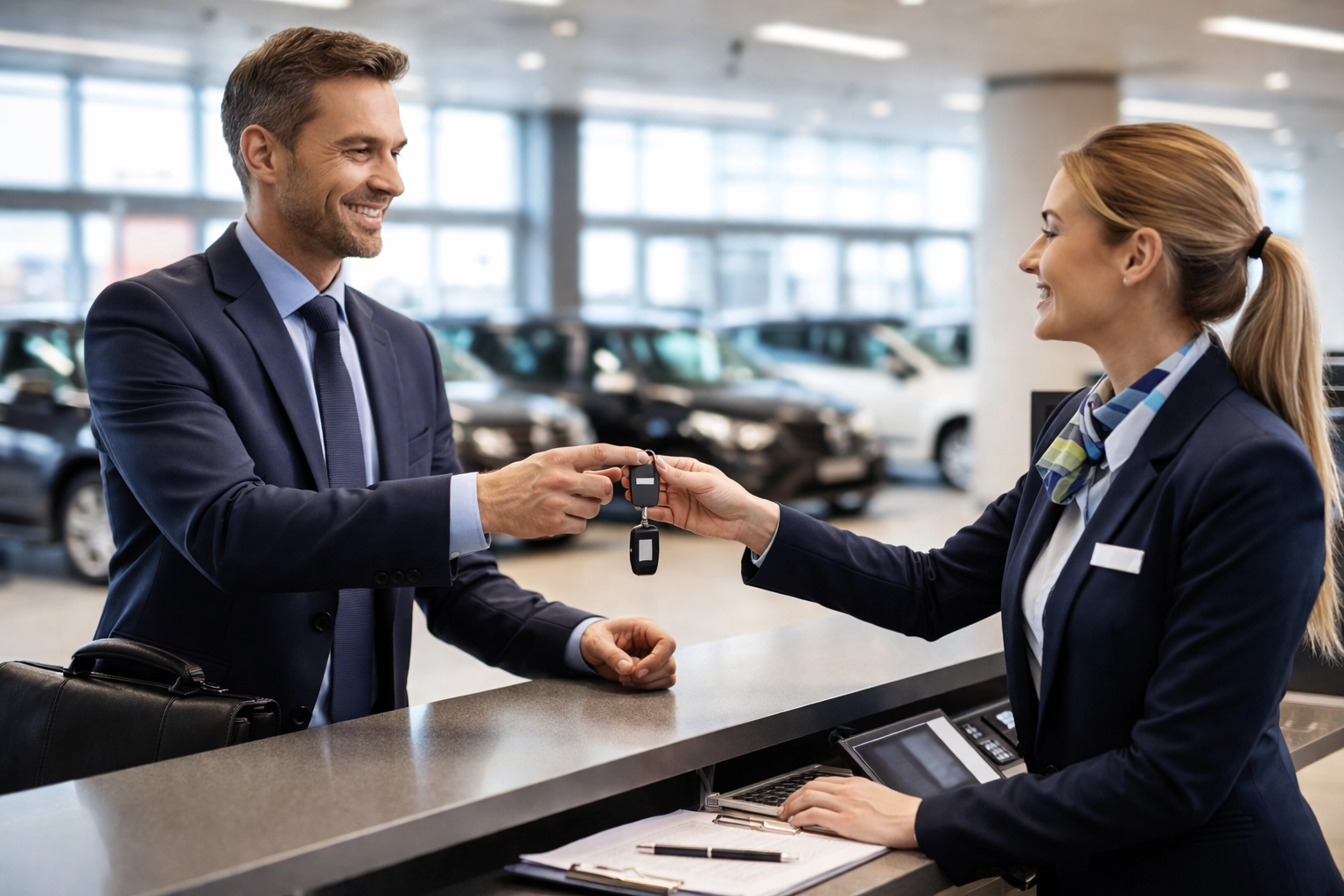
Hired auto coverage applies when you or your employees operate rented, leased, or borrowed vehicles for business purposes. This coverage activates in numerous business scenarios.
Common situations include:
Renting a vehicle for a business trip
Leasing a van for temporary delivery needs
Borrowing a vehicle to transport equipment
Using rental cars during out-of-town meetings
When an employee operates a hired vehicle and causes an accident during business activities, this coverage provides liability protection for third-party injuries and property damage. The business receives protection regardless of who rented or borrowed the vehicle, provided the use was work-related.
Understanding Non-Owned Auto Coverage
Non-owned auto coverage protects your business when employees use their personal vehicles for work tasks. This component proves essential for businesses that do not maintain a fleet but rely on employees to run errands, make deliveries, or visit clients.
This coverage provides an additional layer of liability protection that extends beyond the employee's personal auto policy limits. When damages from a work-related accident exceed what the employee's personal insurance covers, the non-owned auto endorsement activates.
Business activities covered include:
Employees driving to meet clients
Staff running errands for the office
Workers picking up supplies
Sales representatives visiting prospects
Delivery of documents or products

Why Your Business Needs This Endorsement
Employers face legal liability when employees cause accidents while performing job duties. This liability exists even when the employee uses a personal vehicle. Courts regularly hold businesses responsible for the actions of employees acting within the scope of their employment.
Without HNOA, your business lacks adequate protection for third-party liability arising from vehicle accidents during work activities. Your standard Business Owner's Policy does not automatically include this coverage.
Consider these business scenarios:
An administrative assistant drives to the post office to mail company documents. A sales representative visits a prospect across town. A manager picks up catering for a company meeting. Each scenario creates potential liability for your business.
The employee's personal auto insurance provides primary coverage. However, if that coverage proves insufficient for the damages involved, injured parties may pursue your business for the remaining amounts. HNOA provides the secondary coverage your business needs.
What Hired and Non-Owned Auto Insurance Covers
HNOA primarily provides liability coverage for third-party bodily injury and property damage. This coverage applies to injuries and damages caused to others, not to your employees or your business vehicles.
Bodily Injury Coverage Includes:
Medical expenses for injured third parties
Prescription costs
Lost income compensation
Legal defense expenses
Settlement costs
Property Damage Coverage Includes:
Repair costs for damaged vehicles
Replacement costs for destroyed property
Legal defense expenses
Settlement costs for property damage
The coverage operates on a secondary basis. The employee's personal auto policy or the rental company's coverage applies first. HNOA activates when those primary coverages reach their limits.
Coverage Limitations to Understand
HNOA has specific limitations that business owners must understand. This endorsement does not provide comprehensive coverage for all vehicle-related incidents.
HNOA does not cover:
Physical damage to the hired or non-owned vehicle itself
Medical expenses for your employees involved in accidents
Collision damage to rented vehicles
Comprehensive losses like theft or weather damage
Normal wear and tear on borrowed vehicles
For physical damage protection on rented vehicles, separate rental car coverage may be necessary. Employee injuries typically fall under workers' compensation coverage rather than auto insurance.
Businesses That Benefit Most
Certain business types have elevated exposure to hired and non-owned auto liability. These businesses should prioritize adding this endorsement to their coverage.
Professional Service Firms: Accountants, consultants, attorneys, and other professionals regularly visit clients. Staff members use personal vehicles for these visits. Learn more about coverage for professional offices.
Contractors: HVAC contractors, electrical contractors, and flooring contractors send employees to job sites daily. Many use personal vehicles to reach locations.
Healthcare Practices: Chiropractic offices and medical practices may have staff who travel between locations or make supply runs.
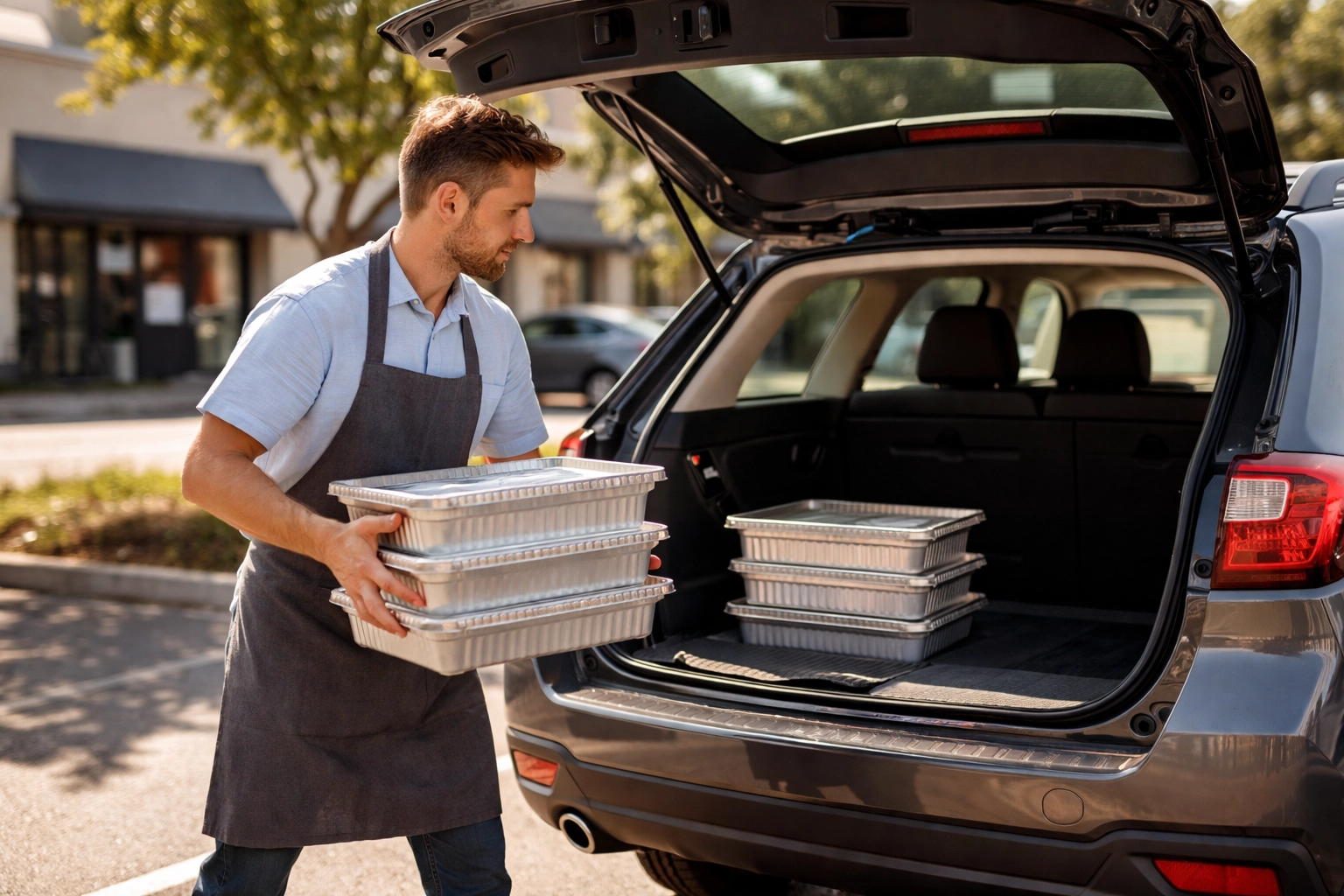
Restaurants: Quick service restaurants and full-service establishments often send employees for supply pickups or catering deliveries.
How HNOA Works With Your BOP
A Business Owner's Policy bundles several essential coverages into one package. Adding HNOA as an endorsement creates seamless integration with your existing protection.
The endorsement attaches directly to your BOP. This means your coverage documents remain consolidated. Your liability limits for HNOA typically align with your overall business liability coverage.
When an incident occurs, the coverage determination follows a clear process. First, the primary coverage on the vehicle applies. Second, if limits are exhausted, your HNOA endorsement provides additional protection. This layered approach ensures maximum protection for your business.

Evaluating Your Business Exposure
Assess your current operations to determine your exposure level. Consider these questions:
Do employees ever use personal vehicles for any work-related task? Do you rent or lease vehicles for business purposes, even occasionally? Do employees travel to client locations, job sites, or off-site meetings?
If you answered yes to any question, your business has exposure that HNOA addresses. The frequency of these activities determines your overall risk level.
Businesses in Florida, Texas, Arizona, Idaho, and Washington face similar liability exposures. Employee vehicle use creates consistent risk regardless of location.
Adding HNOA to Your Coverage
Review your current Business Owner's Policy to determine if HNOA is already included. Some policies include basic coverage while others require a specific endorsement.
Work with your insurance professional to evaluate appropriate coverage limits. These limits should align with your overall liability protection and your business's specific risk profile.
Document your business vehicle use policies. Understanding how employees use vehicles for work helps determine appropriate coverage levels.
Protect Your Business Operations
Hired and Non-Owned Auto Insurance represents an essential component of comprehensive business protection. This endorsement addresses liability gaps that standard policies leave open.
Businesses operating in Florida, Texas, Arizona, Idaho, and Washington benefit from adding this coverage to their BOP. The protection applies whenever employees or the business use non-owned vehicles for work purposes.
Insurance Alliance LLC provides guidance on Hired and Non-Owned Auto Insurance and other essential business coverages. Contact us to review your current coverage and discuss your business protection needs.


Comments