
10 Reasons Your Equipment Breakdown Claim Might Be Denied (And How to Fix It)
Equipment breakdown coverage is a specialized form of property insurance designed to protect a business from the sudden and accidental failure of machinery and electrical systems. For restaurant owners, this coverage is often the difference between a minor operational hiccup and a catastrophic closure. While a standard business owners policy (BOP) typically includes equipment breakdown provisions, the complexity of mechanical systems and the stringent requirements for documentation often lead to coverage denials.
Understanding the technical nuances of equipment failure and the rigors of risk management is essential for ensuring that your assets remain protected. This guide provides a comprehensive analysis of why equipment-related insurance requests are frequently rejected and the specific steps you can take to maintain compliance and coverage eligibility.
1. Failure to Provide Preventative Maintenance Records
The most common reason for a denial in equipment breakdown coverage is a lack of documented maintenance. Insurance policies are contracts based on the assumption that the policyholder is exercising due diligence in maintaining their property. If a compressor in a walk-in freezer fails, the first item an adjuster will request is the service log for that specific unit.
The Technical Reality Mechanical systems, especially in high-volume restaurant environments, require specific intervals of service. This includes cleaning condenser coils, checking refrigerant levels, and calibrating thermostats. If these tasks are not performed according to the manufacturer's specifications, any subsequent failure may be viewed as a result of neglect rather than a "sudden and accidental" event.
How to Fix It
Implement a Digital Maintenance Log: Move away from paper records. Use a digital platform to track every service call, filter change, and inspection.
Adhere to OEM Guidelines: Ensure your technicians are following the Original Equipment Manufacturer (OEM) guidelines.
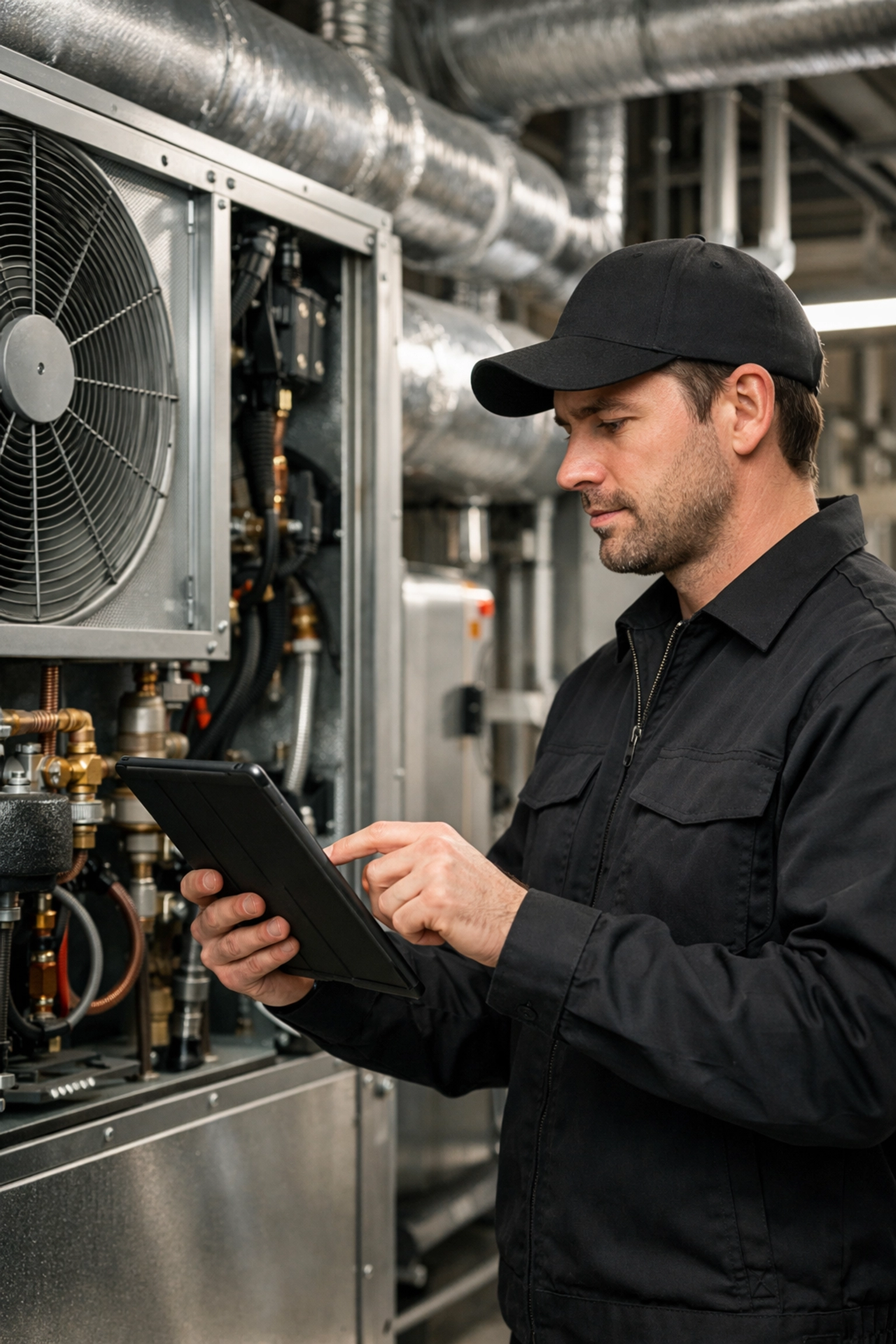
Quarterly Professional Inspections: Schedule third-party HVAC and refrigeration experts to perform quarterly preventative maintenance and provide a signed report of findings.
2. Misclassifying Wear and Tear as a Breakdown
Property insurance and equipment breakdown endorsements are not maintenance contracts. They do not cover the gradual deterioration of a machine over time. "Wear and tear" is a standard exclusion in almost every commercial policy.
The Technical Reality Equipment breakdown is defined by a sudden physical event that requires repair or replacement. This includes electrical arcing, mechanical breakdown, or pressure vessel bursting. It does not include a bearing that slowly grinds down over five years until the motor stops. If the technician’s report indicates that the "unit reached the end of its useful life" or "failed due to age-related corrosion," the claim will be denied.
How to Fix It
Failure Analysis: When a critical piece of equipment fails, have a qualified engineer or senior technician perform a failure analysis. If the failure was caused by a sudden surge or a fractured component, ensure the report explicitly states this.
Proactive Replacement: Track the age of your equipment. If a unit is past its expected lifespan, replace it proactively. This maintains the integrity of your restaurant insurance profile by demonstrating a commitment to risk management.
3. Inadequate Documentation of the "Event"
To trigger coverage, you must prove that a specific event occurred at a specific time. Vague descriptions such as "the oven stopped working sometime last week" are insufficient and often lead to immediate denial.
The Technical Reality Insurers look for a "point of origin" for the failure. For electrical systems, this might be a burnt-out circuit board or evidence of arcing within a control panel. For mechanical systems, it might be a seized pump. Without physical or photographic evidence of the specific point of failure, the insurer cannot verify that a covered cause of loss occurred.
How to Fix It
The 24-Hour Rule: Document the failure within 24 hours. Take high-resolution photos of the equipment, the control panels, and any visible damage.
Preserve the Parts: Never allow a technician to take the broken parts with them or throw them in the trash until the insurance adjuster has authorized it. The failed component is your primary piece of evidence.
Timestamped Logs: Utilize IoT-connected sensors that provide timestamped data on temperature drops or power fluctuations. This data provides objective proof of when the breakdown occurred.
4. Failure to Mitigate Secondary Loss
In the event of a breakdown, the policyholder has a contractual obligation to prevent further damage. In the restaurant industry, this usually relates to "spoilage coverage." If a refrigeration unit fails and the owner does nothing to move the inventory to a working unit or hire a refrigerated truck, the insurer may deny the portion of the claim related to the lost food.
The Technical Reality Mitigation is a core component of risk management. If a breakdown causes a leak, you must stop the leak. If it causes a temperature rise, you must protect the perishables. Failure to take "reasonable steps" to mitigate the loss can void the entire claim.
How to Fix It
Emergency Response Plan: Have a written plan for equipment failure. This should include contact info for emergency repair services and a pre-arranged agreement with a cold storage facility or a neighboring business.
Document Mitigation Efforts: Keep receipts for dry ice, temporary rentals, or additional labor used to move stock. These expenses are often reimbursable under the "extra expense" portion of your policy, but only if they were incurred to mitigate a larger loss.

5. Unauthorized Repairs and Disposal of Evidence
In a busy kitchen, the instinct is to get the equipment fixed immediately to stay in operation. However, performing a total repair or, worse, replacing the entire unit before an adjuster can inspect it is a recipe for denial.
The Technical Reality Insurance companies have the "right of inspection." By repairing the item or disposing of the failed parts, you have "prejudiced the insurer's rights" to investigate the cause of loss. Without an investigation, they are not obligated to pay.
How to Fix It
Temporary vs. Permanent Repairs: You are allowed to make temporary repairs to mitigate loss. However, you should not authorize a full replacement or permanent overhaul until you have spoken with your insurance representative.
Communication Log: Maintain a log of every conversation with the insurance company. If they give you verbal permission to proceed with a repair, document the date, time, and the name of the person who gave the authorization.
6. Operator Error and Training Deficiencies
While many equipment breakdown policies cover "human error" in a general sense, systemic failures caused by untrained staff can lead to exclusions, particularly if it borders on "gross negligence."
The Technical Reality If an employee bypasses a safety sensor on a dishwasher or operates a high-pressure steamer without following the daily blow-down procedure, the resulting explosion or mechanical failure may be excluded. Insurers expect that equipment is operated by trained personnel according to safety standards.
How to Fix It
Standard Operating Procedures (SOPs): Every major piece of equipment should have a laminated SOP nearby.
Training Logs: Keep signed records of employee training for equipment operation. This demonstrates a professional approach to risk management and can help rebut assertions of negligence.
Safety Compliance: Regularly inspect equipment for tampered safety devices or bypassed controls.
7. Power Surge vs. Mechanical Breakdown
It is common for restaurant owners to confuse a power surge (an external electrical event) with a mechanical breakdown (an internal failure). These are often covered under different parts of a property insurance policy or require specific endorsements.
The Technical Reality A power surge coming from the utility grid is an external peril. A mechanical breakdown, such as a motor seizing due to internal lubrication failure, is an internal peril. If you file for a mechanical breakdown but the technician finds evidence of a lightning strike or utility surge, the claim may be denied if you do not have the correct "utility services" or "off-premises power" endorsements.
How to Fix It
Review Your Endorsements: Work with your agent to ensure your BOP includes both internal equipment breakdown and external power surge protection.
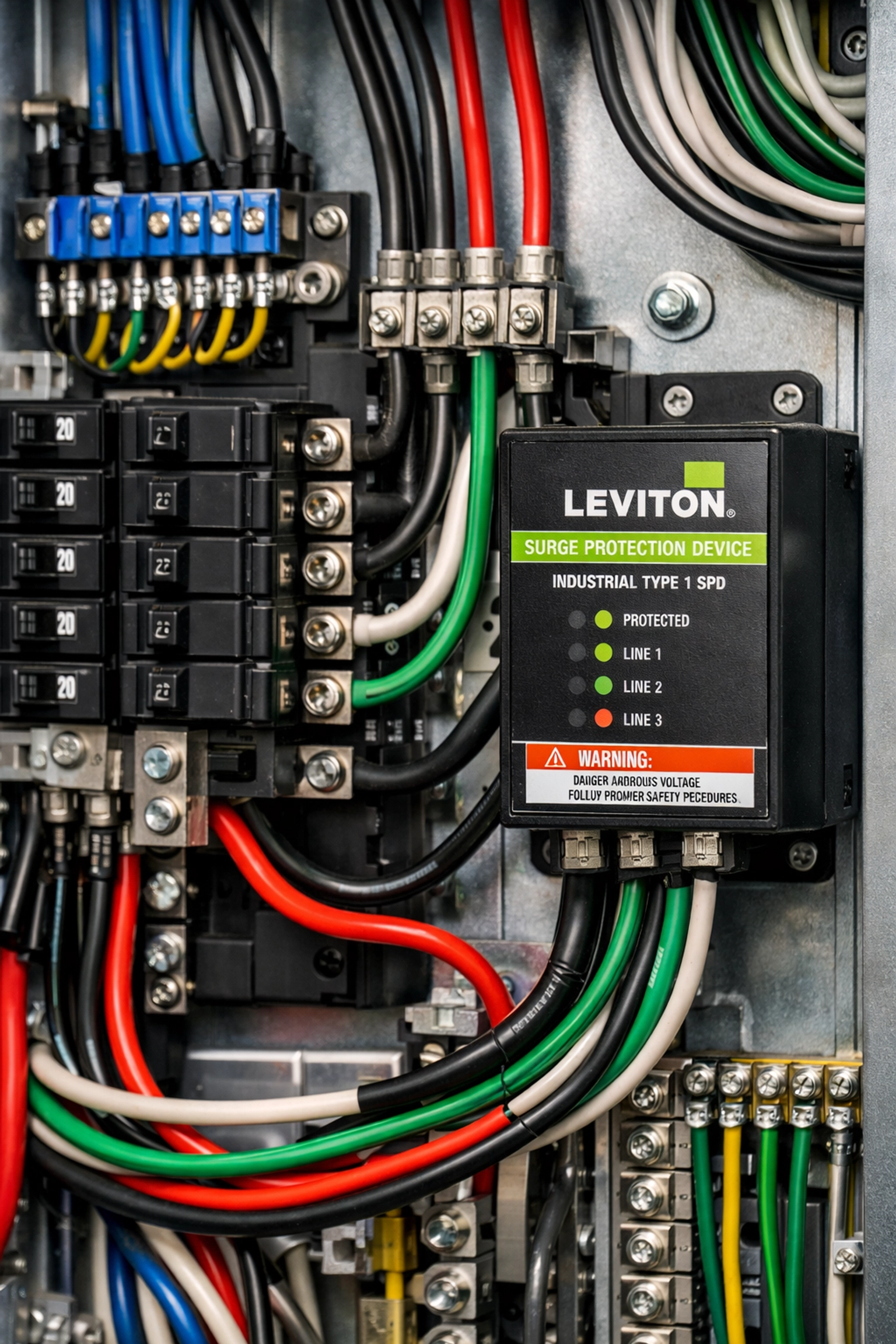
Surge Protection Systems: Install commercial-grade surge protection at the main electrical panel. This is a vital risk management step that prevents the failure from happening in the first place.
Understand the Difference: Refer to our guide on equipment breakdown vs. inland marine to understand how different types of machinery are classified and covered.
8. Presence of Pre-existing Conditions
If you purchase a used piece of equipment or take over a lease with existing machinery, you are inheriting the risk associated with that equipment. If a unit fails shortly after the policy inception and shows signs of previous (unrepaired) damage, the claim will be denied as a pre-existing condition.
The Technical Reality Insurers do not cover damage that existed prior to the policy's effective date. This is why many carriers require a "Statement of No Loss" or a baseline inspection for new accounts with aging equipment.
How to Fix It
Baseline Inspections: When acquiring new equipment or starting a new policy, have a professional inspect the major systems. This creates a "clean bill of health" that you can use to prove the equipment was in good working order at the start of the coverage period.
Disclosure: Always disclose the age and condition of your equipment accurately. Transparency at the start of a policy prevents disputes during the claim process.
9. Exceeding Sub-limits and Coverage Gaps
Many business owners assume that if they have "Equipment Breakdown" coverage, everything is covered up to the full limit of the policy. In reality, equipment breakdown often has "sub-limits" for specific types of losses, such as spoilage, hazardous substance clean-up, or data restoration.
The Technical Reality A policy might have a $1,000,000 limit for property damage but only a $10,000 sub-limit for food spoilage. If a walk-in freezer failure results in $25,000 of lost inventory, $15,000 of that loss will be "denied" because it exceeds the sub-limit.
How to Fix It
Audit Your Inventory Value: Calculate the maximum value of the inventory you have on-site at any given time (including peak seasons). Ensure your spoilage sub-limit matches this value.
Review Policy Language: Check for "Hazardous Substance" limits. If a refrigeration leak requires professional environmental cleanup, you need to ensure the coverage limit is sufficient for specialized remediation.
10. Misclassification of the Equipment Type
Not all "machines" are considered "equipment" under an equipment breakdown endorsement. This is a common point of technical confusion that leads to coverage gaps.
The Technical Reality Generally, equipment breakdown covers "boilers, pressure vessels, electrical systems, and mechanical systems." It often excludes "mobile equipment" (which should be on an inland marine policy) and "delivery vehicles" (which require commercial auto insurance).
How to Fix It
Asset Inventory: Create a master list of all business assets. Categorize them as stationary (refrigeration, HVAC, ovens) or mobile (delivery vans, forklifts, food trucks).
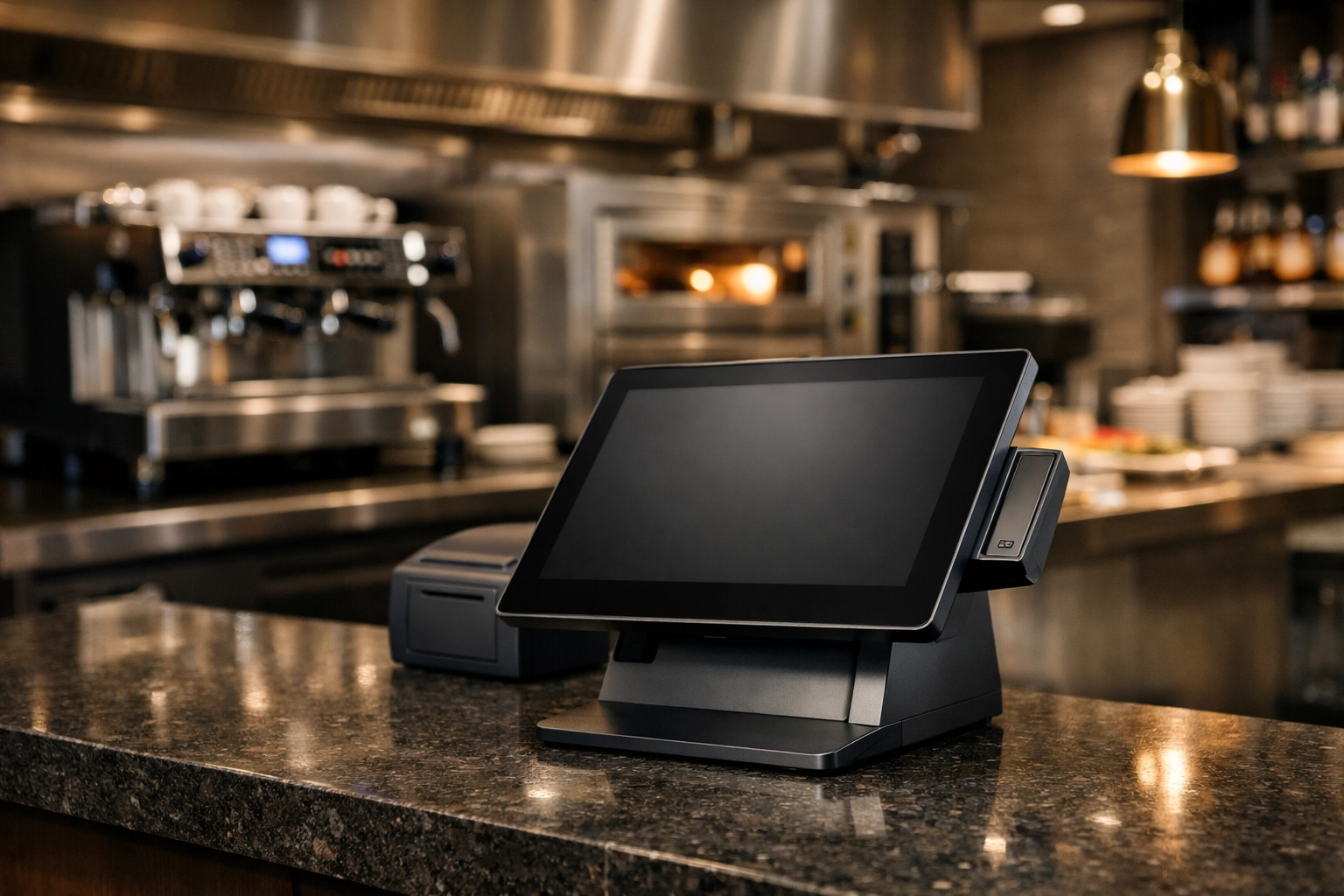
Specific Endorsements: Ensure that specialized tech, like high-end POS systems or smart-kitchen hardware, is explicitly covered. For more information on tech-specific risks, see our post on targeted tech endorsements.
Summary of Risk Management Steps
To ensure your restaurant remains compliant and your equipment is eligible for coverage, follow this prioritized checklist:
Standardize Maintenance: Establish a rigorous schedule for all mechanical systems and keep digital logs.
Professional Failure Reports: Only use licensed technicians who provide detailed, technical descriptions of failures.
Physical Evidence: Never dispose of failed parts until authorized.
Policy Alignment: Verify that your spoilage and extra expense sub-limits reflect your actual business exposure.
Staff Training: Document that all operators have been trained on equipment safety and emergency shutdown procedures.
Equipment breakdown is a technical field that requires a proactive approach to risk management. By treating your machinery as the core of your business infrastructure and maintaining the documentation to prove it, you can avoid the common pitfalls that lead to claim denials.
For a deeper look into maintaining compliance in a restaurant environment, explore our Washington restaurant insurance 101 guide or review our fire safety documentation requirements.
Insurance Alliance LLC Specializing in comprehensive risk management and business insurance across multiple states.


Comments