
Equipment Breakdown vs. Inland Marine: Which One Actually Protects Your Heavy Machinery?
Heavy machinery represents a significant investment for contractors, manufacturers, and construction companies. Understanding which insurance coverage protects that machinery: and when: prevents costly gaps in protection.
Equipment Breakdown and Inland Marine coverages serve different purposes. Each addresses distinct risks. Many businesses need both to achieve comprehensive protection for heavy machinery.
What Equipment Breakdown Coverage Protects
Equipment Breakdown insurance responds to sudden and accidental mechanical or electrical failures of business equipment. This coverage addresses internal malfunctions that cause machinery to stop working.
The coverage protects against failures in:
Motors, generators, and pumps
Production machinery and manufacturing equipment
Electrical systems including transformers, panels, and cables
HVAC and refrigeration systems
Boilers and pressure vessels
Computer and communication systems
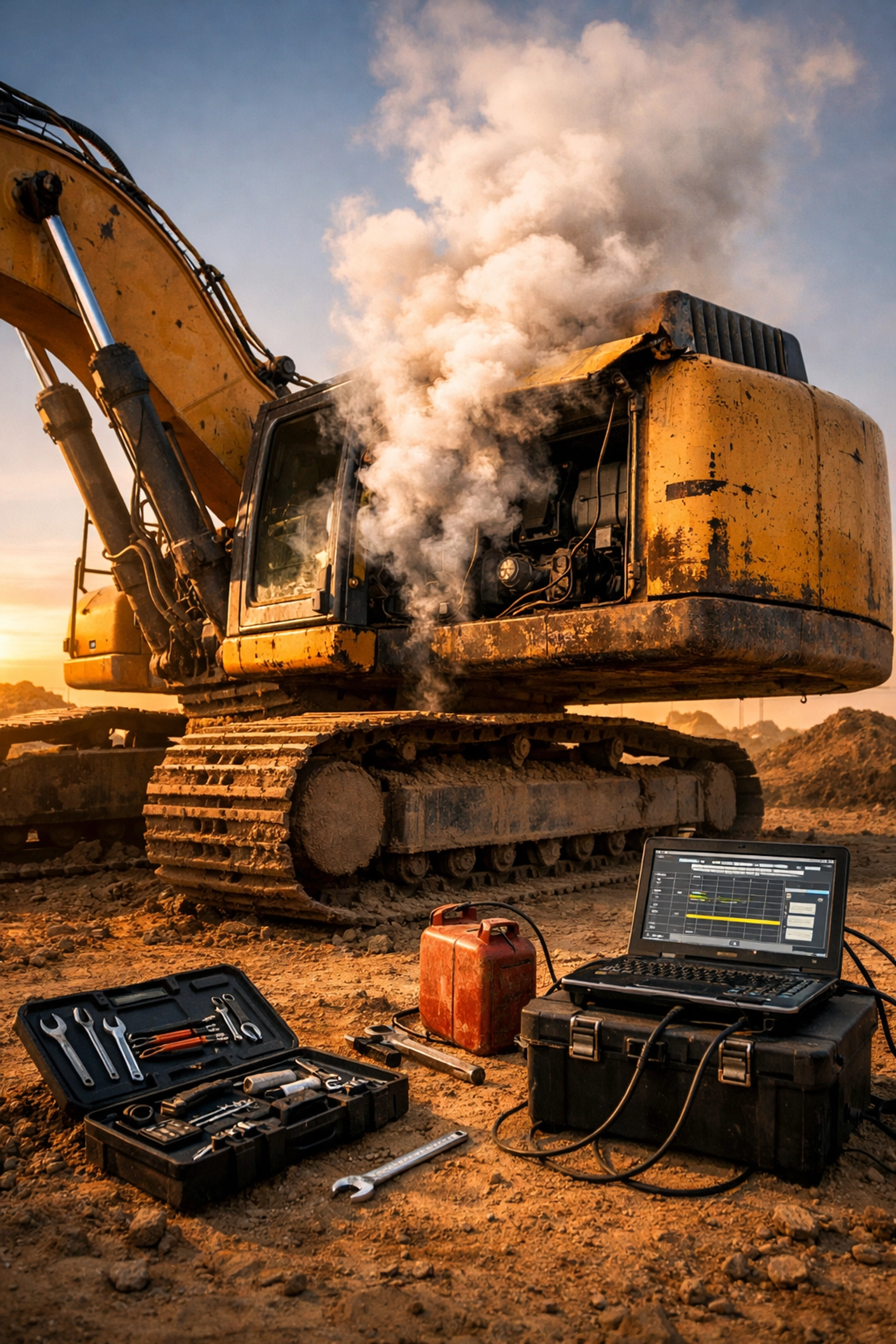
When a covered breakdown occurs, Equipment Breakdown insurance typically covers:
Repair and Replacement Costs: The policy pays for parts, labor, and necessary repairs to restore equipment to working condition. If repair is not feasible, the coverage provides for replacement.
Business Income Protection: Many Equipment Breakdown policies include business interruption coverage. This protects against income loss while machinery is down and being repaired.
Spoilage Coverage: For businesses with refrigeration equipment, the policy covers inventory loss when a breakdown causes temperature control failure.
Expedited Repair Expenses: The coverage includes additional costs for emergency repairs, overtime labor, or expedited shipping of replacement parts.
Property Damage Liability: If the equipment breakdown damages property belonging to others, this coverage responds.
Equipment Breakdown Exclusions
This coverage does not respond to damage from:
Normal wear and tear
Gradual deterioration
Lack of proper maintenance
Operator error or misuse
External physical damage from accidents or impacts
Equipment Breakdown addresses internal failures only. External damage requires different coverage.
What Inland Marine Coverage Protects
Inland Marine insurance protects property that moves from location to location or exists away from a primary business premises. For contractors and construction companies, this coverage is essential for heavy machinery used at multiple job sites.
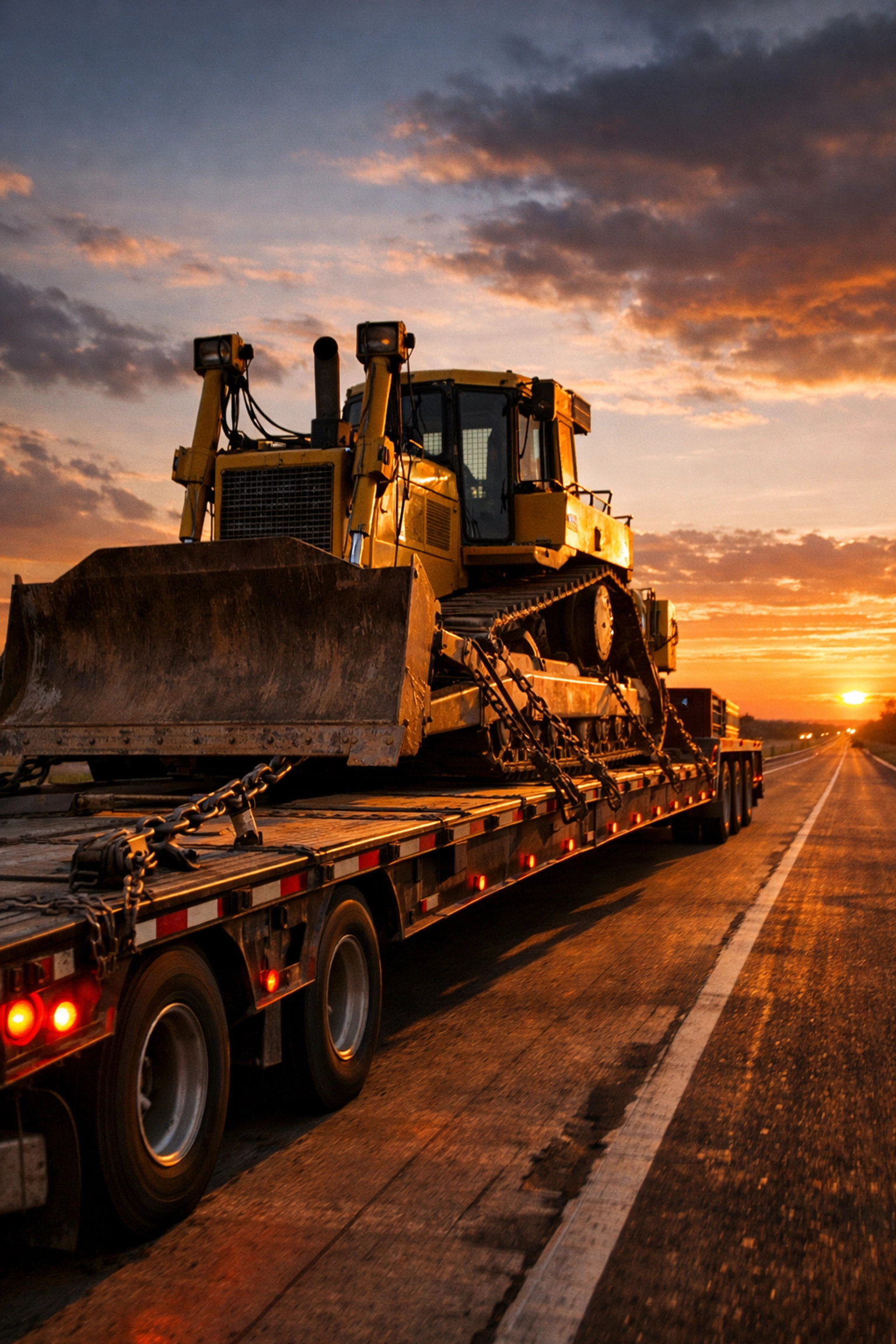
Inland Marine coverage responds to:
Theft of equipment from job sites or vehicles
Physical damage during transport
Damage while equipment is stored at temporary locations
Vandalism to machinery at off-premise locations
Accidental damage during loading and unloading
The coverage follows the equipment wherever it goes. This includes:
Excavators and backhoes moved between job sites
Cranes and lifting equipment
Concrete pumps and mixers
Welding equipment and generators
Surveying and testing equipment
Contractors who move heavy machinery regularly require Inland Marine coverage as a fundamental protection.
Key Differences Between the Two Coverages
The primary distinction lies in what causes the loss:
Equipment Breakdown covers internal mechanical or electrical failures. A motor burns out. A compressor seizes. An electrical panel short-circuits. The equipment fails from the inside.
Inland Marine covers external perils. Someone steals the equipment. A truck accident damages machinery during transport. A falling object at a job site crushes a generator.
The trigger for coverage determines which policy responds.
Coverage Scenarios: Which Policy Responds?
Understanding real-world scenarios clarifies the difference:
Scenario 1: A contractor's excavator experiences a hydraulic pump failure while operating at a job site. The internal failure requires a new pump and extensive repairs.
Response: Equipment Breakdown coverage handles this mechanical failure.
Scenario 2: The same excavator is stolen overnight from a job site where it was parked.
Response: Inland Marine coverage responds to the theft.
Scenario 3: During transport to a new job site, the trailer carrying a concrete mixer is involved in an accident. The mixer sustains significant damage.
Response: Inland Marine coverage addresses this external physical damage during transit.
Scenario 4: A manufacturing facility's industrial press experiences an electrical malfunction that damages the control panel and stops production for three days.
Response: Equipment Breakdown coverage pays for repairs and business interruption.
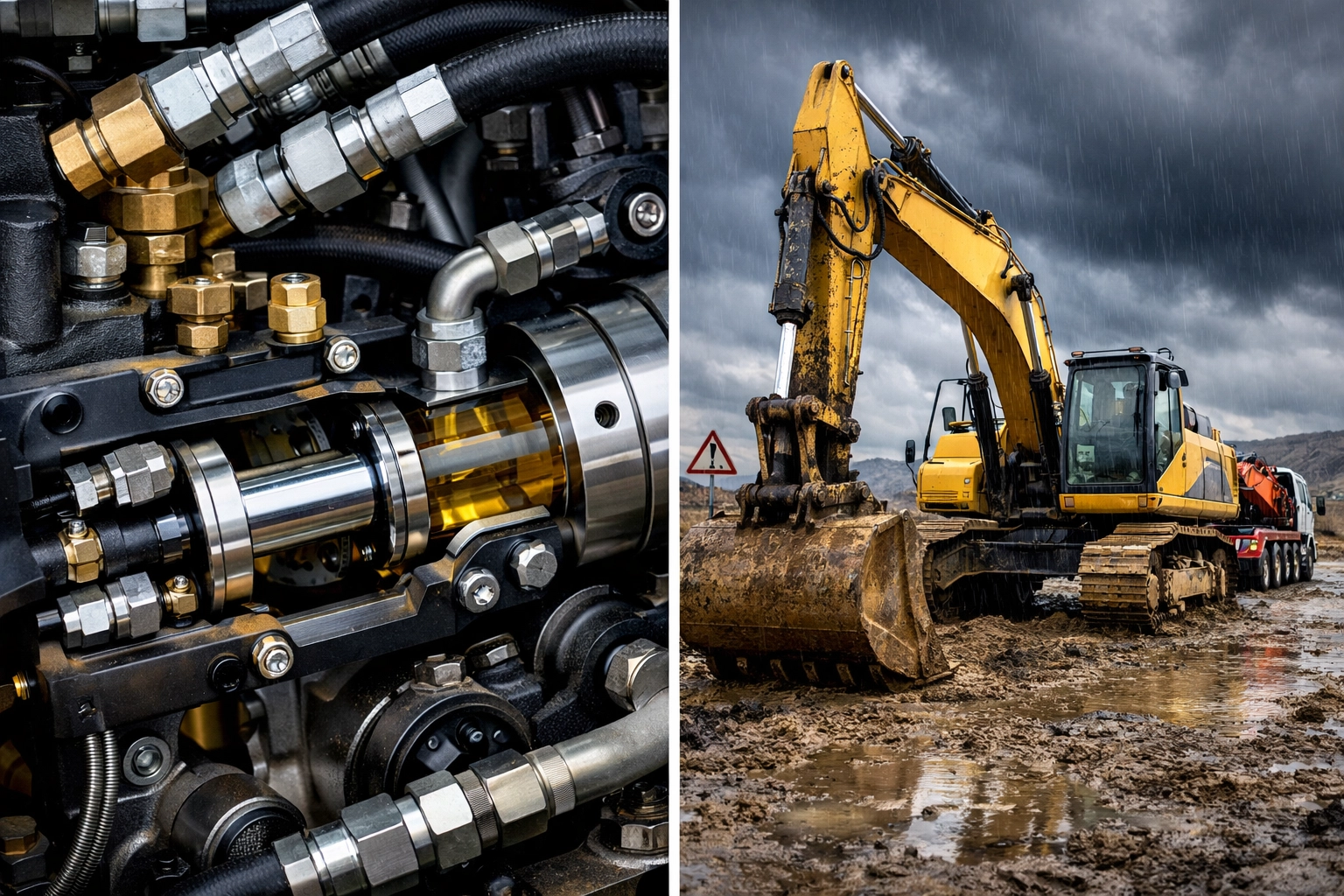
Why Many Businesses Need Both Coverages
Heavy machinery faces risks from both internal failures and external perils. Comprehensive protection requires addressing both categories of risk.
A construction company operating excavators, bulldozers, and cranes needs:
Inland Marine coverage for theft, damage during transport, and physical damage at job sites
Equipment Breakdown coverage for mechanical and electrical failures
A manufacturing facility with stationary equipment needs:
Equipment Breakdown coverage for internal failures
Potentially Inland Marine coverage if any equipment moves between facilities or to customer locations
The mobility of equipment often determines the necessity of Inland Marine coverage. Stationary equipment may only require Equipment Breakdown protection.
Maintenance Requirements and Coverage
Both coverages require proper equipment maintenance. Failure to maintain machinery can void coverage.
Equipment Breakdown policies specifically exclude losses resulting from:
Deferred maintenance
Operating equipment beyond recommended service intervals
Ignoring manufacturer maintenance requirements
Documenting regular maintenance protects coverage validity. Keep records of:
Scheduled service and inspections
Manufacturer-recommended maintenance completion
Repairs and part replacements
Professional service provider documentation
Proper maintenance reduces breakdown frequency and ensures coverage responds when failures occur.
Coverage Limits and Scheduled Equipment
Inland Marine policies typically require scheduling high-value equipment. This means listing specific items with their values on the policy.
Benefits of scheduling equipment include:
Agreed value coverage that eliminates depreciation disputes
Clear documentation of covered items
Simplified submission during policy application
Certainty about covered equipment
Equipment Breakdown coverage may operate on a blanket basis, covering all qualifying equipment at a location up to policy limits.
Understanding limit structures ensures adequate protection for all heavy machinery.
Compliance Considerations for Contractors
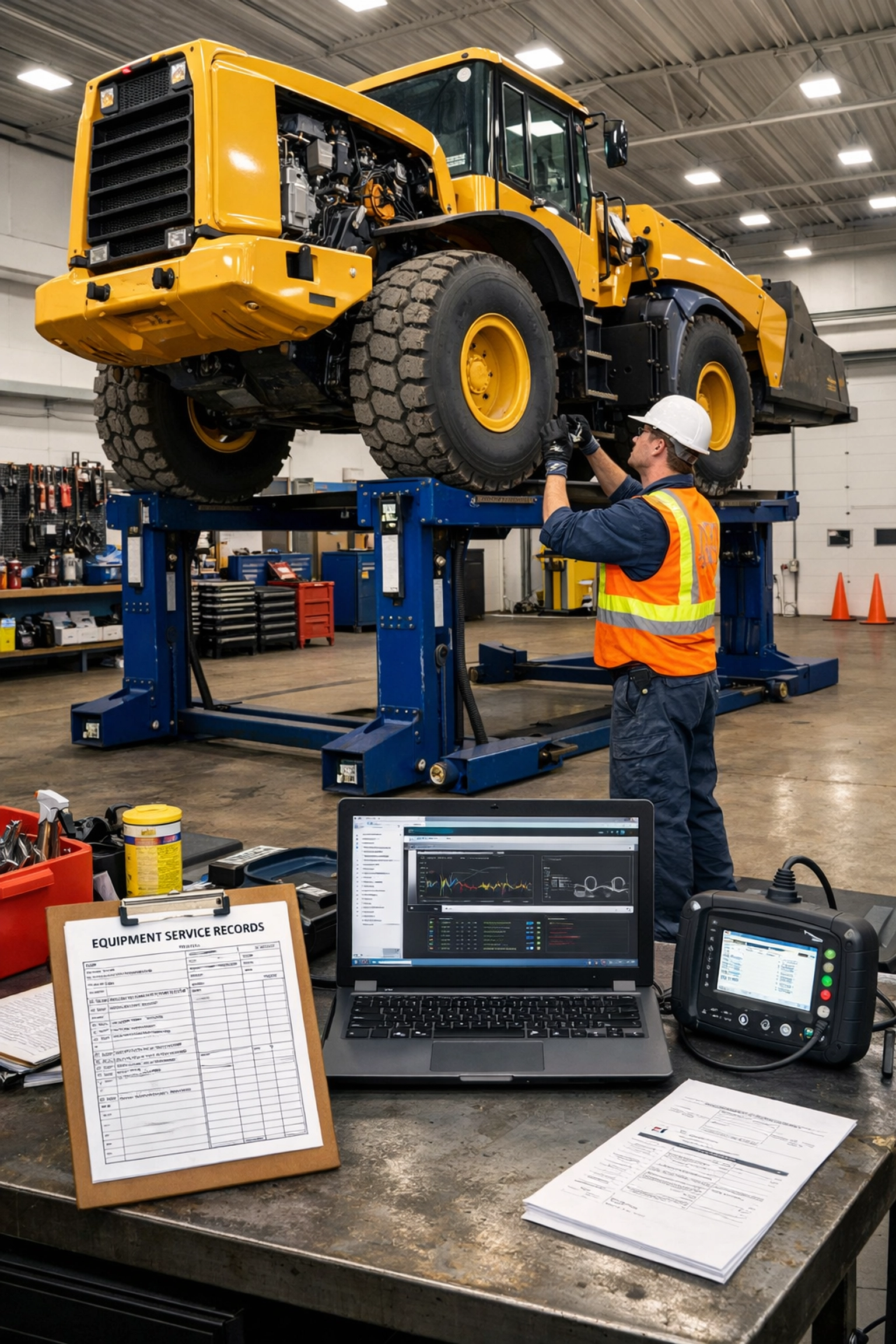
Many contracts and project requirements mandate specific insurance coverages. General contractors and project owners often require:
Inland Marine coverage for contractor-owned equipment on job sites
Equipment Breakdown coverage for mechanical equipment used in construction
Proof of coverage before allowing equipment on premises
Review contract requirements carefully. Certificate requests may specify both coverages. Failing to maintain required coverages can result in contract violations and project removal.
Some surety bonds for construction projects also require proof of equipment protection through both Inland Marine and Equipment Breakdown policies.
Working with Your Insurance Provider
Evaluating equipment protection needs requires analyzing:
Equipment mobility and job site locations
Value and age of machinery
Mechanical complexity and breakdown risk
Contract requirements from customers
Business interruption exposure
Insurance Alliance LLC assists businesses in identifying appropriate coverage combinations for heavy machinery protection. Understanding your specific equipment risks ensures proper coverage selection.
Equipment protection involves more than selecting a policy. It requires matching coverage to actual operational risks and business exposures.
Building Comprehensive Equipment Protection
Neither Equipment Breakdown nor Inland Marine alone provides complete protection for heavy machinery. Each addresses different risk categories.
Internal mechanical and electrical failures require Equipment Breakdown coverage. External physical damage, theft, and transit risks require Inland Marine coverage.
Businesses investing in heavy machinery should evaluate both coverages as part of a comprehensive risk management approach. Understanding the distinction between internal failures and external perils clarifies coverage needs.
Proper equipment protection preserves business operations, protects significant investments, and meets contractual obligations. Review your current coverage to identify potential gaps in machinery protection.
Contact Insurance Alliance LLC to discuss equipment coverage needs and ensure appropriate protection for your heavy machinery investments.


Comments