
Commercial Auto Insurance: Coverage for Your Business Fleet
Commercial auto insurance protects businesses that own and operate vehicles for work-related purposes. This coverage addresses liability and physical damage to company-owned vehicles while providing driver protection for employees behind the wheel.
Business owners in Florida, Texas, Arizona, Idaho, and Washington rely on commercial auto insurance to maintain compliant and protected fleets. Understanding the coverage options available helps ensure your vehicles and drivers have proper protection.
What Is Commercial Auto Insurance?
Commercial auto insurance is a specialized policy designed for vehicles used in business operations. Personal auto policies do not extend coverage to vehicles used for commercial purposes, making dedicated business vehicle insurance essential.
This type of coverage protects against liability when a business vehicle is involved in an accident. It also provides physical damage coverage for the vehicles themselves. Commercial auto insurance applies to a wide range of business operations, from single-vehicle contractors to large fleet operations.
Who Needs Commercial Auto Insurance?
Commercial auto insurance is necessary for any business that uses vehicles for work-related activities. This includes:
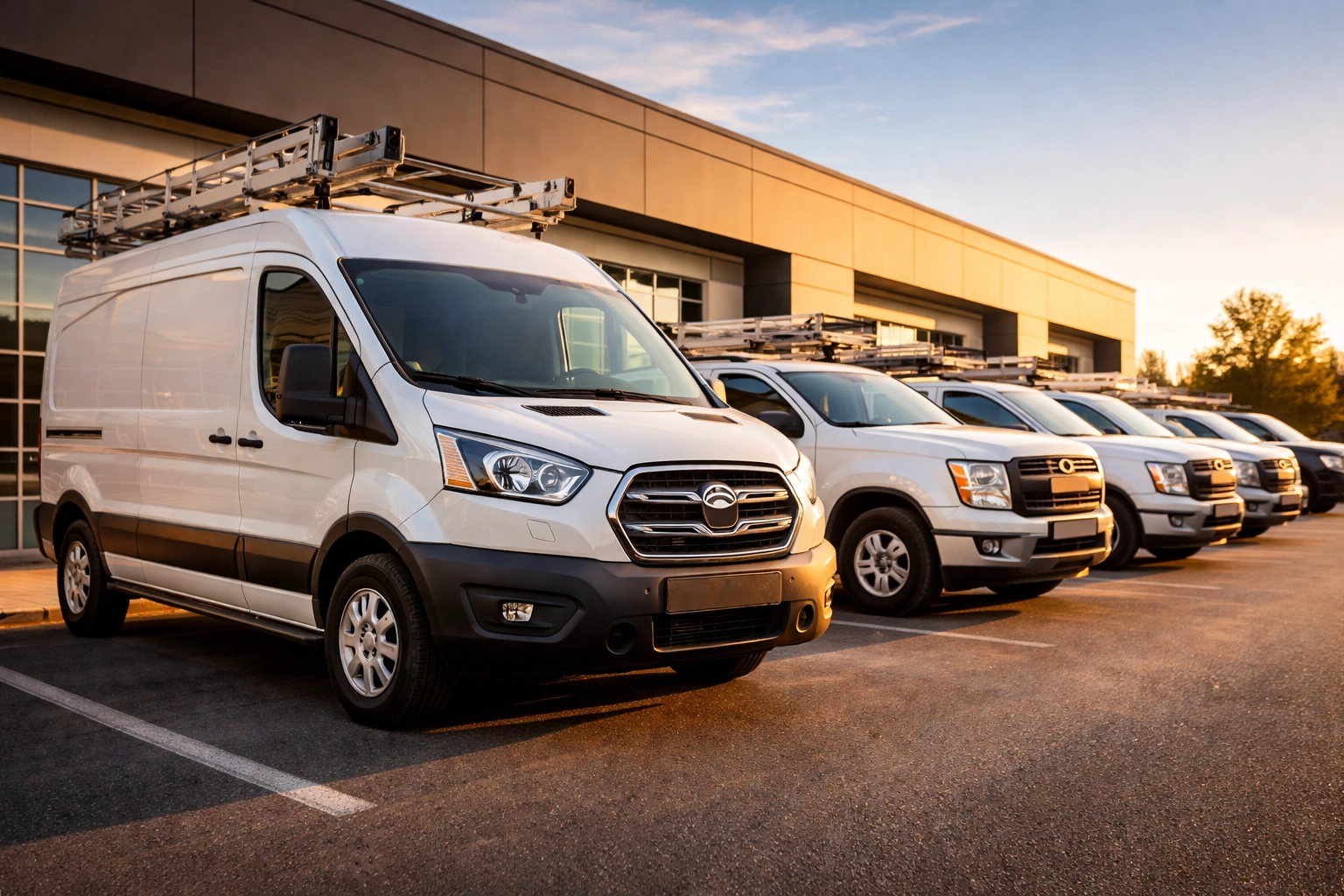
Contractors and tradespeople who transport tools and equipment to job sites
Delivery services moving packages, food, or supplies
Sales professionals using vehicles for client visits
Service companies dispatching technicians to customer locations
Construction firms operating work trucks and specialized equipment
Transportation companies moving passengers or cargo
Field service operations requiring mobile workforces
If employees drive company-owned vehicles or use personal vehicles for business tasks, commercial auto insurance provides necessary protection. Businesses operating across state lines benefit from policies that automatically extend coverage throughout their service areas.
Types of Commercial Auto Coverage
Commercial auto insurance policies offer multiple coverage components. Understanding each option helps business owners select appropriate protection levels for their operations.
Liability Coverage
Liability coverage addresses bodily injury and property damage caused by business vehicles. This protection applies when a covered driver is at fault in an accident. Liability coverage is legally required for commercial vehicles in most states.
Bodily injury liability covers medical expenses, rehabilitation, and related costs for injured parties. Property damage liability addresses repair or replacement of damaged property belonging to others.
Physical Damage Coverage
Physical damage coverage protects business-owned vehicles from damage regardless of fault. This coverage includes two main components:
Collision coverage addresses damage from accidents involving other vehicles or objects. This applies whether the covered driver or another party is at fault.
Comprehensive coverage protects against non-collision damage including theft, vandalism, fire, weather events, and falling objects. Businesses with newer or high-value vehicles benefit from this broader protection.

Medical Payments Coverage
Medical payments coverage, often called MedPay, addresses medical expenses for the driver and passengers in a covered vehicle. This coverage applies regardless of fault and provides faster access to medical care following an accident.
Personal Injury Protection
Personal injury protection (PIP) provides broader coverage than MedPay. PIP addresses medical expenses, lost wages, and other costs resulting from vehicle accidents. This coverage is required in some states and available as an option in others.
Uninsured and Underinsured Motorist Coverage
This coverage protects your business and employees when an at-fault driver lacks adequate insurance. Uninsured motorist coverage applies when the other party has no insurance. Underinsured motorist coverage addresses situations where the at-fault driver's policy limits are insufficient.
Fleet Insurance for Multiple Vehicles
Businesses operating multiple vehicles benefit from fleet insurance policies. Fleet insurance consolidates coverage for two or more vehicles under a single policy, simplifying administration and providing consistent protection across all business vehicles.
Vehicles Covered Under Fleet Policies
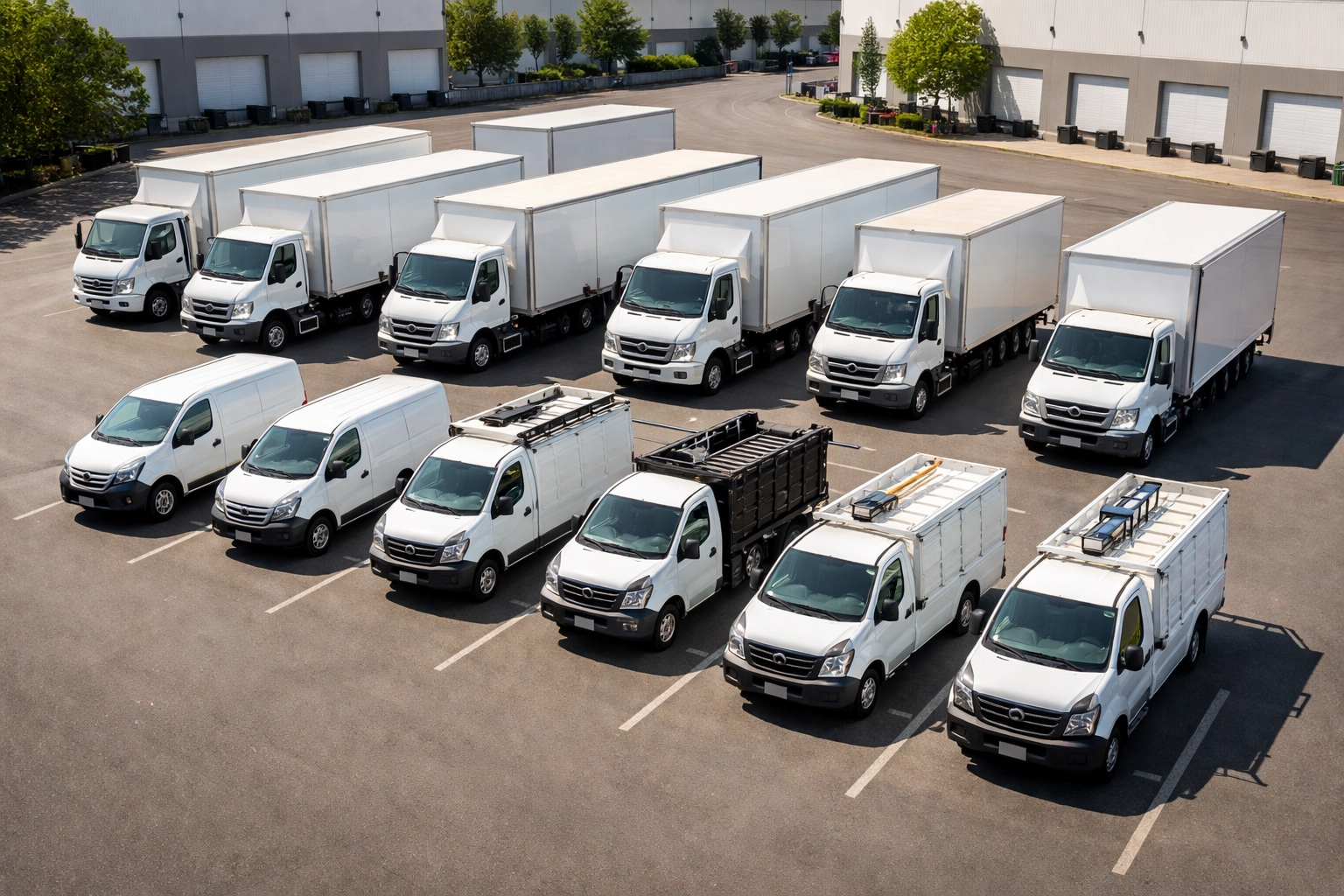
Fleet insurance accommodates various vehicle types under one policy:
Sedans and company cars
Pickup trucks
Delivery vans
Box trucks
Cargo vans
Service vehicles
Specialty vehicles
Heavy trucks and tractor-trailers
This flexibility allows businesses with mixed fleets to maintain comprehensive coverage without managing separate policies for each vehicle type.
Administrative Benefits
Fleet insurance streamlines policy management for business owners. Instead of tracking multiple renewal dates and policy documents, businesses handle one consolidated policy. Adding or removing vehicles becomes straightforward, supporting fleet changes as business needs evolve.
Driver Coverage Benefits
Fleet policies typically cover any employee designated to operate company vehicles. This approach eliminates the need to individually list each driver, providing flexibility for businesses with changing workforce needs or multiple drivers per vehicle.
New hires can operate company vehicles once properly designated, without waiting for policy amendments. This broad driver coverage supports efficient operations while maintaining proper protection.
Commercial Auto Insurance for Contractors
Contractors face unique vehicle insurance needs. Work trucks transport valuable tools and equipment, and vehicles may travel to multiple job sites daily. Commercial auto insurance for contractors addresses these specific requirements.
If your business transports tools and equipment regularly, consider pairing commercial auto insurance with inland marine insurance for comprehensive protection of mobile assets.
Coverage Considerations for Contractors
Contractors should ensure their commercial auto policies address:
Liability protection adequate for their operations
Physical damage coverage for work vehicles
Protection for attached equipment and permanent installations
Coverage for hired or borrowed vehicles when needed
Driver Protection and Safety
Commercial auto insurance provides protection for drivers operating business vehicles. This coverage supports employees involved in accidents and helps businesses fulfill their duty of care to workers.
Employee Protection
Drivers benefit from medical payments and personal injury protection when accidents occur. These coverages address immediate medical needs and support recovery without delays.
Uninsured motorist coverage protects employees when other drivers lack adequate insurance. This additional layer of protection ensures drivers have support regardless of another party's insurance status.
Risk Management Integration
Commercial auto insurance works alongside business risk management programs. Driver training, vehicle maintenance schedules, and safety protocols complement insurance coverage to create comprehensive fleet protection.
Businesses can implement telematics and fleet management systems to monitor vehicle use and driver behavior. These programs support safer operations and demonstrate commitment to responsible fleet management.
Hired and Non-Owned Auto Coverage
Some businesses use vehicles they do not own for commercial purposes. Hired and non-owned auto coverage addresses these situations.
Hired auto coverage applies to vehicles rented or borrowed for business use. This protection extends to rental cars, leased vehicles, and temporarily borrowed equipment.
Non-owned auto coverage addresses situations where employees use personal vehicles for business tasks. This coverage provides liability protection when personal vehicles are used for work-related travel.
Working With Insurance Alliance LLC
Insurance Alliance LLC provides commercial auto insurance guidance for businesses in Florida, Texas, Arizona, Idaho, and Washington. Our team understands the coverage requirements and operational needs of businesses across various industries.
We help business owners evaluate their fleet protection needs and identify appropriate coverage levels. Whether you operate a single work truck or manage a large commercial fleet, proper commercial auto insurance supports compliant and protected operations.
For Florida business owners seeking additional information about commercial vehicle coverage, visit our detailed guide on commercial auto insurance in Florida.
Next Steps for Your Business
Review your current commercial auto coverage to ensure adequate protection for your business vehicles and drivers. Consider your liability limits, physical damage coverage, and driver protection options.
Contact Insurance Alliance LLC to discuss your commercial auto insurance needs. Our team provides guidance tailored to your business operations and fleet requirements.
Insurance Alliance LLC – Serving businesses in FL, TX, AZ, ID, and WA with professional insurance guidance.


Comments