
Commercial Auto Insurance in Florida: What Business Owners Need to Know
Commercial auto insurance protects Florida businesses from significant financial losses when operating vehicles for work purposes. Understanding coverage requirements ensures compliance with state regulations and provides essential protection for your business operations.
Who Must Carry Commercial Auto Insurance
Florida businesses operating vehicles for work purposes must maintain commercial auto insurance. This requirement applies to companies that own, lease, rent, or use vehicles for business activities. The coverage requirement extends to situations where employees use personal vehicles for business tasks.
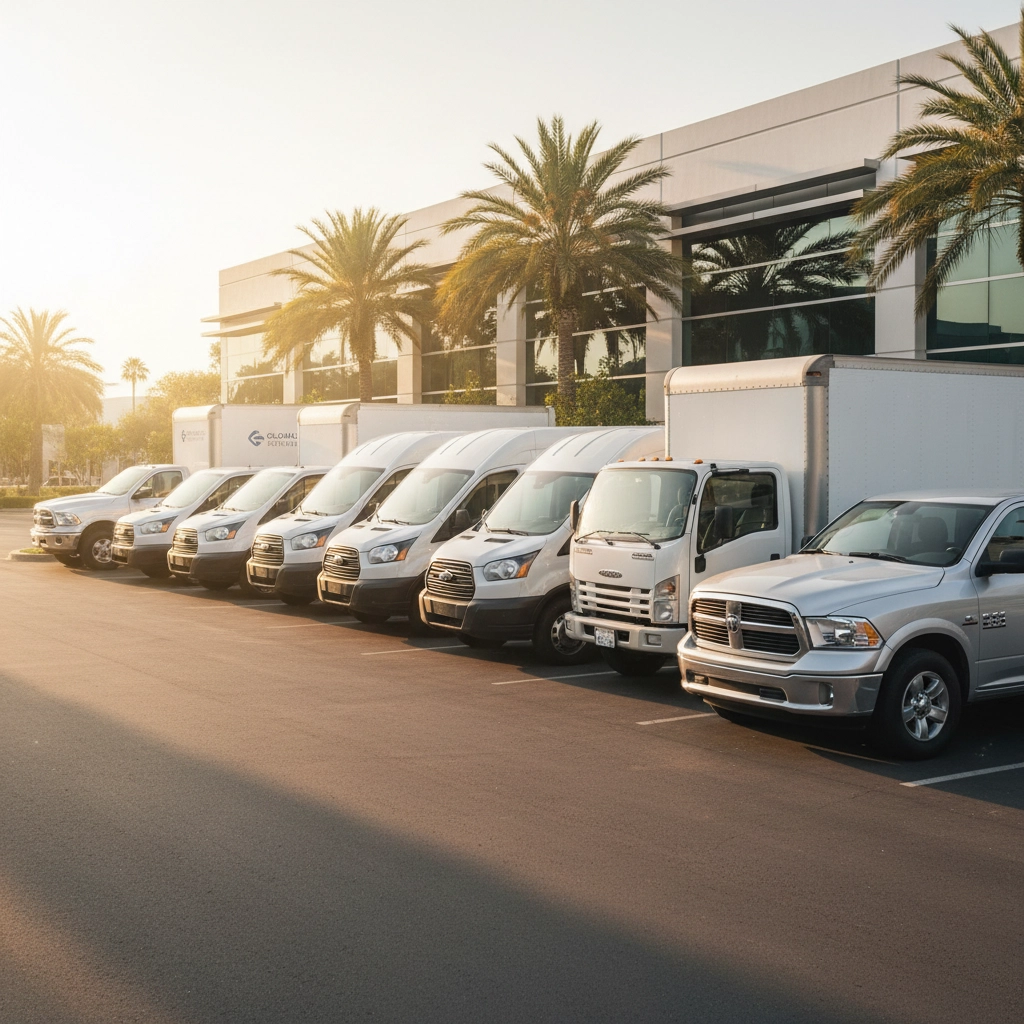
Commercial auto insurance covers various vehicle types including cars, pickup trucks, box trucks, delivery vans, and specialized commercial vehicles. Any vehicle used to generate income, transport business materials, or conduct work activities falls under commercial auto requirements.
Florida's Minimum Coverage Requirements
Florida establishes baseline commercial auto insurance requirements that all business vehicles must meet. The state requires minimum coverage of $10,000 in personal injury protection (PIP) and $10,000 in property damage liability (PDL). These minimums represent the foundation of commercial auto coverage in Florida.
Vehicle weight significantly impacts minimum coverage requirements. Commercial motor vehicles with gross vehicle weight (GVW) between 26,000 and 35,000 pounds require minimum coverage of $50,000 in combined bodily injury and property damage liability. Vehicles with GVW of 44,000 pounds or more must maintain minimum coverage of $300,000 per occurrence.
Essential Coverage Types
Bodily Injury Liability Coverage
Bodily injury liability pays medical expenses for other drivers and passengers when your business vehicle causes an accident. This coverage handles hospital bills, rehabilitation costs, and related medical expenses resulting from accidents involving your commercial vehicles.
Property Damage Liability Coverage
Property damage liability covers repair or replacement costs for other parties' property damaged by your business vehicle. This includes damage to other vehicles, buildings, fences, and various types of property your vehicle might impact during an accident.
Personal Injury Protection (PIP)
PIP coverage pays medical expenses for your employees and passengers injured in accidents involving your business vehicles. Florida's no-fault insurance system requires PIP coverage regardless of who causes the accident.
Collision Coverage
Collision coverage repairs or replaces your business vehicle when it strikes another object or vehicle. This coverage applies regardless of fault and protects your business investment in commercial vehicles.
Comprehensive Coverage
Comprehensive coverage protects business vehicles from damage caused by theft, vandalism, fire, natural disasters, and other non-collision events. This coverage proves especially valuable for businesses operating in areas prone to severe weather events.
Medical Payments Coverage
Medical payments coverage provides additional protection for medical expenses affecting your employees and passengers in vehicle accidents. This coverage supplements PIP benefits and provides broader medical expense protection.
Commercial Vehicle Classification Requirements
Florida classifies commercial vehicles based on specific criteria that determine insurance requirements. Vehicles used in commerce with GVW of 26,001 pounds or more automatically qualify as commercial vehicles requiring specialized coverage.
Three-axle vehicles and truck-trailer combinations also fall under commercial vehicle classifications regardless of weight. These vehicles require commercial auto insurance even when operating below traditional weight thresholds.
Intrastate Commercial Vehicle Operations
Businesses operating commercial vehicles solely within Florida borders must register vehicles as intrastate commercial vehicles. These operations require proof of meeting Florida's minimum insurance requirements from insurance providers licensed in Florida.
Intrastate commercial vehicles must maintain continuous coverage throughout the registration period. Coverage cannot lapse even during periods when vehicles remain unused or stored.

Interstate Commercial Vehicle Requirements
Commercial vehicles crossing state lines must comply with Federal Motor Carrier Safety Administration (FMCSA) financial responsibility requirements. These federal requirements typically exceed Florida's minimum state insurance requirements.
Interstate operations require careful coordination between state and federal compliance standards. Business owners must ensure their commercial auto policies meet both Florida state minimums and federal interstate requirements.
Specialized Cargo Coverage Requirements
Commercial auto insurance requirements vary significantly based on cargo types transported by business vehicles. Standard cargo operations may require basic minimum coverage, while specialized materials demand substantially higher liability limits.
Oil transportation requires minimum liability coverage of $1,000,000 per occurrence. Hazardous materials transportation requires minimum coverage of $5,000,000 per occurrence. These specialized requirements reflect the increased risks associated with transporting dangerous materials.
Continuous Coverage Compliance
Florida requires continuous commercial auto insurance coverage throughout vehicle registration periods. Coverage lapses result in serious consequences including license plate surrender and driving privilege revocation for up to three years.
Insurance providers licensed in Florida must issue commercial auto policies for intrastate operations. This requirement ensures proper regulatory oversight and claims handling capabilities within Florida's insurance framework.
Business owners must maintain current insurance documentation and provide proof of coverage upon request by regulatory authorities. Proper documentation prevents compliance issues and ensures smooth business operations.
Coverage Limitations and Exclusions
Commercial auto policies exclude coverage for tools, materials, and equipment stored inside vehicles. Business owners need separate Business Owner's Policy (BOP) coverage to protect these valuable business assets.
Family members typically receive no coverage under commercial auto policies unless they qualify as business employees. This limitation requires careful consideration when determining who can operate business vehicles.

Professional Insurance Guidance
Commercial auto insurance requirements create complex compliance obligations for Florida business owners. Professional insurance guidance helps navigate these requirements while ensuring adequate protection for business operations.
Insurance Alliance LLC provides comprehensive commercial auto insurance solutions tailored to Florida business needs. Our expertise helps business owners understand coverage requirements, select appropriate limits, and maintain continuous compliance with state and federal regulations.
Implementation Strategies
Business owners should evaluate their commercial vehicle operations to determine appropriate coverage levels beyond state minimums. Higher coverage limits provide better protection against significant liability claims that could threaten business continuity.
Regular policy reviews ensure coverage keeps pace with business growth, vehicle additions, and changing operations. Proactive policy management prevents coverage gaps and maintains optimal protection for evolving business needs.
Documentation systems help track policy renewals, coverage changes, and compliance requirements. Organized record-keeping supports regulatory compliance and simplifies insurance management processes.
Commercial auto insurance protects Florida businesses from vehicle-related risks while ensuring compliance with state and federal requirements. Professional insurance guidance helps business owners navigate these complex requirements and maintain appropriate coverage for their operations.

Comments