
The Ultimate Guide to Restaurant Insurance Quotes: Everything You Need to Prepare for Your 2026 Carrier Inspection
- marketing676641
- Mar 17
- 6 min read
Preparing for a restaurant insurance quote in 2026 requires more than a simple application. Carriers now demand comprehensive documentation and proof of proactive risk management before offering coverage. A thorough preparation process ensures that a facility meets the rigorous safety standards expected in the modern hospitality industry.
The 2026 insurance landscape emphasizes physical safety, digital security, and operational compliance. This guide provides a technical roadmap for restaurant owners to organize their documentation, secure their premises, and navigate the carrier inspection process with confidence.
Understanding the Components of a Restaurant Insurance Quote
Obtaining a restaurant insurance quote involves a deep dive into the operational DNA of a business. Carriers evaluate the specific risks associated with food preparation, alcohol service, and public premises. The foundation of most restaurant coverage is the business owners policy (BOP).
A business owners policy typically combines several essential coverages into one framework. It includes general liability and commercial property coverage. For more specialized establishments, specific policies are often necessary. You can explore options for fine dining restaurant insurance or family dining restaurant insurance to see how these frameworks vary by service model.
Essential Documentation for the Quote Process
Before a carrier provides a quote, they require specific data points. Organize these documents in a digital folder for easy access:
Federal Tax ID (EIN): Standard identification for the business entity.
Detailed Sales Projections: A breakdown of food versus alcohol sales.
Lease Agreements: Documentation showing who is responsible for specific parts of the building.
Square Footage Records: Accurate measurements of front-of-house and back-of-house areas.
Employee Records: Total headcount, including full-time and part-time staff.
Training Certifications: Proof of food safety and alcohol service training for all relevant staff.
The Core of Coverage: General Liability and Beyond
General liability insurance is the most critical component for any public-facing business. It addresses risks related to third-party bodily injury and property damage. In a restaurant setting, this often centers on slip-and-fall incidents or illnesses allegedly caused by food consumption.
Beyond the basics, carriers examine specific endorsements that tailor the policy to the restaurant's unique risks.
Product Liability and Completed Operations
This coverage is essential for restaurants. It focuses on the food and beverages served to customers. Carriers look for strict adherence to health department standards and internal temperature logs.
Personal and Advertising Injury
This protects the business against non-physical risks. It covers issues such as libel, slander, or copyright infringement in marketing materials. In the digital age, this is a necessary safeguard for any restaurant with an active social media presence.

Preparing for the 2026 Physical Carrier Inspection
The physical inspection is a pivotal moment in the quoting process. An inspector visits the premises to verify the information provided in the application. They look for physical hazards and evidence of ongoing maintenance.
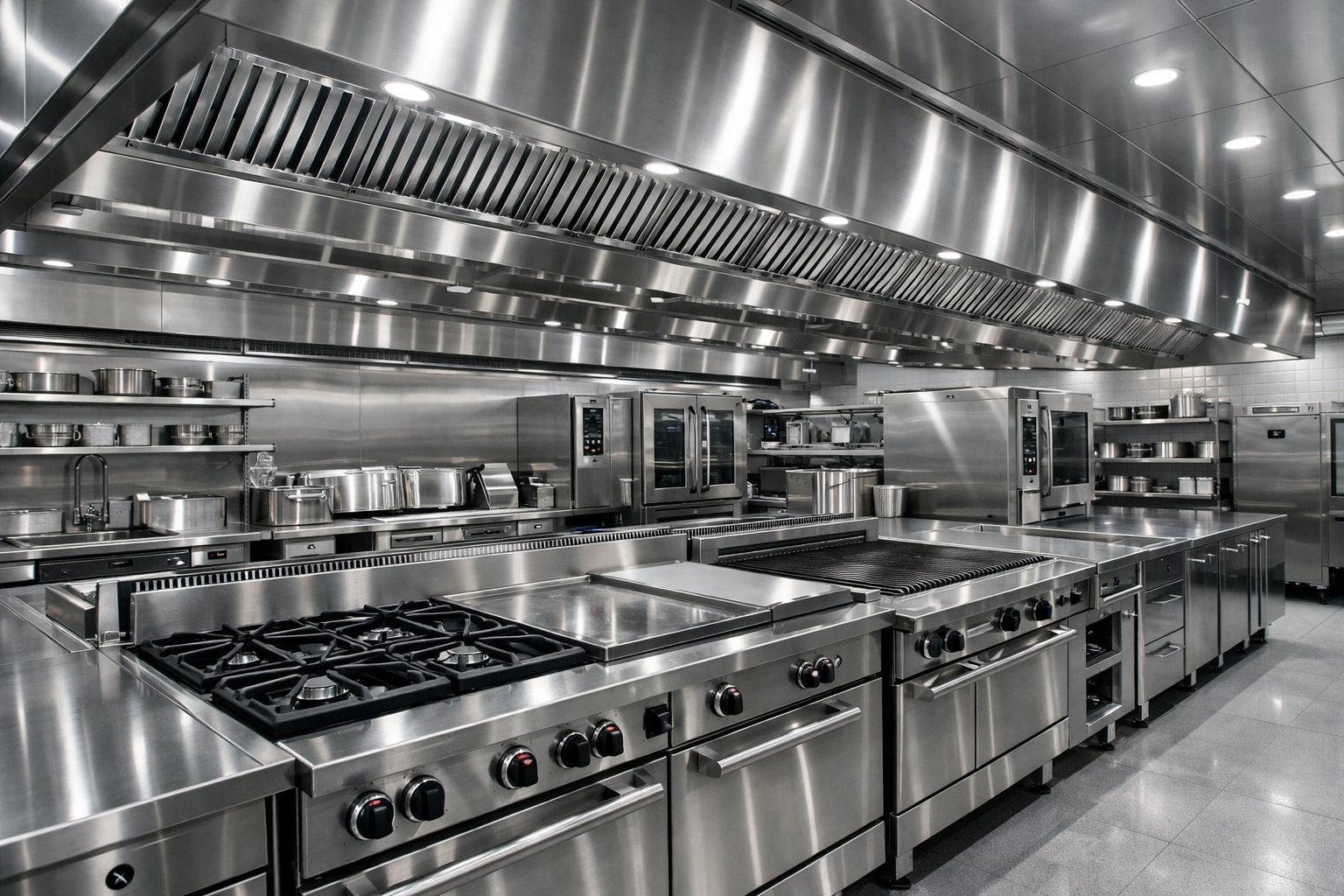
Kitchen Fire Suppression Systems (ANSUL)
The kitchen is the highest-risk area. Inspectors prioritize the fire suppression system.
Tagging: Ensure the system has a current inspection tag (usually required every six months).
Nozzle Placement: Verify that nozzles are correctly aimed at all cooking surfaces.
Manual Pull Station: The pull station must be unobstructed and clearly marked.
Automatic Shutoff: The system must be linked to shut off gas or electric power to the line when activated.
Hood and Duct Maintenance
Grease accumulation is a leading cause of restaurant fires.
Cleaning Frequency: Maintain a schedule for professional hood cleaning (typically quarterly for high-volume kitchens).
Documentation: Keep all invoices from certified hood cleaning companies on-site.
Filters: Ensure grease filters are clean and properly seated in the hood.
Fire Extinguisher Compliance
Extinguishers must be the correct type for the hazard.
Class K Extinguishers: Required in all commercial kitchens for vegetable oil and animal fat fires.
ABC Extinguishers: Required for general areas of the restaurant.
Mounting: All extinguishers must be mounted on brackets, not sitting on the floor.
Risk Management: Slip, Trip, and Fall Prevention
Slips and falls are a primary concern for general liability providers. Inspectors evaluate the condition of floors and the presence of safety protocols.
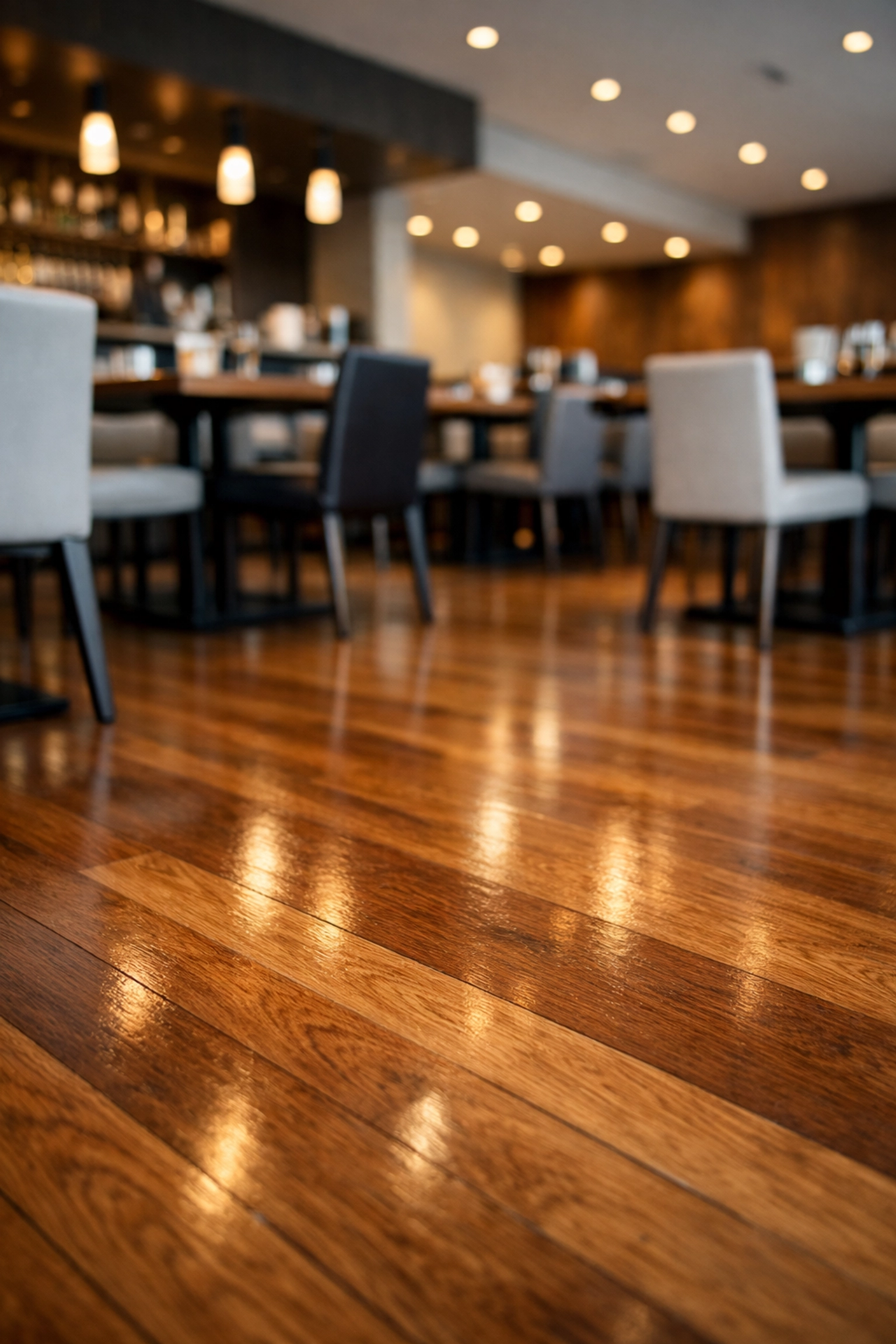
Flooring Standards
Non-Slip Surfaces: Use non-slip flooring or mats in kitchens and beverage service areas.
Maintenance: Fix loose tiles, torn carpets, or uneven transitions immediately.
Drainage: Ensure floor drains are clear and that water does not pool in walkways.
Walkway Safety
Lighting: Maintain adequate lighting in all customer areas, including hallways leading to restrooms.
Egress: Keep all emergency exits clear of boxes, chairs, or decor.
Signage: Have "Wet Floor" signs readily available and use them immediately after mopping or spills.
Specialized Risks: Liquor Liability and Delivery
For establishments serving alcohol, liquor liability is a non-negotiable component of a comprehensive insurance package. This coverage addresses risks associated with intoxication and service to minors.
Liquor Liability Compliance
Carriers evaluate the "culture of service" at the restaurant.
Server Training: All staff must be certified in programs like TIPS or SERVSAFE Alcohol.
ID Policy: Implement a strict "ID everyone" policy and document it in the employee handbook.
Incident Logs: Maintain a logbook to record any refusals of service or incidents involving intoxicated patrons.
Delivery and Off-Premises Risk
If your restaurant offers delivery, the risk profile changes significantly. This is true whether you use a smoothie and coffee shop insurance framework or a full-service model.
Hired and Non-Owned Auto: This coverage is vital if employees use their own vehicles for deliveries.
MVR Checks: Carriers may require Motor Vehicle Record checks for any staff member who drives for business purposes.
Building Systems and Property Protection
The business owners policy covers the physical assets of the business. Inspectors examine the core systems of the building to ensure they are modern and well-maintained.
Electrical Systems
No Extension Cords: Permanent appliances must be plugged directly into wall outlets.
Panel Access: Maintain a three-foot clearance around all electrical panels.
Wiring: Ensure no exposed wiring is visible in the kitchen or storage areas.
Plumbing and Grease Traps
Grease Interceptors: Document the regular cleaning and maintenance of grease traps.
Pipe Integrity: Check for leaks under sinks and around dishwashers to prevent water damage and mold.
HVAC Maintenance
Regular Service: Maintain logs showing that the HVAC system is serviced at least annually.
Filter Changes: Regularly change filters to reduce the load on the system and improve air quality.

Cyber Security for Modern Restaurants
In 2026, a restaurant insurance quote often includes a review of digital risks. Restaurants handle massive amounts of sensitive customer data through Point of Sale (POS) systems and online ordering platforms.
Data Protection Protocols
PCI Compliance: Ensure the POS system is fully compliant with Payment Card Industry Data Security Standards.
Network Security: Use firewalls and encrypted Wi-Fi networks.
Employee Access: Limit access to sensitive data to only those employees who require it for their roles.
Life Safety and Employee Compliance
Risk management extends to the well-being of the staff. A safe workplace reduces the likelihood of incidents and demonstrates a commitment to operational excellence.
First Aid and Safety Training
First Aid Kits: Keep fully stocked kits in the kitchen and the front-of-house.
Choking Posters: Display required safety posters in prominent locations.
Emergency Plans: Have a written evacuation plan and conduct regular drills with staff.
Employment Practices
While often a separate coverage, many restaurants include Employment Practices Liability (EPLI) in their suite of protections. This addresses risks related to harassment, discrimination, or wrongful termination.
Employee Handbook: Maintain an updated handbook that outlines all workplace policies.
Reporting Procedures: Clearly define how employees should report grievances.
Business Personal Property and Inventory Management
A business owners policy protects the "stuff" inside the building. This includes everything from ovens to expensive wine collections.
Inventory Documentation
Asset List: Maintain a detailed list of all equipment, including serial numbers and purchase dates.
Photos/Video: Take a video walkthrough of the entire restaurant, including the inside of walk-in freezers and storage rooms, to document assets.
Valuation: Work with an expert to ensure that the "replacement cost" values are accurate for 2026 equipment prices.
Spoilage and Power Failure
Food spoilage is a significant risk for restaurants.
Temperature Monitoring: Use automated sensors that alert management if temperatures rise in walk-ins.
Backup Power: Document if the facility has a backup generator to maintain refrigeration during power outages.
Final Steps for a Successful Quote
Preparation for a restaurant insurance quote is a continuous process. By addressing these technical and physical requirements, restaurant owners position themselves as a "preferred risk" for carriers.
Audit Your Records: Ensure all permits and licenses are current.
Conduct a Self-Inspection: Use the points mentioned above to walk through your facility through the eyes of an insurance inspector.
Correct Deficiencies: If you find a frayed cord or a missing "Wet Floor" sign, fix it immediately.
Consult an Expert: Work with a dedicated agent at Insurance Alliance LLC to review your specific needs and documentation.
For more insights into managing business risks, visit our insurance blog. Whether you are looking for information on general contractor insurance or specialized professional office insurance, staying informed is the best way to protect your livelihood.
Insurance Alliance LLC provides expertise across various sectors. From landscaping and hardscaping contractor insurance to healthcare office insurance, we understand the technical requirements of modern coverage. We also offer personal insurance solutions to protect your life outside of the business.
Insurance Alliance LLC Serving Multiple States www.theinsalliance.com
Comments