
7 Mistakes You’re Making with Florida Property Damage Reporting (and How to Fix Them)
- marketing676641
- Mar 5
- 6 min read
Effective property damage reporting is a technical requirement for every business owner and homeowner. In Florida, the environment presents unique risks, from high-velocity wind events to sudden water intrusion. Navigating the administrative requirements of a property insurance policy requires precision and an understanding of contractual obligations. Failure to follow specific reporting protocols often results in a loss of coverage or administrative delays.
Insurance Alliance LLC provides professional guidance on maintaining compliance with policy standards. This guide outlines seven frequent mistakes made during the reporting process and provides actionable solutions to ensure your property is protected.
1. Prioritizing Cleanup Over Documentation
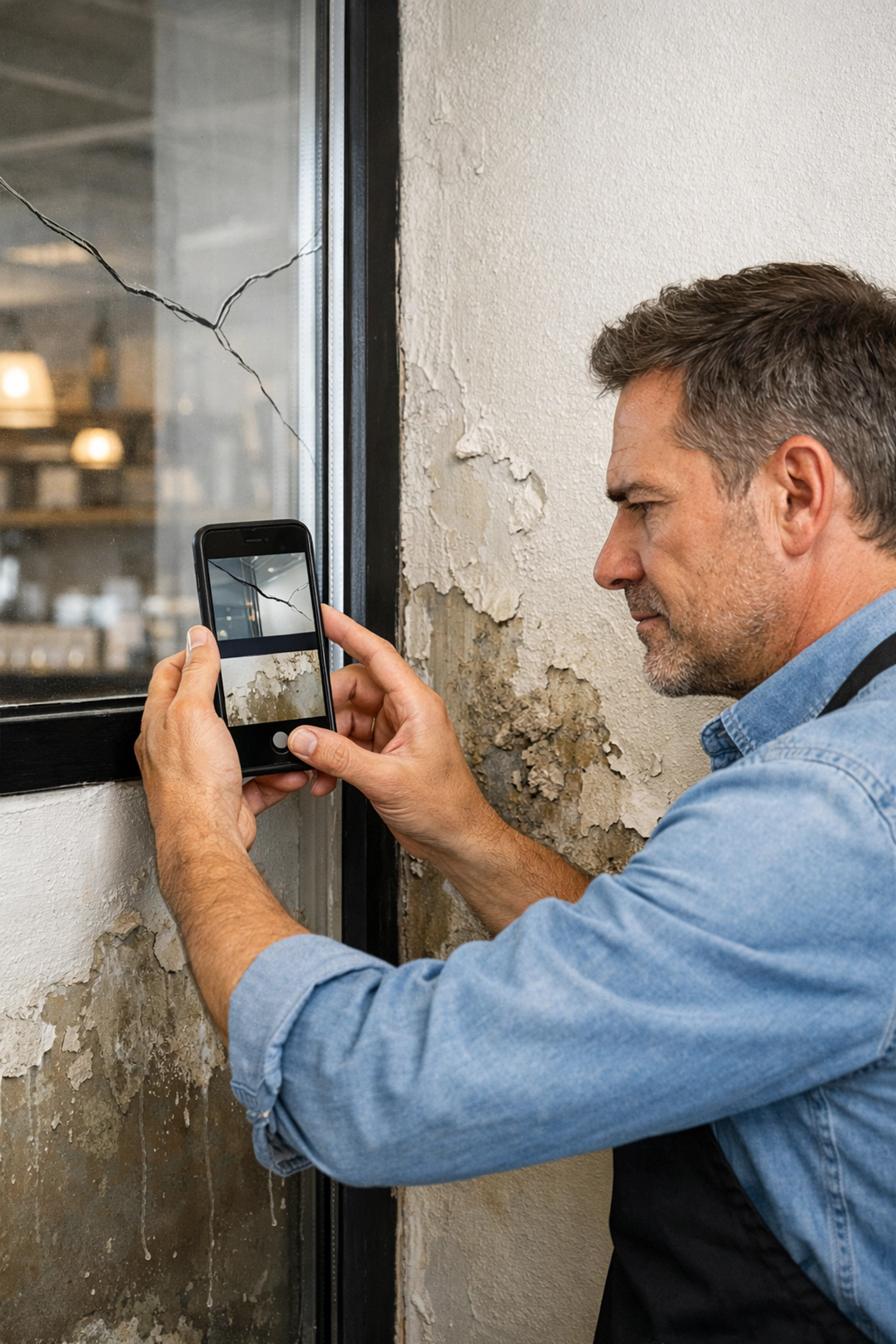
The immediate reaction to property damage is often to clean the area and remove debris. While maintaining safety is important, removing evidence before it is documented creates a significant gap in the reporting record. Documentation serves as the primary evidence of the extent and cause of the damage.
The Fix: Create a Comprehensive Digital Record Before moving any items or starting a cleanup, capture extensive visual evidence. Use high-resolution photography and video to document the scene.
Wide Shots: Capture the entire room or exterior area to show the context of the damage.
Close-Ups: Focus on specific points of failure, such as cracked seals, water lines on walls, or structural breaches.
Inventory Lists: Create a written log of every damaged item. Include the brand, model number, approximate age, and original purchase location.
Timestamps: Ensure all digital files have embedded metadata showing the exact time and date the images were captured.
Documentation should also include copies of original purchase receipts or appraisals for high-value equipment and furniture. Storing these records in a cloud-based system ensures they are accessible even if the physical property is inaccessible.
2. Delayed Notification to the Insurance Provider
Many policyholders wait until they have a full estimate of the damage before notifying their insurance provider. This delay is a breach of the "duties after loss" section found in most standard policies. Florida policies frequently require notification "as soon as practicable" or within a specific 24-to-48-hour window following the discovery of the damage.
The Fix: Immediate Formal Notification Contact Insurance Alliance LLC or your direct carrier immediately upon discovering property damage. Initial notification does not require a final repair estimate. It simply establishes that an event occurred and that you are beginning the documentation process. Prompt notification allows the insurance company to dispatch an adjuster to verify the damage while it is fresh. This prevents the argument that subsequent weather events or neglect caused additional deterioration.
3. Performing Unauthorized Permanent Repairs
There is a distinct difference between emergency mitigation and permanent repairs. Policyholders have a contractual obligation to mitigate further damage, but performing permanent repairs before an inspection can lead to a denial of the reported items. If a roof is damaged, you must cover it with a tarp to prevent rain from entering. However, replacing the entire roof before an adjuster arrives removes the ability to verify the original cause of loss.
The Fix: Focus on Temporary Mitigation Only Only perform work necessary to protect the property from further harm.
Water Damage: Extract standing water and set up dehumidifiers, but do not tear out drywall until instructed.
Security: Board up broken windows or doors to prevent unauthorized entry or weather exposure.
Record Keeping: Keep all receipts for materials used in temporary mitigation. Take "before and after" photos of any temporary fix to prove the necessity of the action.
Do not sign long-term repair contracts or allow demolition to begin until the insurance company has provided written acknowledgment of the damage and completed their initial inspection. Learn more about protecting your assets at Insurance Alliance LLC.
4. Misunderstanding Policy Exclusions and Limits
A common pitfall is reporting damage without a clear understanding of what the policy covers. Property insurance policies contain specific exclusions and sub-limits that dictate how damage is handled. For example, damage caused by a rising body of water (flood) is handled differently than damage caused by a pipe burst or wind-driven rain.
The Fix: Conduct a Pre-Loss Policy Review Review your policy declarations page and coverage forms before an event occurs. Pay close attention to:
Coverage Limits: Ensure the total limit for the building and business personal property is sufficient for current replacement values.
Exclusions: Identify if specific perils, like earth movement or mold, are excluded or have limited coverage.
Deductibles: Understand how deductibles apply to different types of events.
If you are unsure of your current coverage levels, consult with a professional at Insurance Alliance LLC to clarify the terms of your homeowners insurance or commercial property policy.

5. Engaging Unvetted Contractors for Damage Assessment
In the aftermath of a major event, many unlicensed or inexperienced contractors offer quick inspections and repair estimates. Using an unvetted contractor can lead to inaccurate documentation or the use of materials that do not meet Florida building codes. If an estimate is inflated or includes non-covered items, it can complicate the reporting process.
The Fix: Use Qualified Professionals Verify the credentials of any professional you hire to assist with damage assessment.
Licensing: Check the Florida Department of Business and Professional Regulation (DBPR) to ensure the contractor is licensed and in good standing.
Experience: Prioritize companies with experience in commercial property restoration.
Transparency: Avoid contractors who demand full payment upfront or who use high-pressure tactics to sign "Assignment of Benefits" (AOB) contracts without full transparency.
Working with reputable professionals ensures that the damage reports provided to the insurance company are technically accurate and compliant with industry standards.
6. Failing to Comply with Post-Loss Obligations
Insurance policies are bilateral contracts. While the insurer has an obligation to provide coverage, the policyholder has specific "post-loss obligations." These include cooperating with the investigation, providing requested documents, and submitting a "Sworn Proof of Loss" if requested. Ignoring these administrative requests can lead to a technical denial of the report.
The Fix: Establish a Centralized Communication Log Designate one person within your organization or household to handle all communications regarding the property damage.
Communication Log: Record the date, time, and name of every person you speak with at the insurance company.
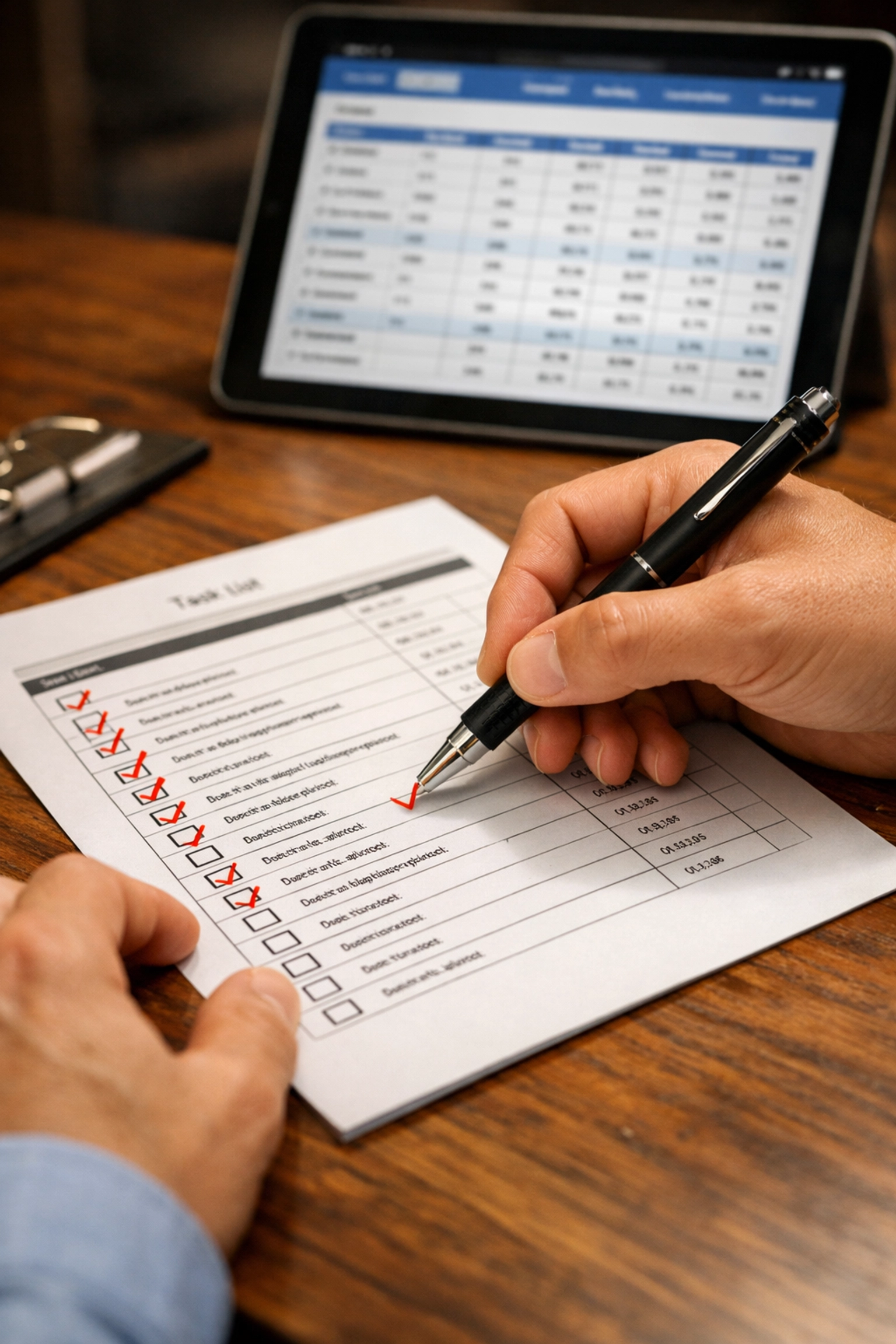
Document Tracking: Maintain a checklist of all documents requested by the adjuster, such as tax returns, profit and loss statements, or maintenance records.
Deadlines: Note all deadlines for submitting forms. A Sworn Proof of Loss often has a strict 60-day deadline from the date of the request.
For businesses, maintaining detailed financial records is essential for substantiating business interruption. This includes payroll records, utility bills, and historical sales data. Visit our business insurance section for more on risk management.
7. Discarding Damaged Evidence Prematurely
Discarding damaged property before an adjuster sees it is one of the most frequent reasons for a reduction in the reported value of a loss. Even if an item is completely destroyed by fire or saturated with contaminated water, it must be kept on-site for inspection unless it poses an immediate health hazard.
The Fix: The "Hold-and-Verify" Rule Keep all damaged items in a designated area of the property.
Outdoor Storage: If items are bulky or emit odors, move them to an outdoor area or a secure dumpster, but do not have the dumpster hauled away until the adjuster provides written permission.
Serial Numbers: For electronics and machinery, ensure the serial number tags remain attached to the damaged units.
Verification: If local authorities (such as the fire department) require the removal of debris for safety, obtain a written order and take detailed photos of the items before they are removed.
By preserving the physical evidence, you provide the insurance company with the necessary proof to verify the loss and accurately categorize the damaged property.
Professional Risk Management for Florida Property
Navigating property damage reporting requires a methodical approach and attention to detail. By avoiding these seven mistakes, you maintain the integrity of your insurance contract and ensure that your property is evaluated fairly and accurately. Documentation, prompt notification, and professional vetting are the pillars of a successful property damage report.
Insurance Alliance LLC is dedicated to helping clients manage risk and maintain compliance across all lines of insurance. Whether you are managing a restaurant or protecting your personal residence, following professional reporting standards is essential.
For further information on managing business risks and staying compliant with industry regulations, explore our resources:
Maintaining a professional and organized approach to property damage reporting protects the long-term viability of your assets. Reach out to Insurance Alliance LLC today to ensure your property and business are properly documented and protected against the unexpected.
Insurance Alliance LLC Professional Coverage Solutions https://www.theinsalliance.com


Comments