
Washington Restaurant Insurance: 10 Things You Must Know Before Your Next Renewal
Restaurant owners in Washington face unique risks that require comprehensive insurance protection. Your renewal presents an opportunity to evaluate coverage gaps and ensure your policy addresses current operational needs. Understanding these ten essential coverage areas protects your business from financial losses and regulatory compliance issues.
1. Workers' Compensation Insurance Requirements
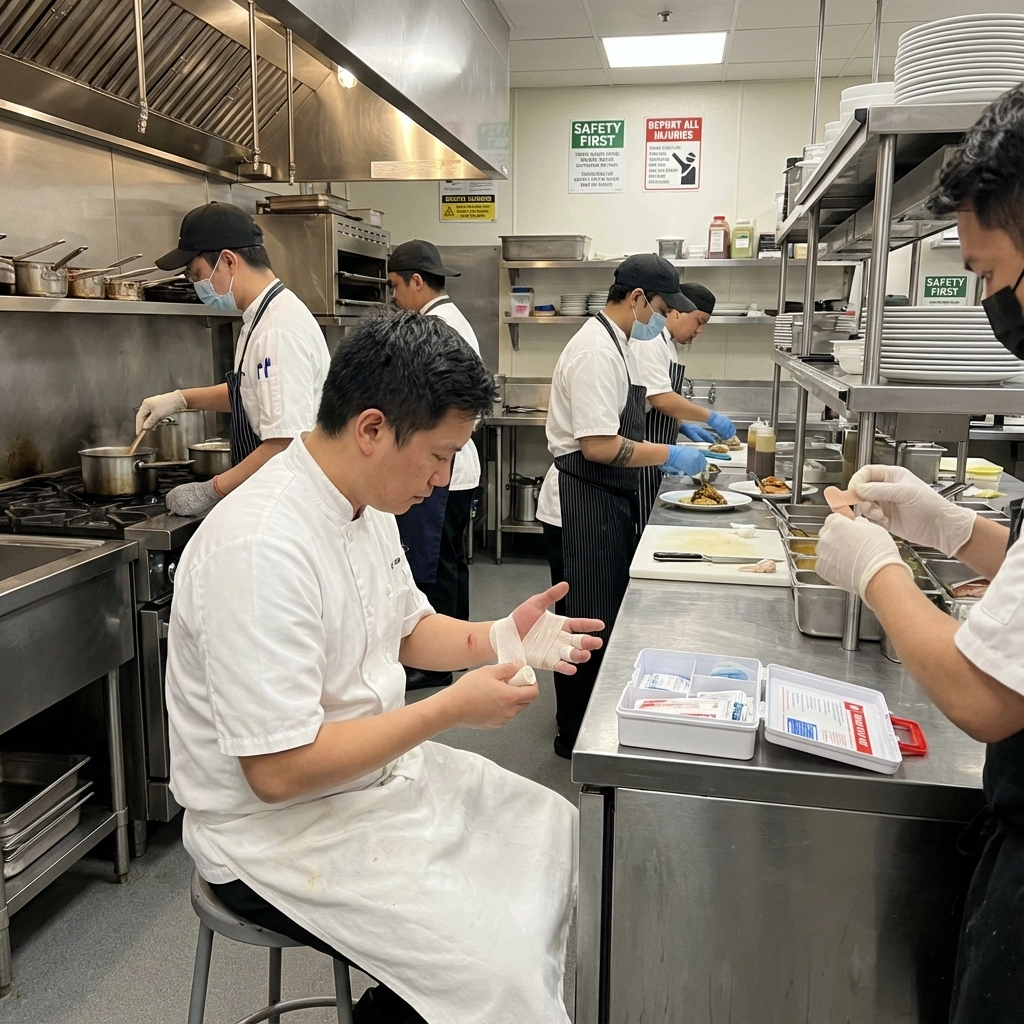
Washington State mandates workers' compensation insurance for all employers with three or more employees. This coverage protects employees who experience work-related injuries or illnesses by covering medical expenses and lost wages. Restaurant environments present specific risks including kitchen accidents, slip and fall incidents, and repetitive motion injuries.
Your workers' compensation policy shields your business from liability related to employee injuries. Coverage extends to both full-time and part-time staff members. Restaurant operations involve sharp knives, hot surfaces, wet floors, and heavy lifting that increase injury likelihood.
2. Commercial General Liability Coverage Minimums
Commercial general liability insurance forms the foundation of restaurant protection. Your policy should include premises operations coverage, independent contractor liability protection, products and completed operations coverage, personal injury protection, and advertising injury coverage.
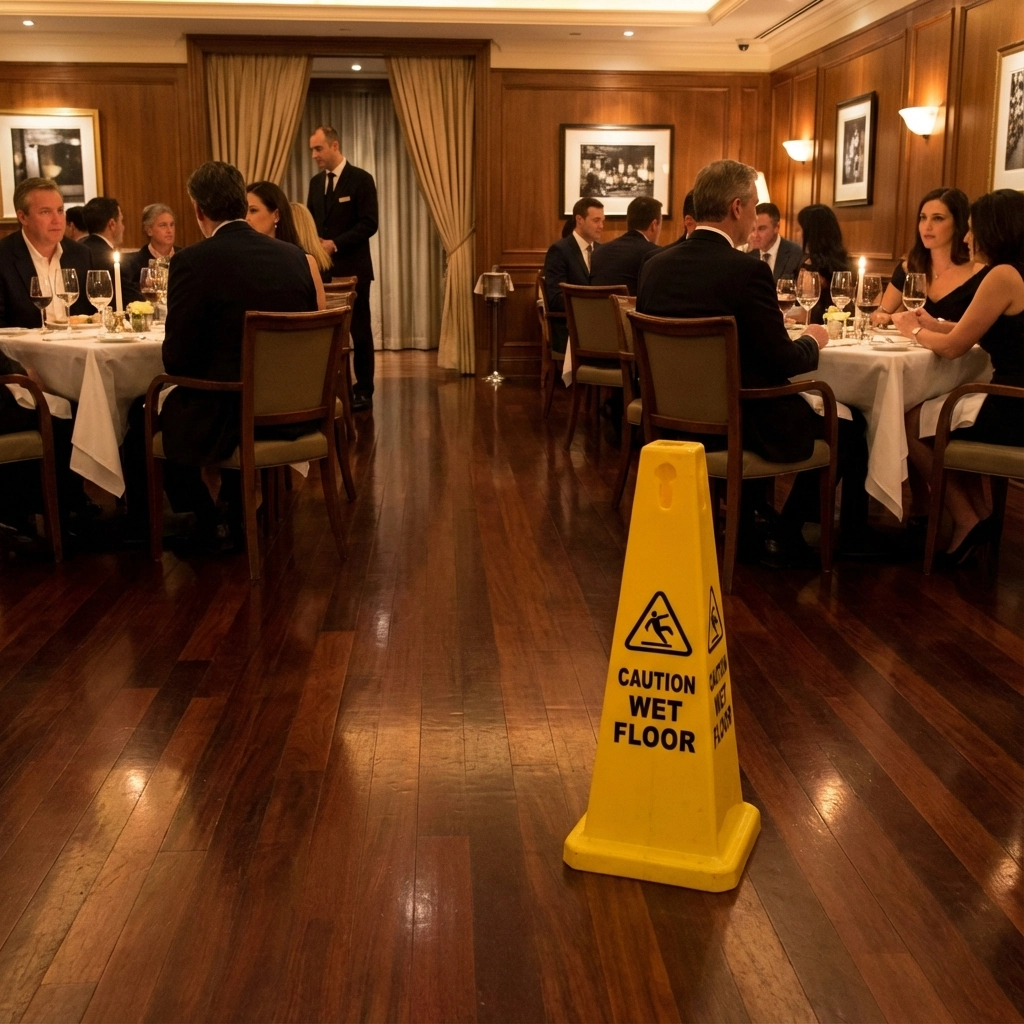
Many municipalities require minimum coverage amounts of $1,000,000 per occurrence and $2,000,000 aggregate. This coverage protects against customer injuries, property damage, and liability claims arising from your business operations. Restaurant liability extends to food-related illnesses, slip and fall accidents, and incidents involving third parties on your premises.
3. Food Safety Certification Status
Washington State requires restaurants to maintain at least one Certified Food Protection Manager (CFPM) on staff. Insurance providers consider food safety training when evaluating coverage applications. Proper certification demonstrates commitment to safe food handling practices and risk management.
Your CFPM certification reduces contamination risks and helps prevent foodborne illness incidents. This certification requirement connects directly to your liability exposure and insurance needs. Maintaining current food safety credentials supports your overall risk management strategy.
4. Liquor Liability Protection
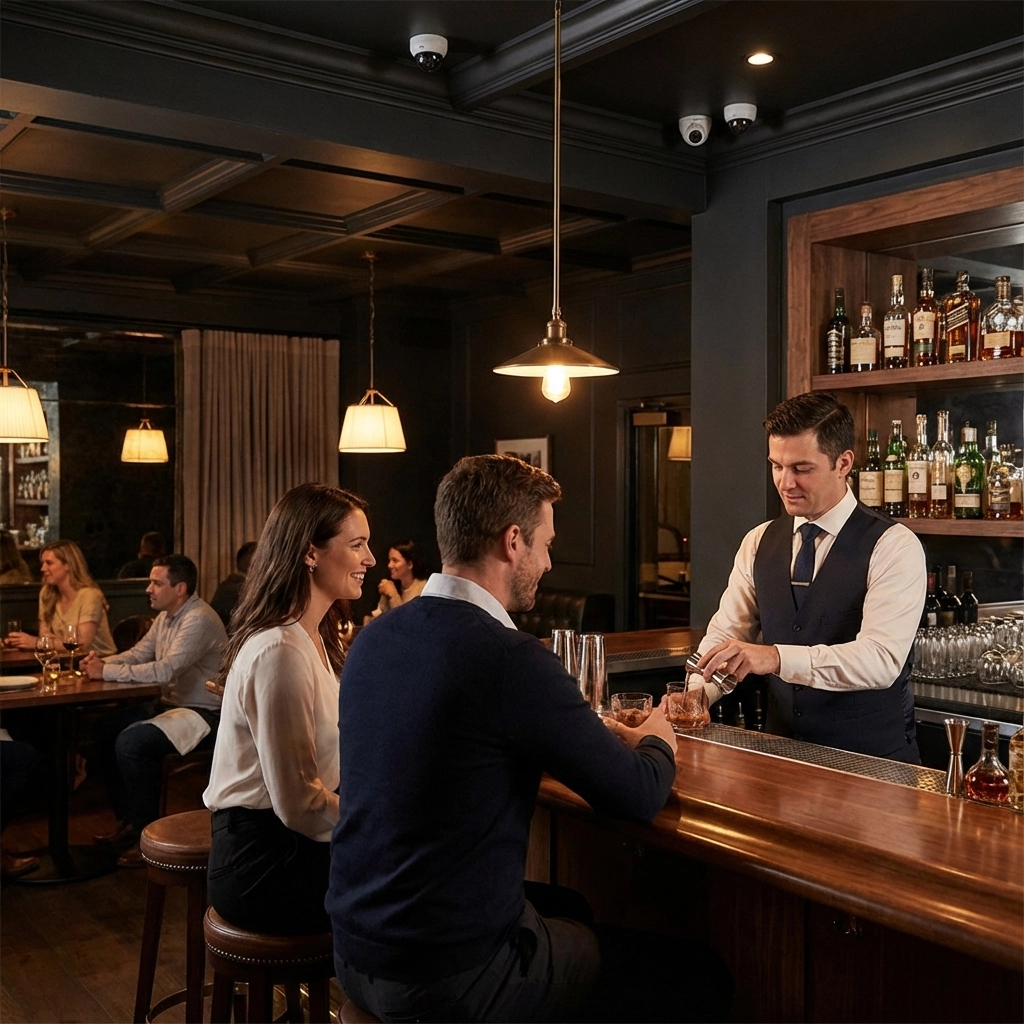
Restaurants serving or selling alcoholic beverages require liquor liability insurance. This specialized coverage protects against alcohol-related incidents including fights and injuries resulting from alcohol service. Your liquor liability policy should include assault and battery coverage for physical altercations that may occur on your premises.
Liquor liability coverage requires not less than one million dollars in liability limits. This protection addresses incidents where alcohol service contributes to customer injuries or property damage. Coverage extends to situations involving intoxicated patrons who cause harm to others or damage property after leaving your establishment.
5. Food Spoilage and Contamination Coverage
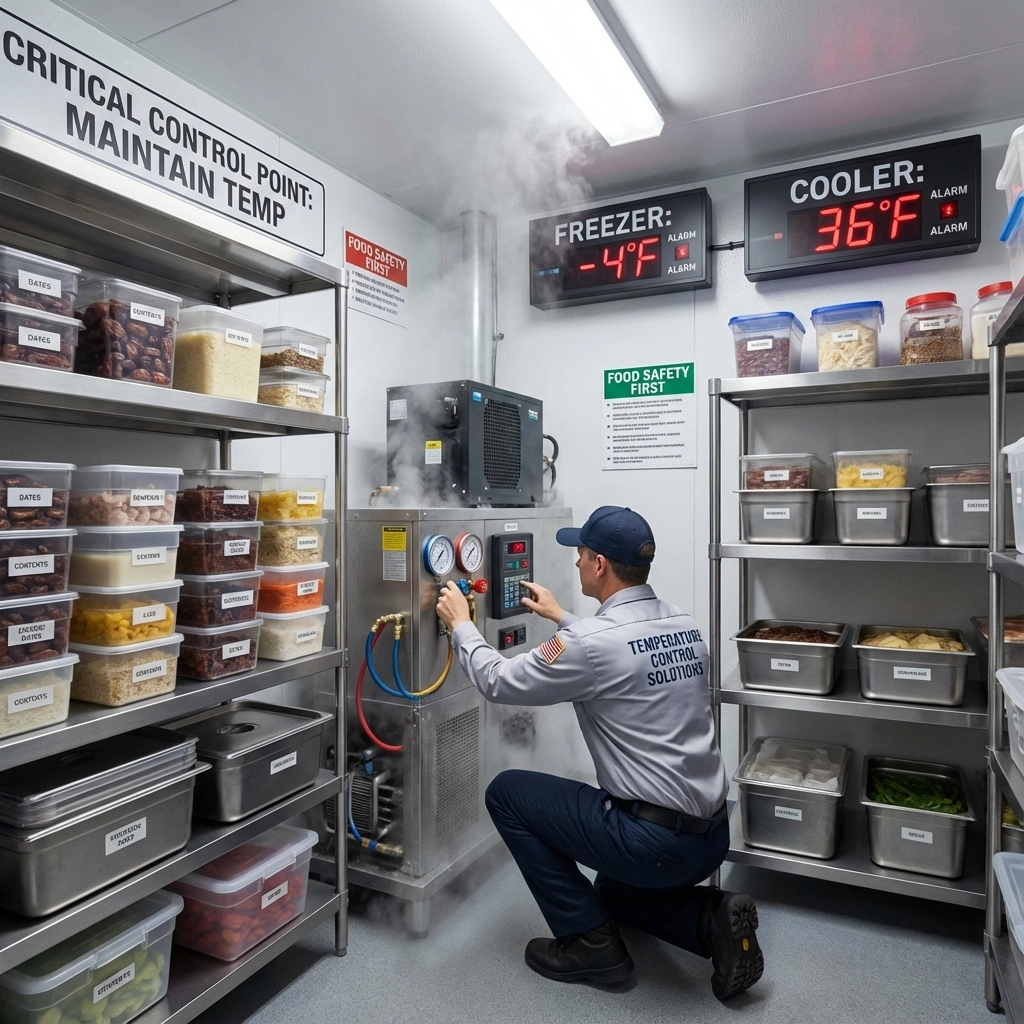
Food spoilage insurance reimburses your business for food and beverages spoiled by covered events. Power outages, equipment failure, or contamination incidents can destroy valuable inventory. This coverage protects your inventory investment and helps maintain business continuity during unexpected spoilage events.
Your food spoilage policy addresses refrigeration breakdowns, freezer failures, and utility interruptions that compromise food safety. Coverage includes both perishable and non-perishable items depending on your policy terms. This protection becomes essential during extended power outages or equipment malfunctions.
6. Business Interruption and Continuity Insurance
Business interruption insurance provides financial support during temporary closures from covered events. This coverage helps cover continuing expenses such as mortgage, advertising, and taxes while your restaurant cannot operate normally.
Equipment breakdown coverage addresses mechanical failures that could interrupt operations. This protection covers repair expenses and potential lost income during equipment downtime. Restaurant operations depend on functioning kitchen equipment, refrigeration systems, and point-of-sale technology.
7. Tools and Equipment Protection
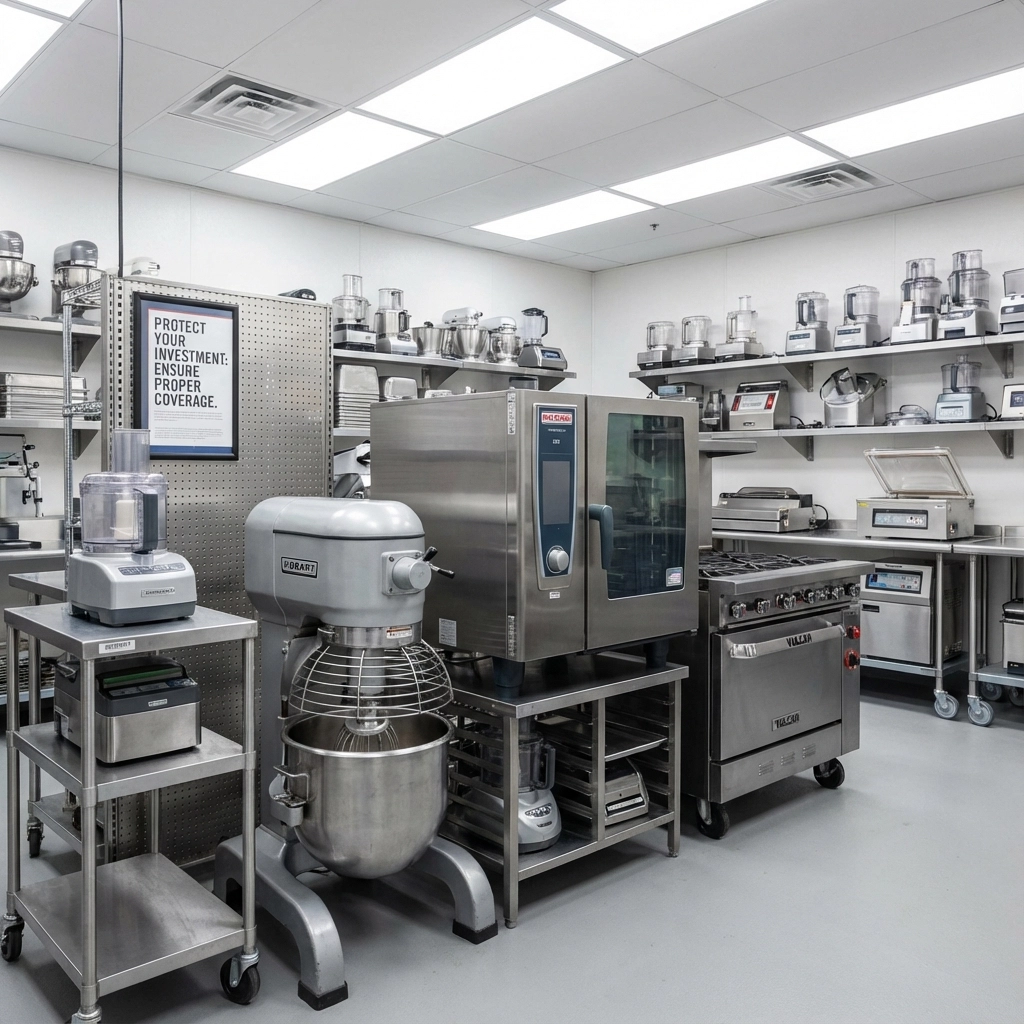
Inland marine coverage protects restaurant tools, equipment, and specialized items against damage, theft, or loss. This coverage addresses replacement expenses and potential business interruption from damage to cooking appliances, refrigeration units, and food preparation tools.
Your restaurant equipment represents significant investment in specialized appliances and tools. Coverage extends to portable equipment, tools used off-premises, and items in transit. This protection becomes important for catering operations or equipment moved between locations.
8. Crime and Security Coverage
Crime insurance addresses theft and dishonesty by employees or third parties. Restaurants handle cash transactions and valuable inventory that attract criminal activity. Employee dishonesty coverage protects against internal theft, while money and securities coverage addresses cash handling risks.
Cyber liability coverage protects against internet-based risks including data breaches, system intrusions, and electronic payment processing issues. Modern restaurant operations rely on electronic payment systems, customer databases, and online ordering platforms that create cyber vulnerabilities.
9. Bundled Commercial Package Policies
Bundled commercial package policies provide comprehensive protection through combined coverage options. These packages address the interconnected risks restaurant businesses face more effectively than purchasing coverages separately. Package policies streamline policy management and ensure coverage coordination.
Your commercial package policy typically includes general liability, property coverage, and business interruption protection. Additional coverages can be added based on your specific operational needs. This approach provides broader protection while simplifying insurance administration.
10. Regular Policy Reviews and Customization
Your insurance needs evolve as your restaurant grows and changes. Regular policy reviews ensure coverage remains adequate and addresses new risks that develop over time. Menu changes, seating capacity adjustments, and operational modifications affect your insurance requirements.
Optional coverages include employment practices liability, directors and officers protection, and professional liability coverage. These additional protections depend on your restaurant type and operational activities. Working with insurance professionals familiar with restaurant industry requirements ensures proper coverage selection tailored to your specific business needs.
Coverage Coordination and Compliance
Restaurant insurance requires careful coordination between different coverage types. Your general liability policy works together with workers' compensation, liquor liability, and property coverage to provide comprehensive protection. Understanding how these coverages interact prevents gaps that could leave your business vulnerable.
Compliance with Washington State requirements extends beyond basic coverage mandates. Local licensing requirements, health department regulations, and industry standards all influence your insurance needs. Your insurance program should support regulatory compliance while protecting against operational risks.
Risk Assessment and Coverage Selection
Effective restaurant insurance begins with thorough risk assessment. Kitchen operations, customer service areas, and business processes each present different liability exposures. Your coverage selection should address the specific risks your restaurant faces based on location, menu offerings, and operational characteristics.
Insurance Alliance LLC provides comprehensive restaurant insurance solutions tailored to Washington business requirements. Our expertise in restaurant coverage ensures your policy addresses industry-specific risks while meeting regulatory compliance needs. Contact Insurance Alliance LLC to review your current coverage and ensure adequate protection before your next renewal.


Comments