
Looking for WA Liquor Compliance? 10 Things You Should Know About the Latest Alcohol Service Rules
Washington state recently implemented significant changes to its alcohol service regulations, affecting every establishment from small neighborhood bars to large-scale event venues. For owners of hospitality businesses, staying updated on these rules is a critical component of risk management. Non-compliance does not just lead to fines from the Washington State Liquor and Cannabis Board (LCB); it can also jeopardize your restaurant insurance standing and leave you vulnerable to massive liquor liability exposures.
As of early 2026, these regulations are fully in effect. Navigating the intersection of state law and insurance coverage requires a proactive approach. Understanding the specifics of these rules helps ensure that your business remains eligible for the best possible coverage terms while minimizing the likelihood of a catastrophic incident.
1. Mandatory MAST Permits for All On-Premise Servers
Effective recently, all servers in on-premise establishments in Washington must hold a Mandatory Alcohol Server Training (MAST) permit. This requirement removes previous ambiguities regarding who needs certification. Whether an employee is a full-time bartender or a part-time server who occasionally carries a drink to a table, a Class 12 or Class 13 permit is now a strict requirement.
From a risk management perspective, this is a foundational step. Insurance carriers often review training records during the underwriting process. If an incident occurs involving an uncertified server, your liquor liability coverage could be scrutinized. Ensuring every staff member is certified reduces the risk of "overserving" and demonstrates a commitment to responsible service.
Class 12 Permits: For managers and bartenders 21 and older.
Class 13 Permits: For servers 18 and older.
Maintaining a digital folder of all active permits is a best practice. This documentation is vital during your ultimate restaurant insurance checklist review, ensuring you are prepared for any inspection or audit.
2. Elimination of the 24-Liter Purchase Cap
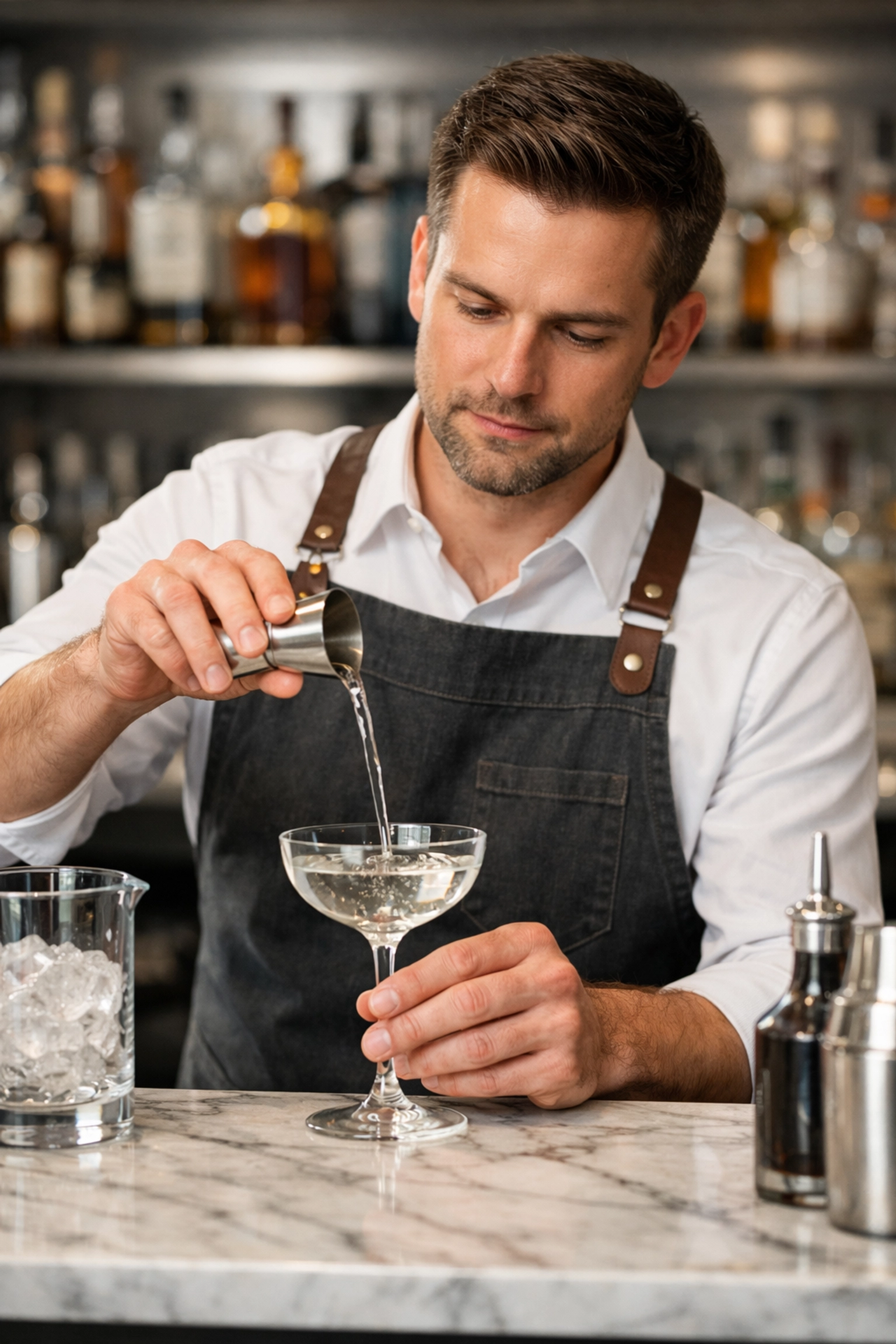
Washington has eliminated the 24-liter purchase cap for retailers buying from other alcohol retailers. This change simplifies logistics, allowing businesses to purchase unlimited volumes in a single transaction. While this offers operational flexibility, it increases the need for meticulous recordkeeping.
From an insurance and compliance standpoint, tracking inventory is essential. In the event of a property loss: such as fire or theft: accurate records determine the value of your inventory. Furthermore, the LCB requires strict adherence to tax obligations and purchase records. Failure to document these "retail-to-retail" purchases correctly can lead to compliance violations that might affect your business’s risk profile.
Proper documentation supports your property coverage. Learn more about how documentation affects your eligibility in our guide on restaurant fire safety and documentation.
3. Comprehensive Requirements for Outdoor Alcohol Service
House Bill 1515 modernized the regulations surrounding outdoor and extended service areas. Many restaurants expanded their outdoor seating over the last few years, and the new rules codify the safety requirements for these spaces.
Key requirements for outdoor service areas include:
Physical Barriers: Specific requirements for fencing or barriers to define the service area.
Controlled Openings: Designated points of entry and exit to prevent alcohol from leaving the perimeter.
Staffing Levels: Adequate personnel to monitor the area and prevent unauthorized consumption or removal of alcohol.
Food Service: Requirements for maintaining food service availability in outdoor areas.
For washington restaurant insurance purposes, outdoor areas represent a unique liability. Slip-and-fall risks increase, and the potential for "off-premises" consumption rises if barriers are inadequate. Ensuring your outdoor space meets LCB standards also aligns your business with general liability best practices.
4. New Opportunities for Civic Campuses and Fan Zones
With the 2026 FIFA World Cup and other major events approaching, Washington has introduced provisions for "civic campuses" and "fan zones." These allow for expanded outdoor alcohol service during major events.
However, these expanded areas carry significant liquor liability risks. High-capacity events increase the likelihood of over-consumption and third-party injuries. Businesses participating in these zones must ensure their liquor liability policy extends to these temporary or shared locations.
Managing risk in these environments requires:
Coordination with local jurisdictions for approval.
Enhanced security protocols.
Verifying that your insurance policy covers "off-premises" events or temporary extensions of the licensed premises.
5. Multiple Business Coordination in Shared Spaces
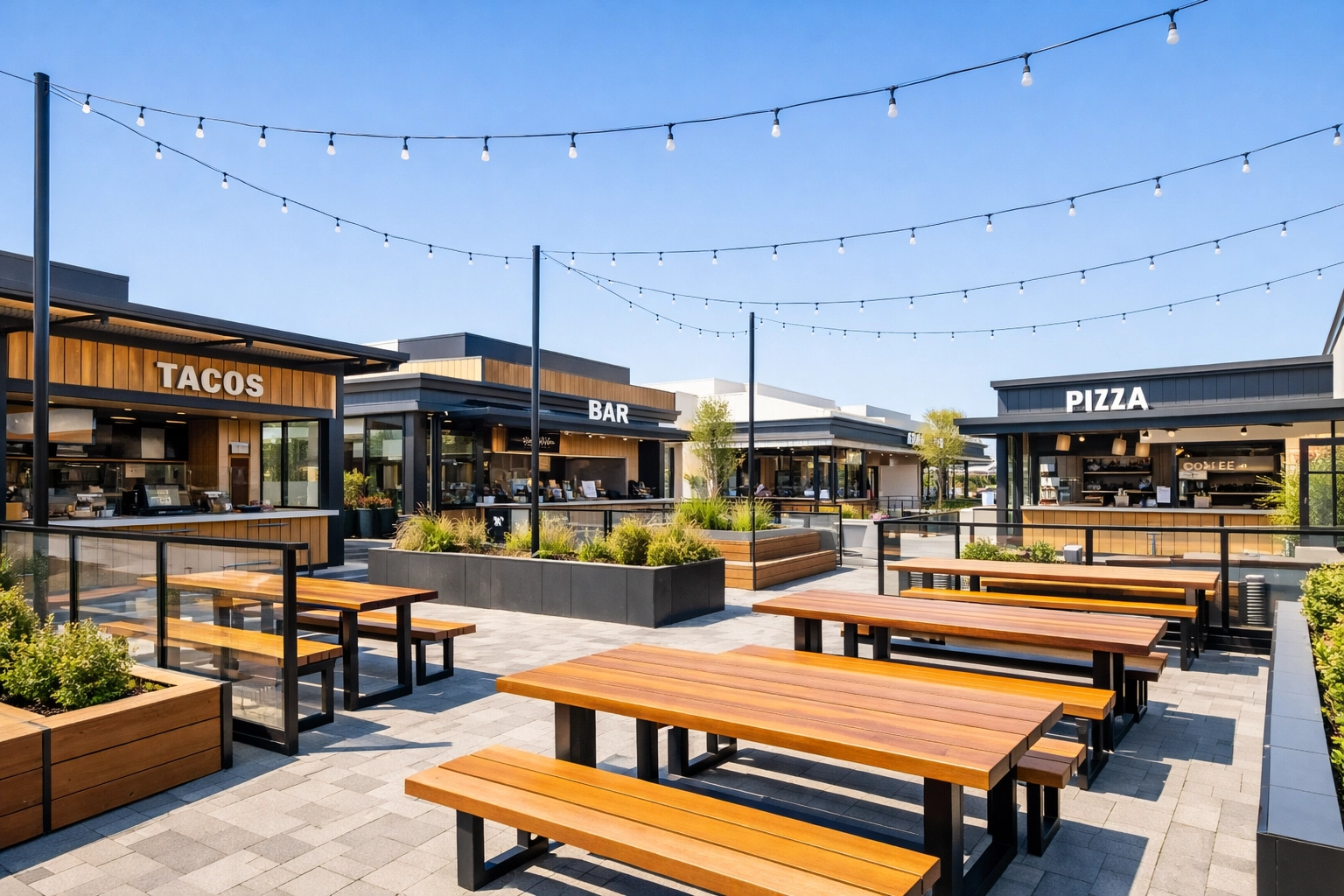
When multiple businesses operate in the same service space: such as a food hall or a shared courtyard: coordination is now legally essential. The LCB requires shared service areas to have clear approvals and enforcement protocols.
From a coverage standpoint, shared spaces create "gray areas" regarding liability. If a guest is overserved in a shared area, which business is responsible?
Each licensee must maintain separate records.
Coordination agreements should clearly outline the responsibilities of each party.
Joint liability should be addressed through your insurance agent to ensure no gaps exist between the participating businesses.
This type of coordination is a key part of Washington restaurant insurance 101, as it involves understanding how different entities interact within a single risk environment.
6. Website Disclosures for Online Sales
The rise of online ordering for beer and wine has led to new digital compliance rules. All website pages associated with the sale of alcohol must clearly display the licensee's registered trade name.
This is more than just a branding requirement; it is a compliance measure to ensure transparency and age verification. In the world of restaurant insurance, digital operations introduce "cyber" and "professional" liabilities. If your online platform fails to verify age properly, or if your trade name is not disclosed as required, you face regulatory action.
For businesses moving into the digital space, it is worth reviewing why professional offices and digital operations need targeted endorsements to cover errors in online transactions.
7. Strict Limits on Spirits Sampling
Spirits sampling is a popular marketing tool for Washington restaurants and retailers, but it is heavily regulated. The limits are specific:
No more than one-half ounce per sample.
A maximum of one and one-half ounces total per person, per visit.
Samples can be altered with mixers, water, or ice, but the total spirit volume must remain within limits.
From a risk management perspective, sampling events should be treated with the same caution as standard service. Staff must be Class 12 permit holders to serve spirits during sampling events. Over-sampling, even in small increments, can lead to impairment and subsequent liability.
8. Grocery Store Spirits Sampling Barriers
Grocery stores with spirits, beer, and wine licenses face additional requirements for sampling. To prevent access by minors or intoxicated individuals, stores must use:
Fixed or movable barriers around the sampling area.
Food service must be available for all sampling participants.
These physical requirements are designed to mitigate the risk of accidental consumption by unauthorized persons. Insurance providers look favorably on these physical risk controls when assessing the liquor liability profile of a retail establishment.
9. Nightclub License Operational Hour Requirements
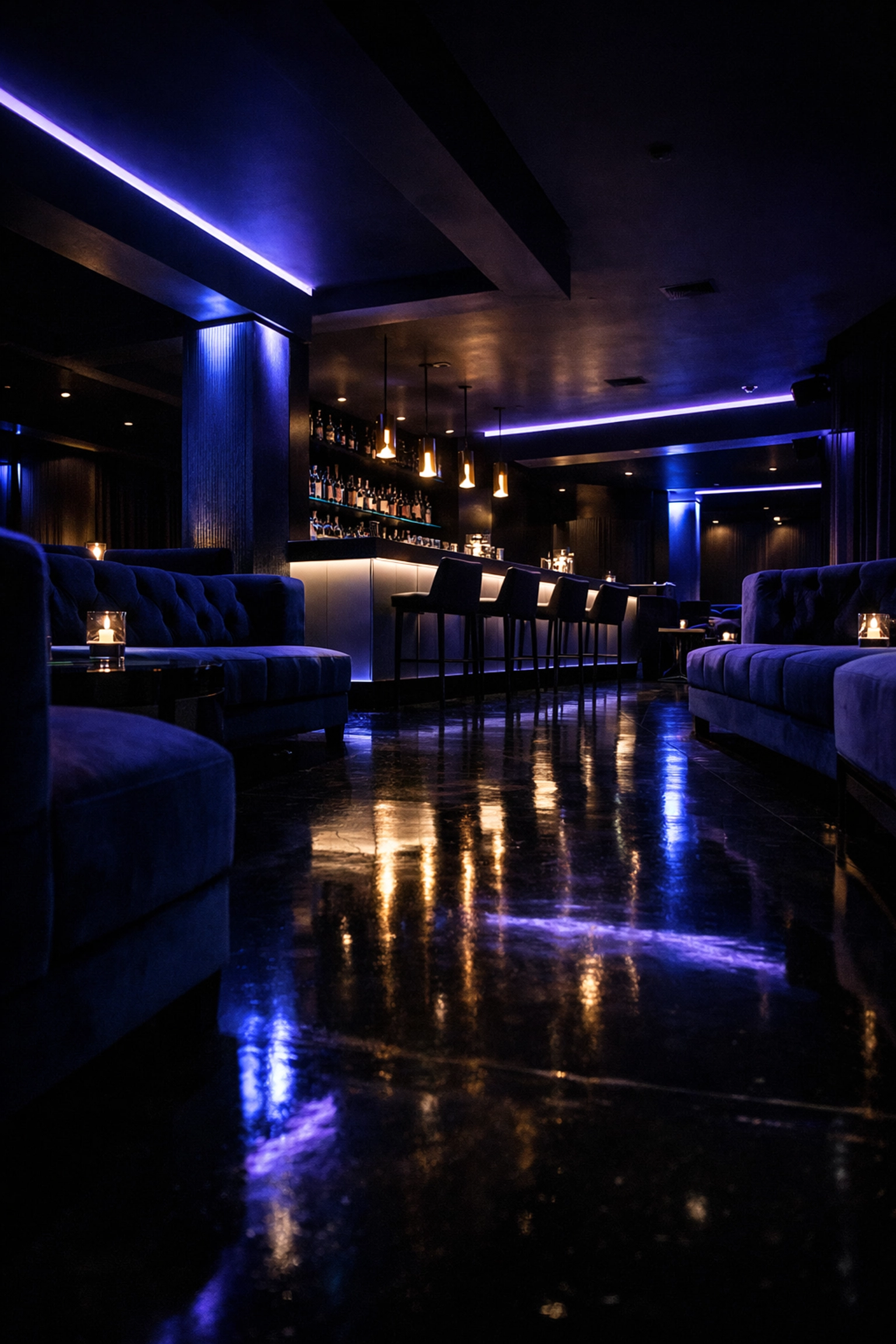
Establishments holding a Spirits, Beer, and Wine Nightclub License must now adhere to specific business hour requirements. Primary business hours must be between 9:00 PM and the time of closure.
Nightclubs represent one of the highest risk categories for liquor liability and general liability due to late hours, high density, and the presence of security personnel. Compliance with these operational hours is mandatory for maintaining the validity of the license. Any deviation can lead to a suspension, which could trigger a "loss of business income" scenario that may not be covered if the suspension resulted from a known compliance violation.
10. Responsible Service as a Foundation for Liquor Liability
The common thread through all these rules is responsible service. Washington state law and the insurance market both prioritize the prevention of over-service and the protection of the public.
Liquor liability insurance is a specialized coverage that protects your business from claims involving:
Injuries to third parties caused by an intoxicated patron.
Property damage caused by an intoxicated patron.
Legal defense costs associated with liquor-related lawsuits.
Without a robust compliance program that follows the LCB’s latest rules, a business is essentially self-insuring against these massive risks. Understanding how your insurance policy supports responsible service is the final piece of the puzzle.
The Intersection of Compliance and Risk Management
Risk management is the practice of identifying potential threats and implementing strategies to neutralize them. In a restaurant or bar, the most significant threat is often the service of alcohol.
Understanding General Liability vs. Liquor Liability
It is a common misconception that a General Liability (GL) policy covers liquor-related incidents. Most GL policies for businesses that sell alcohol contain a "Liquor Liability Exclusion." This means that if a patron is overserved and causes a car accident, the GL policy will not pay for the damages.
You must specifically purchase liquor liability coverage to protect against these events. For a comprehensive look at the foundation of your protection, see our post on General Liability Insurance.
The Role of a Business Owners Policy (BOP)
For many small to medium-sized restaurants, a Business Owners Policy (BOP) serves as the core of their insurance program. A BOP combines property and general liability into one package. However, restaurant owners must ensure that liquor liability is added as an endorsement or a separate policy.
In Washington, where state fund workers' comp is handled separately, the BOP is the primary vehicle for protecting your physical assets and third-party liabilities. You can read more about the foundation for small business security through a BOP here.
Documentation and Carrier Inspections in 2026
As we move through 2026, insurance carriers are becoming more diligent in their inspections. They are no longer just looking at your fire extinguishers and hood suppression systems; they are looking at your MAST permits, your outdoor service barriers, and your employee training manuals.
To pass a carrier inspection with flying colors, keep the following records organized:
Permit Logs: A list of all employees and their Class 12/13 MAST permit expiration dates.
Incident Logs: A detailed record of any time a patron was cut off, a minor was refused service, or an altercation occurred.
Training Records: Documentation of staff meetings where LCB updates were discussed.
Physical Site Maps: Diagrams showing the defined boundaries of outdoor service areas as approved by the LCB.
For more detailed information on what to expect during a renewal or inspection, consult our guide on 10 things you must know before your next renewal.

Addressing Delivery Liability
Many Washington restaurants have transitioned to offering delivery services, either through their own staff or third-party apps. This introduces a separate but related risk: alcohol delivery.
If your staff is delivering alcohol, they must verify age at the door and be MAST certified. From a coverage perspective, your standard liquor liability may not cover "delivery" unless specifically noted. Furthermore, you must address the vehicle liability. If an employee uses their personal car to deliver a bottle of wine, your restaurant could be liable for any accidents they cause.
This is where Hired and Non-Owned Auto Insurance (HNOA) becomes a critical component of your restaurant insurance package. For a deeper look at the risks of delivery, see our article on the hidden risks of third-party delivery.
Conclusion: Staying Ahead of the Curve
Washington’s alcohol service rules are designed to promote public safety and clarify the responsibilities of licensees. By adhering to the mandatory MAST training, managing outdoor spaces effectively, and maintaining meticulous records, you do more than just avoid fines. You build a "defensible position" for your insurance coverage.
When an insurance carrier sees a business that is fully compliant with the latest LCB regulations, they see a lower risk. Lower risk leads to better coverage options and a more stable future for your establishment.
Insurance Alliance LLC is dedicated to helping Washington business owners navigate these complex compliance waters. Whether you are a new restaurant owner or a seasoned hospitality veteran, ensuring your liquor liability and general liability are aligned with state law is our top priority.
For more information on protecting your business, explore our full range of resources or read about how Washington state liquor board compliance supports your policy.
Insurance Alliance LLC Expertise in Restaurant Insurance and Liquor Liability Compliance.


Comments