
Florida Restaurant Insurance: 5 Steps How to Audit Your Fire Suppression and Property Safety
- marketing676641
- Mar 15
- 5 min read
Florida restaurant insurance requires a rigorous approach to risk management. The high-heat environment of a commercial kitchen combined with regional property risks necessitates a comprehensive safety strategy. Property insurance for restaurants is contingent upon the continuous operation and maintenance of fire suppression systems. Understanding how to audit these systems ensures that a business remains compliant with industry standards and eligible for robust coverage.
Maintaining a restaurant in Florida involves adhering to specific safety protocols that protect the physical asset and the individuals within it. A thorough audit of fire suppression and property safety is a fundamental component of professional risk management.
The Importance of Fire Suppression in Restaurant Insurance
Commercial kitchens are high-risk environments. The presence of open flames, high-temperature cooking oils, and electrical equipment creates a significant potential for fire-related incidents. For a restaurant insurance policy to remain effective, the insured must demonstrate that all fire mitigation systems are functional and meet current regulatory standards.
Insurance carriers prioritize properties that exhibit proactive maintenance. A failure to maintain these systems can lead to coverage gaps or the inability to secure property insurance. Technical compliance with National Fire Protection Association (NFPA) standards is the baseline for most commercial property policies.
Step 1: Inspecting the Ventilation and Grease Extraction System
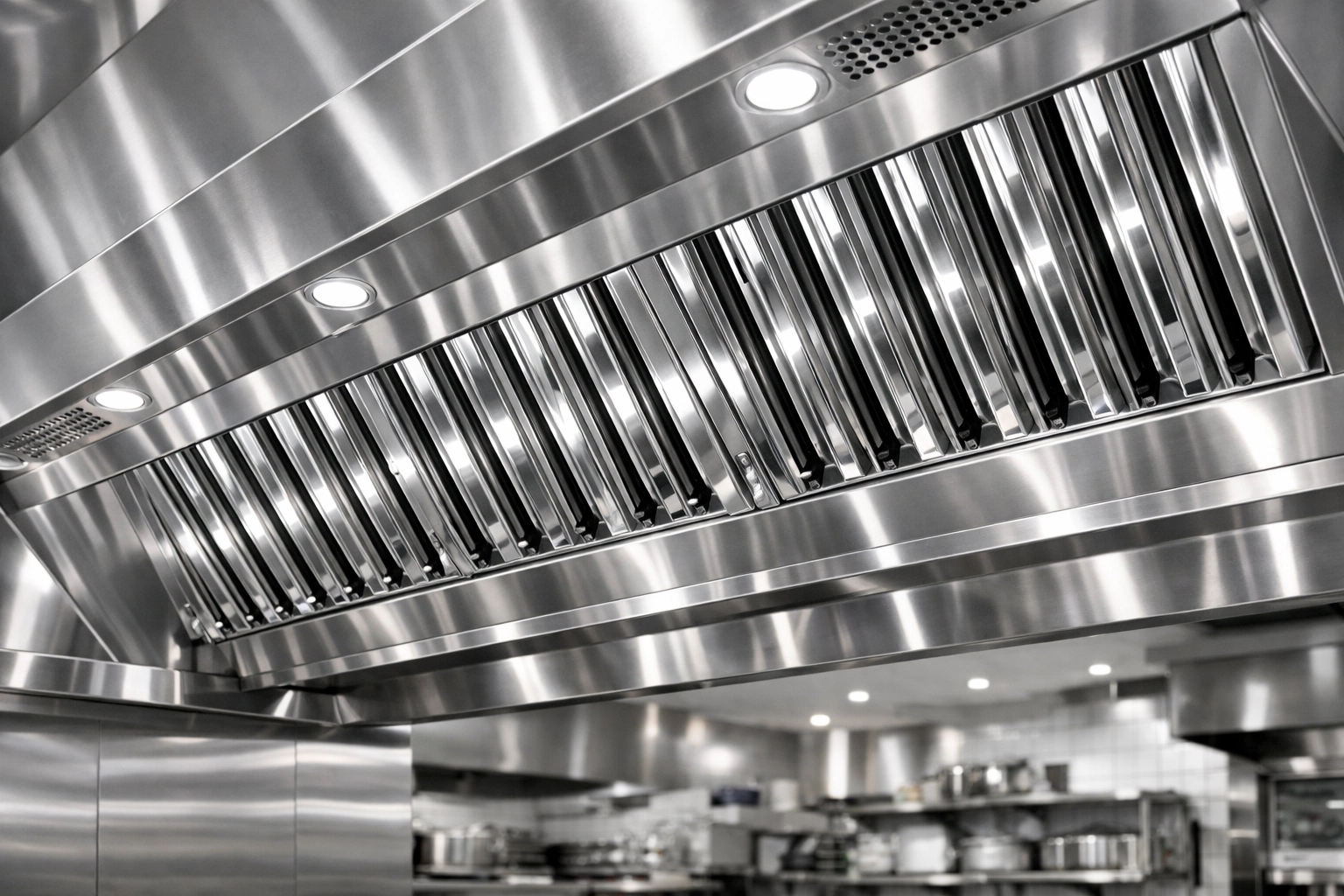
The primary fire hazard in any restaurant is the accumulation of grease within the ventilation system. NFPA 96 provides the standard for ventilation control and fire protection of commercial cooking operations. A property safety audit must begin here.
Grease Duct Cleaning Frequency
Grease buildup acts as a fuel source. The frequency of cleaning depends on the volume of cooking.
High-volume operations (24-hour cooking, charbroiling): Monthly cleaning.
Moderate-volume operations: Quarterly cleaning.
Low-volume operations: Semi-annual or annual cleaning.
Documentation for Compliance
Property insurance eligibility often depends on the ability to produce cleaning certificates from certified contractors. These certificates must state the date of service and any areas that were inaccessible. Inaccessible ducts represent a significant risk and should be addressed through the installation of access panels.
Step 2: Evaluating the Automatic Fire Suppression System
Most modern restaurant insurance requirements include the installation of a UL 300 compliant fire suppression system. Older dry-chemical systems are often insufficient for the high-temperature vegetable oils used in modern cooking.
UL 300 Standards
The UL 300 standard requires that fire suppression systems use wet chemical agents. These agents react with the hot grease to create a foam layer, cutting off the oxygen supply and cooling the oil.
Audit Checkpoints:
Nozzle Placement: Ensure nozzles are positioned directly over the cooking surfaces according to the manufacturer's specifications.
Actuation Links: Inspect the fusible links. These should be replaced semi-annually to ensure they melt at the correct temperature to trigger the system.
Manual Pull Station: Verify that the manual pull station is unobstructed and located along a path of egress.
Gas Shut-off: The system must automatically shut off the fuel or power source to the cooking equipment when activated.
For more details on how these standards impact your overall protection, see our guide on restaurant fire safety and property coverage eligibility.
Step 3: Portable Fire Extinguisher Compliance
Portable extinguishers serve as the first line of defense for small fires. Their presence and condition are critical for property safety audits and insurance compliance.
Class K Extinguishers
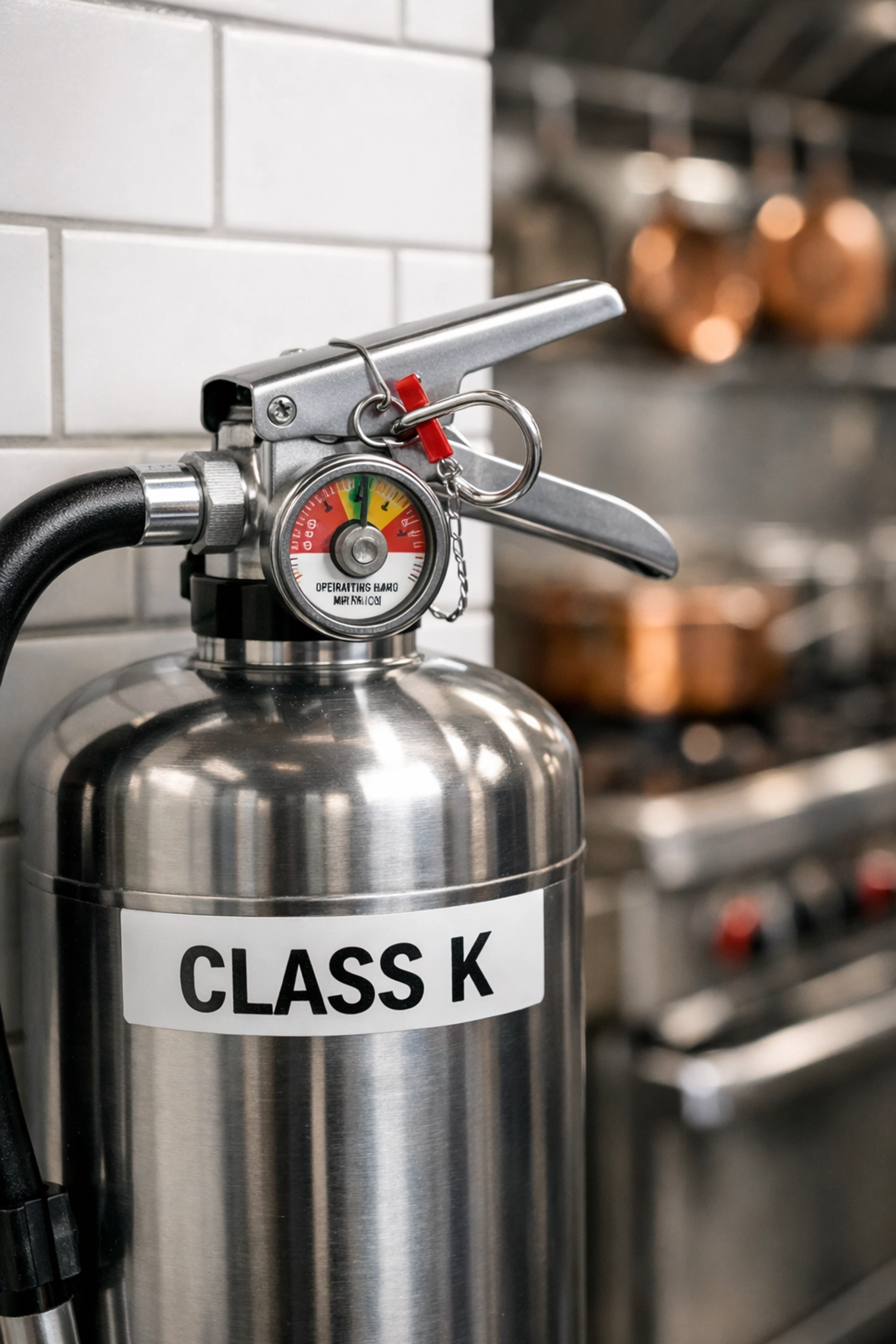
In a commercial kitchen, Class K extinguishers are mandatory. These are specifically designed for fires involving combustible cooking media like vegetable or animal fats. They must be used as a supplement to: not a replacement for: the automatic suppression system.
Inspection Protocols
Monthly Visual Inspection: Ensure the pressure gauge is in the green zone, the pin is intact, and the nozzle is clear.
Annual Maintenance: A certified fire protection company must perform a full maintenance check and tag the extinguisher.
Hydrostatic Testing: Extinguishers require deep-level testing every few years to ensure the cylinder’s integrity.
Maintaining these portable units is a standard requirement for any business owners policy (BOP).
Step 4: Electrical and Heating System Safety Audit
Electrical failures are a leading cause of non-cooking related fires in Florida restaurants. A property insurance audit must include a review of the building's electrical infrastructure.
Panel Maintenance
Ensure that electrical panels are clearly labeled and accessible. There should be a three-foot clearance around all panels. Overloaded circuits or the excessive use of extension cords can lead to overheating and fire risks.
Equipment Breakdown Considerations
Kitchen equipment is subject to intense use. Regular maintenance of refrigerators, ovens, and HVAC systems reduces the risk of electrical shorts. Understanding the difference between various equipment protections is helpful when structuring your policy. Learn more about equipment breakdown vs. inland marine.
Heating and Cooling
In Florida, HVAC systems run almost constantly. Dust accumulation in these systems can create a fire hazard. Filters should be changed monthly, and coils should be cleaned annually by a professional technician.
Step 5: Comprehensive Documentation and Maintenance Logs
The final step in a property safety audit is the organization of documentation. Insurance Alliance LLC emphasizes that documentation is the bridge between safety actions and insurance compliance.
The Audit Trail
Maintain a central file (digital or physical) containing:
Semi-annual fire suppression system service reports.
Quarterly hood and duct cleaning invoices.
Annual fire extinguisher inspection tags.
Daily/Weekly kitchen cleaning checklists.
Employee training records regarding fire safety and emergency procedures.
Carriers often perform inspections to verify the risk profile of a restaurant. Having this documentation ready demonstrates a commitment to risk management. Refer to the ultimate restaurant insurance checklist for a broader view of what inspectors look for.

Managing Property Risks in the Florida Environment
Florida restaurants face unique environmental challenges. Beyond fire safety, property insurance must account for wind and water-related risks.
Hurricane Preparedness
Property safety audits should include the condition of the roof and the presence of hurricane shutters or impact-resistant glass. Ensuring the building envelope is secure is a primary concern for Florida restaurant insurance providers. For more information on environmental risks, visit our post on protecting business property from natural disasters.
Egress and Life Safety
An audit must also verify that all emergency exits are clearly marked and unobstructed. Emergency lighting systems should be tested monthly to ensure they function during a power outage. This falls under general safety compliance, which is essential for general liability insurance.
Specialized Coverage and Risk Mitigation
While fire and property safety are foundational, restaurant owners should also consider how their property safety overlaps with other coverage areas.
Professional Liability and General Liability
A safe physical environment reduces the likelihood of third-party injuries. Understanding the nuances between different types of liability is essential for a comprehensive risk strategy. You can read about professional liability vs. general liability to better understand these distinctions.
Third-Party Risks
If your restaurant utilizes delivery services, the risk profile shifts. Property safety remains important, but you must also account for liability beyond your physical location. Explore our resources on hired and non-owned auto insurance and the hidden risks of third-party delivery.
Conclusion
A property safety audit is not a one-time event but a continuous process of risk management. For Florida restaurants, staying compliant with fire suppression standards and maintaining meticulous documentation is the most effective way to ensure long-term insurance eligibility. By following these five steps, business owners can create a safer environment and strengthen their property insurance posture.
Insurance Alliance LLC provides guidance on coverage and risk management for restaurants across Florida and beyond. For more information on business insurance solutions, visit www.theinsalliance.com.
Insurance Alliance LLC Kevin Barquest, Owner and President Serving Florida, Texas, and Washington

Comments