
Summer Claims Matter: Why 72% of Restaurant Accidents Happen in High Season
- marketing676641
- Mar 20
- 7 min read
High-season operations present a unique set of challenges for restaurant owners. Increased foot traffic, higher temperatures, and a reliance on seasonal staff create a high-pressure environment where risks multiply. Statistical data indicates that a significant majority of restaurant-related accidents occur during the peak summer months. Understanding the technical aspects of restaurant insurance and risk management is essential for maintaining operational continuity and compliance.
The Dynamics of High-Season Risk
Peak season brings a surge in customer volume. This increase places physical stress on the facility and mental stress on the staff. When a restaurant operates at or near capacity for extended periods, the probability of an incident increases. This is not merely due to the number of people present, but also the speed at which the business must operate.
High-velocity environments often lead to lapses in standard operating procedures. Staff members may prioritize speed over safety protocols. This shift in focus is a primary driver behind the spike in seasonal accidents. Managing these risks requires a robust business owners policy that integrates general liability and property protection into a single framework.
General Liability and Guest Safety Hazards
General liability insurance serves as the primary defense against third-party claims of bodily injury or property damage. During the summer, the scope of liability expands to include outdoor spaces and specialized seasonal activities.
Slips, Trips, and Falls in Outdoor Dining
Outdoor seating is a hallmark of summer dining. However, patios and sidewalks introduce unique hazards. Uneven pavement, loose gravel, and transition strips between indoor and outdoor areas are common trip hazards.
Environmental factors also contribute to risk. Summer rain showers can make outdoor surfaces slick. Morning dew on metal furniture or wooden decking creates slip hazards before the first guest even arrives. Maintaining a rigorous inspection schedule for outdoor areas is a critical risk management step. Owners should document these inspections to demonstrate a commitment to guest safety.
Patio Umbrellas and Furniture Stability
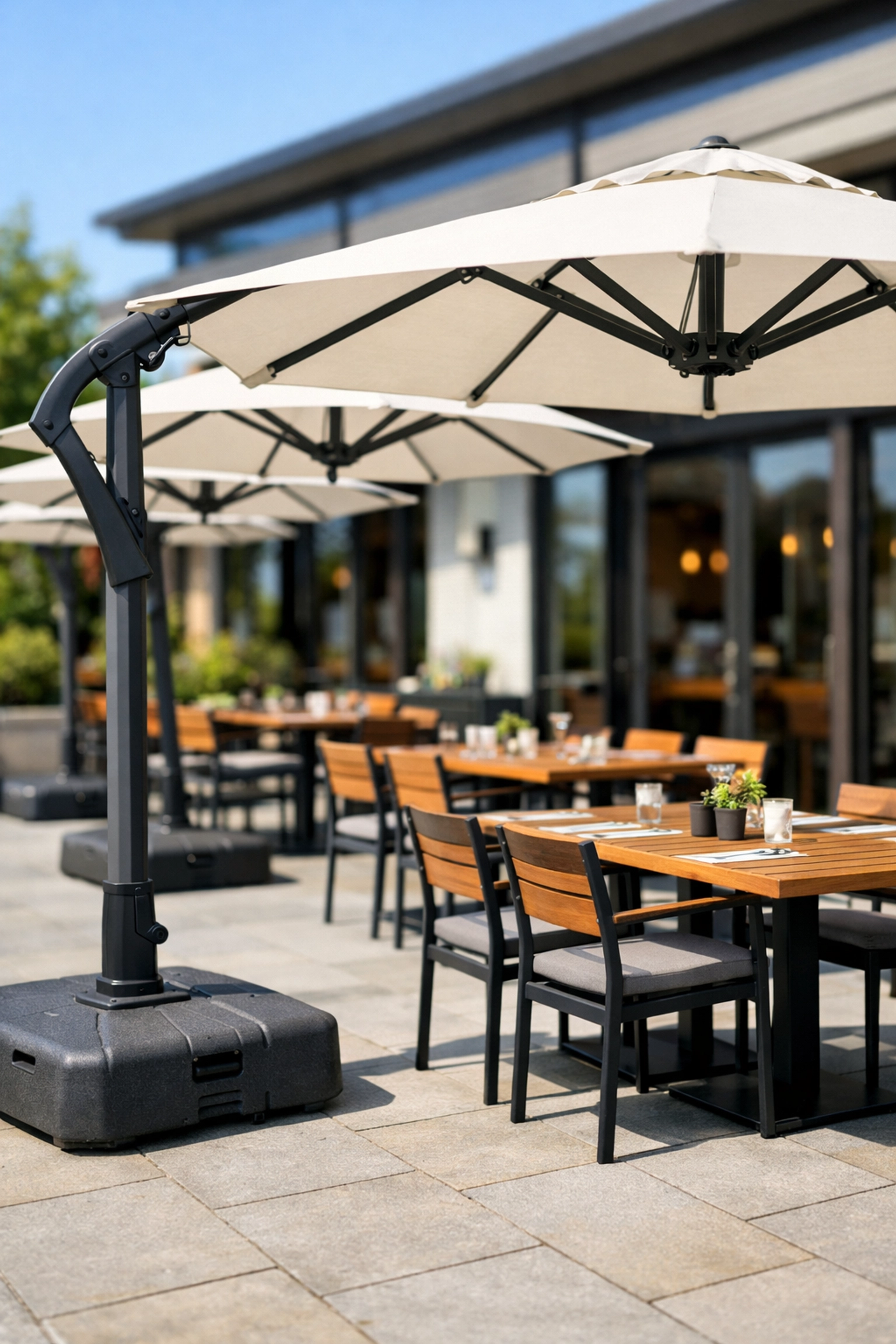
High winds and sudden summer storms can turn patio umbrellas into dangerous projectiles. If furniture is not properly weighted or secured, it poses a risk to guests and passersby. General liability coverage addresses injuries caused by such equipment failure, but prevention through proper anchoring is the superior strategy. Regular checks of table stability and umbrella stands ensure that equipment remains safe for use throughout the day.
Staff Training and Seasonal Workforce Management
The restaurant industry relies heavily on seasonal labor to meet summer demand. This workforce often includes younger individuals or those with limited experience in high-volume hospitality.
Inexperienced Labor Risks
Inexperience is a leading cause of workplace accidents. New hires are often unfamiliar with the specific layout of the kitchen, the proper handling of specialized equipment, or the restaurant’s specific safety culture. This lack of familiarity increases the risk of cuts, burns, and falls.
Training programs must be comprehensive and mandatory. It is not enough to provide a verbal overview. Hands-on training for every piece of equipment is necessary. Proper knife handling, the use of personal protective equipment (PPE), and correct lifting techniques should be part of the initial onboarding process. For businesses in the Pacific Northwest, understanding Washington restaurant insurance requirements regarding labor and safety is a fundamental compliance step.
Heat-Related Illnesses and Staff Welfare
Summer temperatures in the kitchen can reach dangerous levels. Heat exhaustion and heat stroke are serious risks for kitchen staff working near ovens, grills, and fryers. Providing adequate ventilation and hydration is a requirement for maintaining a safe working environment. Staff should be trained to recognize the early signs of heat distress in themselves and their colleagues. Failure to manage heat risks can lead to significant operational disruptions.
Property Risks and Equipment Stress
Summer heat does not only affect people; it also puts a heavy load on restaurant infrastructure. Electrical systems and mechanical equipment are pushed to their limits during high-season operations.
HVAC and Refrigeration Failure
Air conditioning and refrigeration units work significantly harder during the summer. Constant cycling in high ambient temperatures leads to mechanical wear and tear. A failure in the walk-in cooler can result in a total loss of perishable inventory.
Equipment breakdown coverage is an essential endorsement for any restaurant policy. This coverage addresses the repair or replacement of mechanical systems that fail due to internal causes, such as motor burnout or electrical shorts. Standard property insurance often excludes these specific types of mechanical failures, making the endorsement a critical component of a comprehensive risk management plan.
Fire Hazards and Grease Management
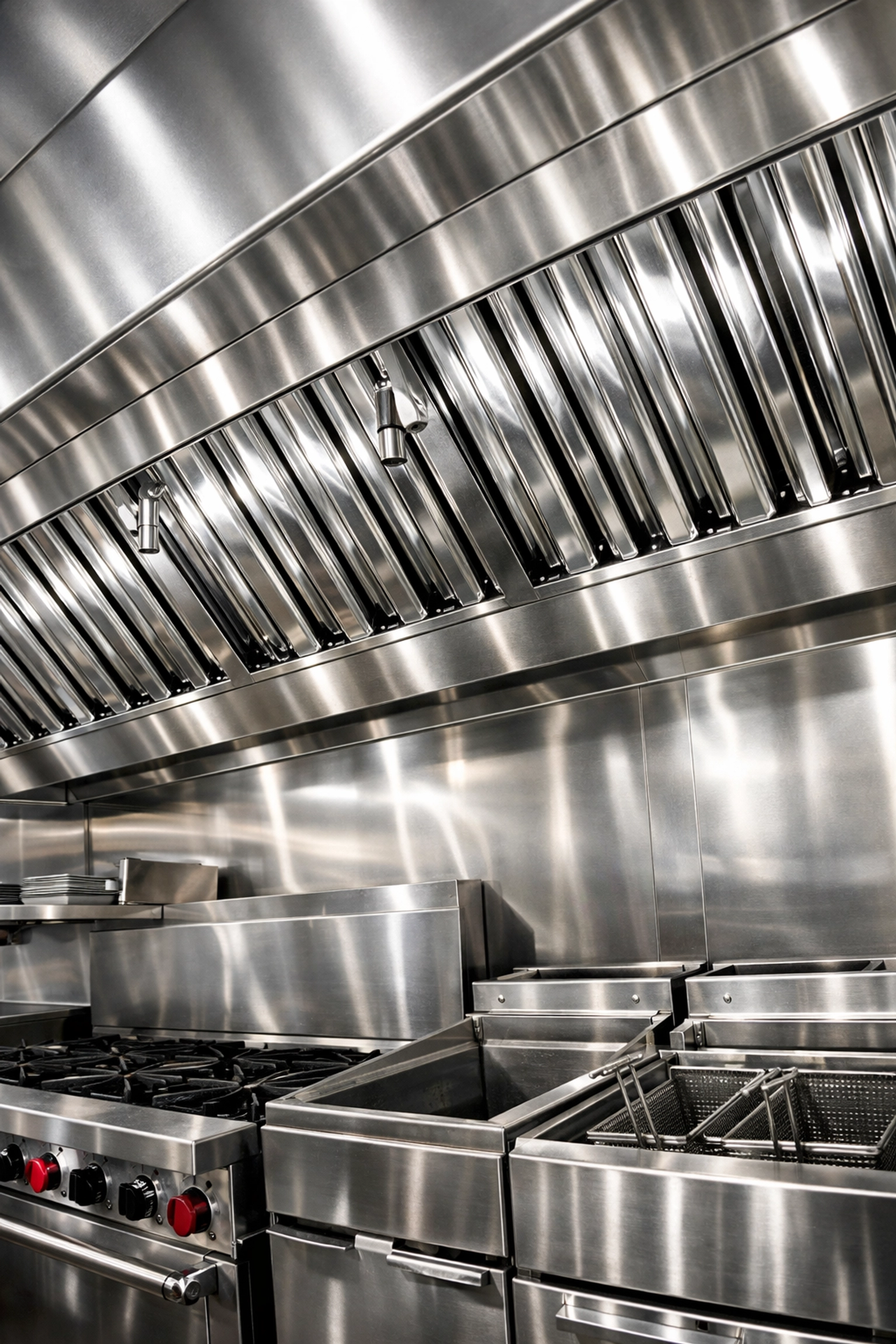
High-volume cooking leads to rapid grease accumulation in exhaust hoods and ductwork. Grease fires are one of the most common causes of total property loss in the restaurant industry. During the summer, the frequency of hood cleaning should increase to match the increased volume of cooking.
Compliance with local fire codes and NFPA standards is mandatory. Insurance carriers often require proof of professional hood cleaning at specific intervals. Maintaining detailed records of these services is necessary to ensure property coverage eligibility.
Liquor Liability and Responsible Service
Summer social patterns often involve increased alcohol consumption. Many restaurants see a rise in beverage sales during the warmer months, particularly in outdoor and "happy hour" settings. This increase in sales brings a corresponding increase in liquor liability risk.
Over-Service and Compliance
Responsible service is a matter of both safety and legal compliance. Staff must be trained to identify signs of intoxication and to refuse service when necessary. The "fast-paced" nature of summer service can lead to lapses in checking identification or monitoring consumption levels.
A robust liquor liability policy is vital for any establishment serving alcohol. This coverage protects the business if a patron who was served alcohol causes injury or damage to themselves or others. In many jurisdictions, the establishment can be held liable even if the incident occurs away from the premises.
Outdoor Service and Perimeter Control
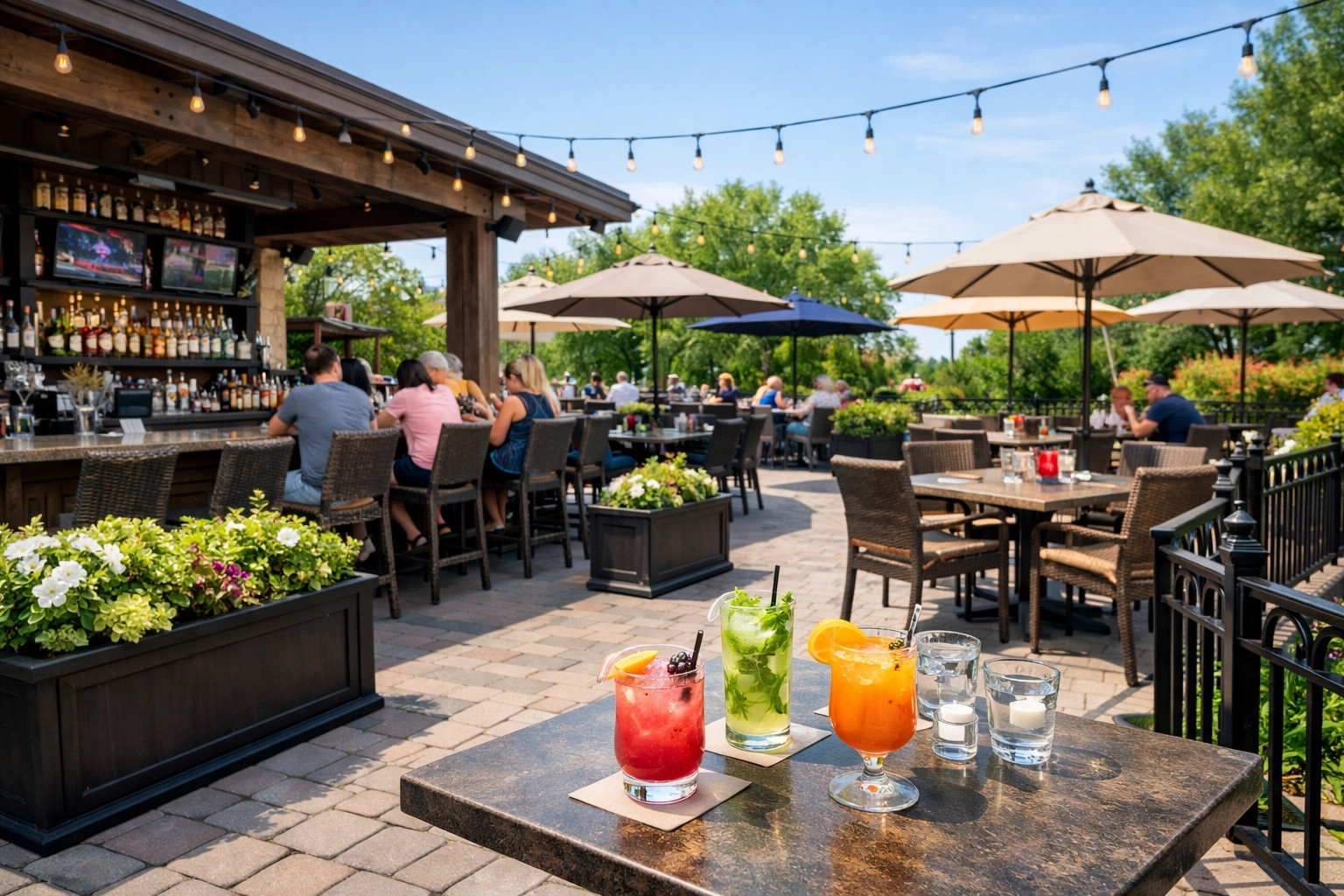
Serving alcohol on patios requires strict perimeter control. It is essential to ensure that alcohol does not leave the designated service area and that unauthorized individuals do not gain access to alcoholic beverages. Proper signage and physical barriers are standard requirements for maintaining liquor board compliance and reducing liability exposure.
Managing Delivery and Off-Premises Risks
Summer often sees an uptick in delivery orders as customers choose to dine at home or in parks. Whether a restaurant uses its own drivers or a third-party service, the risks associated with delivery must be addressed.
Hired and Non-Owned Auto (HNOA)
Many restaurants allow employees to use their personal vehicles for deliveries. This creates a massive liability gap if the employee is involved in an accident. The employee’s personal auto insurance may exclude coverage for business use.
Hired and non-owned auto insurance provides liability protection for the restaurant when vehicles they do not own are used for business purposes. This is a critical endorsement that should be added to the general liability or business owners policy.
Third-Party Delivery Integration
Using third-party platforms does not fully insulate a restaurant from risk. Issues regarding food safety during transport and the potential for vicarious liability still exist. Reviewing contracts with delivery partners and ensuring proper insurance requirements are met is an important part of modern restaurant risk management. More information on this can be found in our guide on the hidden risks of third-party delivery.
Comprehensive Risk Documentation
Documentation is the cornerstone of a professional risk management strategy. In the event of an incident, the ability to produce records of safety training, maintenance, and inspections is invaluable.
The Checklist Approach
Using a restaurant insurance checklist helps managers ensure that no safety steps are missed during the busy season. Daily, weekly, and monthly tasks should be assigned to specific staff members and verified by management.
Key items to document include:
Floor cleaning and "wet floor" sign deployment.
Temperatures of walk-in coolers and freezers.
Cleaning schedules for fryers and hoods.
Staff safety meetings and training sessions.
Inspection of outdoor furniture and umbrellas.
Passwords and Cyber Security
While physical risks are high in summer, digital risks remain constant. High volumes of credit card transactions increase the attractiveness of the restaurant as a target for data breaches. Cyber endorsements provide protection in the event of a data breach or system hack. Maintaining PCI compliance and ensuring that POS systems are secure is a continuous requirement.
Building a Foundation with a Business Owners Policy (BOP)
For most small to mid-sized restaurants, the Business Owners Policy (BOP) is the most effective way to manage the diverse risks of the high season. A BOP combines several essential coverages into one package, ensuring there are fewer gaps in protection.
A typical BOP for a restaurant includes:
General Liability: Protection against lawsuits for bodily injury or property damage.
Property Insurance: Coverage for the building and the business personal property (equipment, inventory, furniture).
Business Interruption: Coverage for lost income if the restaurant must close due to a covered property loss, such as a fire.
By starting with a BOP and adding specific endorsements: like liquor liability, equipment breakdown, and HNOA: owners can create a customized insurance portfolio that addresses the specific needs of their high-season operations.
Proactive Maintenance and Long-Term Stability
The goal of risk management is not just to have insurance, but to prevent the incidents that trigger the need for insurance. Proactive maintenance is a primary tool for stability.
Scheduling professional inspections for electrical panels, plumbing systems, and HVAC units before the summer rush begins can prevent emergency closures. When equipment is maintained according to manufacturer specifications, it is less likely to fail under the stress of high-season demand. This professional approach to facility management is viewed favorably by insurance carriers and contributes to long-term operational success.
Employee Safety Culture
Finally, fostering a culture of safety among the staff is the most effective way to reduce accidents. When employees see that management prioritizes safety through regular training, proper equipment maintenance, and adherence to protocols, they are more likely to follow suit.
In a high-pressure summer environment, a split-second decision can prevent an accident. Empowering staff to speak up about hazards: whether it is a spill that needs cleaning or a piece of equipment that is acting up: is essential. Safety should never be sacrificed for the sake of a faster ticket time.
Insurance Alliance LLC provides the expertise needed to navigate these complex seasonal risks. By focusing on comprehensive coverage and rigorous risk management, restaurant owners can ensure their business remains protected throughout the busiest months of the year.
Insurance Alliance LLC Multi-State Business Insurance Experts
Comments