
5 Essential Endorsements Your Restaurant's Business Owners Policy (BOP) Might Be Missing
- marketing676641
- Jan 20
- 5 min read
A Business Owners Policy (BOP) provides a solid foundation of coverage for restaurants. It bundles general liability and property insurance into one convenient package. Many restaurant owners assume this standard coverage addresses all their operational risks.
That assumption can leave significant gaps in protection.
Modern restaurants face risks that traditional BOPs were not designed to address. Online ordering systems, delivery operations, employee relations, and specialized equipment all create exposures that require additional endorsements. Understanding these gaps helps restaurant owners build comprehensive protection for their operations.
Here are five essential endorsements your restaurant's BOP might be missing.
1. Hired and Non-Owned Auto Coverage
Many restaurants use vehicles they do not own for business purposes. Employees may use personal cars to pick up supplies, make bank deposits, or handle catering deliveries. Some restaurants rent vehicles for special events or large orders.
Standard BOPs do not cover accidents involving vehicles the restaurant does not own. If an employee causes an accident while running a business errand in their personal vehicle, the restaurant could face liability exposure.
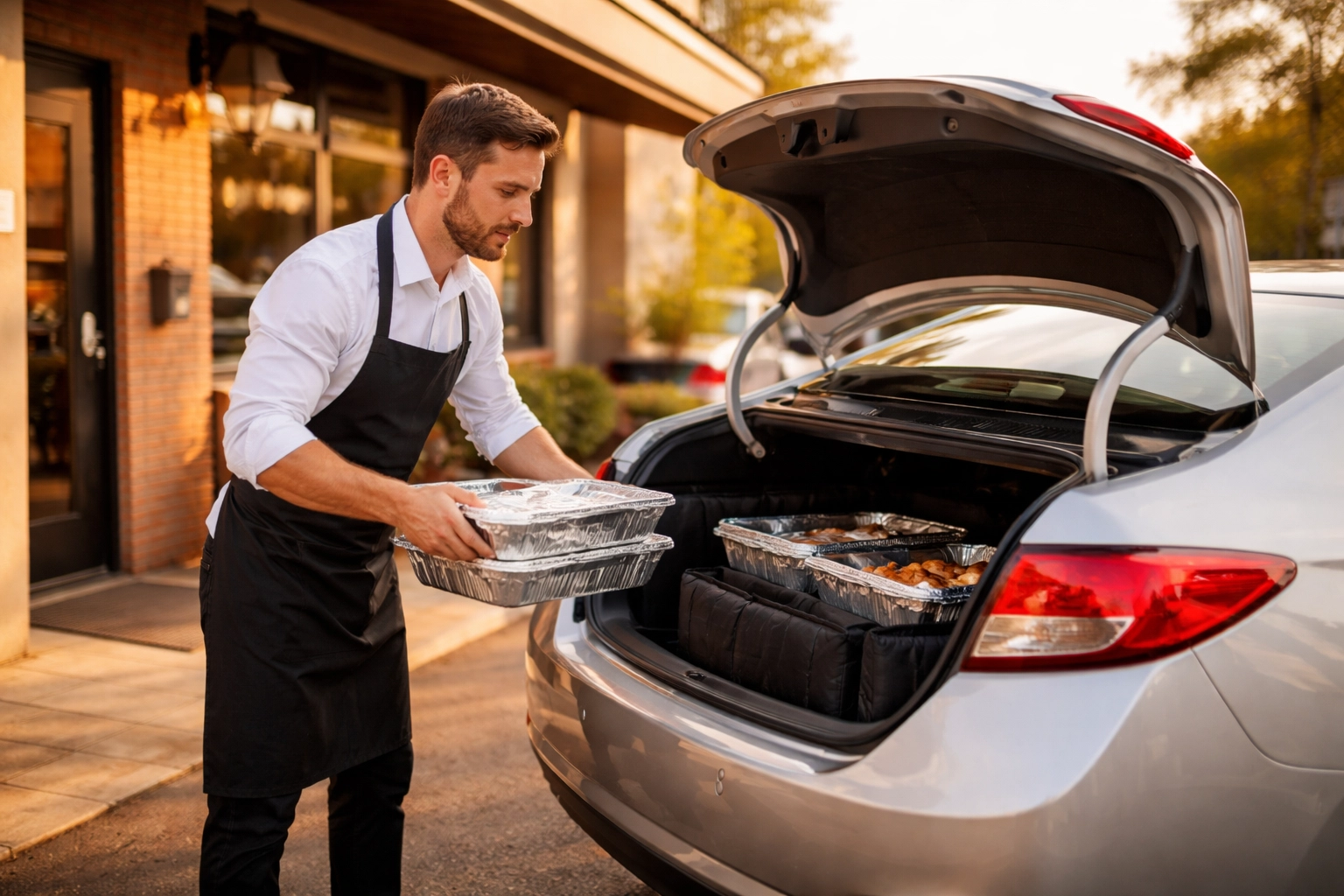
Hired and non-owned auto coverage fills this gap. It provides liability protection when employees use personal vehicles for business tasks or when the restaurant rents vehicles temporarily.
What this endorsement covers:
Liability from accidents involving employee-owned vehicles used for business
Protection when renting vehicles for catering, deliveries, or supply runs
Third-party bodily injury and property damage claims
Legal defense expenses related to covered auto incidents
Restaurants that offer any form of delivery service, even occasional catering, should evaluate this endorsement carefully. The same applies to any operation where employees regularly use personal vehicles for business errands.
For more information on commercial auto considerations, visit our guide on commercial auto insurance.
2. Cyber Liability Coverage
Cyber liability protection is not standard in traditional BOPs. This represents a significant gap for modern restaurants.
Restaurants process credit card transactions daily. Many maintain customer databases for loyalty programs, reservations, and online ordering. Point-of-sale systems, Wi-Fi networks, and third-party delivery integrations all create potential entry points for cybercriminals.
A data breach can disrupt operations and damage customer trust. Restaurants may face regulatory requirements to notify affected customers and provide credit monitoring services. Legal expenses can accumulate quickly following a cyber incident.
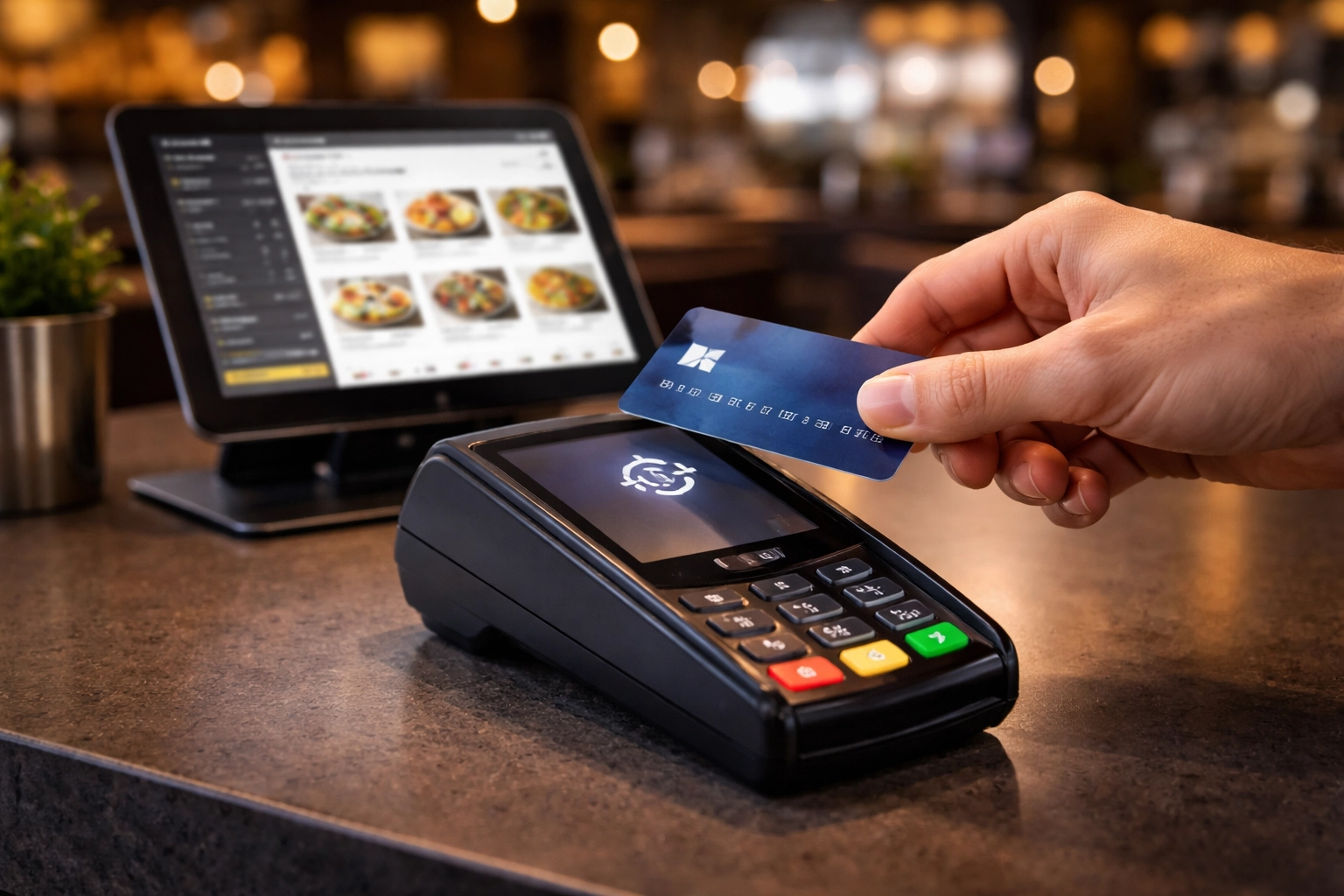
What cyber liability endorsements typically cover:
Data breach response and notification expenses
Credit monitoring services for affected customers
Legal defense and regulatory fines
Business interruption from cyber events
Identity fraud expense coverage
Ransomware and extortion response
Restaurants that rely on online ordering platforms, store customer payment information, or maintain any digital customer records should consider cyber liability coverage essential rather than optional.
Learn more about protecting your restaurant from cyber threats in our comprehensive guide to restaurant cyber protection.
3. Employment Practices Liability Insurance (EPLI)
Restaurants employ significant staff and face unique employment-related challenges. High turnover, diverse workforces, and fast-paced environments can contribute to workplace disputes.
Standard BOPs do not cover employment-related allegations. Claims involving wrongful termination, discrimination, harassment, or retaliation fall outside traditional general liability coverage.
Employment practices liability insurance addresses this gap. It provides protection when current, former, or prospective employees make allegations related to employment decisions or workplace conduct.
Common situations EPLI covers:
Wrongful termination allegations
Discrimination claims based on age, race, gender, religion, or disability
Sexual harassment complaints
Retaliation claims
Failure to promote allegations
Wage and hour disputes (where covered by policy)
EPLI covers legal defense expenses even when allegations prove unfounded. The endorsement also covers settlements and judgments within policy limits.
Restaurants with multiple employees should evaluate EPLI coverage as part of their risk management strategy. The endorsement becomes increasingly important as staff size grows.
4. Equipment Breakdown Coverage
Restaurants depend on specialized equipment to operate safely and maintain food quality. Commercial refrigerators, freezers, ovens, HVAC systems, and ventilation equipment represent significant investments.
Standard property coverage typically protects against external perils like fire, theft, or storm damage. It may not cover sudden mechanical or electrical breakdowns that occur without an external cause.
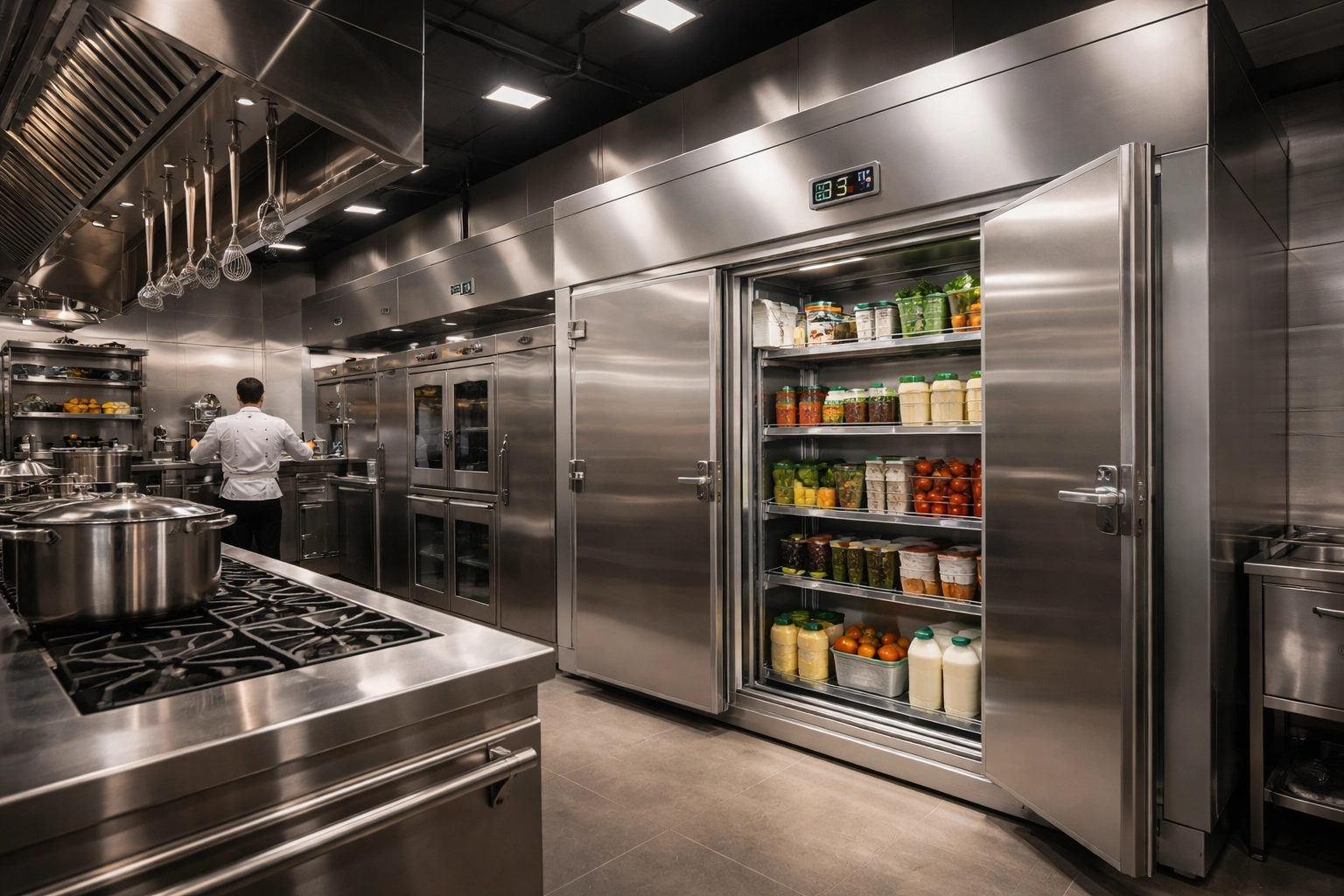
Equipment breakdown coverage protects against sudden malfunctions of mechanical and electrical equipment. This endorsement becomes critical when considering the specialized nature of restaurant equipment.
What equipment breakdown coverage addresses:
Mechanical failure of refrigeration units
Electrical breakdowns in ovens and cooking equipment
HVAC system malfunctions
Damage from power surges
Repair or replacement of failed equipment
Business interruption resulting from equipment failure
A single refrigeration failure can compromise food safety and disrupt service. Equipment breakdown coverage helps restaurants respond quickly to mechanical failures without absorbing the full burden of repair or replacement.
5. Spoilage Coverage
Restaurants maintain significant perishable inventory. Meat, seafood, dairy, produce, and prepared items require proper refrigeration to remain safe and sellable.
Power outages, equipment failures, and utility interruptions can render entire inventory supplies unusable within hours. Standard property coverage may include limited spoilage protection, but these limits often prove insufficient for restaurants with high-value perishable stock.
Spoilage endorsements increase protection for inventory losses caused by:
Power outages (including utility company failures)
Mechanical breakdown of refrigeration equipment
Temperature changes during equipment repair
Contamination from refrigerant leaks
Why spoilage coverage matters:
Many restaurants maintain substantial inventory to meet daily demand and prepare for busy periods. A weekend power outage can destroy thousands of dollars in perishable goods. Spoilage coverage helps restaurants recover and restock without absorbing the full inventory loss.
This endorsement works alongside equipment breakdown coverage to provide comprehensive protection for temperature-sensitive operations.
For additional information on essential restaurant coverages, review our guide on non-negotiable restaurant insurance coverages.
Reviewing Your Current BOP
The ISO BOP program offers approximately 170 possible endorsements. This means significant customization options exist for restaurants with specific operational needs.

A standard BOP provides foundational protection. Endorsements allow restaurants to address the specific risks their operations face. The right combination depends on factors like:
Whether employees use personal vehicles for business
How the restaurant processes and stores customer data
Number of employees and employment practices
Value and type of specialized equipment
Size and value of perishable inventory
Delivery and catering operations
Working with an insurance professional who understands restaurant operations helps identify coverage gaps and appropriate endorsements.
Next Steps
Review your current Business Owners Policy. Identify whether these five endorsements are included or available:
Hired and non-owned auto coverage
Cyber liability coverage
Employment practices liability insurance
Equipment breakdown coverage
Spoilage coverage
Understanding your current coverage helps you make informed decisions about protecting your restaurant from operational risks that standard policies may not address.
For a comprehensive review of your restaurant's insurance needs, explore our ultimate restaurant insurance checklist.
Insurance Alliance LLC specializes in helping restaurant owners build comprehensive coverage tailored to their specific operations. Contact our team to discuss your BOP endorsement options and ensure your restaurant has the protection it needs.


Comments