
The Non-Negotiables of Restaurant Insurance: Coverages Every Owner Should Have
Restaurant operations face unique risks that require comprehensive insurance protection. Understanding essential coverages protects your business from financial devastation and ensures continued operations during unexpected events. Every restaurant owner must secure specific insurance types to maintain business stability and regulatory compliance.
General Liability Insurance: Your Foundation Protection
General liability insurance forms the cornerstone of restaurant insurance coverage. This protection shields your business from third-party claims involving bodily injury or property damage occurring on your premises. Restaurant environments present numerous liability exposures that make this coverage absolutely essential.
Customer injuries represent the most common liability risks in restaurant settings. Slip-and-fall accidents from spilled beverages, wet floors, or uneven surfaces generate significant legal exposure. Burns from hot coffee or food create additional liability concerns. Property damage claims arise when customers' personal belongings suffer damage during their visit.
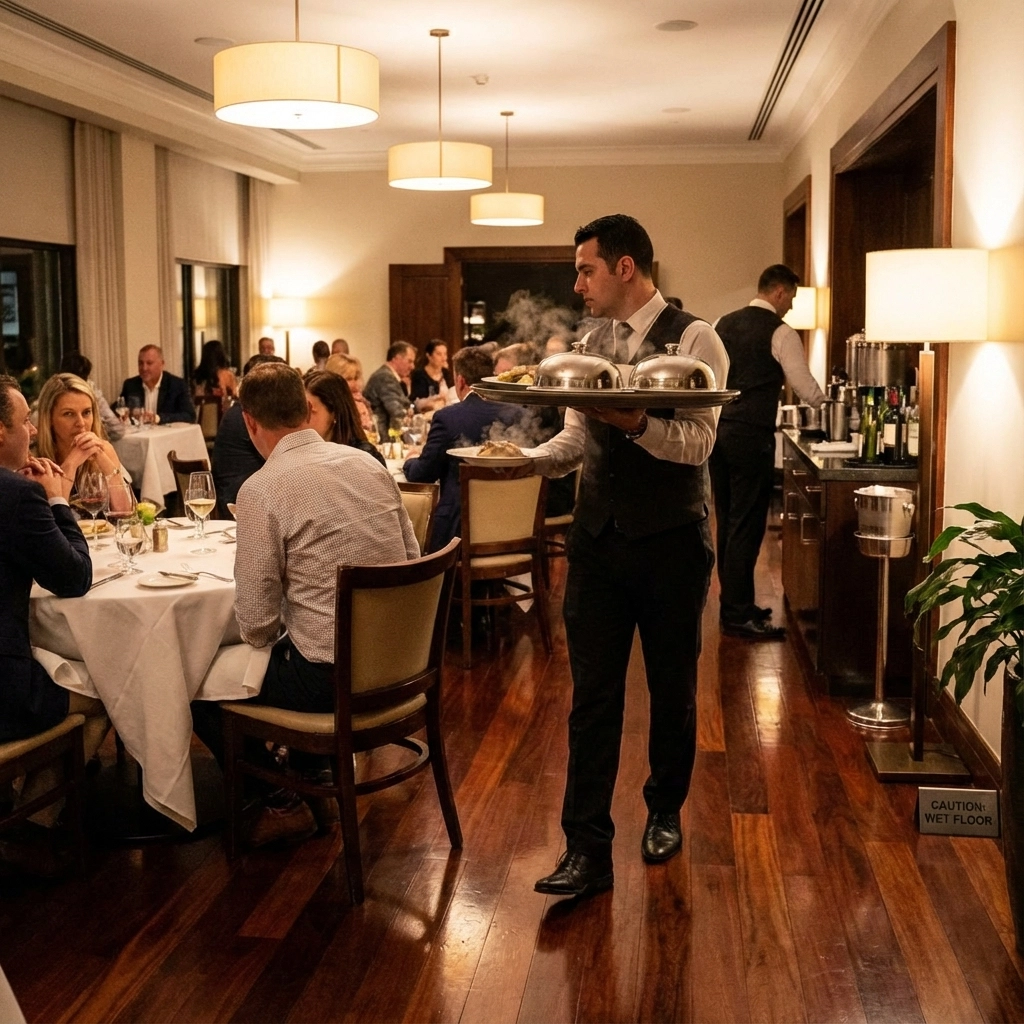
General liability coverage extends beyond immediate incident costs. Legal defense expenses accumulate rapidly during litigation, often exceeding actual damage awards. Your policy provides legal representation and covers court costs, attorney fees, and settlement negotiations. This protection prevents legal expenses from draining your business resources.
Product liability claims fall under general liability protection when customers suffer illness or injury from food consumed at your restaurant. Foodborne illnesses, allergic reactions, or foreign objects in food create substantial liability exposure. Your coverage handles medical expenses, legal defense, and potential damages from these incidents.
Property Insurance: Safeguarding Physical Assets
Restaurant property insurance protects your most valuable business assets from various perils. Kitchen equipment, dining furniture, building structures, and inventory require dedicated protection against fire, theft, vandalism, and natural disasters.
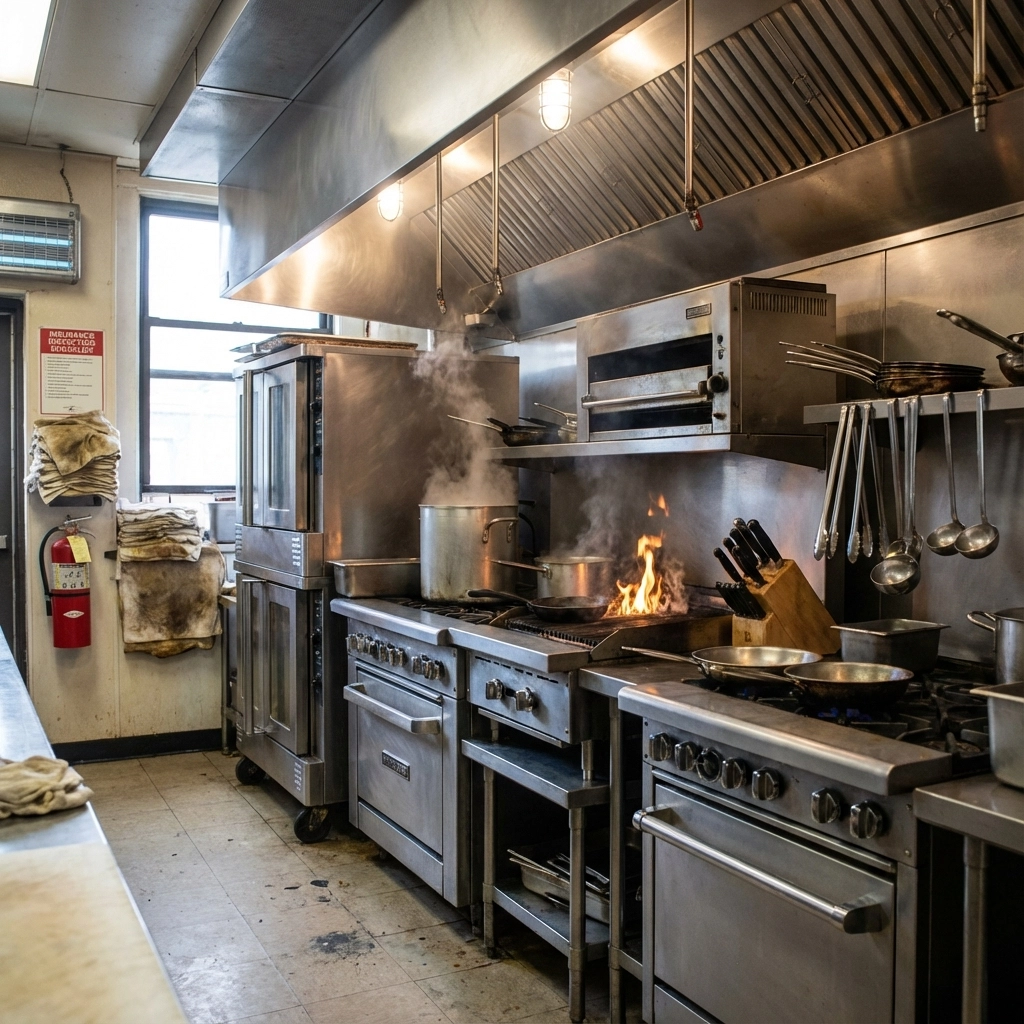
Kitchen fires represent the greatest property threat to restaurants. Commercial cooking equipment, grease buildup, and high-heat operations create fire hazards that can destroy entire establishments. Property insurance covers equipment replacement, building repairs, and inventory losses from fire damage.
Equipment breakdown coverage within your property policy addresses mechanical failures of essential restaurant equipment. Refrigeration systems, ovens, dishwashers, and HVAC units require expensive repairs or replacement when mechanical breakdowns occur. This coverage prevents equipment failures from creating operational disruptions.
Natural disasters pose significant threats to restaurant properties across Florida, Texas, Arizona, Idaho, and Washington. Hurricanes, tornadoes, floods, earthquakes, and severe storms can cause extensive property damage. Your property insurance provides financial protection for rebuilding and replacing damaged assets.
Theft and vandalism protection covers losses from criminal activities. Restaurant equipment, alcohol inventory, and cash registers attract thieves seeking valuable items. Vandalism damage to windows, furniture, or equipment requires immediate repairs to maintain operations.
Workers' Compensation: Mandatory Employee Protection
Workers' compensation insurance provides legally required protection for restaurant employees injured during work activities. Restaurant kitchens present numerous occupational hazards that make employee injuries common occurrences requiring comprehensive coverage.
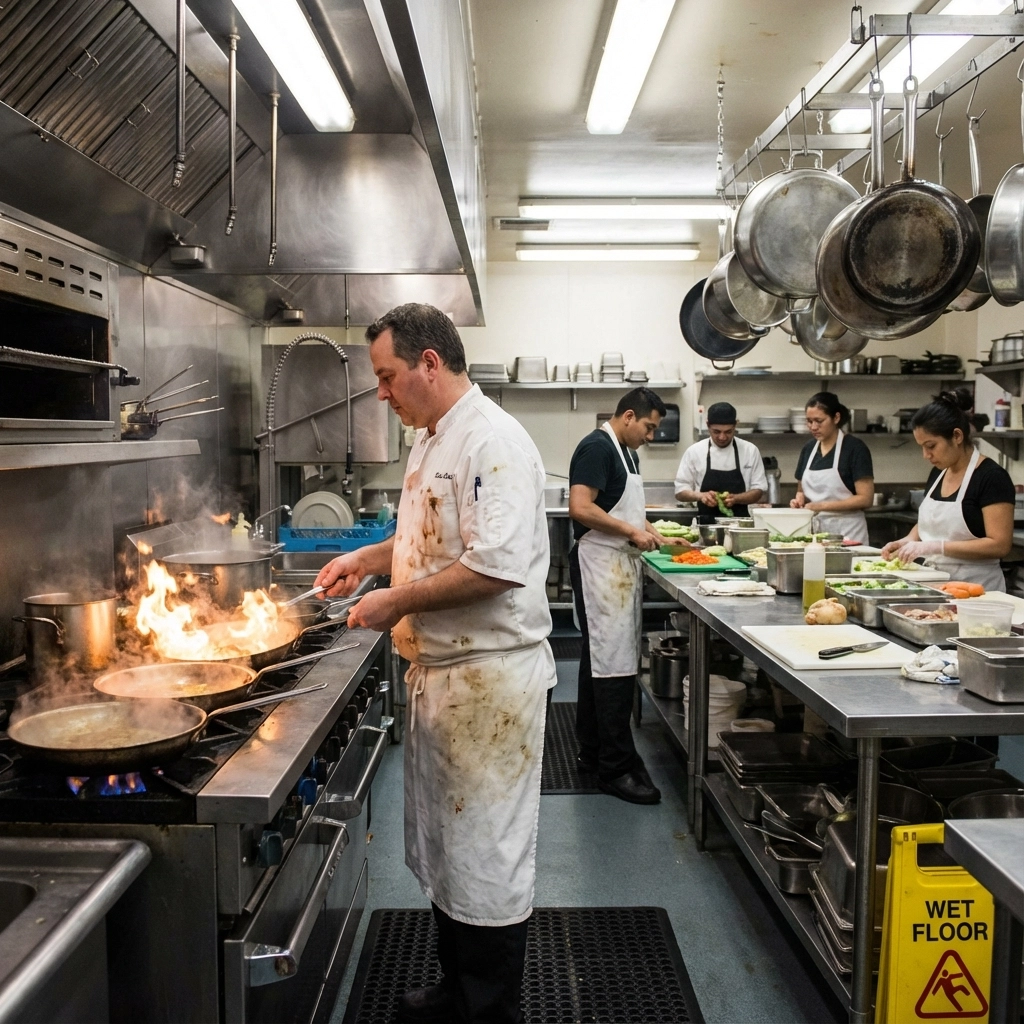
Kitchen injuries include burns from hot surfaces, cuts from knives and equipment, slips on wet floors, and back injuries from lifting heavy items. Servers face risks from carrying hot plates, navigating crowded dining areas, and handling broken glassware. Food preparation workers encounter repetitive motion injuries from constant chopping, mixing, and assembly tasks.
Workers' compensation covers medical expenses for injured employees regardless of fault. Emergency room visits, ongoing medical treatment, physical therapy, and prescription medications receive full coverage. This protection ensures injured workers receive necessary care without financial barriers.
Wage replacement benefits support employees unable to work due to job-related injuries. Partial wage compensation helps injured workers maintain financial stability during recovery periods. Return-to-work programs facilitate employee transitions back to full duties.
Business Interruption Insurance: Income Protection During Closures
Business interruption insurance provides crucial income protection when covered events force temporary restaurant closures. Fire damage, equipment failures, or natural disasters can halt operations for weeks or months, creating severe financial hardship without proper coverage.
This coverage replaces lost revenue during closure periods, helping maintain cash flow for ongoing expenses. Rent payments, loan obligations, employee salaries, and utility bills continue during closures regardless of operational status. Business interruption insurance prevents these fixed expenses from overwhelming your finances.
Extended closure periods require additional financial support beyond immediate revenue replacement. Marketing expenses to rebuild customer bases, equipment rental fees, and temporary location costs receive coverage under comprehensive business interruption policies. These additional expenses help restore normal operations more quickly.
Liquor Liability Insurance: Alcohol Service Protection
Restaurants serving alcoholic beverages require specialized liquor liability insurance coverage. Alcohol service creates unique liability exposures that general liability policies exclude or limit. This coverage protects against claims involving intoxicated patrons who cause injuries or property damage.
Dram shop laws hold establishments liable for damages caused by intoxicated customers they served. Motor vehicle accidents, physical altercations, or property damage involving drunk patrons create substantial liability exposure. Liquor liability insurance covers legal defense costs and damage awards from these incidents.
Overservice incidents generate significant liability risks when staff members continue serving visibly intoxicated customers. Training programs reduce overservice risks, but insurance protection remains essential for unavoidable claims. Coverage includes assault and battery incidents involving intoxicated patrons.

Underage service violations create additional liability exposure when establishments serve minors. Age verification procedures reduce these risks, but human error can result in violations. Liquor liability coverage protects against claims involving underage drinking incidents at your establishment.
Commercial Auto Insurance: Vehicle Operation Protection
Restaurants operating delivery services or company vehicles require commercial auto insurance coverage. Personal auto policies exclude commercial activities, leaving businesses without protection during delivery operations or business-related travel.
Delivery vehicle accidents create liability exposure for property damage and bodily injuries. Driver errors, weather conditions, or mechanical failures can result in serious accidents requiring extensive insurance coverage. Commercial auto policies provide higher liability limits than personal coverage.
Employee vehicle usage for business purposes requires additional coverage considerations. Catering deliveries, supply runs, or bank deposits using personal vehicles create coverage gaps that commercial auto insurance addresses. Non-owned auto coverage protects your business when employees use personal vehicles for work activities.
Cyber Liability Insurance: Digital Age Protection
Modern restaurant operations rely heavily on technology systems that create cyber security vulnerabilities. Point-of-sale systems, online ordering platforms, and customer databases contain sensitive information requiring protection from cyber attacks and data breaches.
Payment processing systems store customer credit card information that attracts cybercriminals seeking financial data. Data breaches involving payment information create significant liability exposure and regulatory compliance requirements. Cyber liability insurance covers breach response costs, customer notifications, and regulatory fines.
Online ordering platforms collect customer personal information that requires protection from unauthorized access. System hacks, employee errors, or vendor vulnerabilities can expose customer data to criminals. Coverage includes forensic investigations, legal expenses, and credit monitoring services for affected customers.
Business Owners Policy: Comprehensive Protection Bundle
Business owners policies combine general liability and property insurance into comprehensive coverage packages designed for small to medium-sized restaurants. This bundled approach provides essential protections while simplifying policy management and ensuring coverage coordination.
BOP coverage includes business personal property, building coverage (if owned), general liability protection, and business interruption insurance. Additional coverages such as equipment breakdown, crime protection, and sign coverage enhance the basic package to address common restaurant risks.
Professional Risk Assessment and Coverage Implementation
Restaurant insurance requirements vary based on operational characteristics, location factors, and business models. Fine dining establishments face different risks than fast-casual restaurants or food trucks. Proper coverage selection requires thorough risk assessment and professional guidance.
Insurance Alliance LLC specializes in restaurant insurance solutions across Florida, Texas, Arizona, Idaho, and Washington. Our experienced agents understand regional risks and regulatory requirements affecting restaurant operations. We provide comprehensive coverage analysis and policy recommendations tailored to your specific business needs.
Contact Insurance Alliance LLC to secure essential restaurant insurance protections that safeguard your business investment and ensure operational continuity during unexpected events.
Essential Food Safety Insurance: Beyond Basic Coverage for Restaurants
Restaurant food safety incidents create devastating financial and reputational consequences that extend far beyond typical liability claims. Understanding specialized insurance protections for foodborne illness outbreaks, contamination events, and supply chain disruptions helps restaurant owners prepare for these unique operational threats.
Product Recall Insurance: Contamination Response Coverage
Food contamination incidents require immediate product removal from service and comprehensive response procedures. Product recall insurance provides essential coverage for expenses associated with identifying, removing, and disposing of contaminated food products before they reach customers.
Contamination sources include supplier issues, storage problems, equipment malfunctions, or preparation errors that compromise food safety. Recall coverage addresses costs for testing suspected products, communicating with suppliers, and coordinating removal efforts. Time-sensitive response requirements demand immediate action regardless of financial considerations.
Third-party recall administrators provide expertise for managing complex recall procedures while minimizing business disruption. These specialists coordinate with health departments, suppliers, and media outlets to ensure proper response protocols. Insurance coverage includes administrator fees, communication costs, and disposal expenses.
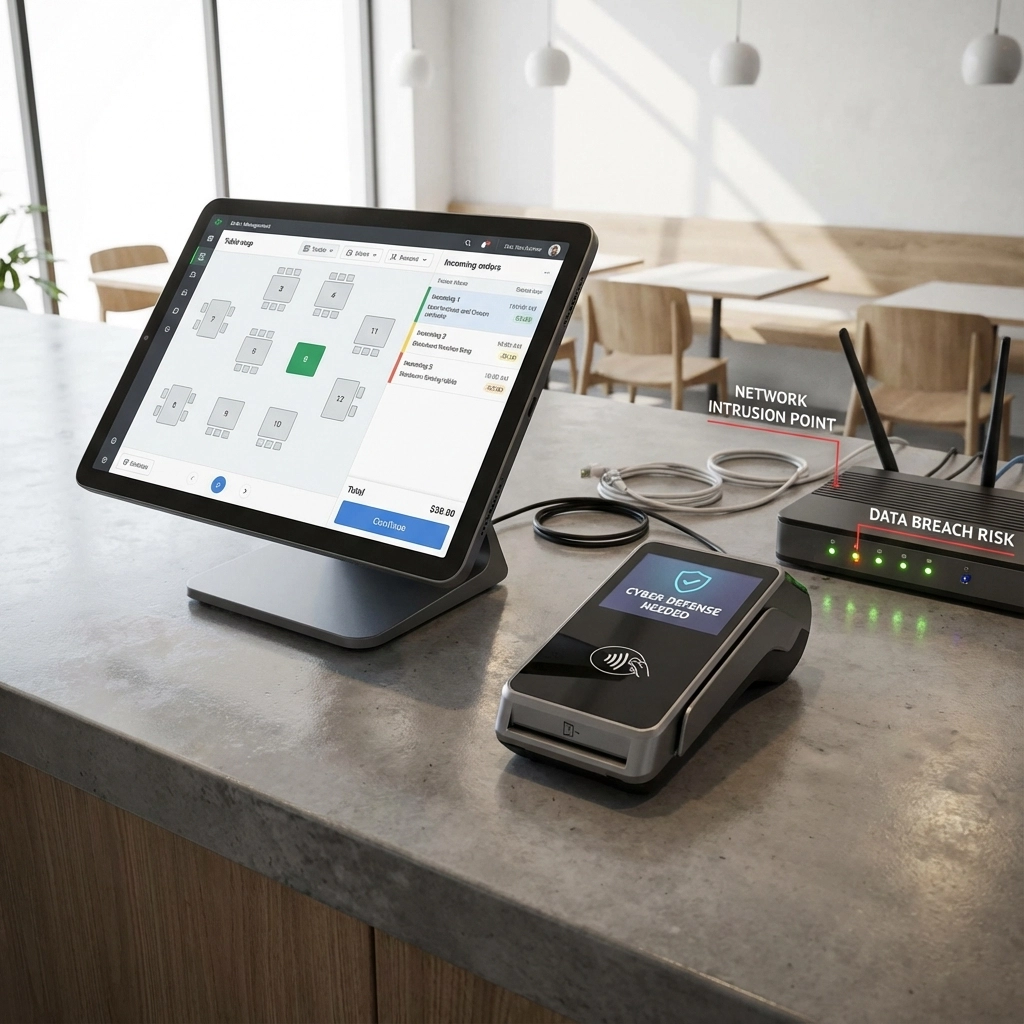
Cross-contamination incidents involving allergens require specialized recall procedures to protect sensitive customers. Undeclared allergens in prepared foods create life-threatening exposure for customers with food allergies. Recall insurance covers allergen testing, product segregation, and enhanced cleaning procedures necessary to eliminate contamination risks.
Foodborne Illness Outbreak Protection
Foodborne illness outbreaks generate extensive liability exposure and operational disruption that standard coverage may not adequately address. Specialized food contamination insurance provides enhanced protection for multi-victim illness incidents that can devastate restaurant operations.
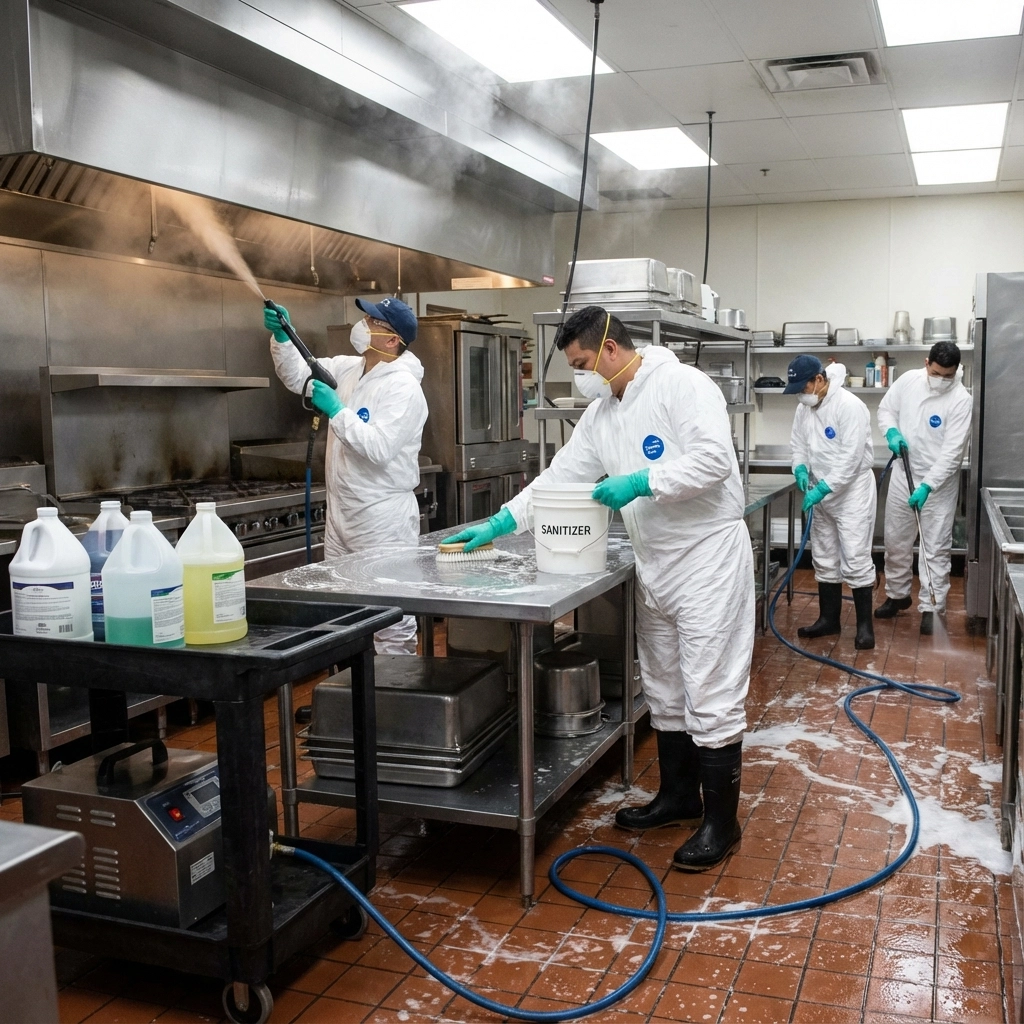
Health department investigations during outbreak situations often require temporary closure orders and extensive facility remediation. Coverage includes lost revenue during mandated closures, deep cleaning expenses, and equipment replacement costs when contamination sources require removal. Investigation cooperation expenses receive coverage to ensure compliance with regulatory requirements.
Legal defense costs multiply rapidly during multi-plaintiff foodborne illness litigation. Class action lawsuits involving dozens or hundreds of affected customers create enormous legal expenses that exceed standard liability policy limits. Enhanced coverage provides higher liability limits specifically designed for outbreak scenarios.
Medical monitoring programs for potentially exposed customers help identify illness cases early while demonstrating corporate responsibility. These voluntary programs reduce litigation risks by providing proactive medical care for concerned customers. Insurance coverage includes program administration, medical expenses, and communication costs.
Supply Chain Contamination Coverage
Restaurant supply chains create contamination vulnerabilities that extend beyond direct operational control. Contaminated ingredients from suppliers can trigger widespread illness outbreaks affecting multiple establishments while creating complex liability situations.
Supplier contamination incidents often involve products distributed to numerous restaurants simultaneously. Your establishment may face liability claims even when contamination originated at supplier facilities. Supply chain contamination coverage protects against these third-party contamination scenarios.
Ingredient traceability becomes crucial during contamination investigations to identify affected products and limit exposure. Enhanced record-keeping requirements and traceability systems receive coverage support through specialized policies. Documentation expenses, testing costs, and investigative cooperation receive dedicated coverage.
Alternative supplier costs during contamination events help maintain operations while avoiding compromised products. Emergency sourcing from approved suppliers often involves premium pricing and expedited delivery charges. Coverage addresses these additional expenses necessary to maintain service during supply disruptions.
Crisis Management and Public Relations Protection
Food safety incidents create immediate public relations challenges that can permanently damage restaurant reputations. Crisis management coverage provides professional communications support during contamination events, illness outbreaks, or food safety violations.
Professional crisis management consultants understand food service industry challenges and regulatory environments. These specialists develop communication strategies that protect business reputation while ensuring accurate information dissemination. Coverage includes consultant fees, media relations expenses, and customer communication costs.
Social media monitoring becomes essential during food safety incidents as negative publicity spreads rapidly through online channels. Professional monitoring services track mentions, respond to concerns, and coordinate positive messaging campaigns. Insurance coverage includes monitoring fees and reputation management expenses.
Customer notification requirements during contamination events involve significant administrative and communication expenses. Health departments may mandate customer contact for potential exposure incidents requiring extensive outreach efforts. Coverage includes notification services, customer databases, and communication system expenses.
Regulatory Compliance and Investigation Support
Food safety violations trigger regulatory investigations that require extensive cooperation and documentation. Specialized coverage provides financial support for compliance efforts, legal representation, and administrative costs associated with regulatory proceedings.
Health department investigations involve detailed record reviews, facility inspections, and employee interviews that consume significant administrative resources. Coverage includes staff time compensation, document preparation costs, and facility modification expenses required for compliance demonstration.
Legal representation during regulatory proceedings protects business interests while ensuring proper procedural compliance. Specialized food safety attorneys understand industry regulations and investigation procedures. Coverage includes legal fees, administrative costs, and compliance consulting expenses.
Corrective action implementation following violations often requires facility modifications, equipment upgrades, or procedural changes mandated by regulatory agencies. Coverage supports these required improvements while minimizing operational disruption. Training program expenses and certification costs receive coverage to ensure ongoing compliance.
Temperature Control and Equipment Failure Protection
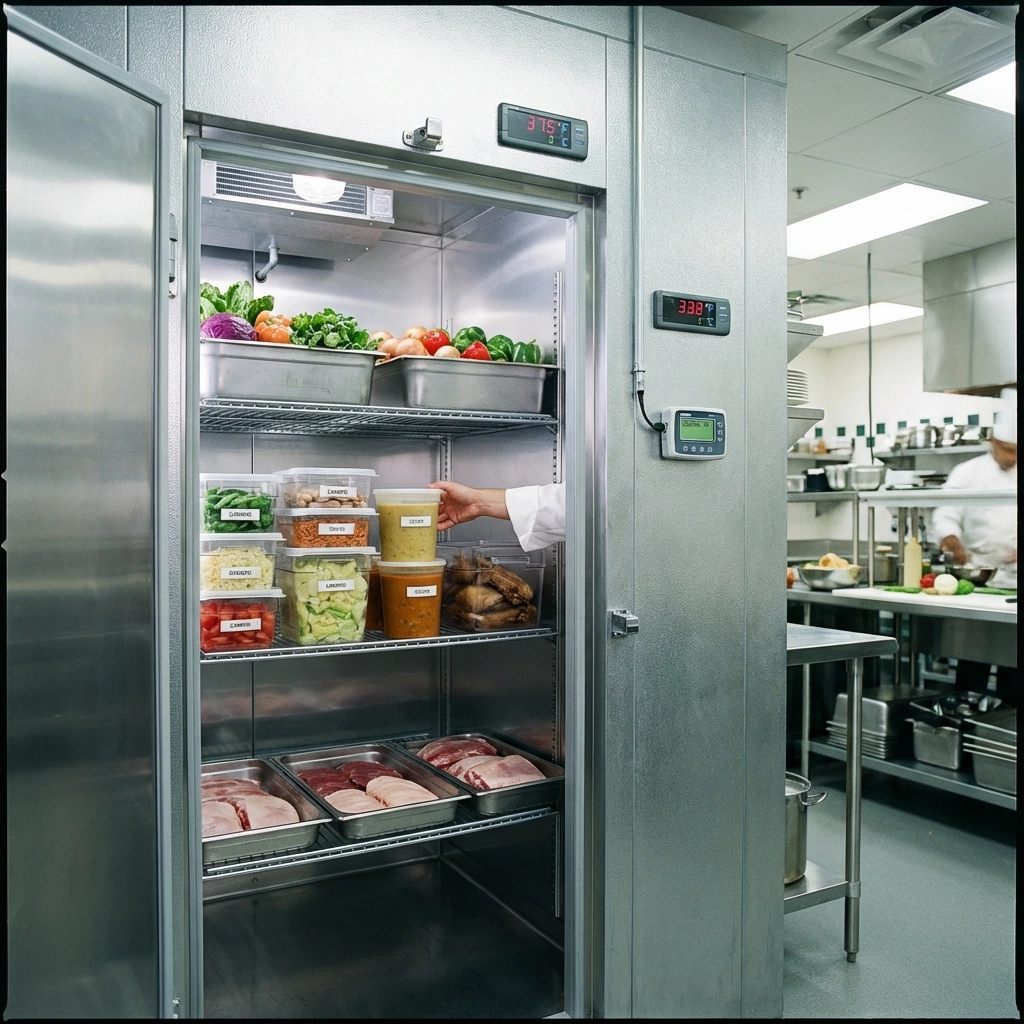
Refrigeration system failures create immediate food safety risks that require emergency response and potential product disposal. Temperature control coverage provides specialized protection for perishable inventory losses and emergency equipment replacement.
Cold storage failures during overnight hours or weekends create maximum exposure risks when staff members cannot immediately respond. Monitoring system coverage includes alarm services, emergency response protocols, and after-hours notification systems. Professional monitoring reduces response times and limits product losses.
Emergency equipment rental provides immediate temperature control restoration while permanent repairs proceed. Temporary refrigeration units, generator support, and expedited repair services prevent extended product exposure. Coverage includes rental fees, delivery costs, and emergency service charges.
Product testing following temperature control failures helps determine product safety and limits unnecessary disposal. Professional testing services evaluate product conditions and provide documentation for insurance claims and regulatory compliance. Coverage includes testing fees, laboratory services, and documentation expenses.
Insurance Alliance LLC provides comprehensive food safety insurance solutions designed specifically for restaurant operations. Our specialized coverage options address unique food safety risks while supporting regulatory compliance and business continuity. Contact our experienced agents to develop customized protection strategies for your restaurant's specific operational characteristics and risk exposures.
Technology Risks in Modern Restaurants: Cyber Security and Digital Protection Strategies
Restaurant technology systems create sophisticated operational capabilities while introducing complex security vulnerabilities that require specialized insurance protection. Point-of-sale systems, online ordering platforms, customer databases, and payment processing networks generate extensive cyber security risks demanding comprehensive coverage strategies.
Point-of-Sale System Security Vulnerabilities
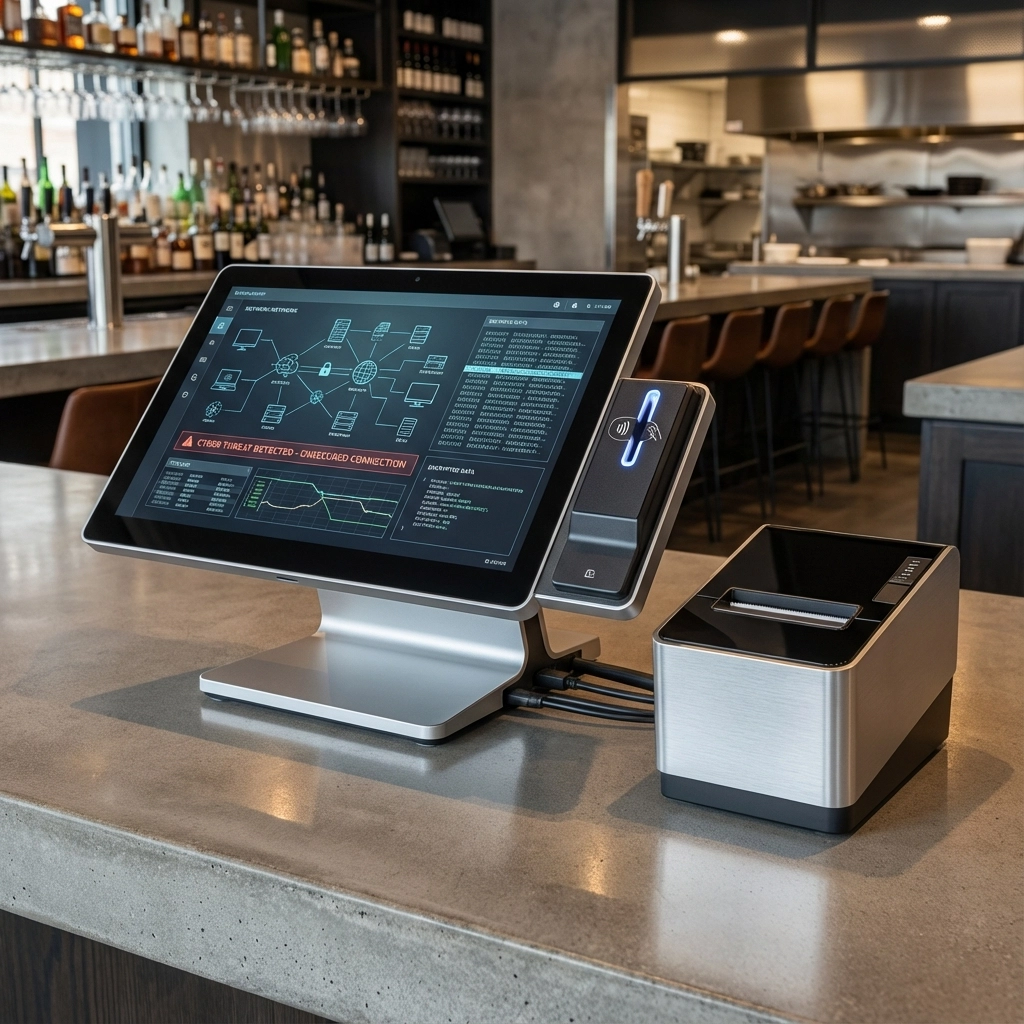
Modern restaurant POS systems process thousands of credit card transactions daily while storing sensitive customer payment information. These systems attract cybercriminals seeking financial data for fraudulent activities, creating substantial liability exposure for restaurant operators.
Payment card industry compliance requirements mandate specific security protocols for businesses processing credit card transactions. Non-compliance penalties include fines, increased processing fees, and potential loss of payment processing privileges. Cyber insurance coverage includes compliance consulting, system assessments, and remediation expenses necessary to maintain processing capabilities.
POS system breaches often involve sophisticated malware installations that capture payment data during transaction processing. Detection and removal require specialized forensic investigations and system rehabilitation services. Coverage includes forensic expenses, system restoration costs, and enhanced security implementation following breach incidents.
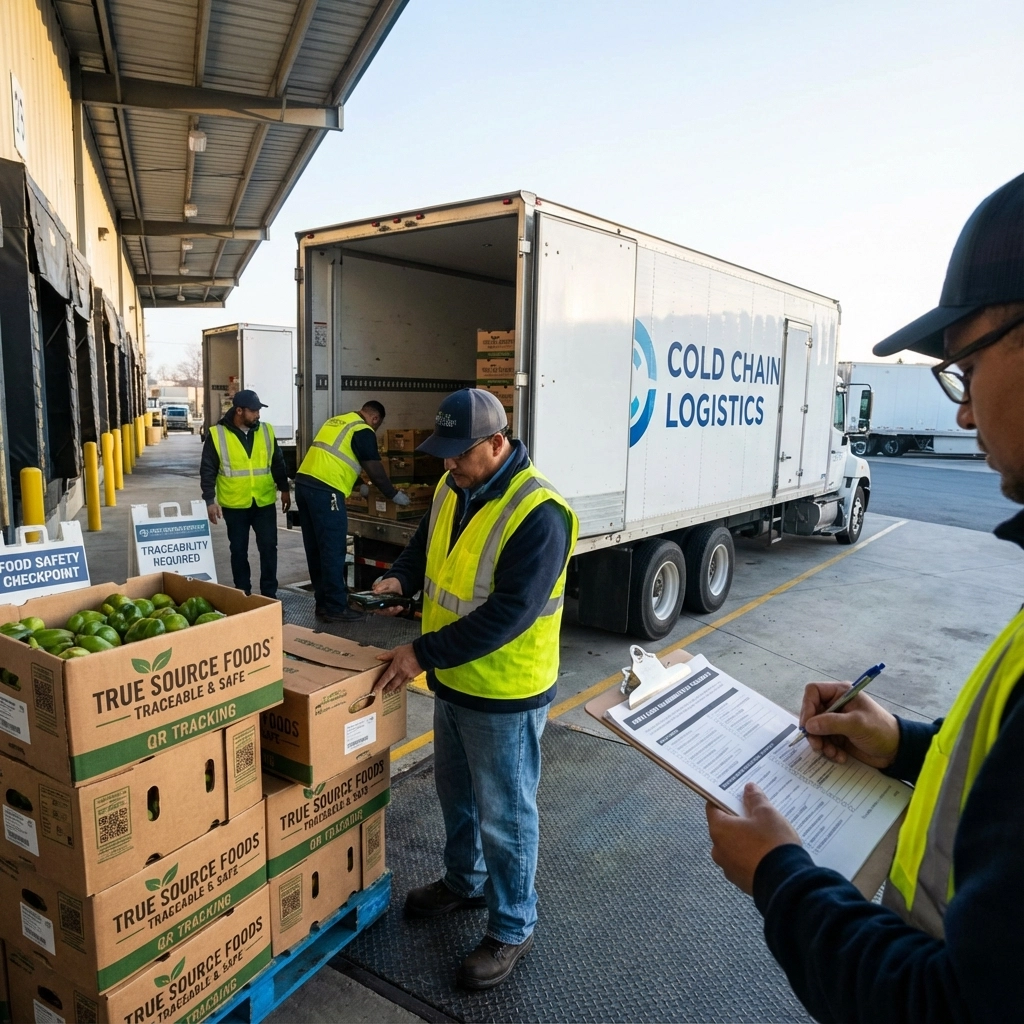
Card reader tampering represents a growing threat as criminals install skimming devices on payment terminals to capture customer data. Regular equipment inspections and tamper-evident seals reduce these risks while insurance coverage addresses detection costs and customer notification expenses when tampering occurs.
Online Ordering Platform Risks
Restaurant online ordering systems collect extensive customer information including names, addresses, phone numbers, email addresses, and payment details. This comprehensive data collection creates attractive targets for cybercriminals while generating significant privacy protection responsibilities.
Third-party ordering platform partnerships introduce additional security considerations as customer data flows through multiple systems outside direct restaurant control. Vendor security failures can expose restaurant customer information even when internal systems remain secure. Coverage addresses third-party breach scenarios affecting restaurant customers.
Mobile application security requires ongoing monitoring and updates to address emerging vulnerabilities. Application stores, payment integrations, and customer accounts create multiple attack vectors requiring comprehensive protection strategies. Insurance coverage includes application security assessments, penetration testing, and vulnerability remediation expenses.
Customer account management systems store ordering histories, preferences, and loyalty program information that require protection from unauthorized access. Account takeover incidents involving customer credentials can lead to fraudulent orders and identity theft claims. Coverage includes account monitoring services and customer notification expenses.
Employee Access and Internal Security Threats
Restaurant technology systems require employee access controls that balance operational efficiency with security requirements. Excessive access privileges create internal theft opportunities while inadequate access hampers daily operations.
Employee departure procedures must include immediate system access revocation to prevent unauthorized usage of former employees' credentials. Delayed access removal creates security vulnerabilities that malicious former employees might exploit. Coverage includes access management systems and security audit expenses.
Training programs addressing cyber security awareness help employees recognize phishing attempts, social engineering attacks, and suspicious activities. Regular training updates ensure staff members understand evolving threats and proper response procedures. Insurance coverage supports training program development and implementation expenses.
Insider threat monitoring systems detect unusual employee activities that might indicate data theft or system misuse. Behavioral analysis tools identify suspicious access patterns, data downloads, or system modifications requiring investigation. Coverage includes monitoring system expenses and investigation costs.
Wi-Fi Network Security for Customer and Operations
Restaurant Wi-Fi networks serve both customer convenience and operational requirements while creating security vulnerabilities that require careful management. Guest networks, administrative systems, and payment processing must maintain appropriate separation and protection levels.
Customer Wi-Fi usage creates potential liability exposure when guests engage in illegal activities using restaurant internet connections. Network monitoring and content filtering reduce these risks while providing evidence for law enforcement cooperation. Coverage includes monitoring expenses and legal defense costs for network-related claims.
Segregated networks separate customer access from operational systems to prevent unauthorized access to sensitive restaurant technologies. Professional network configuration ensures proper isolation while maintaining functionality. Insurance coverage includes network assessment expenses and security enhancement implementation.
Public Wi-Fi security requires enterprise-grade protection despite customer convenience expectations. Password protocols, access time limits, and bandwidth management help control network usage while reducing security risks. Coverage supports network infrastructure expenses and security system maintenance.
Data Backup and Recovery Protection
Restaurant operations depend on continuous access to customer databases, inventory systems, financial records, and operational applications. System failures, cyber attacks, or natural disasters can disrupt these critical systems requiring immediate recovery capabilities.
Cloud backup services provide offsite data protection that maintains accessibility during local system failures. Regular backup testing ensures recovery capabilities remain functional when needed. Insurance coverage includes backup service expenses and recovery operation costs.
Ransomware attacks specifically target backup systems to prevent data recovery and force ransom payments. Multi-layered backup strategies with offline storage components provide protection against these sophisticated attacks. Coverage includes backup infrastructure expenses and recovery service costs.
System restoration following cyber incidents often requires professional technical services and extended operational disruption. Recovery time objectives define acceptable downtime periods while recovery point objectives determine acceptable data loss levels. Coverage supports professional recovery services and business interruption expenses.
Regulatory Compliance and Privacy Protection
Restaurant technology systems must comply with various privacy regulations including state privacy laws, payment card industry standards, and data protection requirements. Compliance failures generate regulatory penalties and legal liability requiring specialized coverage.
Privacy policy development and maintenance ensure customer notification about data collection, storage, and usage practices. Legal consultation helps navigate complex privacy requirements while maintaining operational flexibility. Coverage includes legal expenses and policy development costs.
Data breach notification requirements vary by jurisdiction but generally mandate customer notification within specific timeframes following discovery. Professional notification services ensure compliance while managing communication logistics. Insurance coverage includes notification expenses and regulatory compliance costs.
Customer data deletion requests under privacy regulations require systematic processes for identifying and removing requested information. Data mapping and retention policies support these requirements while maintaining operational records. Coverage includes compliance system development and administration expenses.
Third-Party Vendor Risk Management
Restaurant technology ecosystems involve numerous third-party vendors providing software, payment processing, delivery platforms, and technical support services. These vendor relationships create indirect cyber security risks requiring comprehensive risk management strategies.
Vendor security assessments evaluate third-party security practices and identify potential vulnerabilities affecting restaurant systems. Regular assessments ensure ongoing protection as vendor systems evolve. Insurance coverage includes assessment expenses and remediation costs for identified vulnerabilities.
Service level agreements with technology vendors should include security requirements, breach notification procedures, and liability allocation provisions. Legal review ensures adequate protection while maintaining necessary operational relationships. Coverage includes legal consultation expenses and contract modification costs.
Vendor breach incidents affecting restaurant data require immediate response even when the breach originates outside restaurant systems. Customer notification requirements and regulatory compliance apply regardless of breach origin. Insurance coverage includes vendor breach response expenses and customer protection costs.
Insurance Alliance LLC specializes in restaurant cyber security insurance solutions that address the complex technology risks facing modern food service operations. Our comprehensive coverage options protect against evolving cyber threats while supporting regulatory compliance and operational continuity. Contact our experienced agents to develop customized cyber protection strategies tailored to your restaurant's specific technology infrastructure and risk profile.


Comments