
10 Reasons Your Restaurant Grease Management Plan Isn’t Working (And How to Fix It for Property Coverage)
- marketing676641
- Apr 17
- 6 min read
Maintaining a high-volume commercial kitchen requires more than culinary expertise; it demands a rigorous commitment to technical safety standards. For restaurant owners, grease management is a primary factor in risk mitigation and property insurance eligibility. When grease management systems fail, the risk of catastrophic fire increases, often leading to the denial of coverage or the loss of a Business Owners Policy (BOP).
Most grease management failures stem from a misunderstanding of NFPA 96 standards: the industry benchmark for ventilation control and fire protection of commercial cooking operations. Understanding the technical nuances of these systems is essential for maintaining property insurance and ensuring long-term operational viability.
1. Non-Compliance with NFPA 96 Ventilation Standards
The National Fire Protection Association (NFPA) 96 provides the definitive requirements for kitchen exhaust systems. Many restaurant grease management plans fail because they do not adhere to the specific clearance, construction, and maintenance mandates within this code. Property insurance underwriters prioritize NFPA 96 compliance when evaluating a facility. If a ventilation system lacks the required 18-inch clearance to combustible materials or uses unapproved duct wrap, the facility is considered a high-risk asset.
Fixing this requires a professional audit of the entire exhaust system. Ensuring that all hoods, ducts, and fans meet the specific gauge and weld requirements of NFPA 96 is the first step in establishing a robust risk management profile.
2. Improper Installation of Baffle Filters
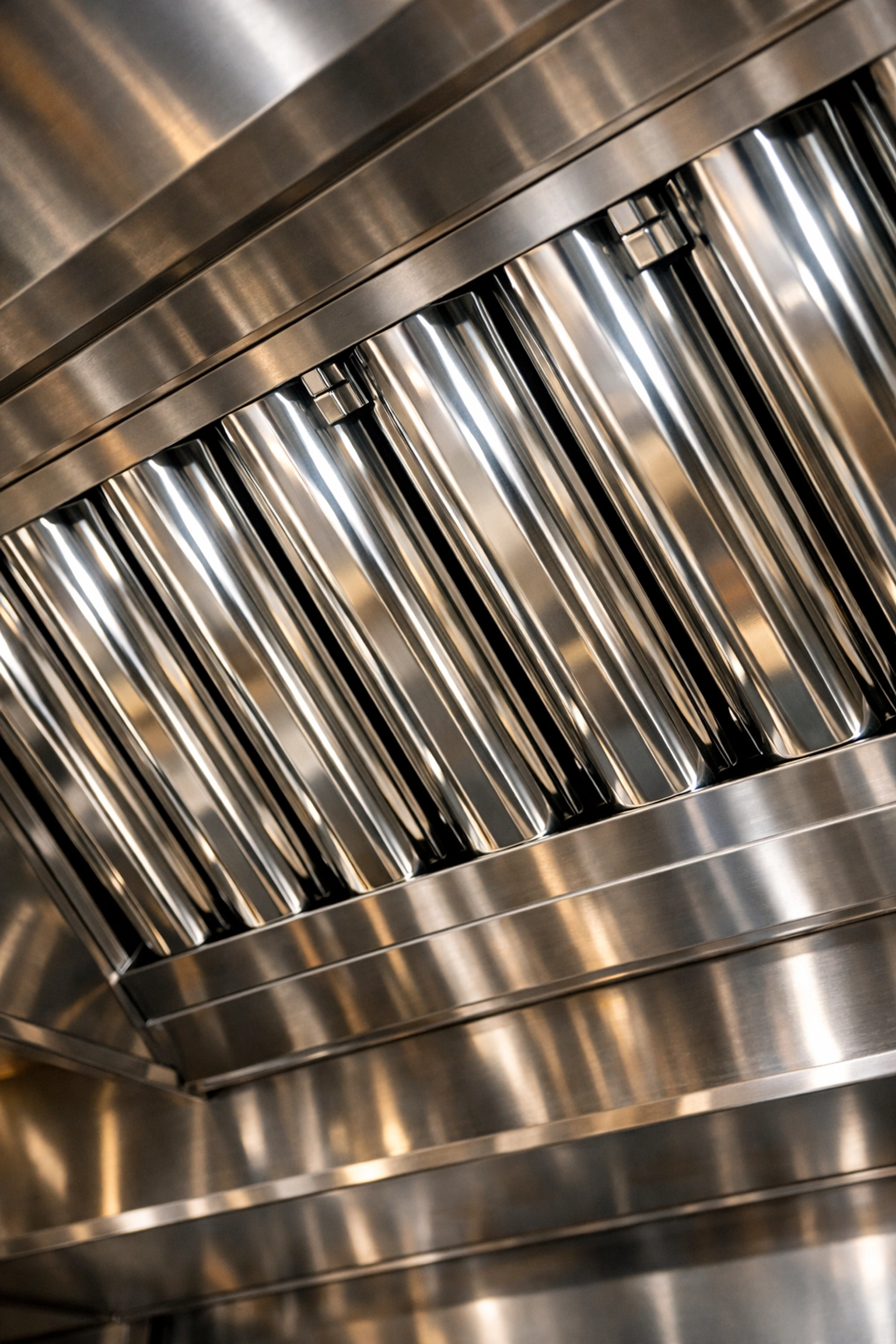
Baffle filters are the first line of defense against grease accumulation in the ductwork. A common failure in grease management plans is the use of damaged, improperly sized, or incorrectly installed filters. Baffle filters must be installed at an angle of no less than 45 degrees from the horizontal to allow grease to drain into the collection troughs.
When filters are missing or installed with gaps, vaporized grease travels directly into the exhaust plenum and vertical ducts. This creates a fuel source for flash fires. Replacing mesh filters with UL-listed baffle filters is a technical requirement for most property insurance providers. Regular inspection of filter frames for warping or grease bypass is essential.
3. Neglecting the "25% Rule" for Grease Traps
Inland grease management focuses on plumbing and Fats, Oils, and Grease (FOG) recovery. Many systems fail because cleaning intervals are based on a calendar rather than volume. The "25% Rule" is the technical standard: when the combined depth of settled solids and floating grease reaches 25% of the total liquid depth of the trap, it must be pumped.
Failure to follow this rule leads to grease bypass, where FOG enters the municipal sewer system, leading to fines and potential property damage from backups. Maintaining a functional grease trap is a core component of restaurant insurance beyond general liability for food service, as it prevents water damage and sanitation-related closures.
4. Inadequate Cleaning Frequency for High-Volume Systems
A plan that mandates "quarterly cleaning" regardless of cooking volume is technically flawed. NFPA 96 Table 11.4 outlines specific cleaning frequencies based on the type of cooking:
Solid fuel cooking (wood/charcoal): Monthly.
High-volume operations (24-hour/wok/charbroiling): Quarterly.
Moderate-volume operations: Semiannually.
Low-volume operations (seasonal/churches): Annually.
If your facility operates a charbroiler 12 hours a day but only cleans the ducts twice a year, the plan is non-compliant. Property insurance coverage often requires proof that cleaning intervals match the actual grease production of the kitchen.
5. Failure to Maintain Comprehensive Cleaning Logs
Documentation is the bridge between operational safety and insurance eligibility. Many grease management plans fail not because the cleaning isn't done, but because it isn't documented. Underwriters require detailed logs that include dates, the specific company performing the service, and the areas cleaned.
Without these records, a restaurant cannot prove it has mitigated fire risks. Effective risk management requires the ultimate guide to restaurant risk documentation to ensure that all technical maintenance is verifiable during an inspection or audit.
6. Ignoring the Exhaust Fan and Roof Area
A grease management plan that stops at the hood is incomplete. Grease vapors that are not captured by the filters or ductwork eventually reach the exhaust fan on the roof. Without a proper grease containment system at the fan base, grease can leak onto the roof membrane.
Grease is chemically incompatible with most roofing materials. It causes degradation, leading to leaks and structural damage. Furthermore, a grease-soaked roof is a significant fire hazard. Installing a multi-stage grease containment system with hydrophobic filters at the fan discharge is a technical necessity for maintaining the integrity of the property.
7. Improper Staff Training on FOG Disposal
Technical systems are only as effective as the personnel operating them. Plans often fail because staff utilize drains as disposal sites for cooking oil or food solids. Proper FOG management involves "dry wiping" all cookware before it reaches the dish station and using sink strainers to catch organic debris.
Staff must be trained to recognize the signs of a failing grease system, such as slow-draining sinks or odors. Education on the importance of maintaining the fire suppression system's integrity, including not hanging items from the spray nozzles, is a critical part of Washington restaurant insurance 101.
8. Clogged Fire Suppression Nozzles
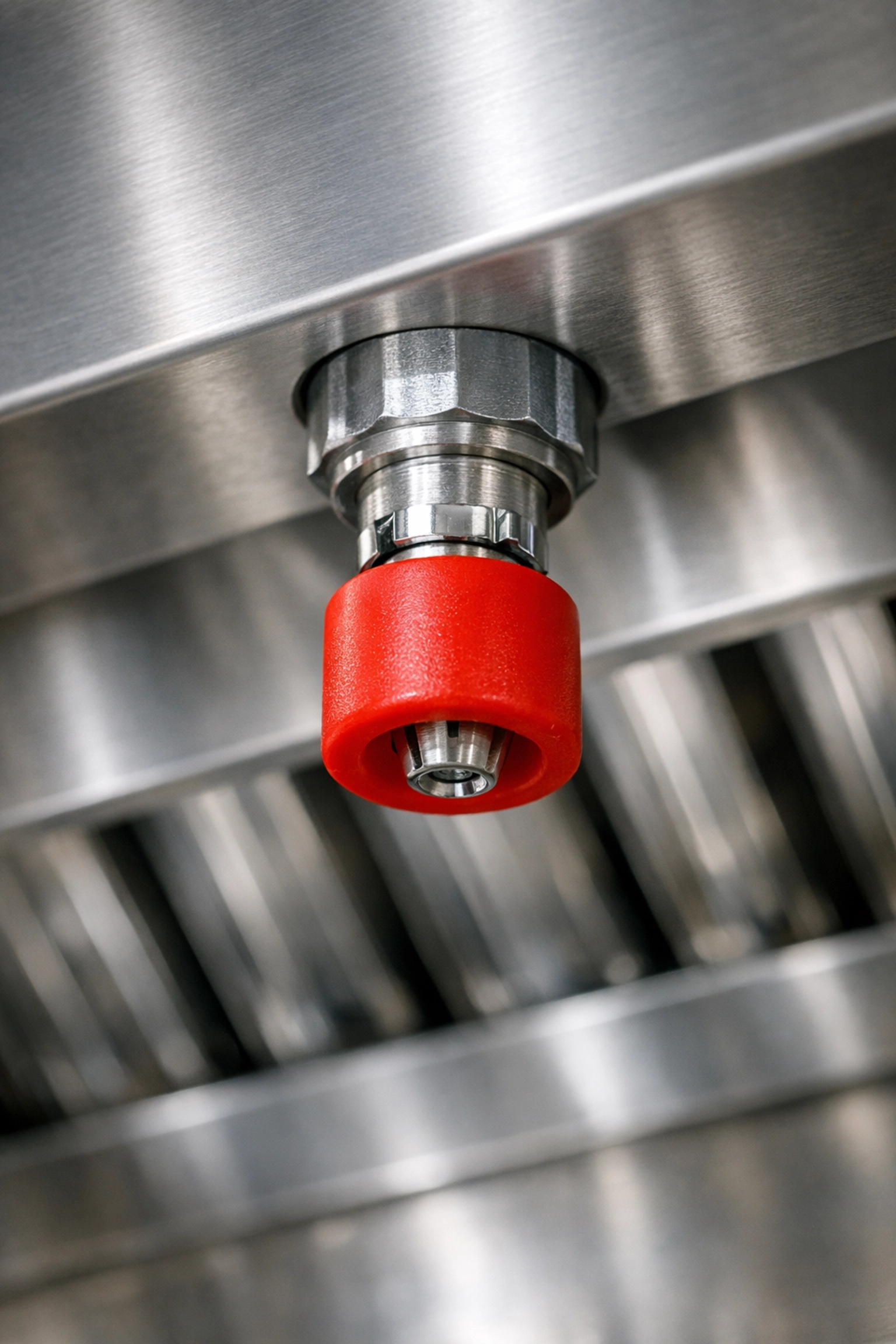
In many commercial kitchens, grease builds up on the discharge nozzles of the automatic fire suppression system (such as an Ansul system). If these nozzles are covered in hardened grease, the chemical agent may not distribute correctly during a fire event.
NFPA 17A and NFPA 96 require that these nozzles be protected with blow-off caps. If the caps are missing and the nozzles are clogged, the fire suppression system is effectively neutralized. This is a major red flag for property insurance providers and can lead to the cancellation of a business owners policy vs general liability coverage.
9. Lack of Access Panels for Duct Cleaning
A technical barrier to effective grease management is the absence of adequate access panels. NFPA 96 requires access panels at every change in direction and every 12 feet of horizontal duct run. If a cleaning crew cannot reach a section of the duct, grease will accumulate there indefinitely.
This "hidden" grease is often the cause of fires that spread rapidly through a building. Property owners should ensure that their ductwork has UL-listed access doors that allow for a complete "top-to-bottom" cleaning. Verification of these panels is a standard part of a thorough risk assessment.
10. Using Non-Certified Cleaning Contractors
The technical complexity of grease management requires specialized expertise. Plans often fail when restaurants hire general janitorial services instead of certified kitchen exhaust cleaning (KEC) professionals. Certified technicians understand how to protect the electrical components of the fan, how to properly scrape and steam clean the ductwork to bare metal, and how to apply the required NFPA 96 certification stickers.
Insurance Alliance LLC emphasizes that working with certified professionals is a non-negotiable aspect of property risk management. A certificate of completion from a recognized body, such as IKECA (International Kitchen Exhaust Cleaning Association), provides the technical assurance that the facility is operating safely.
Technical Fixes for Property Coverage Eligibility
To align a grease management plan with property insurance requirements, business owners should implement the following technical steps:
Conduct a Gap Analysis: Compare current kitchen operations against NFPA 96 standards to identify physical deficiencies in the ventilation system.
Verify UL 300 Compliance: Ensure the fire suppression system is UL 300 compliant, which is the standard for testing fire extinguishing systems for protection of commercial cooking equipment.
Implement a Digital Log System: Move away from paper logs to digital systems that include "before and after" photos of the ductwork and grease traps.
Install Exhaust Fan Hinges: NFPA 96 requires exhaust fans to be hinged to allow for cleaning of the duct and the fan itself without damaging the electrical wiring.
Schedule Professional Pumping: Ensure grease traps are pumped by a licensed waste hauler and that the disposal manifests are kept on file for at least three years.
The Role of Risk Management in Business Continuity
A kitchen fire does more than damage equipment; it halts revenue. Even with a robust property insurance policy, the recovery process can be lengthy. For comprehensive protection, business owners often look toward specialized solutions to manage the immediate aftermath of a disaster. Understanding how disaster recovery matters and how lump-sum benefits bridge the gap can be the difference between a temporary closure and a permanent one.
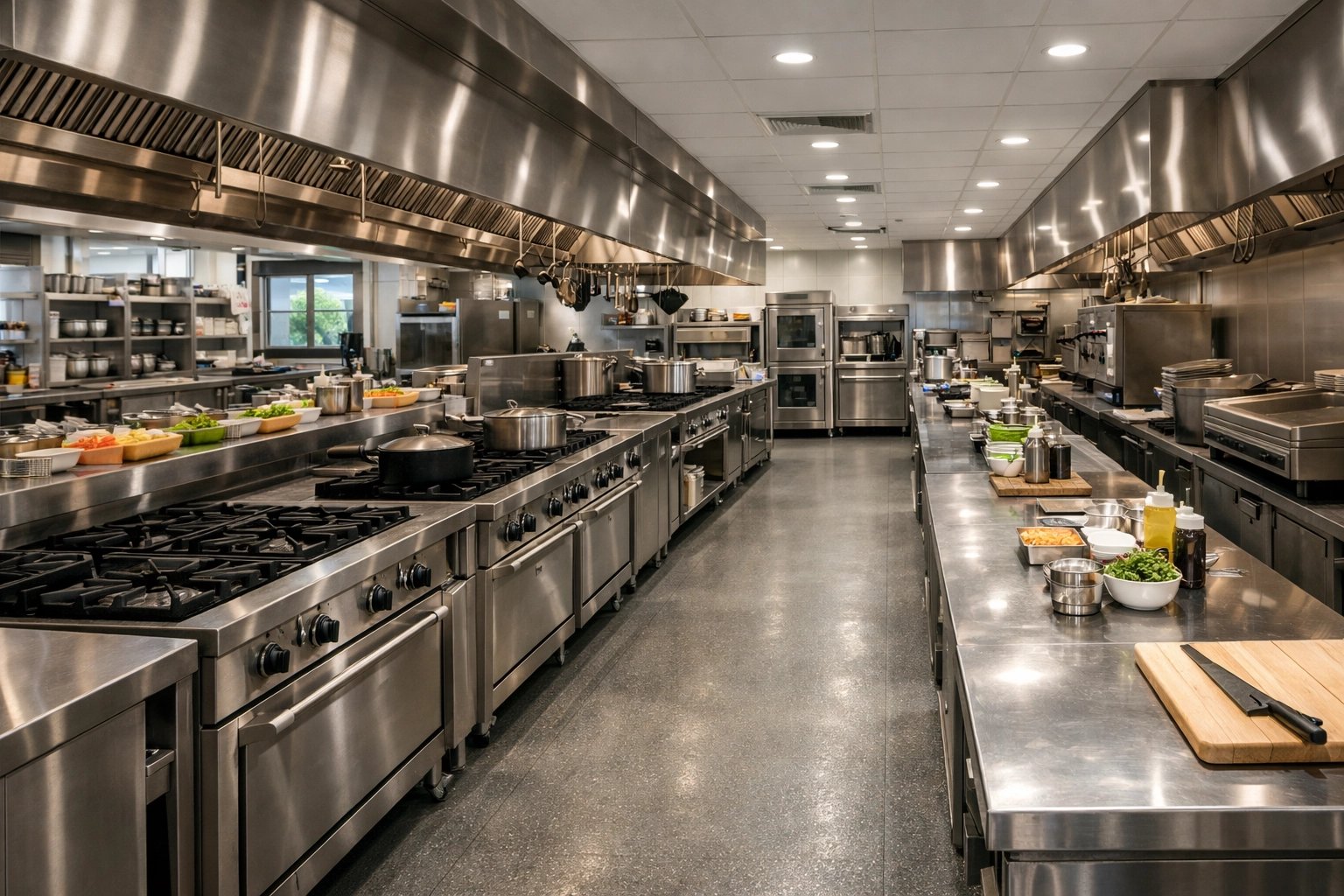
By addressing these ten technical failures, restaurant owners can significantly reduce their risk profile. A well-maintained grease management system is not just a regulatory requirement; it is a foundational element of property insurance eligibility. Insurance Alliance LLC provides expertise in navigating these complex requirements, ensuring that your business remains protected against the unique risks of the food service industry.
Focusing on the technical details of grease management: from baffle filter angles to duct cleaning frequencies: ensures that your facility meets the highest standards of safety and compliance. This proactive approach to risk management secures your property, your staff, and your long-term business success.
Insurance Alliance LLC www.theinsalliance.com


Comments