
Do You Really Need Recoop Disaster Insurance? Here’s the Truth About Bridging the Gap After a Storm
- marketing676641
- Apr 18
- 5 min read

Understanding the Recoop Disaster Insurance Framework
Recoop Disaster Insurance functions as a multi-peril supplemental coverage designed to provide immediate financial liquidity following a natural disaster. Traditional property insurance serves as the primary layer of protection for physical structures and personal assets. However, these policies often involve lengthy adjustment periods and significant deductible requirements. Recoop operates as a gap-filling mechanism. It addresses the immediate cash flow needs that arise before primary insurance funds become accessible.
This coverage is specifically engineered to trigger upon a declared disaster. The multi-peril nature of the product means it covers a broad spectrum of events including hurricanes, tornadoes, wildfires, earthquakes, and gas explosions. Unlike a standard homeowners insurance policy which might require separate endorsements for specific perils like earthquakes, Recoop bundles these risks into a single supplemental plan. Insurance Alliance LLC provides access to this specialized product in Florida, Texas, Arizona, Idaho, and Washington.
The Mechanism of the Lump-Sum Cash Benefit
The primary differentiator of Recoop is the lump-sum cash benefit. When a covered disaster occurs and the criteria for a claim are met, the policy pays out a predetermined cash amount. This amount typically ranges from $5,000 to $25,000 depending on the selected plan level. This payment is not restricted to specific repair costs. It is flexible capital intended to cover any expense related to recovery.
Traditional property insurance policies function on an indemnity basis. This means they pay for the actual cost of repairs or the replacement of items minus depreciation and deductibles. Recoop is non-indemnity. The benefit is triggered by the occurrence of the disaster and the confirmation of damage. This allows for rapid disbursement of funds. This speed is critical for maintaining financial stability during the initial days of a disaster recovery effort.

Integration with a Business Owners Policy
For commercial entities, Recoop provides an essential layer of protection alongside a business owners policy. Commercial property damage often leads to business interruption. While many business owners policies include business interruption coverage, those funds often take weeks or months to process. The immediate cash benefit from Recoop supports operational continuity.
Business owners use these funds for various immediate needs. This includes temporary relocation costs, payroll for key employees, or the purchase of emergency equipment. In sectors like hospitality, a restaurant insurance plan covers the physical structure and liability, but Recoop covers the immediate liquidity gap. It provides the necessary capital to prevent a temporary closure from becoming permanent.
Addressing the Deductible Gap
One of the most significant challenges in disaster recovery is the high deductible associated with catastrophic events. Many homeowners insurance policies in high-risk areas utilize percentage-based deductibles for hurricanes or earthquakes. These deductibles can reach 5% or 10% of the total insured value of the home. On a $500,000 property, a 5% deductible results in a $25,000 out-of-pocket obligation before the primary insurance pays for repairs.
Recoop is specifically designed to cover these out-of-pocket requirements. The lump-sum benefit helps bridge the gap between the onset of damage and the point where primary insurance coverage begins. This ensures that a lack of immediate cash does not stall the repair process. By covering the deductible, Recoop protects the policyholder’s savings and emergency funds.
Technical Scope of Multi-Peril Coverage
Recoop's technical scope covers a diverse range of natural and man-made disasters. This multi-peril approach simplifies risk management for the policyholder.
Earthquake and Seismic Events
Seismic risks are often excluded from standard property insurance. Dedicated earthquake insurance is a separate purchase and often carries very high deductibles. Recoop includes earthquake coverage within its core multi-peril structure. This provides a foundational layer of protection for residents in seismically active regions like Washington and Idaho.
Flood and Hurricane Response
While flood insurance is necessary for rising water damage, it does not cover the immediate costs of evacuation or temporary living expenses. Recoop provides the cash necessary to manage these logistical challenges. In Florida and Texas, where hurricane risk is high, the combination of primary flood coverage and Recoop provides a comprehensive recovery strategy.

Wildfire Risk Management
Wildfires present a significant risk in Arizona and parts of Washington. Recovery from a wildfire involves specialized cleaning and debris removal that may exceed the limits of standard policies. The Recoop benefit provides immediate funds for these specialized services. It also supports the policyholder if they are forced to evacuate their primary residence or place of business.
Enhancing Landlord and Habitational Insurance
Investors managing rental properties utilize landlord and habitational insurance to protect their assets. However, these policies focus on the structure and loss of rent. They do not typically provide the owner with immediate cash for site security or emergency mitigation. Recoop supplements these policies by providing the landlord with quick liquidity to secure the property and prevent further damage after a storm or explosion. This is particularly relevant for condo insurance holders who may face assessments from homeowners associations following a large-scale disaster.
The Role of Recoop in Commercial Recovery
Commercial recovery requires more than just rebuilding a structure. It requires the ability to react to a changing environment. Recoop supports commercial policyholders by providing funds that are not tied to specific line items.
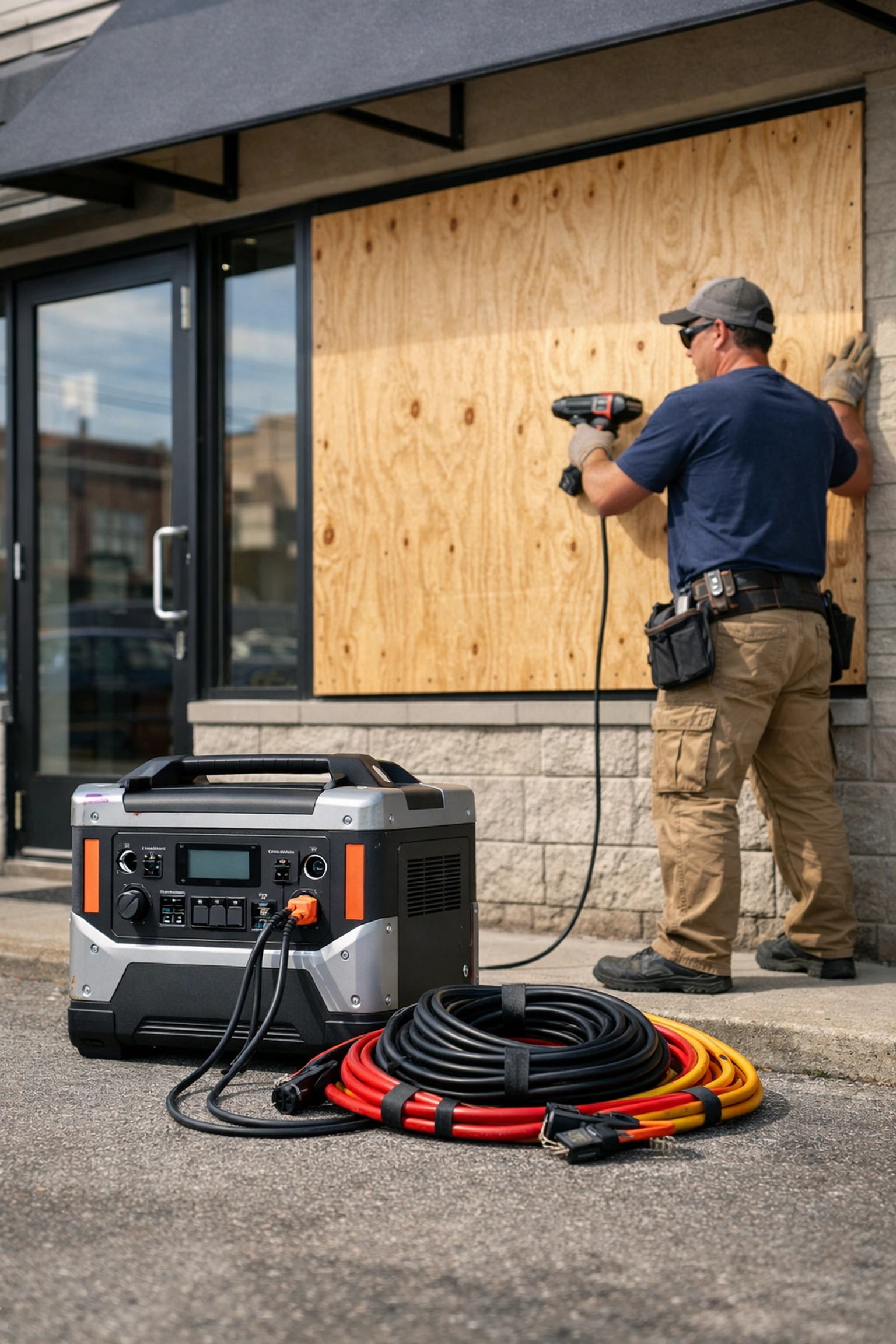
Security and Mitigation: Funds can be used to hire private security for a damaged storefront or to board up windows immediately.
Resource Procurement: Cash is available for generators, fuel, and clean water.
Logistics: Funding for moving inventory to a safe location.
For specialized businesses, such as those under an electrical contractor or plumbing contractor policy, Recoop ensures that tools and equipment can be replaced or rented immediately to continue serving the community during the reconstruction phase.
Immediate Recovery Costs and Living Expenses
Post-disaster environments are expensive. The cost of basic necessities increases, and the availability of services decreases. Recoop's lump-sum payment is intended to cover these fluctuating recovery costs.
Temporary Housing: Costs for hotels or short-term rentals when a home is uninhabitable.
Deductibles: Covering the primary property insurance deductible.
Debris Removal: Paying for immediate cleanup to prevent mold or further structural decay.
Spoilage: Replacing food or temperature-sensitive inventory in a smoothie or coffee shop.
Policy Geographic Availability and Licensing
Recoop Disaster Insurance is a specialized product that is currently available in specific markets. Insurance Alliance LLC is licensed to provide this coverage in the following states:
Florida: Addressing high hurricane and windstorm risks.
Texas: Covering risks ranging from hurricanes to tornadoes and hail.
Arizona: Focused on wildfire and monsoon-related flooding.
Idaho: Providing protection against seismic activity and wildfires.
Washington: Addressing earthquake, wildfire, and flooding risks.
Each of these regions faces unique catastrophic risks. Recoop provides a consistent, multi-peril solution that adapts to the specific disaster profile of the geographic area.
Why Technical Integration Matters
Effective disaster planning requires the integration of multiple insurance layers. A single policy is rarely sufficient to cover the total economic impact of a major storm or earthquake. By combining a homeowners insurance policy with flood insurance and a Recoop supplemental policy, a property owner creates a comprehensive financial safety net.
This technical integration ensures that there are no "blackout" periods in funding. The Recoop payment arrives first to handle the immediate crisis. The primary insurance follows to handle the long-term reconstruction. This phased approach to funding is the most effective way to manage the lifecycle of a disaster.
Professional Guidance for Disaster Coverage
Evaluating the necessity of Recoop involves an analysis of existing property limits and deductible obligations. Insurance Alliance LLC assists property owners and business managers in identifying these gaps. Professional consultation ensures that the supplemental coverage aligns with the primary business owners policy or residential plan.
Disaster insurance is a critical component of risk management in high-exposure states. Understanding the technical triggers and the lump-sum mechanism of Recoop is essential for any policyholder looking to protect their financial future against the unpredictability of natural disasters.
Insurance Alliance LLC Kevin Barquest, Owner and President Book Online


Comments