
Business Owners Policy vs General Liability: Which Is Better for Your Florida Restaurant in 2025?
Florida restaurant owners face a critical insurance decision that impacts their business protection strategy. The choice between a Business Owners Policy and standalone General Liability insurance determines coverage scope and operational security. Understanding these policy differences helps restaurant operators make informed protection decisions.
Understanding General Liability Coverage Scope
General Liability insurance provides essential third-party protection for restaurant operations. This coverage protects against customer bodily injury claims, property damage incidents, and personal injury lawsuits. Common scenarios include customers slipping on wet floors, suffering food poisoning, or experiencing allergic reactions to menu items.
The coverage extends to advertising injury claims and personal injury protection. General Liability responds when restaurants face defamation accusations, copyright infringement allegations, or invasion of privacy claims. Product liability protection covers food-related incidents that cause customer harm.
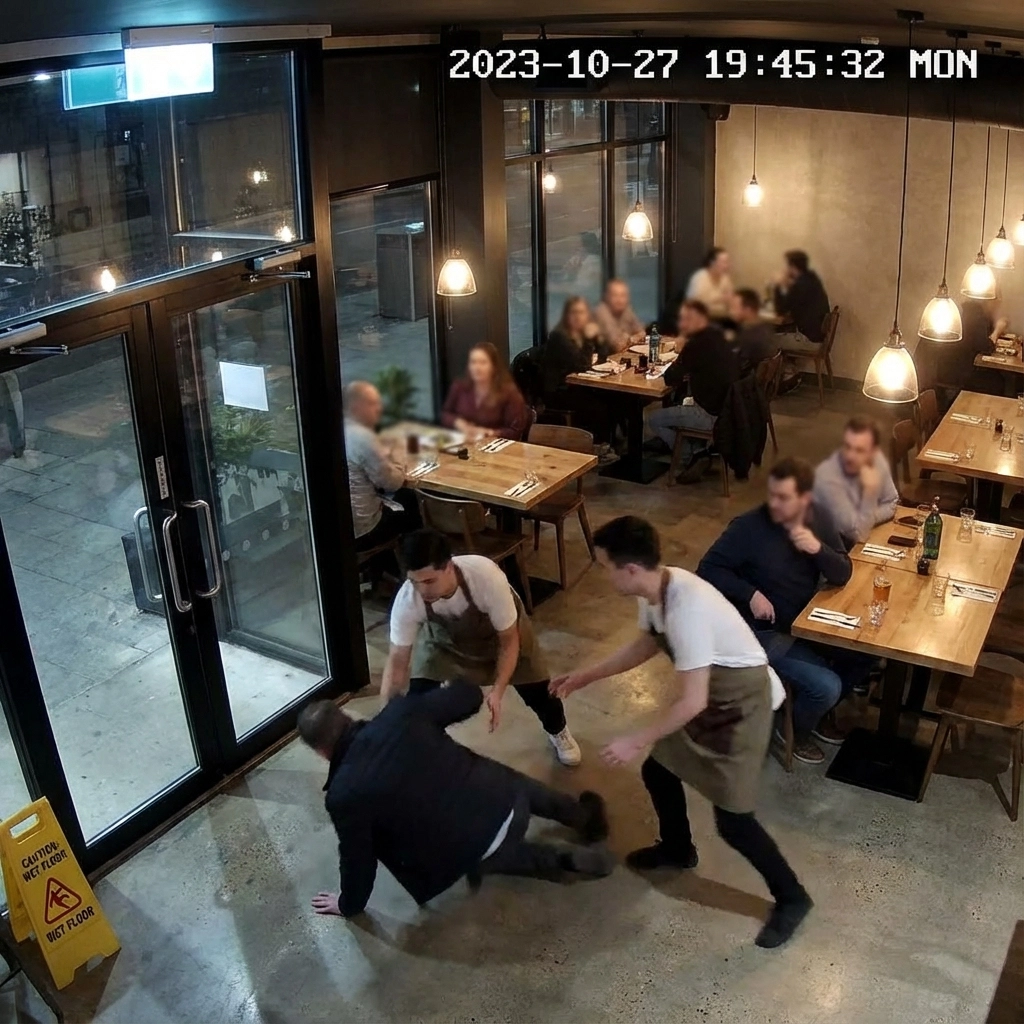
General Liability coverage operates on an occurrence basis, protecting against incidents happening during the policy period. The protection includes legal defense expenses, settlement negotiations, and court-ordered judgments within policy limits. This foundation coverage addresses external liability exposures restaurants encounter daily.
Business Owners Policy Comprehensive Protection
A Business Owners Policy combines multiple coverage types into one comprehensive package. The policy integrates General Liability protection with Commercial Property insurance and Business Income coverage. This bundled approach addresses broader risk exposures restaurant operations face.
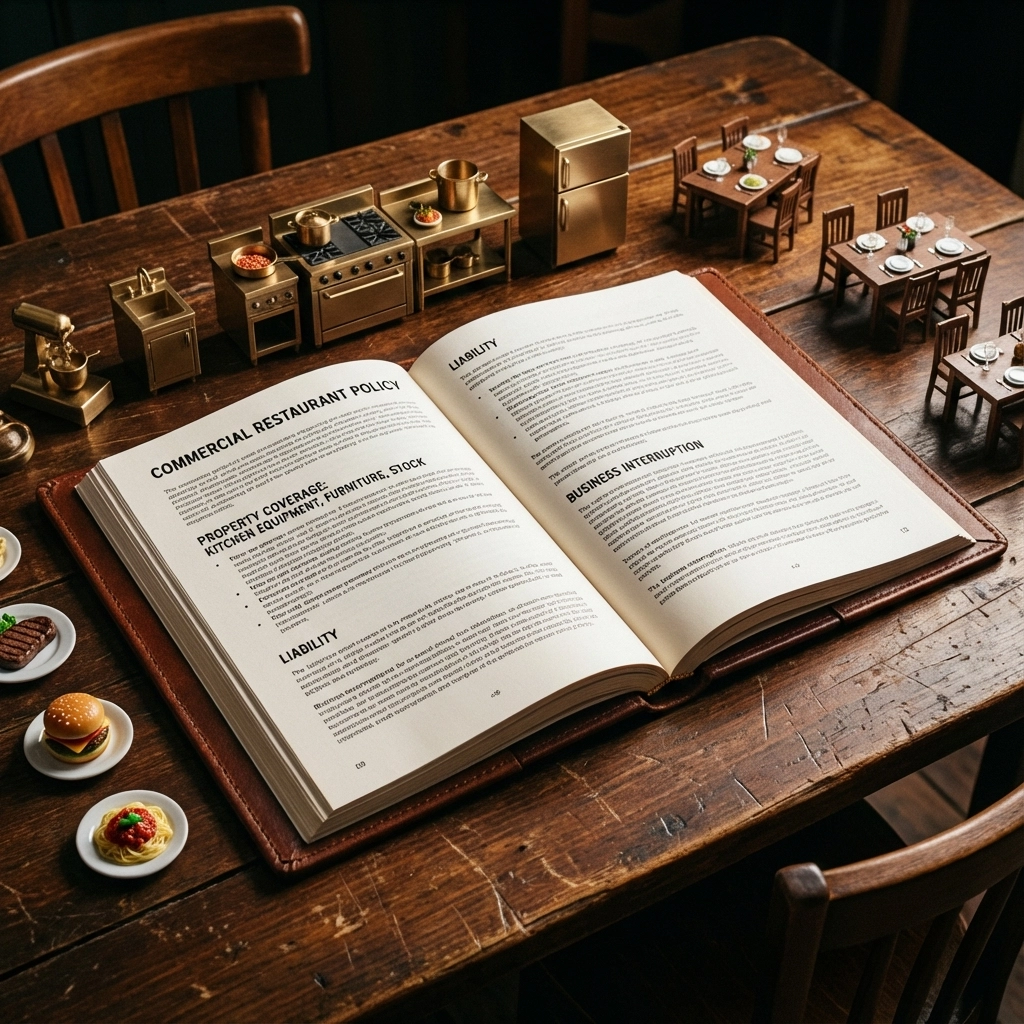
Commercial Property coverage within a BOP protects restaurant buildings, equipment, inventory, and furnishings. Kitchen equipment, dining room furniture, food inventory, and business supplies receive protection against covered perils. The coverage includes building improvements, leasehold enhancements, and tenant improvements restaurants implement.
Business Income protection replaces lost revenue when covered events force temporary closure. This coverage pays ongoing expenses like payroll, utilities, and loan payments during restoration periods. Extended Business Income coverage continues protection beyond property restoration completion.
Critical Coverage Gaps in General Liability
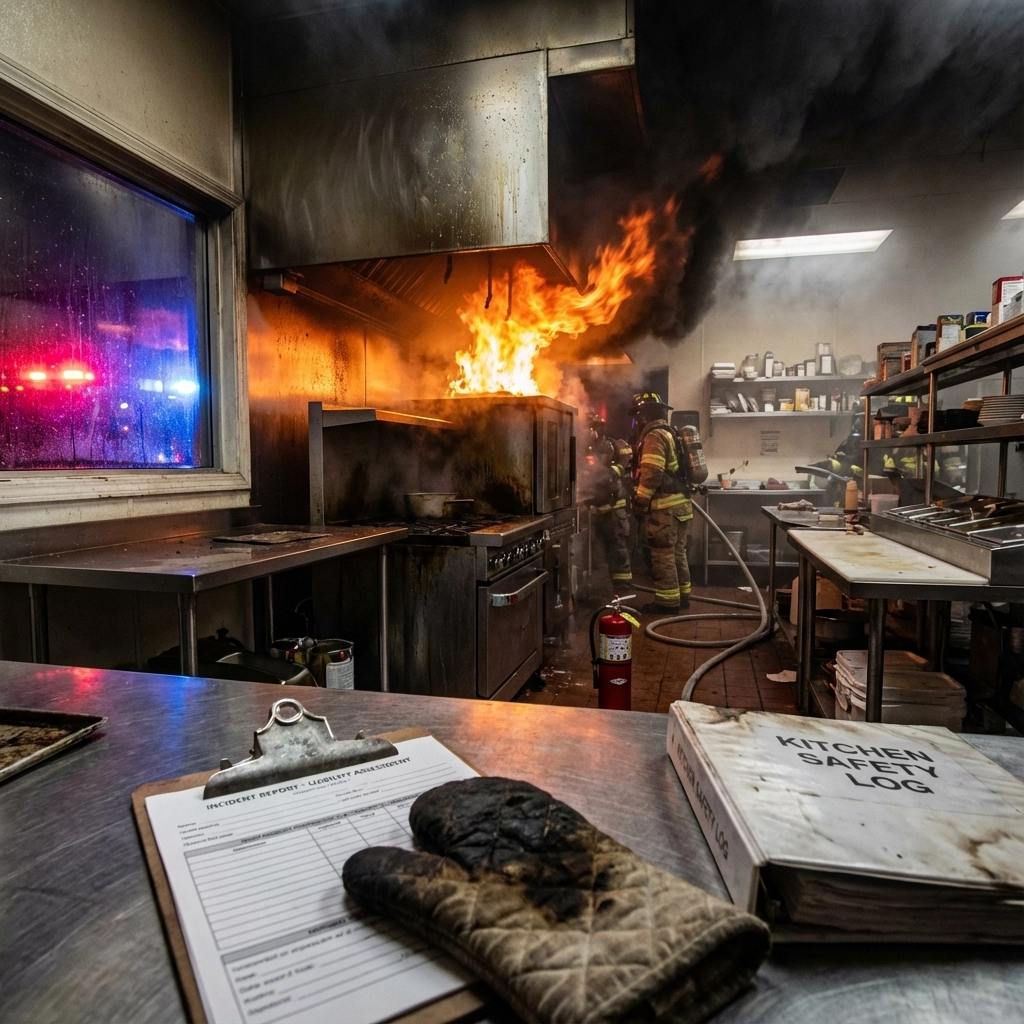
Standalone General Liability leaves significant protection gaps for restaurant operations. Property damage to restaurant assets receives no coverage under liability-only policies. Kitchen fires destroying equipment, inventory spoilage from refrigeration failure, and weather damage to restaurant property create unprotected exposures.
Revenue interruption scenarios expose restaurants to financial strain without Business Income protection. Equipment breakdowns forcing temporary closure, fire damage requiring extensive repairs, and storm damage preventing operations create income losses General Liability cannot address.
Food spoilage represents a substantial unprotected exposure under General Liability coverage. Power outages, equipment malfunctions, and refrigeration failures destroy valuable inventory without property coverage. General Liability provides no protection for these direct financial losses.
Restaurant-Specific Risk Scenarios
Florida restaurants encounter unique operational risks requiring comprehensive protection. Kitchen fires create dual exposures affecting property and liability simultaneously. Grease fires damage expensive kitchen equipment while potentially injuring staff or customers. A BOP addresses both property damage and liability claims under one policy contract.
Food safety incidents trigger multiple coverage needs beyond liability protection. Refrigeration failures causing food poisoning create liability exposures while destroying valuable inventory. General Liability covers customer injury claims but provides no protection for spoiled food inventory losses.
Equipment breakdown scenarios demonstrate BOP advantages over standalone liability coverage. Walk-in cooler malfunctions spoil inventory while forcing temporary closure. The combined property and income protection within a BOP addresses equipment repair, inventory replacement, and revenue interruption.
Liquor Liability Considerations
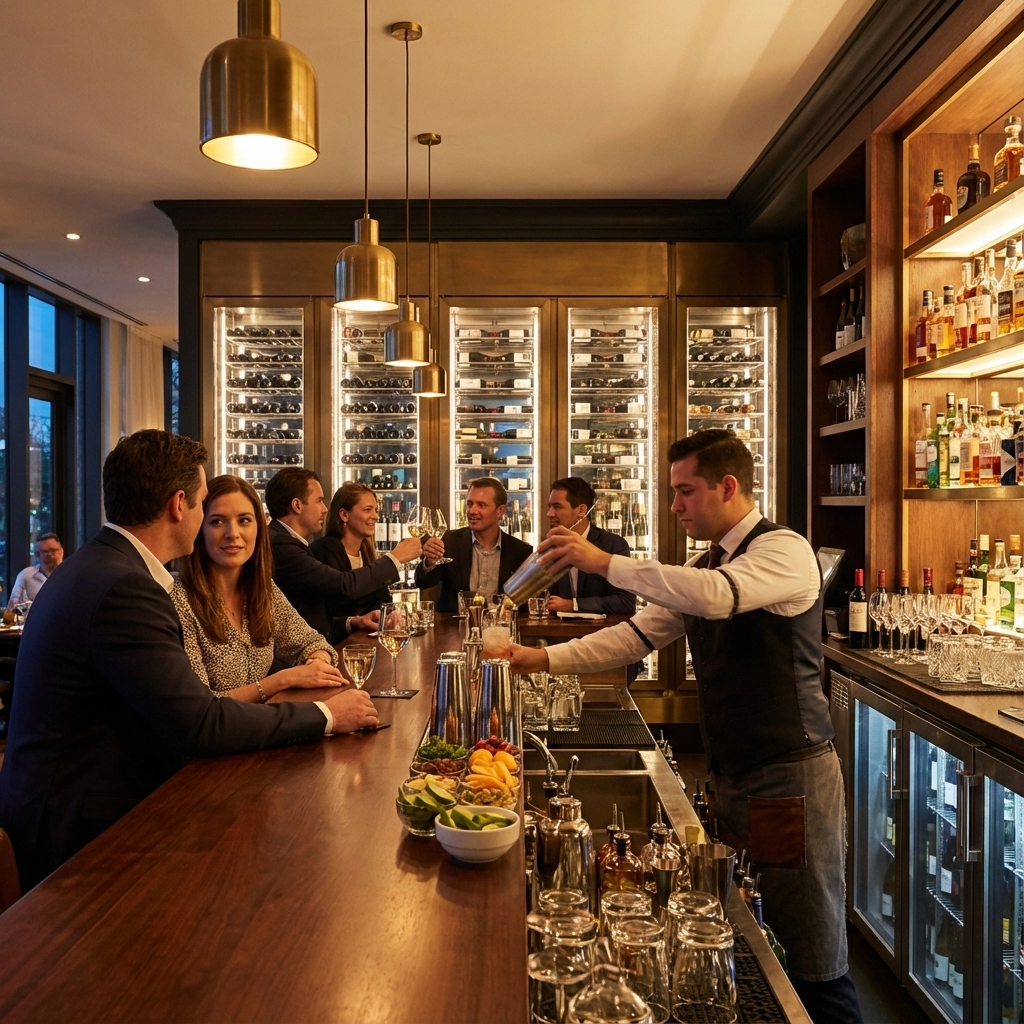
Restaurants serving alcoholic beverages face specialized liability exposures requiring specific protection. Liquor liability covers incidents involving intoxicated customers, over-serving situations, and alcohol-related accidents. Many Business Owners Policies include this protection automatically or as an available endorsement.
General Liability policies typically exclude liquor liability, requiring separate coverage purchase. This creates additional policy management requirements and potential coverage gaps. Restaurants serving alcohol need specific protection against these specialized exposures.
Dram shop liability exposes restaurants to significant financial responsibility for customer actions after consuming alcohol. These claims involve accidents caused by intoxicated patrons after leaving restaurant premises. Proper liquor liability protection addresses these extended responsibility scenarios.
Equipment and Property Protection Needs
Restaurant operations depend on specialized equipment requiring comprehensive protection. Commercial kitchen appliances, point-of-sale systems, and food preparation equipment represent significant capital investments. Business Owners Policies provide broader equipment protection compared to standalone liability coverage.
Food inventory protection addresses perishable goods exposure restaurants face daily. Fresh ingredients, prepared foods, and beverage inventory require protection against spoilage, contamination, and loss. Property coverage within a BOP protects these valuable assets General Liability cannot cover.
Building improvements and tenant modifications need adequate protection in leased restaurant spaces. Kitchen buildouts, dining room renovations, and equipment installations represent substantial investments requiring property coverage. General Liability provides no protection for these physical asset improvements.
Business Income and Extra Expense Coverage
Revenue interruption protection proves essential for restaurant survival during covered events. Forced closure periods create ongoing expense obligations without revenue generation. Business Income coverage maintains financial stability during property restoration periods.
Extra Expense coverage pays additional operating costs incurred to minimize business interruption. Temporary location expenses, equipment rental fees, and expedited repair costs receive coverage under Business Income protection. These provisions help restaurants maintain operations during difficult recovery periods.
Extended Business Income coverage continues protection after property restoration completion. Customer traffic may remain reduced following reopening, creating ongoing revenue challenges. This extended protection addresses the gradual return to normal operating levels.
Coverage Comparison Framework
Coverage Element | General Liability | Business Owners Policy |
Third-party bodily injury | ✓ Included | ✓ Included |
Property damage liability | ✓ Included | ✓ Included |
Business property protection | ✗ Not included | ✓ Included |
Equipment breakdown | ✗ Not included | ✓ Often included |
Business income replacement | ✗ Not included | ✓ Included |
Food spoilage coverage | ✗ Not included | ✓ Often included |
Liquor liability | ✗ Separate policy needed | ✓ Often included |
Making the Right Choice for Your Restaurant
Most Florida restaurants benefit from Business Owners Policy comprehensive protection over standalone General Liability coverage. The integrated approach addresses multiple exposure categories restaurant operations encounter. Property protection, income replacement, and liability coverage work together providing complete operational security.
New restaurants particularly benefit from BOP comprehensive protection. Initial equipment investments, startup inventory, and buildout expenses represent significant capital requiring immediate protection. The combined coverage approach protects these investments from day one of operations.
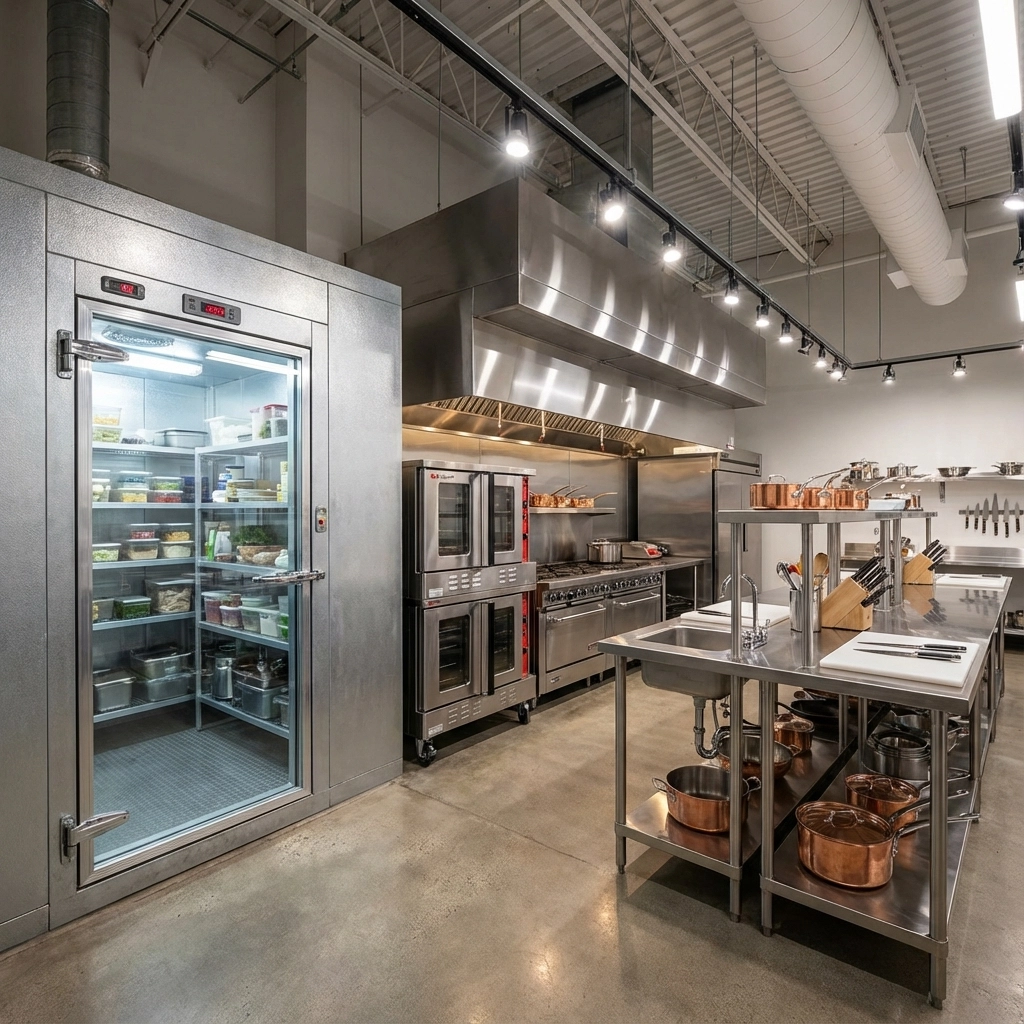
Established restaurants with substantial property assets need comprehensive protection addressing all operational exposures. Kitchen equipment, inventory stockpiles, and revenue streams require protection beyond third-party liability coverage. Business Owners Policies provide this broader protection framework.
Professional Guidance for Coverage Decisions
Insurance Alliance LLC provides expert guidance helping Florida restaurant owners evaluate coverage options. Professional assessment identifies specific risk exposures and recommends appropriate protection strategies. Contact Insurance Alliance LLC for comprehensive restaurant insurance consultation tailored to your operational needs.
Restaurant insurance decisions impact long-term business security and operational stability. Professional evaluation ensures adequate protection addressing all risk exposures restaurant operations face. Insurance Alliance LLC delivers specialized expertise helping restaurant owners make informed coverage choices for sustained business success.

Comments