
Restaurant Insurance: Beyond General Liability for Food Service
General liability insurance provides foundational protection for restaurant owners. It covers third-party bodily injury and property damage that occurs on your premises. However, the food service industry presents unique risks that general liability alone cannot address.
Restaurant owners in Florida, Texas, Arizona, Idaho, and Washington face exposures related to alcohol service, food storage, expensive equipment, and specialized operations. Understanding these additional coverage types helps ensure your business remains protected against industry-specific hazards.
This guide explores three essential coverage categories every restaurant owner should understand: liquor liability, food spoilage, and commercial property insurance.
Liquor Liability Insurance for Restaurants
Restaurants that serve beer, wine, or spirits face significant exposure related to alcohol service. Liquor liability insurance addresses risks that general liability policies typically exclude.

What Liquor Liability Covers
Liquor liability insurance protects your restaurant when an intoxicated patron causes harm to themselves or others after consuming alcohol at your establishment. This coverage responds to allegations that your staff over-served a customer or served alcohol to a visibly intoxicated person.
The coverage extends to:
Bodily injury caused by intoxicated patrons
Property damage resulting from alcohol-related incidents
Legal defense expenses when your establishment faces alcohol-related lawsuits
Assault and battery incidents connected to alcohol consumption
Who Needs Liquor Liability Coverage
Any restaurant that serves alcohol should carry liquor liability insurance. This includes:
Full-service restaurants with bar areas
Casual dining establishments serving beer and wine
Fine dining restaurants with extensive wine programs
Sports bars and gastropubs
Catering operations that serve alcohol at events
Many landlords and licensing authorities require proof of liquor liability coverage before approving lease agreements or issuing liquor licenses. Learn more about why liquor liability insurance matters for restaurants.
Liquor Liability Limits to Consider
Restaurant owners should work with their insurance advisor to determine appropriate coverage limits based on:
Annual alcohol sales volume
Type of alcohol served
Hours of operation
Entertainment offerings
Seating capacity
Higher-risk establishments such as nightclubs or bars with late-night hours typically require higher limits than family restaurants serving wine with dinner.
Food Spoilage Coverage for Restaurants
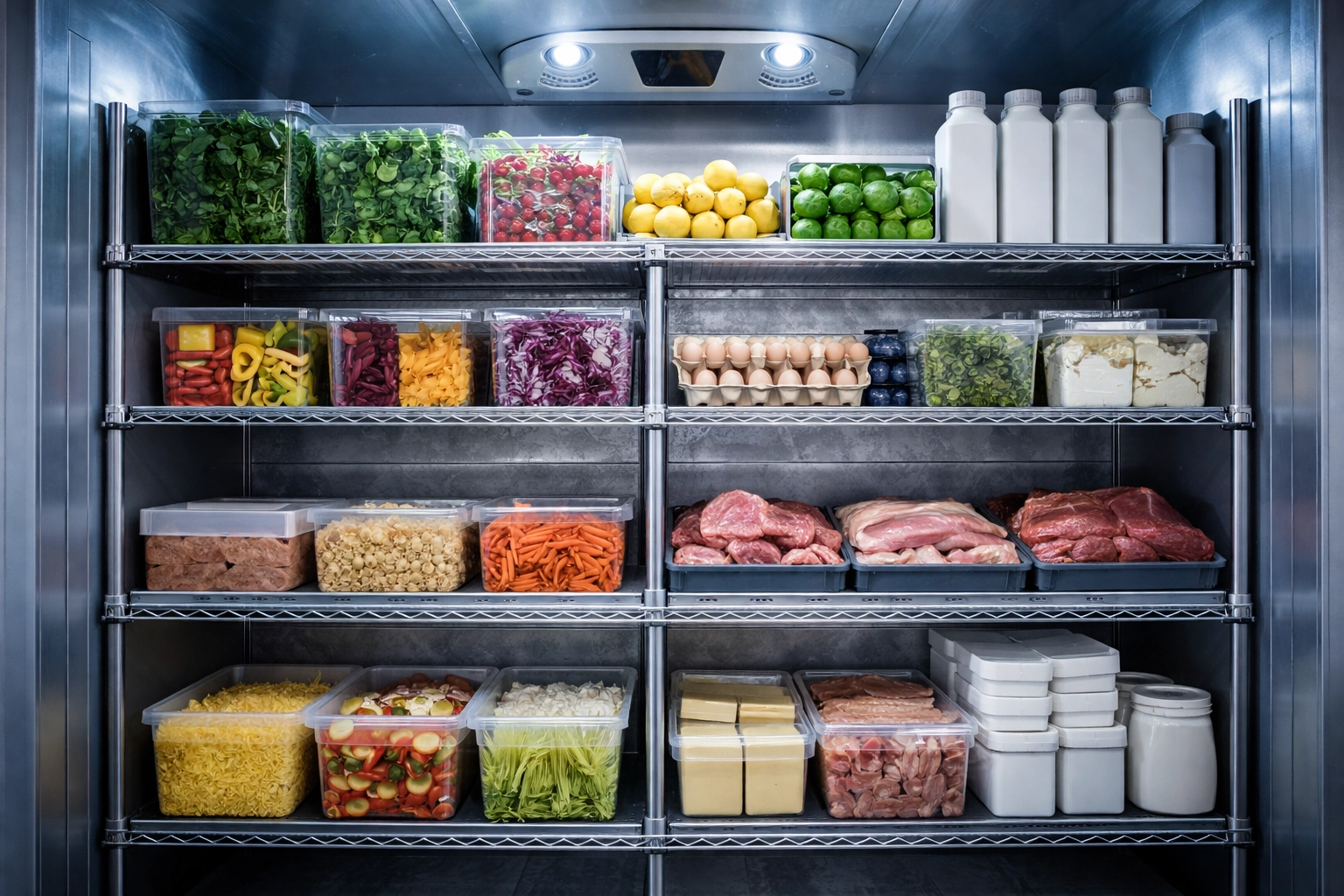
Restaurants maintain significant inventory in refrigerated and frozen storage. A single equipment failure can result in thousands of dollars in lost product. Food spoilage coverage protects this essential investment.
Understanding Food Spoilage Insurance
Food spoilage coverage reimburses restaurant owners for inventory losses when refrigeration equipment fails. This coverage responds to:
Mechanical breakdown of refrigeration units
Power outages affecting food storage
Temperature control failures
Contamination events requiring disposal of inventory
Standard property insurance policies may not automatically include food spoilage protection. Restaurant owners should verify this coverage exists within their policy or add it as an endorsement.
Equipment Breakdown and Spoilage
Food spoilage coverage often works alongside equipment breakdown insurance. When a walk-in cooler compressor fails, equipment breakdown coverage addresses the repair or replacement of the unit. Food spoilage coverage then responds to the lost inventory inside.
Key equipment to consider for breakdown coverage includes:
Walk-in refrigerators and freezers
Reach-in coolers
Ice machines
HVAC systems affecting food storage areas
Commercial ovens and cooking equipment
Dishwashers and sanitation equipment
Contamination Coverage
Beyond mechanical failures, restaurants face contamination risks that require specialized protection. Contamination coverage addresses situations where:
Health department orders mandate disposal of inventory
Cross-contamination events occur
Pest infestations compromise food safety
Supplier recalls affect your stored inventory
This coverage helps restaurants recover from events that compromise food safety without devastating financial impact.
Commercial Property Insurance for Restaurants
Restaurant operations require substantial investments in real property, equipment, furniture, and inventory. Commercial property insurance protects these assets against covered perils.
What Commercial Property Insurance Covers
Commercial property coverage protects your restaurant's physical assets including:
The building structure (if you own it)
Tenant improvements and betterments
Kitchen equipment and appliances
Furniture, fixtures, and décor
Point-of-sale systems and technology
Signage and outdoor equipment
Food and beverage inventory
Coverage typically responds to perils such as fire, wind, hail, vandalism, and theft. Restaurant owners should review their policy to understand which perils apply and whether additional endorsements provide broader protection.
Building vs. Contents Coverage
Restaurant owners who lease their space typically need contents coverage rather than building coverage. The landlord's policy covers the structure itself. Your policy covers everything you bring into the space.
Owners who own their building need both building and contents coverage. Building coverage addresses structural damage to walls, roofing, plumbing, electrical systems, and permanent fixtures.
For a comprehensive overview of essential coverages, review our guide on the non-negotiables of restaurant insurance.
Business Personal Property Considerations
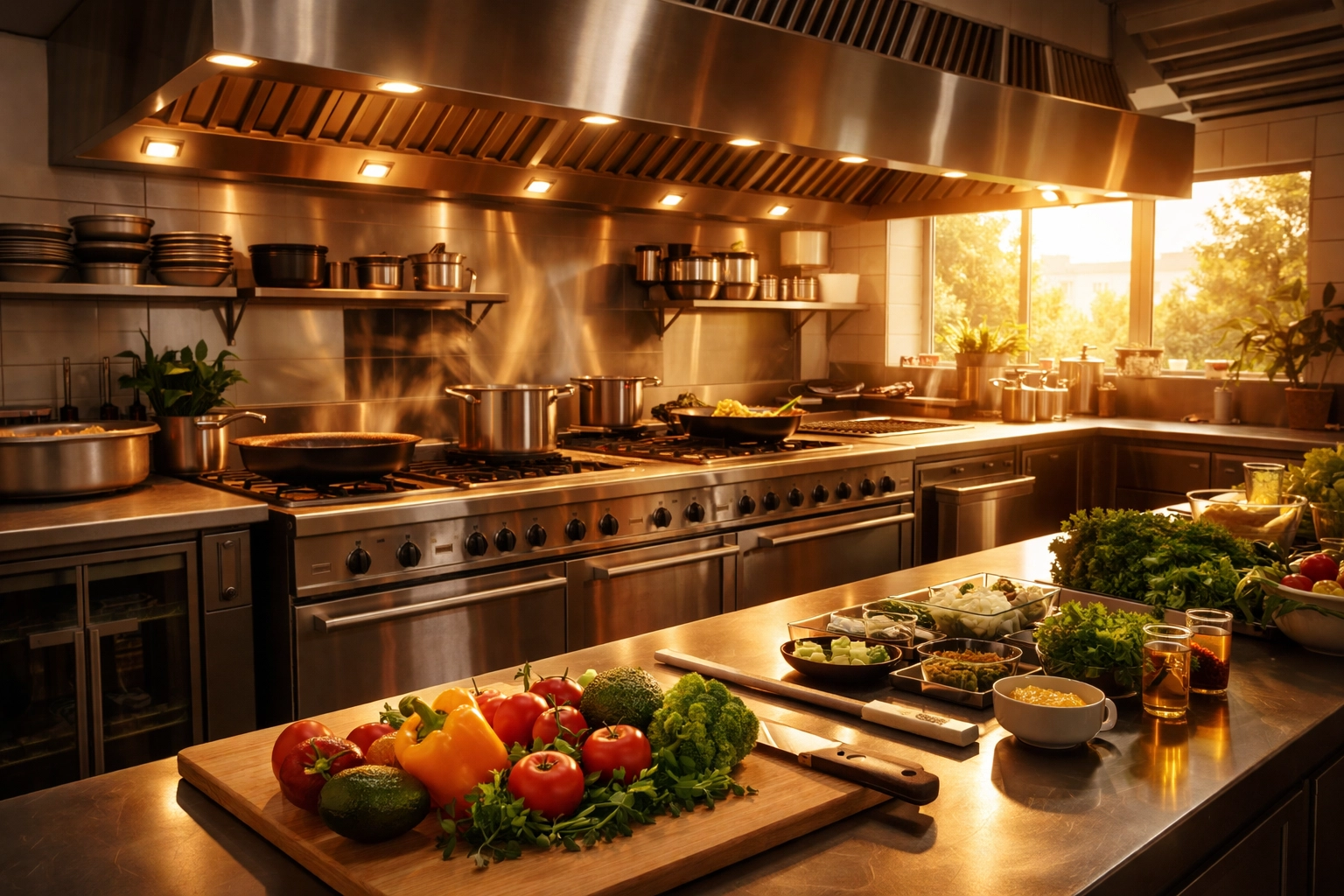
Restaurant equipment represents significant capital investment. Commercial cooking equipment, ventilation systems, and specialized appliances require adequate coverage limits. Conduct regular inventory assessments to ensure your coverage limits reflect current replacement values.
Items requiring special attention include:
Commercial ranges, ovens, and grills
Refrigeration systems
Ventilation hoods and fire suppression systems
Specialized equipment for your cuisine type
Artwork, décor, and custom millwork
Outdoor dining furniture and equipment
Additional Coverage Types for Complete Protection
Beyond liquor liability, food spoilage, and property coverage, restaurant owners should consider several additional protection options.
Business Interruption Insurance
Business interruption coverage provides financial support when a covered property loss forces your restaurant to close temporarily. This coverage addresses:
Lost revenue during the closure period
Ongoing fixed expenses such as rent and utilities
Employee wages during rebuilding
Temporary relocation expenses
Without business interruption coverage, a fire or major equipment failure could permanently close an otherwise successful restaurant.
Workers' Compensation Insurance
Restaurants employ staff who face workplace hazards daily. Hot cooking surfaces, sharp knives, wet floors, and heavy lifting create injury risks. Workers' compensation coverage addresses medical expenses and lost wages when employees suffer work-related injuries or illnesses.
Most jurisdictions require workers' compensation coverage for businesses with employees. Restaurant owners should verify compliance requirements for their location.
Cyber Liability Insurance
Modern restaurants collect and store customer data through reservation systems, online ordering platforms, loyalty programs, and payment processing. Cyber liability coverage protects against:
Data breach response expenses
Customer notification requirements
Credit monitoring services
Regulatory fines and penalties
Business interruption from cyber events
Commercial Auto Insurance
Restaurants offering delivery services or using vehicles for catering, supply runs, or other business purposes need commercial auto coverage. Personal auto policies exclude business use, leaving gaps in protection.
Building a Comprehensive Restaurant Insurance Program
Restaurant insurance requires a layered approach that addresses the unique risks of food service operations. General liability provides the foundation. Liquor liability, food spoilage, and property coverage build essential protections. Additional coverages complete the program.
Review our ultimate restaurant insurance checklist to ensure your coverage program addresses all critical exposures.
Work with an experienced insurance advisor who understands the restaurant industry. Proper coverage protects your investment, your employees, and your customers.
Insurance Alliance LLC serves restaurant owners throughout Florida, Texas, Arizona, Idaho, and Washington. Contact our team to review your current coverage and identify potential gaps in protection.

Comments