
The Ultimate Guide to Restaurant Risk Documentation: Everything You Need to Succeed at Your Next Renewal
Documentation is the cornerstone of a sophisticated risk management strategy for any food service establishment. In the context of restaurant insurance, underwriters and risk assessors look for evidence of a proactive safety culture. It is not enough to have safety protocols in place; these protocols must be documented, tracked, and verified through consistent record-keeping.
As a restaurant owner, your ability to provide a comprehensive paper trail during your next renewal period demonstrates organizational discipline and a commitment to operational excellence. This guide outlines the essential documentation categories, maintenance logs, and reporting structures required to strengthen your risk profile and ensure compliance with industry standards.
The Strategic Importance of Risk Documentation
Maintaining detailed records serves as a defensive shield for your business. When an insurance carrier evaluates a business owners policy, they are assessing the likelihood of future incidents based on past behavior and current management systems. Documentation provides the tangible proof needed to show that your restaurant operates with a high degree of oversight.
Effective record-keeping assists in:
Identifying recurring hazards within the kitchen or dining area.
Verifying that staff members have received adequate safety training.
Ensuring that all mechanical systems and safety equipment are functioning as intended.
Demonstrating compliance with local health department and fire marshal regulations.
By centralizing these records, you create a "Risk Register" that serves as a single source of truth for your management team and insurance partners.
1. Food Safety and Health Compliance Documentation
Foodborne illness is a primary risk in the restaurant industry. Documentation in this category must align with the FDA Food Code and local health department requirements. Consistent logging helps mitigate the risks associated with food spoilage and cross-contamination.
HACCP (Hazard Analysis and Critical Control Points) Logs
A HACCP plan is a systematic approach to food safety. Documentation should include:
Critical Control Point (CCP) Monitoring: Records showing that food reached the required internal temperatures during cooking.
Cooling Logs: Documentation of how quickly hot foods are cooled to safe storage temperatures.
Corrective Action Records: Logs detailing what steps were taken when a CCP was not met (e.g., discarding food that stayed in the "danger zone" too long).
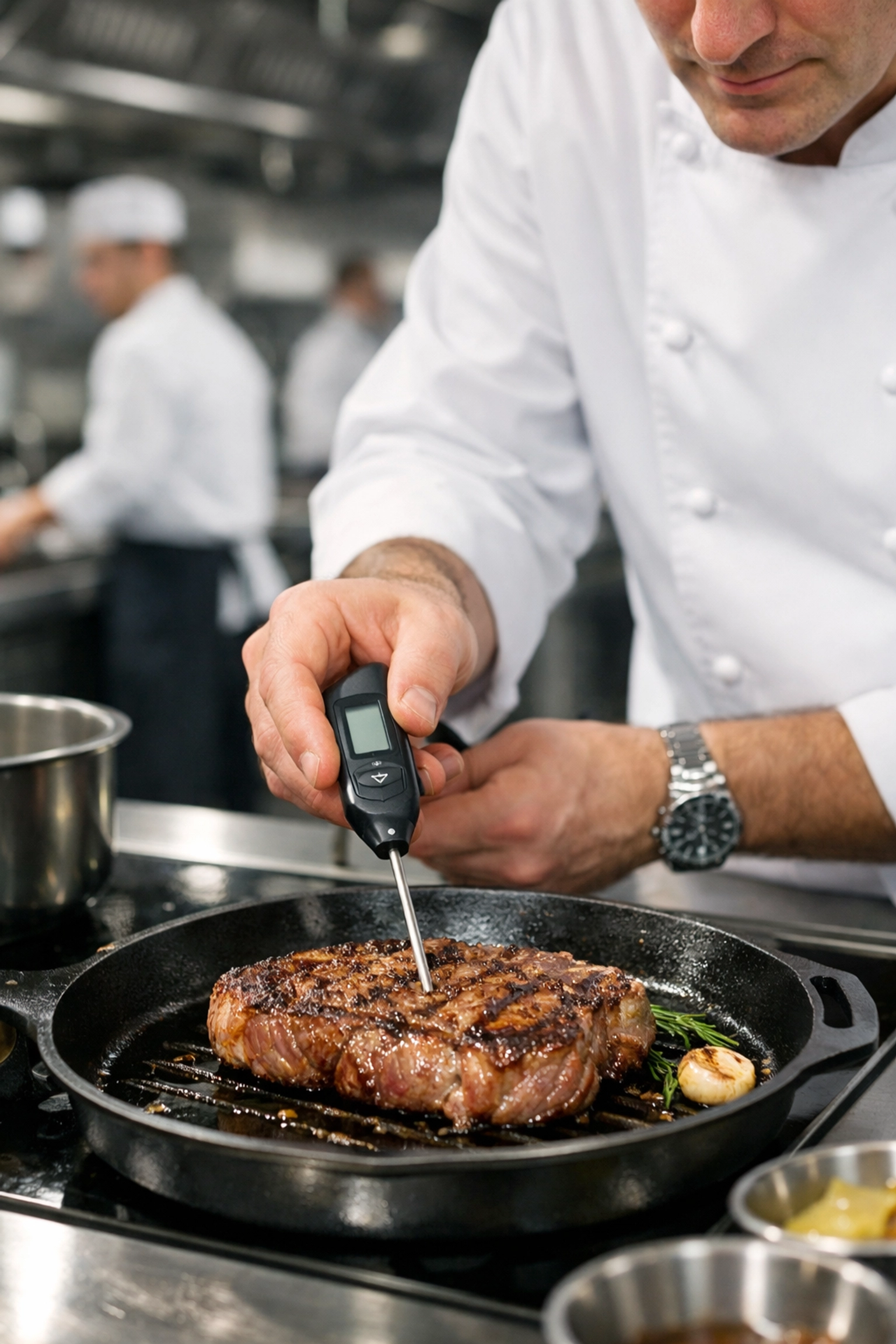
Temperature Monitoring Logs
Daily logs for all refrigeration and freezer units are essential. These should be checked at least twice daily: once at opening and once at closing.
Walk-in Coolers: Maintain temperatures at or below 40°F.
Freezers: Maintain temperatures at or below 0°F.
Line Prep Tables: Ensure active cooling during service hours.
Hygiene and Sanitation Audit Logs
Regular sanitation checks prevent the spread of pathogens. Your documentation should include:
Restroom Cleaning Checklists: Verified hourly or by shift.
Handwashing Station Audits: Ensuring stations are stocked with soap, paper towels, and warm water.
Surface Sanitization Logs: Tracking the concentration of sanitizing solutions used on food-contact surfaces.
For specialized establishments like those found at Fine Dining Restaurant Insurance, these logs are often more stringent due to the complexity of the menu and the high volume of raw ingredients.
2. Facility and Equipment Maintenance Records
Your physical building and the equipment inside it represent significant assets. Incomplete maintenance is a leading cause of fires and equipment failure. Proper documentation proves that you are taking steps to prevent property damage.
Fire Suppression and Safety Systems
Fire safety is a non-negotiable aspect of restaurant insurance compliance. You must keep records of:
Hood and Duct Cleaning: Documentation from a certified professional showing that grease accumulation has been removed (typically every 3 to 6 months depending on volume).
Fire Extinguisher Inspections: Monthly internal visual checks and annual professional certifications.
Automatic Fire Suppression System (Ansul System): Semi-annual service records from a licensed technician.
Fire Alarm and Sprinkler Testing: Annual certificates of functionality.
Kitchen Equipment Maintenance
Frequent maintenance extends the life of your equipment and reduces the risk of electrical fires or gas leaks. Maintain a dedicated folder for:
Deep Fryer Maintenance: Records of oil filtration and high-limit switch testing.
Oven and Range Calibration: Documentation of gas line inspections and burner cleaning.
HVAC Service Logs: Proof of filter changes and coil cleanings to ensure proper ventilation and air quality.
Floor and Walkway Maintenance (Slip and Fall Prevention)
Slips, trips, and falls are common occurrences in busy environments. Documentation of your preventative measures is vital.
Floor Sweep Logs: Records showing that floors were swept and mopped at specific intervals.
Mat Maintenance: Logs indicating when floor mats were cleaned or replaced to prevent curling or saturation.
Lighting Audits: Monthly checks to ensure all exits, walkways, and parking areas are well-lit.
Restaurants operating in high-traffic areas, such as those covered under Family Dining Restaurant Insurance, must be particularly diligent with these logs due to the high volume of foot traffic.
3. Employee Training and Human Resources Records
A well-trained staff is your first line of defense against risk. Documentation of training ensures that every employee understands their role in maintaining a safe environment.
Safety Orientation and Training Logs
New hires should undergo a formal safety orientation. Records should include:
OSHA Compliance Training: Documentation of training on bloodborne pathogens, chemical safety (SDS), and personal protective equipment (PPE).
Lifting Techniques: Training records to prevent musculoskeletal injuries among kitchen and server staff.
Emergency Response Drills: Logs showing that staff know how to respond to fires, medical emergencies, or power outages.
Liquor Liability and Alcohol Service Training
If your establishment serves alcohol, documentation of responsible service is critical for risk management.
Server Certifications: Copies of valid training certificates (e.g., TIPS, MAST, or LEAD) for all front-of-house staff.
Incident Logs (Alcohol-Related): Documentation of instances where service was refused to an intoxicated patron or where a fake ID was confiscated.
Specialized Training for Smoothies and Cafes
Even smaller operations, such as those detailed at Smoothie and Coffee Shop Insurance, require specific training documentation for equipment like high-speed blenders, espresso machines, and pressurized systems.

4. Incident Reporting and Documentation Procedures
While the goal of risk management is to prevent incidents, you must have a standardized process for documenting them when they occur. This documentation should be factual, objective, and timely.
Incident Report Components
An effective incident report should capture:
Date and Time: Exactly when the event occurred.
Location: The specific area within the restaurant.
Description of the Event: A factual account without speculation or admission of fault.
Witness Information: Names and contact details of anyone who saw the event.
Photos: Visual evidence of the area where the incident occurred, including any contributing factors (e.g., a "Wet Floor" sign in place).
Equipment Failure Documentation
If a piece of equipment fails, document the circumstances:
Model and Serial Number: For the specific unit involved.
Maintenance History: Reference the most recent service log for that unit.
Nature of Failure: Whether it was a mechanical breakdown, electrical issue, or operator error.
This documentation is essential for ensuring that your business owners policy accurately reflects the operational status of your facility.
5. The Digital Transition: Organizing Your Risk Data
Paper logs are often lost, damaged, or incomplete. Transitioning to a digital documentation system enhances the reliability and accessibility of your records.
Cloud-Based Storage
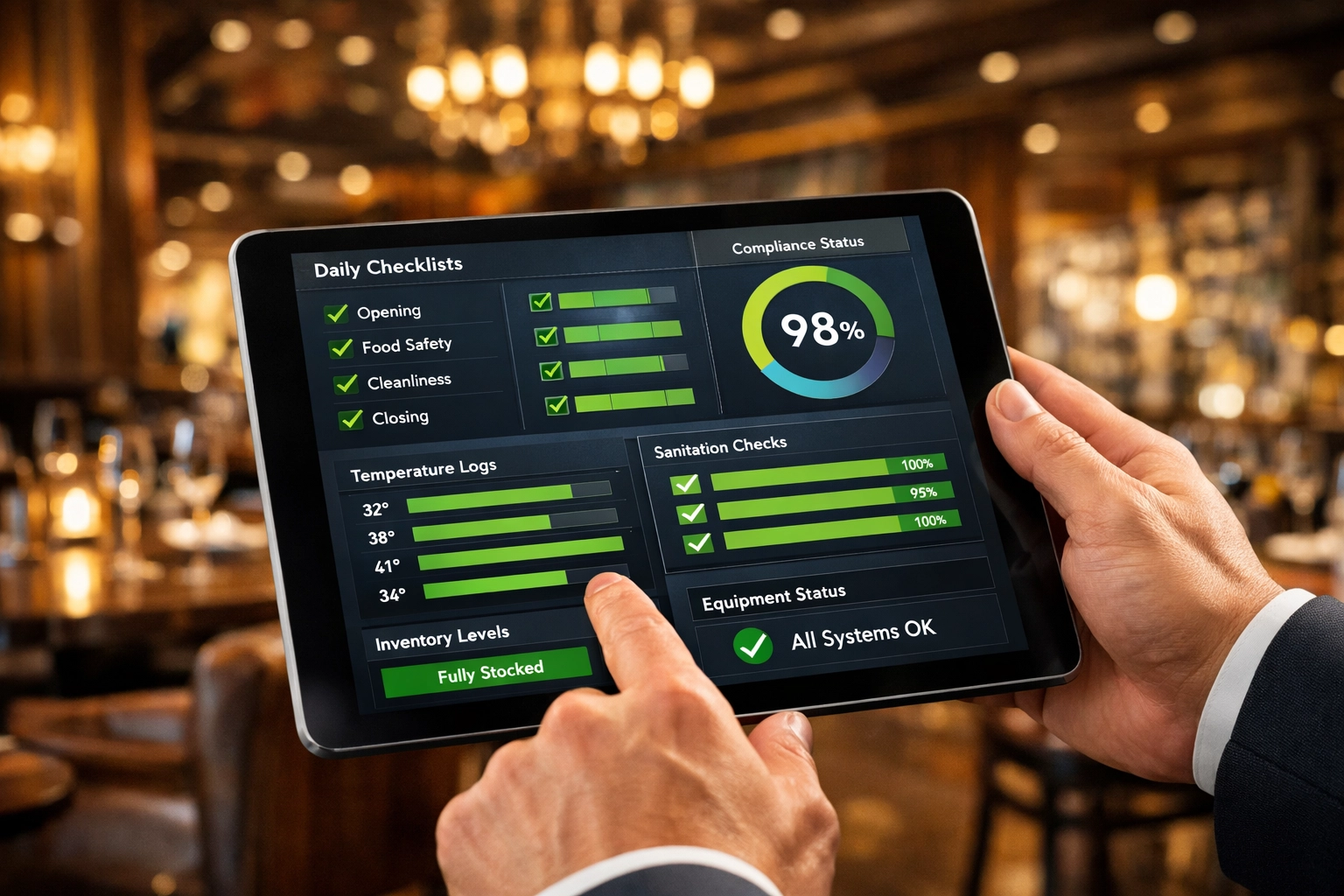
Utilizing a secure cloud-based platform allows management to upload photos of logs and maintenance certificates instantly. This ensures that records are backed up and can be accessed remotely during an insurance audit or renewal review.
POS Integration
Modern Point of Sale (POS) systems can integrate with task management software. This allows managers to require "end-of-shift" checklists to be completed digitally before the system allows them to clock out, ensuring 100% compliance with daily logging requirements.
Security and Accessibility
Ensure that your digital records are protected with appropriate user permissions. Only authorized personnel should be able to edit or delete records, maintaining the integrity of the data for third-party review. For businesses with complex administrative needs, referring to Professional Office Insurance standards for data management can provide a roadmap for secure record-keeping.
6. Building and Maintaining Your Risk Register
A Risk Register is a living document that centralizes all identified risks and the steps taken to mitigate them. This document is a powerful tool during the renewal process.
Components of a Restaurant Risk Register:
Risk Category: (e.g., Fire, Food Safety, Employee Safety).
Identified Hazard: (e.g., Grease buildup in kitchen hoods).
Mitigation Strategy: (e.g., Quarterly professional cleaning).
Documentation Reference: (e.g., Link to the folder containing cleaning certificates).
Review Frequency: (e.g., Every 90 days).
By presenting a Risk Register to your broker at Insurance Alliance LLC, you demonstrate that you are not just reacting to problems but actively managing the risks inherent in your business.
7. Preparing for the Underwriting Review
As your renewal date approaches, conduct a documentation audit. This proactive step ensures that you are not scrambling for missing records at the last minute.
The 30-Day Renewal Audit Checklist:
Check Expiration Dates: Ensure all business and liquor licenses are current.
Verify Maintenance Certificates: Confirm that all fire safety and HVAC inspections have been completed within the last 12 months.
Audit Employee Files: Make sure all training certifications for current staff are on file.
Review Incident Logs: Look for patterns in reported incidents and document any changes made to prevent future occurrences.
For those managing multiple locations or diverse business interests, such as those found at Landscaping and Hardscaping Contractor Insurance or General Contractor Insurance, centralizing these audits is even more critical for maintaining a cohesive risk management profile across all entities.
Conclusion: Documentation as a Competitive Advantage
In the restaurant industry, operational transparency is a significant asset. Thorough risk documentation does more than just satisfy compliance requirements; it builds a foundation of trust with your insurance carriers and regulatory bodies. By maintaining rigorous logs for food safety, facility maintenance, and employee training, you position your restaurant as a low-risk, high-performing operation.
At Insurance Alliance LLC, we understand the complexities of restaurant risk management. Our team is here to help you navigate the nuances of coverage and compliance to ensure your business is protected.
If you are ready to review your documentation strategy or want to discuss how your current record-keeping aligns with your business owners policy, we invite you to book an appointment online with one of our experts.
For more insights on managing risk in specialized industries, visit our Insurance Alliance Blog.
Insurance Alliance LLC Professional Risk Management and Insurance Solutions www.theinsalliance.com

Comments