
Disaster Recovery Matters: How Lump-Sum Benefits Bridge the Gap After a Storm
- marketing676641
- Mar 25
- 7 min read
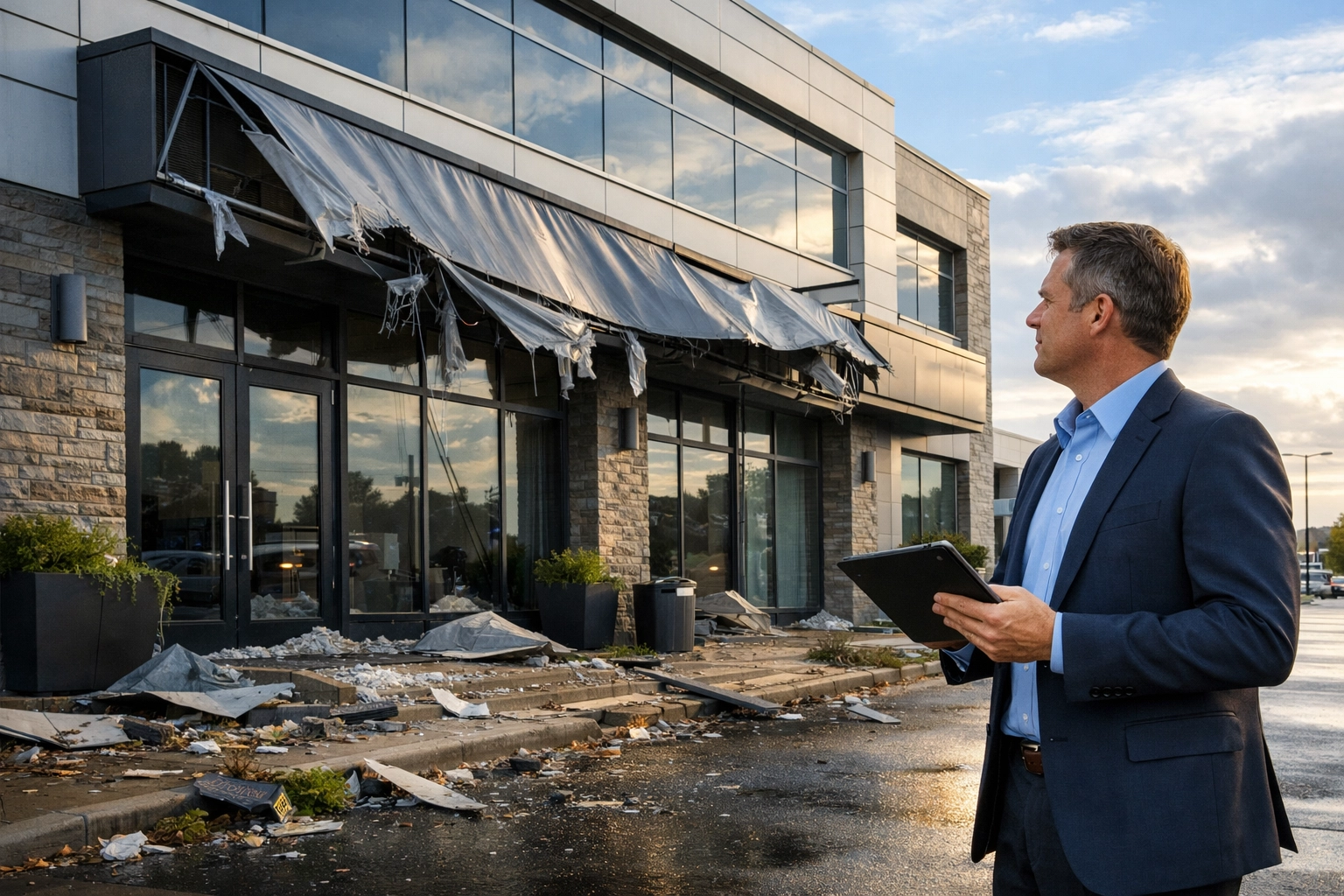
Natural disasters present significant risks to business continuity and residential stability. Standard property insurance policies provide the primary layer of protection for structures and contents. However, the period immediately following a catastrophe often reveals significant financial gaps that standard coverage does not address. Understanding how lump-sum disaster benefits function is essential for a comprehensive risk management strategy. These benefits provide liquidity when it is needed most, ensuring that the recovery process begins without delay.
The Reality of Post-Disaster Financial Gaps
Standard property insurance and flood insurance are designed to indemnify policyholders for specific physical losses. These policies operate on a reimbursement basis, often requiring extensive documentation, inspections, and adjustments. While these programs are vital, they contain inherent limitations that can stall recovery.
Many property insurance policies include high deductibles for specific perils like wind, hail, or earthquakes. These deductibles are often calculated as a percentage of the total insured value of the property. For a business or a high-value home, a 2% or 5% deductible represents a significant out-of-pocket requirement before the primary insurance carrier contributes to the repairs.
Furthermore, standard policies exclude many immediate recovery expenses. These may include the cost of temporary power generation, emergency debris removal beyond policy limits, or the immediate replacement of essential items not classified as permanent fixtures. For a business owner, the gap between the occurrence of a disaster and the receipt of an insurance settlement can lead to permanent closure. Effective disaster recovery requires immediate access to capital.
What are Lump-Sum Disaster Benefits?
Lump-sum disaster benefits represent a shift in how risk is managed. Unlike traditional indemnity insurance, which pays for the actual cash value or replacement cost of specific items, lump-sum benefits trigger based on the occurrence of a defined event and a threshold of damage. Recoop Disaster Insurance is a primary example of this supplemental coverage.
Recoop provides a predetermined cash benefit, often up to $25,000, shortly after a qualifying natural disaster. This benefit does not function as a replacement for property insurance but as a bridge. It addresses the "insurance gap" by providing cash that can be used for any purpose. There are no restrictions on how the funds are deployed, allowing policyholders to prioritize their most urgent recovery needs.
For more information on the foundational layers of protection, see our guide on Business Owners Policy (BOP): The Foundation for Small Business Security.
Technical Triggers for Lump-Sum Payouts
Lump-sum benefits like those offered by Recoop rely on specific technical triggers. These triggers ensure that the benefit is deployed when a genuine disaster occurs while maintaining a streamlined process. There are typically three primary requirements for a benefit trigger:
Existing Coverage: The policyholder must maintain a primary homeowners or renters insurance policy. Recoop is designed to supplement these existing frameworks.
Declared Disaster Area: The property must be located within a state or federally declared disaster area. This ensures the benefit is tied to large-scale events that overwhelm local resources.
Damage Threshold: The policyholder must sustain at least $1,000 in damage to their property from a covered peril.
Once these conditions are met, the benefit is issued. This eliminates the need for the prolonged adjustment periods associated with standard property insurance claims. The speed of deployment is a critical component of risk management. Receiving funds within 24 to 48 hours of approval allows for immediate action that can prevent further property degradation.
Covered Perils and Risk Exposures
Disaster recovery planning must account for a wide range of natural threats. Lump-sum benefits provide multi-peril coverage, which is advantageous compared to standalone policies that only cover a single risk. Recoop covers several major categories of natural disasters.
Hurricanes and Storm Surges
Hurricanes bring a combination of high winds and water damage. While wind damage is often covered by property insurance, storm surge is frequently excluded or requires separate flood insurance. A lump-sum benefit triggers for both, providing a versatile source of recovery funds regardless of whether the damage came from the sky or the rising tide.
Wildfires
Wildfires cause total loss or significant smoke damage. The recovery process involves specialized cleaning and immediate relocation. Lump-sum benefits provide the liquidity needed to secure temporary housing or professional remediation services while the primary carrier assesses the structural damage.
Tornadoes
Tornadoes are localized but devastating. They often leave property owners with immediate needs for site security and debris removal. Because these events happen with little warning, having a guaranteed lump-sum benefit ensures that recovery starts as soon as the storm passes.
Earthquakes
Earthquake coverage is often an expensive endorsement or a separate policy with very high deductibles. In many regions, property owners forego earthquake insurance entirely due to these factors. A supplemental lump-sum policy provides a layer of protection that triggers after a seismic event, offering a financial cushion that would otherwise be unavailable.
Winter Storms and Gas Explosions
Extreme cold can lead to burst pipes and significant water damage. Similarly, gas explosions resulting from infrastructure failure during a disaster are covered under these benefits. These events often disrupt utility services, making immediate cash essential for restoration.
Learn more about managing these specific risks in our article on Protecting Your Business Property from Natural Disasters.

The Role of Recoop in Disaster Recovery
Recoop Disaster Insurance fills a specific niche in the insurance marketplace. It is the first and only dedicated multi-peril disaster insurance product designed to provide a rapid cash benefit. Its technical structure is built for speed and flexibility.
The policy does not have a deductible. This is a significant departure from traditional property insurance. When a disaster occurs, the policyholder receives the full benefit amount once the trigger conditions are met. This allows the funds to be used to pay the deductible on the primary property insurance policy, effectively removing the financial barrier to starting repairs.
Recoop also covers "indirect" costs that standard insurance ignores. If a disaster forces a business to relocate or a family to move into a hotel, those immediate costs are covered by the lump sum. The flexibility of the payout means it can be used for:
Paying property insurance deductibles.
Covering temporary living expenses.
Replacing spoiled food or essential supplies.
Hiring immediate emergency contractors for roof tarping or water extraction.
Covering lost wages for employees or business owners during the initial shutdown.
Integrating Lump-Sum Benefits into Risk Management
Risk management is the process of identifying, assessing, and controlling threats to an organization's capital and earnings. For business owners and property managers, natural disasters are among the most unpredictable threats. Integrating lump-sum benefits into a broader insurance portfolio enhances resilience.
Layering Coverage
An effective risk management strategy involves layering different types of insurance.
Layer 1: General Liability and Business Owners Policies provide the base for daily operations.
Layer 2: Commercial Property and Flood Insurance provide the heavy lifting for structural restoration.
Layer 3: Supplemental benefits like Recoop provide the "first-response" capital to bridge the gap between layers 1 and 2.
Documentation and Compliance
To ensure that all insurance layers work together, property owners must maintain rigorous documentation. Technical compliance requires keeping records of property value, inventory, and safety protocols. Proper documentation affects eligibility for various coverages and ensures that when a disaster is declared, the $1,000 damage threshold can be easily verified.
For restaurant owners specifically, documentation is a core part of safety and eligibility. Review our post on Restaurant Fire Safety: How Proper Documentation Affects Your Property Coverage Eligibility.

Property Insurance vs. Flood Insurance Gaps
One of the most complex areas of disaster recovery is the distinction between property insurance and flood insurance. Most standard property insurance policies explicitly exclude damage caused by rising water. Business owners must often purchase separate coverage through the National Flood Insurance Program (NFIP) or private flood insurers.
Even with both policies, gaps remain. NFIP policies have limits on basement coverage and do not provide loss of use or business interruption benefits. This is where a lump-sum benefit becomes vital. Because the benefit triggers based on a disaster declaration and property damage: rather than the specific mechanism of the water damage: it provides a safety net that covers what the NFIP does not.
If you are managing property in high-risk areas, understanding how to report damage correctly is essential. See our insights on 7 Mistakes You’re Making with Property Damage Reporting and How to Fix Them.
The Importance of Speed in Disaster Recovery
In the aftermath of a catastrophe, time is the most critical resource. The longer a property remains damaged and exposed to the elements, the higher the cost of restoration. Mold can begin to grow within 24 to 48 hours of water intrusion. A hole in a roof can lead to total interior destruction if not tarped immediately.
Traditional insurance settlements rarely arrive in time to fund these immediate needs. Policyholders often have to use personal savings or high-interest credit cards to pay for emergency repairs. Lump-sum benefits solve this liquidity crisis. By delivering cash within days, these policies allow property owners to secure their assets and mitigate further loss. This proactive approach to recovery is a hallmark of a professional risk management plan.
Technical Requirements for Policyholders
Maintaining a lump-sum disaster policy requires adherence to certain technical standards. Policyholders must ensure that their primary insurance remains in force, as the supplemental benefit is designed to work in tandem with those policies. Furthermore, the property must be maintained to current safety standards to ensure that damage is a direct result of the disaster and not pre-existing negligence.
For businesses with specialized equipment, ensuring that all machinery is properly documented and maintained is part of this compliance. You can learn more about specialized equipment risks in our article on Equipment Breakdown vs. Inland Marine.

Risk Mitigation Beyond Insurance
While insurance products like Recoop are essential, they are one part of a disaster recovery plan. Risk management also involves physical mitigation.
Structural Reinforcement: Ensuring buildings meet current wind and seismic codes.
Flood Barriers: Utilizing sandbags or permanent flood walls in low-lying areas.
Digital Redundancy: Maintaining off-site backups for all business records and technical data.
Emergency Protocols: Having a clear plan for staff safety and property shutdown.
A well-rounded plan combines these physical actions with the financial protection of lump-sum benefits. This ensures that the business has both the physical resilience to survive the storm and the financial liquidity to recover from it.
Conclusion
Disaster recovery is a complex process that requires more than just a standard property insurance policy. The financial gaps created by deductibles, excluded expenses, and slow payout timelines can derail even the most well-prepared business or household. Lump-sum benefits, such as those provided by Recoop Disaster Insurance, offer a technical solution to these challenges. By providing rapid, unrestricted cash triggered by declared disasters, these benefits bridge the gap and ensure that recovery starts immediately.
For business owners and property managers, integrating these benefits into a professional risk management strategy is a practical step toward long-term resilience. Understanding the triggers, perils, and technical requirements of these policies allows for a more secure future in an increasingly unpredictable environment.
Insurance Alliance LLC provides expertise in navigating these complex coverage landscapes across multiple states, ensuring that your business and property are protected by the most effective insurance structures available.
Insurance Alliance LLC Insurance Experts


Comments