
Washington Restaurant Insurance 101: A Beginner’s Guide to Mastering State Fund Workers’ Comp Compliance
- marketing676641
- Mar 7
- 8 min read
Operating a culinary establishment in Washington requires a comprehensive understanding of state-specific regulations. Washington restaurant insurance is not a single policy but a framework of coverages designed to meet legal mandates and protect business assets. For new owners and established operators alike, navigating the requirements of the Washington State Fund is a critical component of business continuity.
Compliance ensures that employees are protected in the event of workplace injuries and that the business remains in good standing with state agencies. This guide provides an in-depth analysis of mandatory workers comp requirements, the nuances of the state-run system, and essential risk management strategies for the food service industry.
The Framework of Washington Restaurant Insurance
Restaurant insurance in Washington serves as a protective layer for the physical property, the employees, and the legal liability of the business. The regulatory environment in Washington is unique, particularly regarding how workers comp is handled. Unlike many other states where businesses purchase coverage from private carriers, Washington operates a monopolistic state fund.
Every restaurant, from family dining establishments to fine dining venues, must adhere to these specific state mandates. Failure to comply leads to significant legal exposure and potential interruptions in business operations.
Mandatory Coverage Requirements
Washington law requires that every employer with one or more employees must provide workers compensation coverage. This mandate applies to full-time, part-time, and seasonal staff. In the restaurant industry, where staffing levels often fluctuate, maintaining accurate records of all personnel is vital for compliance.
Coverage requirements extend beyond just medical care for injured workers. It includes disability benefits and vocational rehabilitation. For restaurant owners, this means that every dishwasher, server, chef, and host must be accounted for within the state’s reporting system.

Understanding the Washington State Fund (L&I)
The Washington Department of Labor & Industries (L&I) manages the state’s workers compensation system. Because Washington is a monopolistic state, private insurance companies are not permitted to write standard workers comp policies. Instead, all restaurant insurance programs must integrate with the L&I system.
The Monopolistic System Defined
In a monopolistic system, the state government is the exclusive provider of workers comp insurance. There is no competitive market for this specific coverage within the state. This simplifies the search for a provider but increases the burden of compliance on the business owner. Employers must register directly with L&I to establish an account.
Quarterly Reporting Obligations
Compliance with the State Fund requires meticulous administrative oversight. Restaurants must submit quarterly reports detailing the total number of hours worked by all employees. These reports are the basis for determining the status of the account and ensuring that the appropriate levels of protection are in place.
Accuracy in these reports is paramount. The state performs regular audits of restaurant records to ensure that hours are not under-reported. Discrepancies found during an audit can result in penalties and retroactive adjustments.
The Critical Role of Private Stop-Gap Coverage
While the Washington State Fund covers the statutory benefits for injured workers, it does not provide comprehensive liability protection for the employer. This is where private restaurant insurance becomes essential.
What is Stop-Gap Coverage?
In states with private workers comp markets, "Part 2" of a workers comp policy typically provides Employer’s Liability coverage. This protects the business if an employee sues for damages not covered by the standard workers comp benefits: for example, if a spouse sues for loss of consortium or if the injury was caused by gross negligence.
In Washington, because the State Fund does not include this liability portion, restaurant owners must purchase "Stop-Gap" coverage. This is typically added as an endorsement to a General Liability policy. Without this endorsement, a Washington restaurant insurance portfolio is incomplete, leaving the business owner vulnerable to personal injury lawsuits from staff members.
Integrating State and Private Coverage
A robust insurance strategy involves balancing the mandatory state requirements with private policies. Insurance Alliance LLC assists owners in identifying these gaps to ensure that a family dining restaurant or a coffee shop has seamless protection across both state-mandated and private liability domains.
Employee Classifications in the Food Service Industry
L&I uses a classification system to categorize work activities based on the level of risk involved. For restaurant insurance, these classifications are vital. Most restaurant staff fall under specific codes related to food preparation and service.
Accurate Classification and Risk
Assigning the correct risk classification ensures that the business is compliant with state reporting standards. For instance, clerical staff working in a separate office for a restaurant group might be classified differently than kitchen staff. However, in most single-location restaurants, the "Restaurant" classification covers the majority of activities.
Misclassification can lead to issues during state audits. If a business is found to be reporting hours under an incorrect, lower-risk code, L&I may impose penalties. Continuous review of staff roles is a best practice for maintaining compliance.
Risk Management Strategies for Kitchen Safety
Kitchens are high-risk environments characterized by sharp objects, high temperatures, and slippery surfaces. Effective risk management is the first line of defense in reducing the frequency of workers comp claims and maintaining a safe workplace.
Preventative Measures for Burns and Cuts
Thermal and chemical burns are common in restaurant settings. Risk management strategies should include:
Mandatory use of personal protective equipment (PPE) like heat-resistant gloves and aprons.
Strict protocols for handling hot oils and pressurized equipment.
Regular maintenance of stovetops, ovens, and fryers to prevent malfunctions.
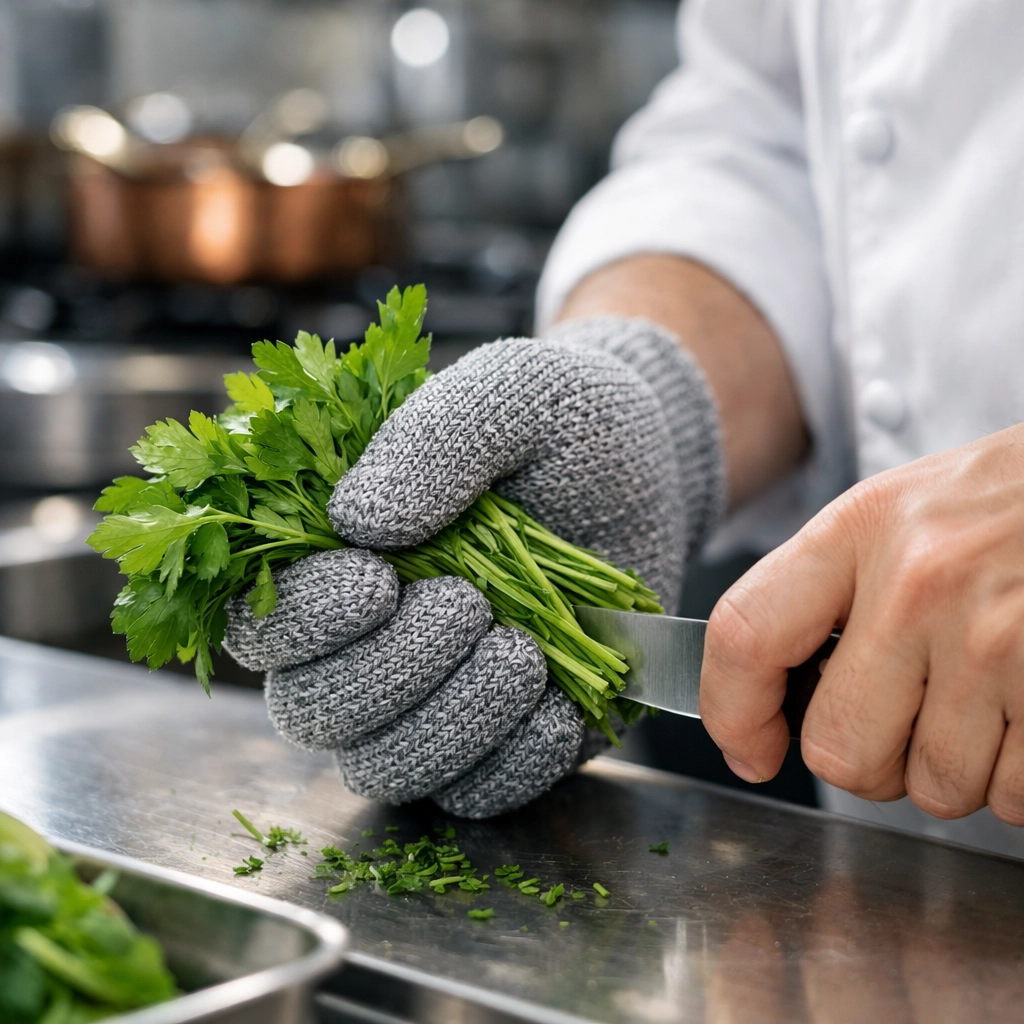
Cuts from knives and food processors are equally prevalent. Implementing a "cut glove" policy and providing regular knife skills training can significantly decrease the incidence of these injuries.
Fire Suppression and Equipment Maintenance
Fire is a primary threat to property and life safety in any restaurant. Compliance with local fire codes is a prerequisite for obtaining many forms of commercial insurance.
Hood Cleaning: Regular cleaning of exhaust hoods prevents grease buildup, which is a leading cause of kitchen fires.
Suppression Systems: Automatic fire suppression systems must be inspected and tagged by certified professionals every six months.
Extinguisher Accessibility: Fire extinguishers must be easily accessible and staff must be trained on their proper use.
Managing Slip and Fall Risks
Slips, trips, and falls are the leading cause of injuries in the food service industry, affecting both employees and patrons. In the context of restaurant insurance, managing these risks is a core component of both General Liability and Workers Comp compliance.
Floor Maintenance Protocols
Wet floors are an inherent part of the restaurant environment, whether from spills in the dining room or cleaning in the kitchen.
Non-slip Footwear: Implementing a mandatory non-slip shoe policy for all staff members is a highly effective risk management strategy.
Immediate Spill Response: Establishing a "clean as you go" culture ensures that hazards are addressed immediately.
Matting: Placing high-quality, slip-resistant mats in transitional areas (like the doorway between the kitchen and the dining room) reduces the spread of moisture.
Lighting and Visibility
Adequate lighting in hallways, stairwells, and storage areas is essential for preventing accidents. Regular inspections should be conducted to replace burnt-out bulbs and ensure that all exits are clearly marked and unobstructed.
Compliance Beyond Workers Comp: Paid Sick Leave
Washington’s workplace regulations include mandates beyond workers comp. Since 2018, Washington has required employers to provide paid sick leave to most employees.
Accrual and Usage Rules
Employees must accrue at least one hour of paid sick leave for every 40 hours worked. This applies to all employees, including those in the restaurant industry. Owners must:
Provide a written policy to employees explaining their rights to sick leave.
Track accrual and usage on a regular basis.
Allow employees to carry over up to 40 hours of unused sick leave to the following year.
Compliance with these labor laws is often audited alongside workers comp records. Failure to maintain accurate sick leave records can lead to legal challenges and fines from the Department of Labor & Industries.
Protecting Restaurant Property and Assets
While workers comp focuses on human capital, restaurant insurance must also address the physical assets of the business. This includes the building (if owned), tenant improvements, equipment, and inventory.
Specialized Property Coverage
In Washington, certain environmental risks require specialized coverage that is not found in a standard property policy.
Earthquake Insurance: Given the seismic activity in the Pacific Northwest, earthquake insurance is a critical consideration for protecting a restaurant's physical structure and contents.
Flood Insurance: Restaurants located in floodplains or near coastal areas should evaluate the need for flood insurance to protect against water damage.
Spoilage and Equipment Breakdown
Restaurants rely heavily on refrigeration and specialized cooking equipment. If a walk-in freezer fails, the loss of inventory can be devastating.
Spoilage Coverage: Protects against the loss of perishable food due to power outages or mechanical breakdown.
Equipment Breakdown: Covers the repair or replacement of essential machinery, such as ovens, boilers, and refrigeration units, when they suffer a mechanical failure.
Professional Liability and Management Risks
As a restaurant grows, so do the complexities of managing a workforce. Employment Practices Liability Insurance (EPLI) is a vital component of a comprehensive insurance portfolio. It protects the business against claims of:
Wrongful termination
Harassment
Discrimination
Retaliation
In a high-turnover industry like food service, EPLI provides a layer of security against legal actions brought by current or former employees. This coverage is separate from workers comp and Stop-Gap liability.
The Importance of Record Keeping for Audits
The Washington State Fund and other regulatory bodies rely on documentation to verify compliance. Maintaining organized, accessible records is a fundamental business practice for any restaurant operator.
Required Documentation
A restaurant should maintain the following records for at least three to four years:
Payroll Records: Detailed logs of hours worked per employee, per quarter.
Safety Training Logs: Documentation of all safety meetings, PPE training, and equipment certifications.
Incident Reports: Formal records of any workplace injury, even if a formal claim is not filed immediately.
Maintenance Logs: Records of fire suppression inspections, hood cleanings, and equipment repairs.
Organized record-keeping simplifies the audit process and demonstrates a commitment to regulatory compliance.
Building a Culture of Safety
Risk management is most effective when it is integrated into the daily operations of the restaurant. A culture of safety starts with leadership and involves every member of the team.
Safety Committees
Washington law requires businesses with 11 or more employees to have a safety committee. For smaller restaurants, safety meetings are still required. These gatherings provide a forum for:
Discussing recent "near-miss" incidents.
Reviewing safety protocols.
Identifying new hazards in the workplace.
Encouraging employee feedback on safety improvements.
Ongoing Training
Training should not be a one-time event during onboarding. Regular refreshers on lifting techniques, chemical handling (using Safety Data Sheets), and emergency procedures keep safety at the forefront of employees' minds. This proactive approach is essential for long-term risk mitigation.
Choosing the Right Partner for Washington Restaurant Insurance
Navigating the intersection of state mandates and private insurance requirements is a complex task. Insurance Alliance LLC serves as a knowledgeable guide for restaurant owners across Washington. By focusing on the unique needs of the food service industry: from fine dining to smoothie shops: we help businesses establish a foundation of compliance and protection.
Our team understands the specific requirements of the Washington State Fund and the necessity of Stop-Gap coverage. We work to ensure that your restaurant insurance portfolio is robust, compliant, and tailored to your specific operational risks.
For more information on specialized business coverages or to explore our resources for different industries, visit our blog or contact us to discuss your personal insurance solutions.
Conclusion
Mastering Washington restaurant insurance requires a diligent approach to State Fund workers comp compliance and a proactive strategy for risk management. By understanding the monopolistic nature of the Washington system, ensuring the inclusion of Stop-Gap liability, and maintaining a rigorous focus on kitchen and dining room safety, restaurant owners can protect their employees and their business longevity.
Compliance is not just a legal obligation; it is a vital component of a successful, sustainable restaurant operation. As you grow your culinary brand in Washington, staying informed on these foundational insurance principles will remain a key driver of your success.
Insurance Alliance LLC Washington Restaurant Insurance Experts Book Online


Comments