
Technical Property Coverage for Washington Main Street Businesses
- marketing676641
- Apr 4
- 6 min read
Commercial property owners in Washington face a unique set of geographic and regulatory challenges. Protecting a physical asset requires more than a standard policy; it necessitates a technical understanding of how property is valued and how local building codes impact recovery. Through the commercial product line offered by Main Street America, Insurance Alliance LLC provides Washington business owners with specialized coverage options designed for the Pacific Northwest environment.
Understanding Building Valuation: Replacement Cost vs. Actual Cash Value
A critical component of a business owners policy is the valuation method applied to the building and personal property. Choosing the wrong valuation method can lead to significant gaps in protection when a total or partial loss occurs.
Replacement Cost (RC)
Replacement Cost valuation provides the amount necessary to repair or replace damaged property with materials of like kind and quality, without a deduction for depreciation. This is often the preferred choice for Washington businesses operating out of modern facilities. Replacement cost ensures that the entity can return to its pre-loss condition using current market materials.
Actual Cash Value (ACV)
Actual Cash Value is calculated as the replacement cost minus depreciation. Depreciation accounts for the age, wear, and tear of the property. While ACV may be appropriate for certain older structures or non-critical assets, it often results in a lower recovery amount than the actual expense required to rebuild in today's construction environment.
Functional Replacement Cost
In some instances, particularly with historic buildings in downtown districts like Seattle, Tacoma, or Spokane, Functional Replacement Cost is utilized. This method allows for the replacement of damaged property with modern, functional equivalents rather than identical materials that may no longer be available or are prohibitively specialized.
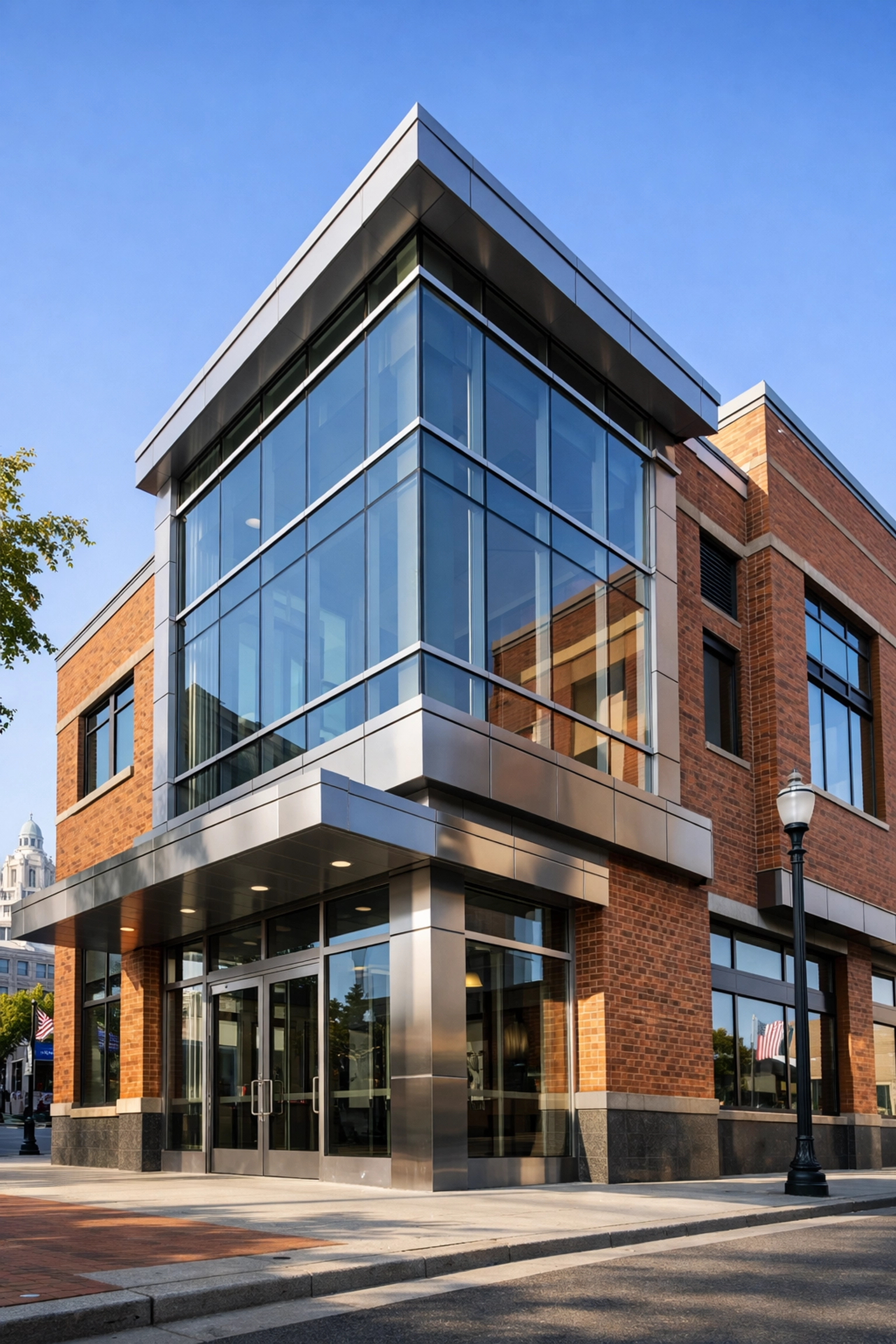
Ordinance or Law Coverage in Washington
Washington’s building codes are frequently updated to account for energy efficiency and seismic safety. When a commercial building is damaged, the owner is often required to bring the entire structure up to current municipal codes. Standard property insurance typically covers the cost to repair the building as it existed before the loss, not the additional expenses required by new laws.
Main Street America’s commercial products offer Ordinance or Law coverage, which is divided into three specific parts:
Coverage A: Loss to the Undamaged Portion of the Building. If a local ordinance requires the demolition of an undamaged portion of a building after a partial loss, this coverage accounts for the value of that undamaged section.
Coverage B: Demolition Cost. This covers the expense of tearing down and clearing away the undamaged parts of a structure when required by law.
Coverage C: Increased Cost of Construction. This is perhaps the most vital for Washington businesses. It covers the extra expenses incurred to bring the building into compliance with current codes, such as installing ADA-compliant ramps, modern fire suppression systems, or updated electrical wiring.
For more information on managing specialized risks, see our guide on electrical contractor insurance.
Environmental Risks Specific to the State of Washington
Washington’s diverse geography introduces specific property risks that vary significantly between the coastal regions and the inland areas.
Seismic Activity and Earth Movement
The Pacific Northwest is situated in a high-risk zone for seismic activity. Standard property policies typically exclude earth movement, including earthquakes and volcanic eruptions. Commercial property owners must evaluate the need for specific endorsements or separate policies to address the potential for structural damage caused by seismic events.
Flood and Heavy Rainfall
Western Washington is known for high annual precipitation levels, which can lead to localized flooding and water intrusion. It is essential to distinguish between water damage from internal plumbing failures and flood damage caused by external rising water. The latter usually requires specialized flood insurance through the National Flood Insurance Program (NFIP) or private market alternatives.
Wildfire Risks in Eastern Washington
Businesses in Central and Eastern Washington face a heightened risk of wildfire. Technical property coverage for these regions must account for smoke damage and the potential for fire to spread rapidly through rural or suburban commercial corridors. Properly maintaining defensible space around the property is a key risk management strategy for these business owners.
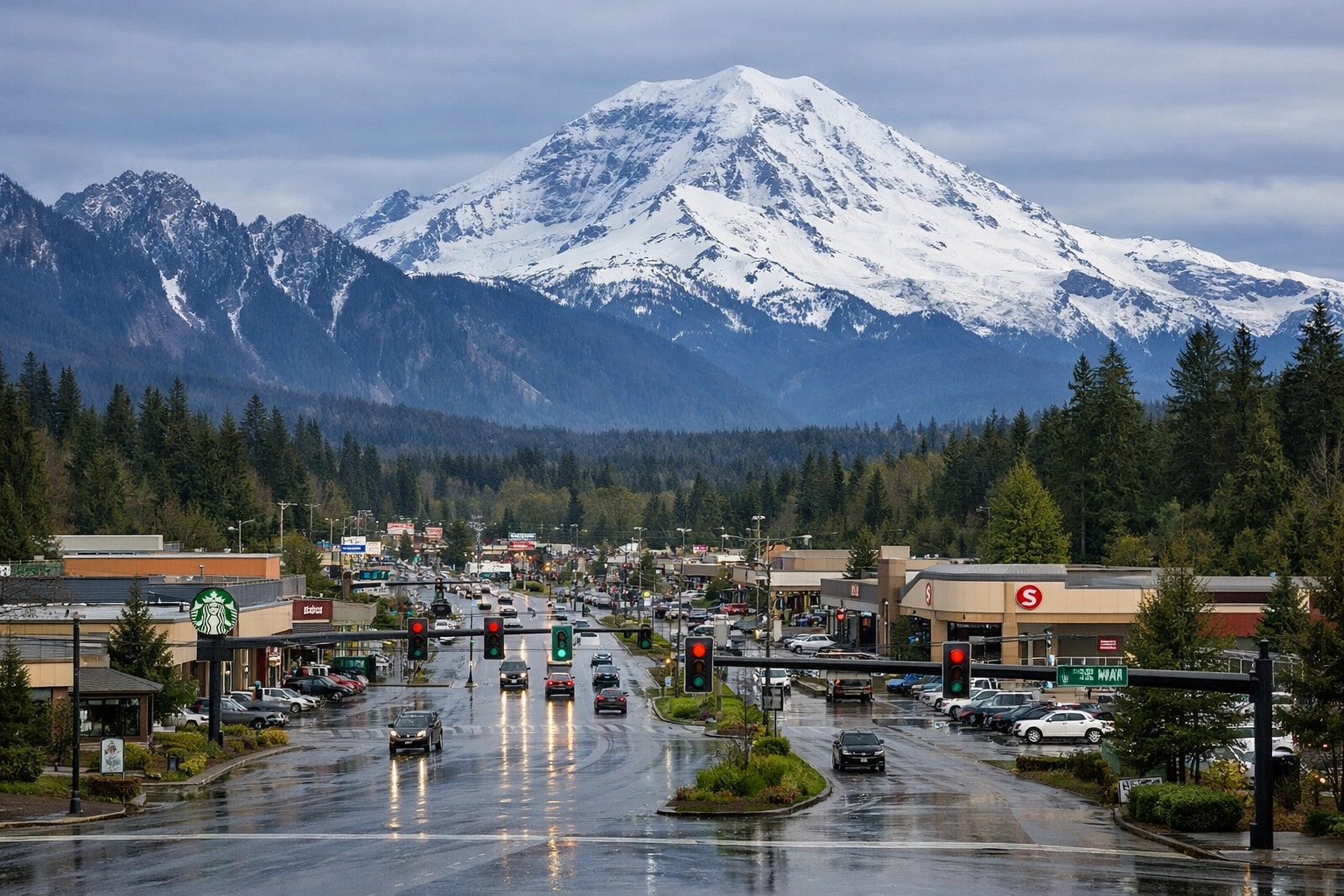
Specialized Property Enhancements for Main Street Businesses
The Main Street America commercial product line includes several technical enhancements that go beyond basic fire and wind protection. These are often bundled within a comprehensive Business Owners Policy (BOP) or added as endorsements.
Equipment Breakdown Coverage
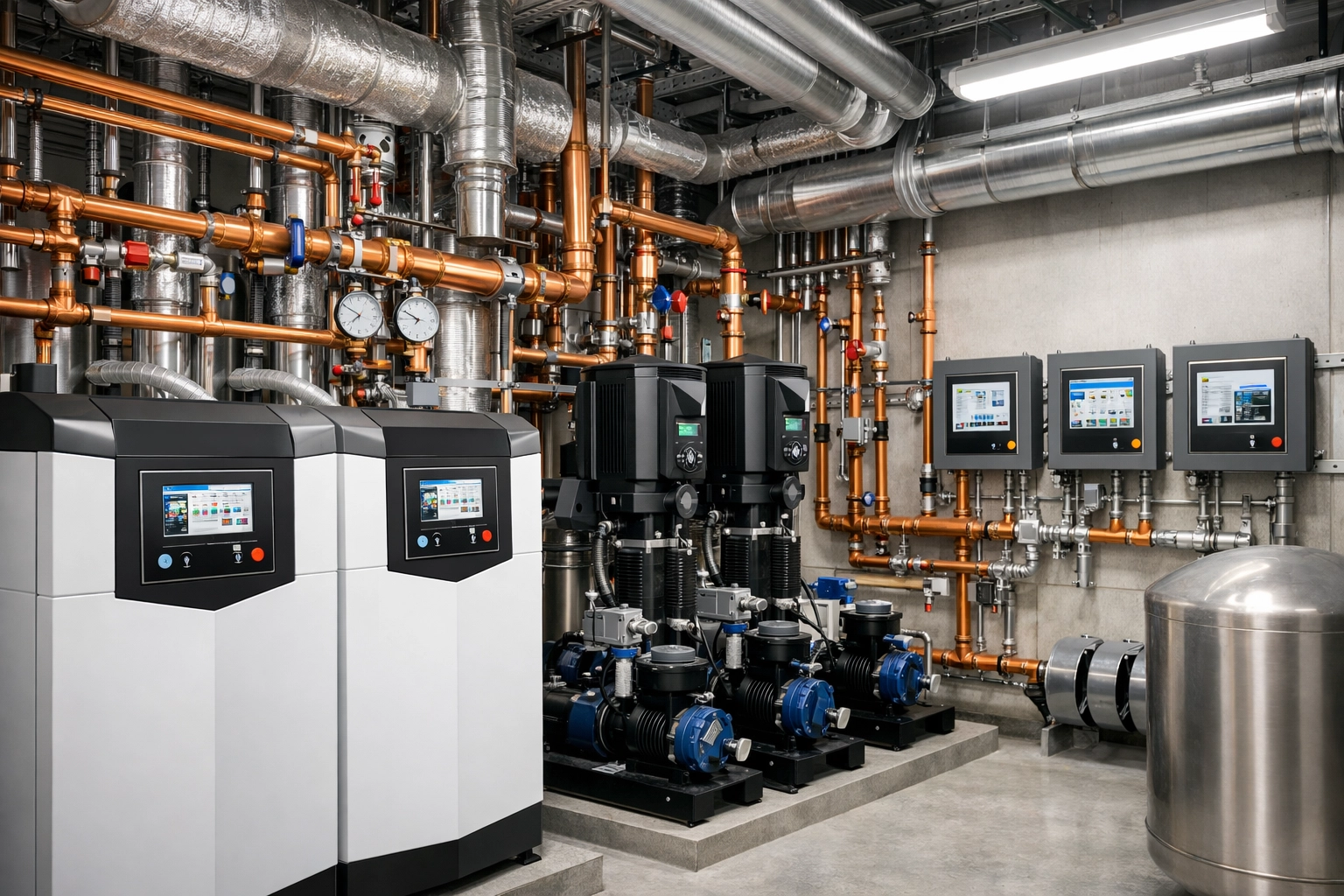
Modern businesses rely on complex mechanical and electrical systems. Equipment breakdown coverage protects against losses resulting from the sudden and accidental failure of equipment, such as HVAC systems, boilers, and specialized manufacturing machinery. This coverage is distinct from standard property insurance, which focuses on external perils.
Spoilage Coverage
For Washington’s robust hospitality and grocery sectors, spoilage coverage is a necessity. This protects perishable stock if it is damaged due to a power outage or mechanical breakdown of refrigeration equipment. This is a common requirement for the many restaurants and food service providers we serve. Learn more about regional restaurant risks in our article on multi-state restaurant management.
Business Personal Property Off-Premises
Many Washington businesses operate outside of a fixed location, whether they are contractors or professional services. Coverage for business personal property while it is in transit or at a job site ensures that tools, laptops, and specialized equipment remain protected throughout the state.
Property Security and Risk Mitigation
Insurance Alliance LLC emphasizes the importance of proactive risk management to maintain property integrity. Implementing certain technical safeguards can reduce the likelihood of a significant property loss.
Fire Suppression Systems: Regular inspection of sprinklers and extinguishers is mandatory for compliance and safety. For restaurant-specific fire safety, refer to our fire suppression and property safety audit.
Security and Surveillance: Installing UL-certified alarm systems and high-definition surveillance can deter theft and vandalism, which are increasing concerns in urban commercial centers.
Roof Maintenance: Given the heavy snowfall in the Cascades and constant rain in the Puget Sound, regular roof inspections are vital to prevent collapses or slow-leak water damage. For roofing-specific insights, see our roofing contractor insurance guide.
Tenant Improvements and Betterments
For Washington business owners who lease their space, "Tenant Improvements and Betterments" (TIB) is a critical coverage area. When a tenant installs permanent fixtures: such as custom flooring, lighting, or partitions: these become part of the building. However, the tenant has a financial interest in them.
Main Street America’s commercial policies allow tenants to insure these improvements as part of their business personal property. This ensures that if the building is damaged, the tenant is compensated for the specialized upgrades they funded, rather than relying solely on the landlord's building policy.
The Importance of Accurate Square Footage and Construction Class
Valuing a property correctly requires precise data. In Washington, construction classes range from ISO Class 1 (Frame) to ISO Class 6 (Fire Resistive). The materials used in a building: whether it is timber frame, masonry, or reinforced concrete: directly impact how the property is underwritten.
Insurance Alliance LLC assists Washington business owners in identifying their building’s construction class to ensure that the property insurance limits are appropriate for the structure's physical characteristics. Misrepresenting construction materials or square footage can result in co-insurance penalties, where the policyholder is required to share a portion of the loss because the property was underinsured.
Debris Removal and Site Cleanup
In the aftermath of a major property loss, the cost of clearing the site can be substantial. Many standard policies provide a limited sub-limit for debris removal. For businesses in densely populated Washington cities, the logistical challenges of removing debris: especially if hazardous materials like asbestos are involved: can exceed these basic limits. Technical property coverage ensures that debris removal limits are sufficient to clear the site for rebuilding.
Why Technical Expertise Matters in Washington
The commercial landscape in Washington is shifting toward more complex building designs and stricter environmental regulations. Working with an agency that understands the technical nuances of Main Street America's commercial line allows business owners to focus on their operations while maintaining robust property protection.
Insurance Alliance LLC provides professional guidance on building valuation, ordinance compliance, and regional risk factors. By focusing on technical accuracy and comprehensive coverage structures, we help Washington businesses maintain stability in an ever-changing environment.
For further details on commercial protection and industry-specific regulations, visit our blog-posts-sitemap.xml.
Insurance Alliance LLC Washington Office Professional Insurance Solutions

Comments