
Do You Really Need Flood Insurance? Why Florida Businesses are Choosing Faster Disaster Recovery Solutions
Florida businesses operate in a unique geographical environment where water is both a primary asset and a significant technical risk. The state's low elevation and extensive coastline create a complex hydrological profile that necessitates a deep understanding of flood insurance and disaster recovery strategies. For business owners, especially those in the hospitality sector, traditional coverage often leaves gaps that require specialized solutions to ensure continuity.
Technical Flood Risk Assessment in Florida
Understanding flood risk in Florida requires more than a cursory glance at a FEMA map. The technical reality of the state’s topography involves a delicate balance between surface water, groundwater levels, and the porous limestone bedrock that characterizes much of the peninsula.
The Limitation of FEMA Flood Zones
FEMA designates various zones to categorize flood risk. Special Flood Hazard Areas (SFHAs), such as Zones A and V, carry a mandatory requirement for flood insurance for businesses with federally backed mortgages. However, a significant portion of flood claims occurs in Zone X, which is often perceived as a low-risk area.
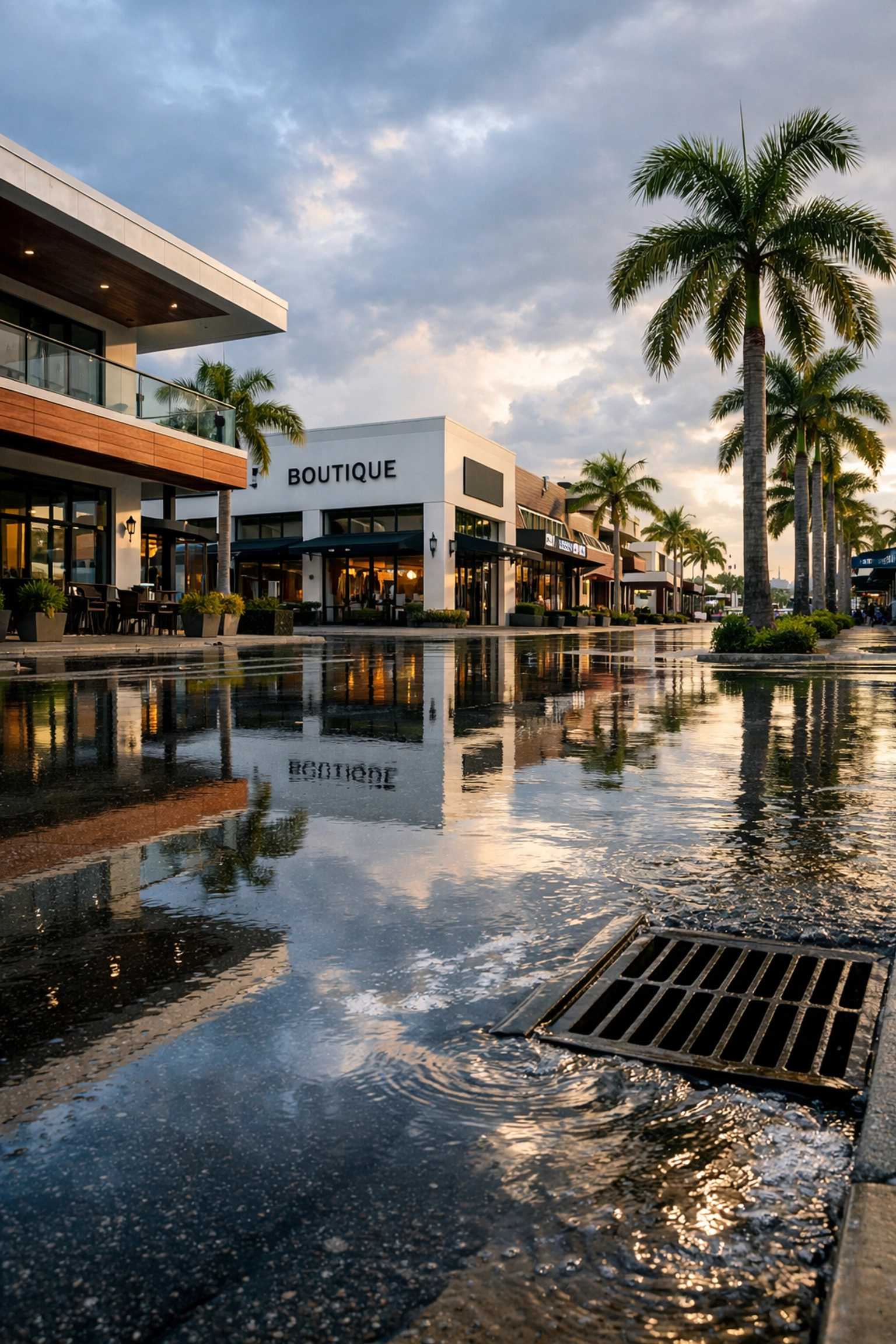
The technical reason for this discrepancy lies in the increasing frequency of extreme precipitation events. Urbanization and the expansion of impervious surfaces: like parking lots and building footprints: disrupt natural drainage patterns. When heavy rainfall exceeds the capacity of municipal stormwater systems, "pluvial flooding" occurs. This type of flooding happens regardless of proximity to a traditional body of water, making flood insurance a critical consideration for every Florida commercial property.
Hydrological Factors and Soil Saturation
Florida’s high water table means the ground reaches saturation quickly during the hurricane season and afternoon thunderstorms. Once the soil is saturated, additional rainfall becomes immediate runoff. In many parts of the state, the limestone substrate allows for "seepage flooding," where rising groundwater enters basements or crawlspaces from below. This subterranean pressure can cause structural damage that is not always immediately visible but compromises the long-term integrity of the building.
Florida Restaurant Insurance and Vulnerability
The restaurant industry is particularly susceptible to the aftermath of a flood. For those seeking florida restaurant insurance, flood coverage is a distinct and necessary component of a comprehensive risk management plan.
Equipment and Health Code Compliance
Commercial kitchens house specialized equipment that is sensitive to moisture and contaminants found in floodwaters. Even a few inches of water can ruin expensive refrigeration units, ovens, and grease traps. Furthermore, health department regulations in Florida are stringent regarding water damage. Any porous surface, including drywall and wooden cabinetry, that comes into contact with floodwater must often be replaced to prevent mold growth and ensure a sanitary environment.
Business Interruption and Recovery Timelines
For a restaurant, every day the doors are closed results in a permanent loss of revenue. Traditional insurance policies often involve lengthy adjustment periods where adjusters must verify every damaged item and estimate repair costs. During this time, fixed costs like utilities and key staff retention continue to accrue. This is where the concept of disaster recovery shifts from mere indemnification to immediate liquidity.
The Role of Recoop Disaster Insurance in Modern Recovery
As Florida businesses face more frequent weather events, the limitations of traditional reimbursement models become apparent. Many business owners are turning to Recoop Disaster Insurance to fill the gaps left by standard policies.
Lump-Sum Benefit Mechanism
Unlike traditional flood insurance, which pays based on the depreciated value of specific items or actual repair costs, Recoop provides a pre-determined lump-sum benefit. Once a disaster is declared and the criteria are met, the payment is triggered. This avoids the traditional, time-consuming claims adjustment process.
For a Florida business, this lump sum is versatile. It can be used for:
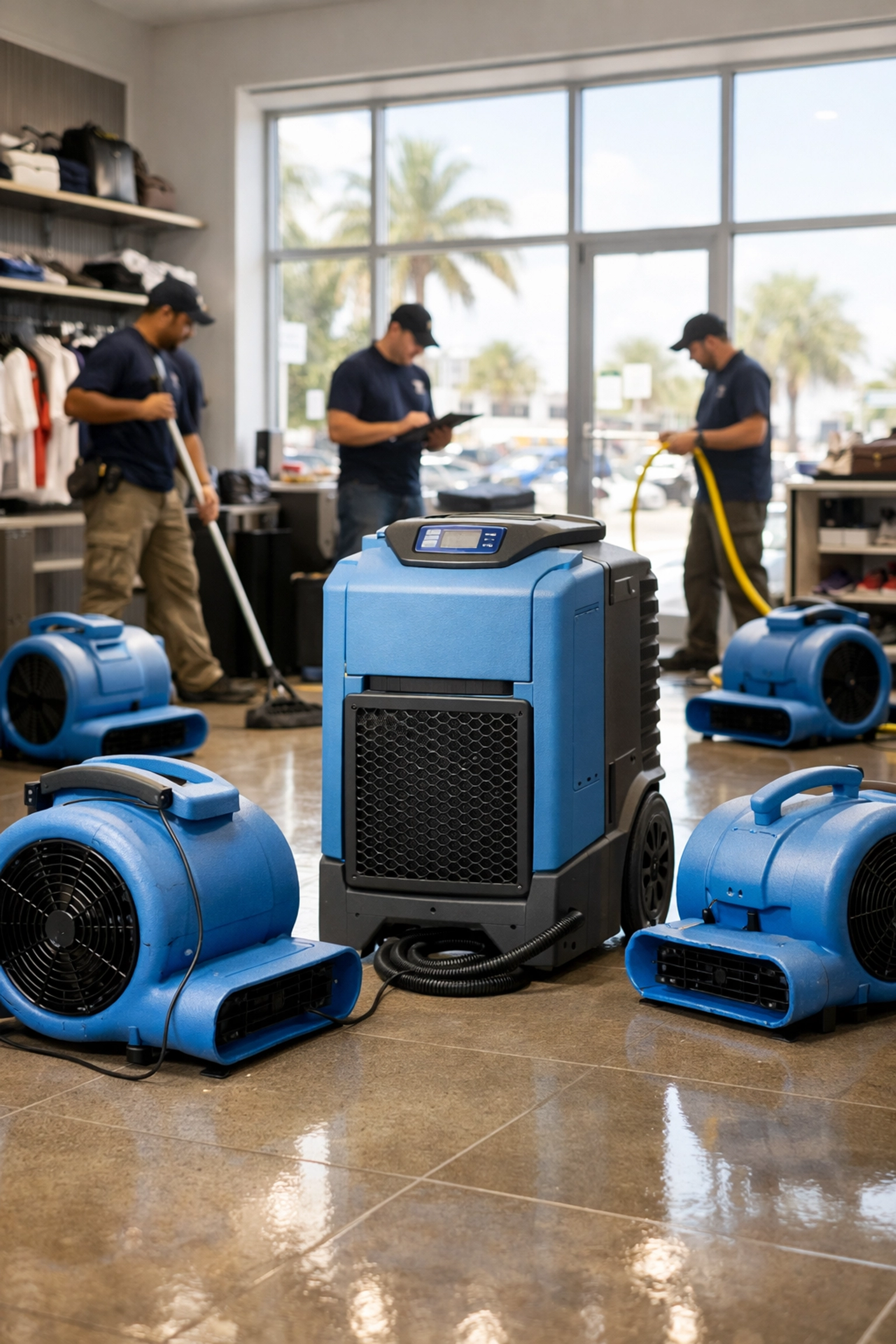
Immediate debris removal and professional drying services.
Retention of key employees during a temporary closure.
Replacing lost inventory that may not be fully covered under other policies.
Addressing the "deductible gap" found in many commercial property policies.
Speed as a Risk Mitigation Tool
In disaster recovery, speed is the most critical factor. The faster a business can initiate cleanup, the lower the risk of secondary damage like mold or structural rot. Recoop’s focus on rapid disbursement allows business owners to hire contractors and secure materials before the local market becomes saturated with demand following a regional event.

Technical Impact of Water on Commercial Structures
Floodwater is rarely "clean." It carries silt, chemicals, and biological contaminants. When this water enters a commercial building, it interacts with the materials in ways that require technical remediation.
Hydrostatic Pressure and Foundations
Rising water levels exert hydrostatic pressure against foundation walls. If the water inside the building does not rise at the same rate as the water outside, the pressure imbalance can cause walls to buckle or foundations to shift. Professional disaster recovery plans often include structural assessments to ensure the building remains safe for occupancy after the water recedes.
Electrical and Mechanical Systems
Floodwater is highly corrosive to electrical systems. Submerged conduits, outlets, and panels must be inspected by a professional, such as an electrical contractor, to prevent fire hazards and ensure system reliability. Similarly, HVAC systems located at ground level are prone to damage that can spread contaminants throughout the building if not properly addressed.
Comprehensive Risk Management for Florida Businesses
Relying on a single insurance policy is rarely sufficient for a complex risk environment like Florida. A multi-layered approach provides the most robust protection.
Layering Primary and Supplemental Coverage
A standard commercial property policy generally excludes flood. Therefore, a primary flood policy is the first layer of defense. However, because these policies have specific limits and exclusions, supplemental disaster recovery solutions like Recoop act as a secondary, flexible layer. This ensures that the immediate cash flow needs of the business are met while the larger property claim is being processed.
Documenting and Mitigating Risk
Insurance Alliance LLC assists businesses in identifying these technical vulnerabilities. Proper risk management involves:
Elevation Certificates: Maintaining up-to-date documentation to accurately reflect the building's height relative to base flood elevations.
Dry Floodproofing: Installing permanent or removable barriers to prevent water entry into critical areas.
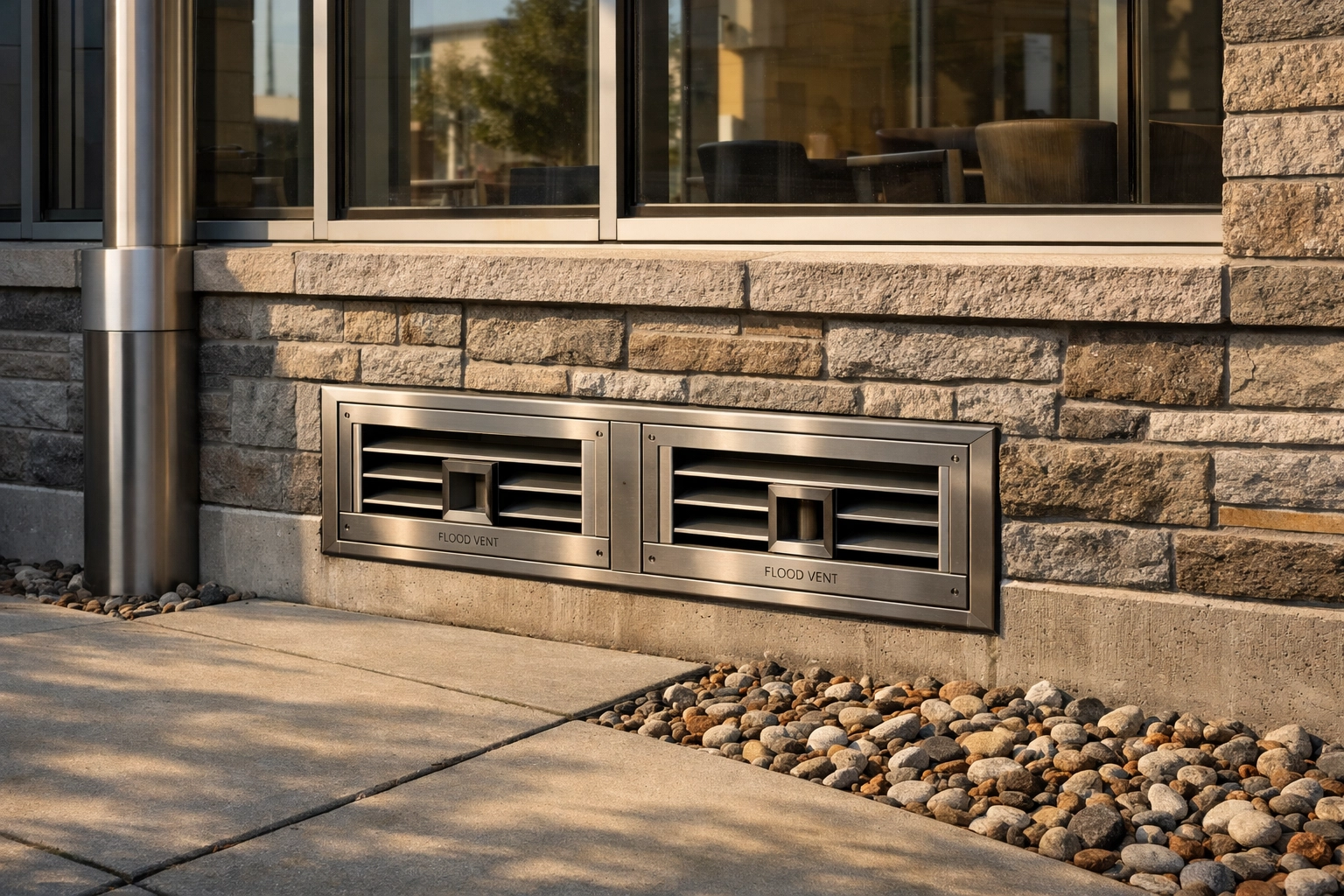
Wet Floodproofing: Modifying the structure to allow water to flow through uninhabited portions, reducing structural pressure.
The Importance of Professional Guidance
Navigating the technicalities of flood risk and the nuances of different recovery products requires expertise. Florida’s regulatory and environmental landscape is constantly shifting, and business owners must remain proactive to protect their assets.
For owners of commercial properties, including those in the landlord and habitational insurance space, understanding how different coverages interact is essential. A flood event affecting a multi-unit property involves not just structural repair but also tenant displacement and loss of rental income issues.
Integrating Specialized Solutions
Whether your business requires roofing contractor insurance to protect against overhead leaks or a specialized dental office policy to protect high-tech medical equipment, the underlying threat of flood remains a constant in Florida. Disaster recovery planning must be integrated into every aspect of the business operation.
Insurance Alliance LLC provides the professional insight needed to evaluate these risks. By focusing on technical assessments and innovative recovery tools like Recoop, businesses can move beyond simple "insurance" and toward true resilience.
Strategy for Long-Term Business Continuity
A business continuity plan is a living document. It should be reviewed annually, particularly before the start of the Atlantic hurricane season. This review should include a technical audit of the physical premises and a deep dive into the current recovery portfolio.
Key Components of a Florida Continuity Plan:
Data Redundancy: Ensuring all financial and operational records are stored off-site or in a cloud-based environment.
Supply Chain Diversification: Identifying alternative suppliers for critical inventory in case local routes are blocked.
Emergency Capital Access: Ensuring immediate access to funds, such as the lump-sum benefits provided by Recoop, to cover the first 30 days of recovery.
Communication Protocols: Establishing a clear chain of command and methods for reaching employees and customers during a power outage or displacement.
Florida businesses are resilient by nature, but that resilience is bolstered by technical preparation and the right strategic partnerships. Understanding that flood risk is a matter of "when" rather than "if" allows for a more rational and effective approach to disaster recovery.
Insurance Alliance LLC remains a dedicated resource for Florida business owners. Our focus is on providing the technical clarity and professional guidance necessary to navigate the complexities of flood risk and disaster recovery.
Insurance Alliance LLC Kevin Barquest, Owner and President https://www.theinsalliance.com/


Comments