
10 Reasons Your Restaurant Safety Plan Might Be Failing (And How to Prevent Major Claims)
Operating a restaurant involves managing high-frequency risks and complex operational hazards. A comprehensive safety plan serves as the foundation for risk mitigation, yet many establishments struggle with implementation and consistency. Failure to maintain rigorous safety standards leads to increased exposure under general liability and workers comp. Insurance Alliance LLC provides this guide to help restaurant owners identify critical gaps in their safety protocols.
The Critical Role of Restaurant Safety in Risk Management
Restaurant insurance encompasses various coverages designed to protect the business from unforeseen events. General liability protects against third-party injuries and property damage, while workers comp covers employees who suffer work-related injuries or illnesses. A failing safety plan directly increases the probability of incidents that trigger these coverages.
Effective risk management requires more than a written manual. It necessitates a culture of safety that permeates every level of the organization. When a safety plan fails, the consequences extend beyond financial loss to include reputational damage and regulatory penalties.
1. Improper Temperature Control
Food safety is a primary pillar of any restaurant safety plan. Bacteria thrive in the temperature danger zone between 40°F and 140°F. When food remains in this range for extended periods, the risk of foodborne illness increases significantly. This risk directly impacts general liability exposure.
Detection and Monitoring
Many safety plans fail because they rely on infrequent or manual temperature checks. Refrigeration units can fail between scheduled inspections. Inaccurate thermometers lead to a false sense of security. Establishments must verify temperatures at multiple stages: delivery, storage, preparation, and service.
Corrective Actions
Implement continuous monitoring systems with automated alerts.
Calibrate all manual thermometers daily using the ice-point method.
Document temperature logs every four hours.
Train staff to reject deliveries that arrive outside of safe temperature ranges.
2. Poor Food Storage Practices
Improper storage leads to cross-contamination and spoilage. A safety plan that lacks specific storage hierarchies is prone to failure. Raw proteins stored above ready-to-eat foods create a direct path for pathogens to contaminate finished dishes.
Storage Hierarchy and Organization
Safety plans must mandate the "First In, First Out" (FIFO) method to ensure product rotation. Shelving must be organized to prevent drippage. Raw poultry should always occupy the lowest shelves, followed by ground meats, then whole cuts of beef or pork, with prepared foods at the top.
Maintaining Storage Integrity
Ensure all shelving is at least six inches off the floor to allow for cleaning and pest inspection.
Use food-grade containers with tight-fitting lids.
Label every item with the date of preparation and the expiration date.
Monitor dry storage areas for humidity and temperature consistency.
3. Inadequate Employee Hygiene
Human error and poor hygiene remain leading causes of safety failures. Even the most robust restaurant insurance policy cannot replace the need for disciplined hygiene practices. When employees fail to wash their hands or report illnesses, they become vectors for disease.
Handwashing Protocols
Handwashing is the most effective defense against cross-contamination. Safety plans often fail by not providing enough handwashing stations or failing to enforce the duration of the wash. Employees must wash hands after handling raw meat, touching their face, using the restroom, or switching tasks.
Health Reporting Policies
Establish clear policies requiring employees to report symptoms of vomiting, diarrhea, jaundice, or sore throat with fever. Preventing ill employees from entering the kitchen is a critical step in maintaining general liability standards. Refer to the Insurance Alliance LLC blog for further insights into operational risk management.
4. Pest Infestations
Pests carry pathogens and compromise the structural integrity of the facility. A safety plan that ignores pest management is incomplete. Infestations often begin in areas that are difficult to access, such as behind heavy equipment or inside floor drains.
Prevention and Sanitation
Pests require food, water, and shelter. Eliminating these sources is the most effective prevention strategy.
Seal all cracks and crevices in walls and floors.
Maintain a clean perimeter around the exterior of the building.
Keep dumpsters closed and positioned away from the entrance.
Schedule regular professional inspections and treatments.
Identifying Warning Signs
Staff must be trained to recognize signs of infestation, including droppings, nesting materials, and gnaw marks. Immediate reporting allows for intervention before a major incident occurs.
5. Cross-Contamination and Unsafe Food Handling
Cross-contamination occurs when pathogens are transferred from one surface or food item to another. This often happens due to shared cutting boards, utensils, or cleaning cloths. A failure in this area is a significant risk factor for general liability incidents.
Separation of Tasks
Safety plans should designate specific areas for raw protein preparation. Color-coded cutting boards (e.g., red for raw meat, yellow for poultry, green for produce) provide a visual cue for staff to follow.
Sanitization of Contact Surfaces
All food-contact surfaces must be cleaned and sanitized every four hours during continuous use. Sanitizer buckets must be maintained at the correct concentration and tested frequently with chemical test strips.

6. Inadequate Equipment Maintenance
Kitchen equipment operates under extreme heat and heavy use. Malfunctioning equipment poses risks to both food safety and employee physical safety. For example, a fryer with a faulty thermostat can lead to oil fires, while a walk-in cooler with a failing compressor can lead to mass food spoilage.
Preventive Maintenance Schedules
A successful safety plan includes a calendar for routine maintenance.
Clean hood filters weekly to prevent grease buildup.
Inspect gas lines for leaks.
Service HVAC and refrigeration systems quarterly.
Sharpen knives regularly to reduce the force required for cutting, which helps prevent slips and injuries covered by workers comp.
Electrical Safety
Frayed cords and overloaded circuits are common hazards in older commercial kitchens. Ensure all electrical work is performed by licensed professionals. For related coverage information, view our electrical contractor resource page.
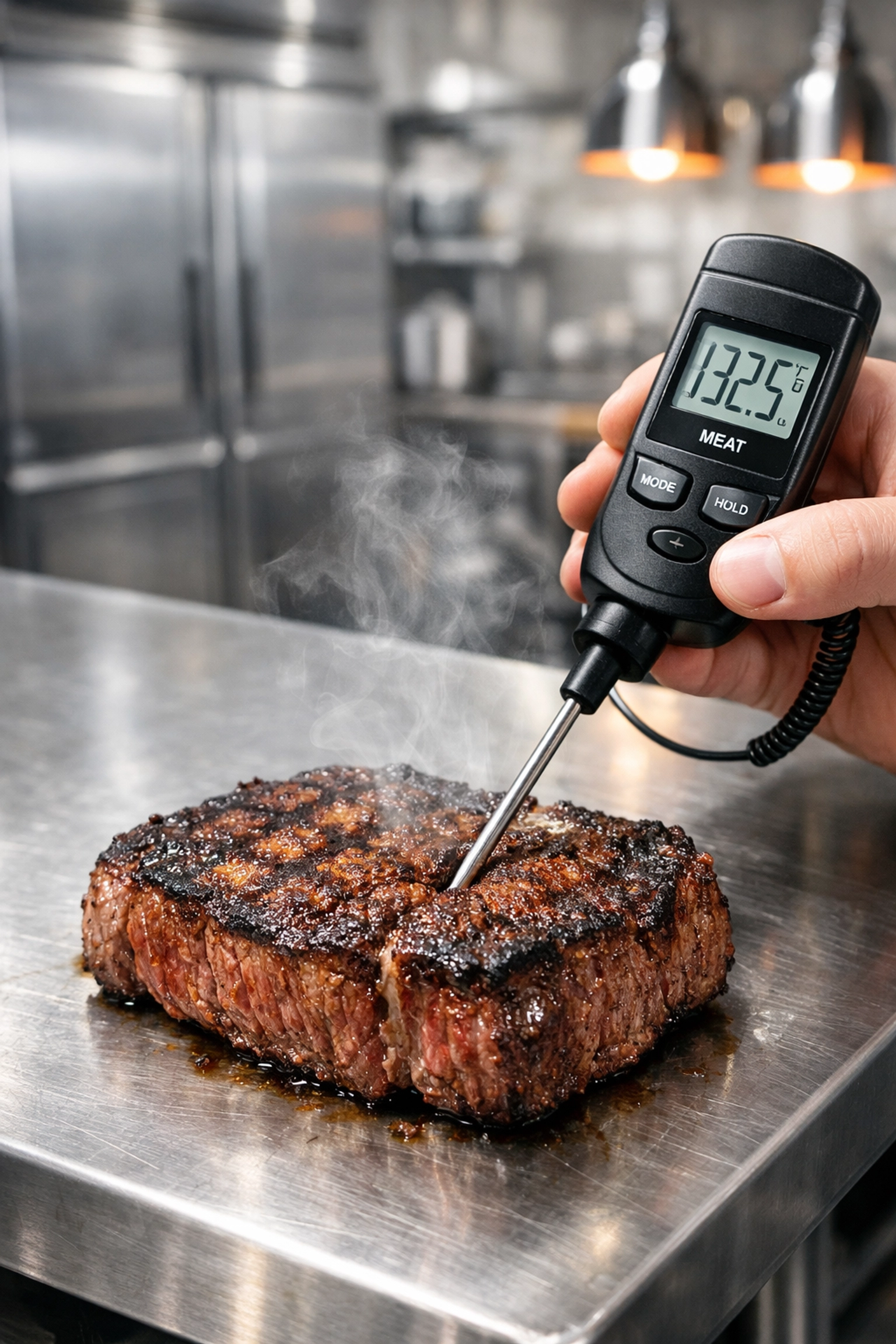
7. Failure to Use Food Thermometers Properly
Verifying internal temperatures is the only way to ensure that food is safe for consumption. Relying on visual cues, such as the color of the meat or the clarity of juices, is insufficient and dangerous.
Training on Thermometer Placement
Employees must know where to insert the thermometer probe to get an accurate reading. For thick cuts, the probe should enter the thickest part. For thin items like burgers, the probe may need to be inserted sideways.
Calibration Requirements
Thermometers that are dropped or subjected to extreme temperature changes can lose accuracy. The safety plan should require daily calibration logs to prove that all devices are functioning within a two-degree variance.
8. Incomplete or Inaccurate Recordkeeping
In the event of a regulatory inspection or an incident, documentation serves as proof of due diligence. Many safety plans fail because recordkeeping is viewed as a secondary task rather than a primary responsibility.
Essential Logs for Restaurants
Temperature Logs: Documenting storage and cooking temperatures.
Cleaning Logs: Verifying that daily, weekly, and monthly tasks are completed.
Training Logs: Recording which employees attended safety meetings and food handler certifications.
Waste Logs: Tracking discarded food to identify patterns of spoilage.
Moving to Digital Systems
Manual logs are prone to "ghost-writing," where staff fill out the log for the entire day at once. Digital systems with time-stamped entries and automated sensors improve the accuracy and reliability of your documentation.
9. Poor Cleaning and Sanitization
Cleaning removes visible soil, while sanitizing reduces pathogens to safe levels. A failure to perform both steps correctly leaves the facility at risk. Many restaurants use the wrong concentration of chemicals or fail to allow for proper "dwell time."
Chemical Safety and Storage
Chemicals used for cleaning must be stored away from food and food-contact surfaces. They should be clearly labeled and accompanied by Safety Data Sheets (SDS). Proper training on chemical usage prevents chemical contamination of food and skin irritations for employees, reducing workers comp risks.
Deep Cleaning Protocols
Standard daily cleaning often misses high-touch areas like light switches, door handles, and the undersides of tables. A comprehensive safety plan includes deep-cleaning schedules for these often-overlooked zones. Establishments focusing on high-end service should review fine dining restaurant insurance requirements for specialized risk profiles.
10. Lack of Supervision and Accountability
Even the best safety plan will fail without consistent oversight. If management does not prioritize safety, staff will likely mirror that behavior. Accountability ensures that safety protocols are followed during the busiest shifts, not just when an inspector is present.
Active Managerial Control
Managers must be present on the floor to observe behaviors and correct unsafe practices in real-time. This includes ensuring that handwashing is performed correctly and that cross-contamination risks are minimized during peak hours.
Implementing Consequences and Rewards
Safety should be a key performance indicator for all staff. Recognize employees who consistently follow safety protocols and implement corrective action for those who do not. This creates a culture where safety is valued as much as speed and service.
Workers Comp and Employee Safety in the Kitchen
A significant portion of restaurant insurance claims stems from employee injuries. Kitchens are high-pressure environments filled with sharp objects, hot surfaces, and wet floors. Addressing these hazards is essential for workers comp compliance.
Slips, Trips, and Falls
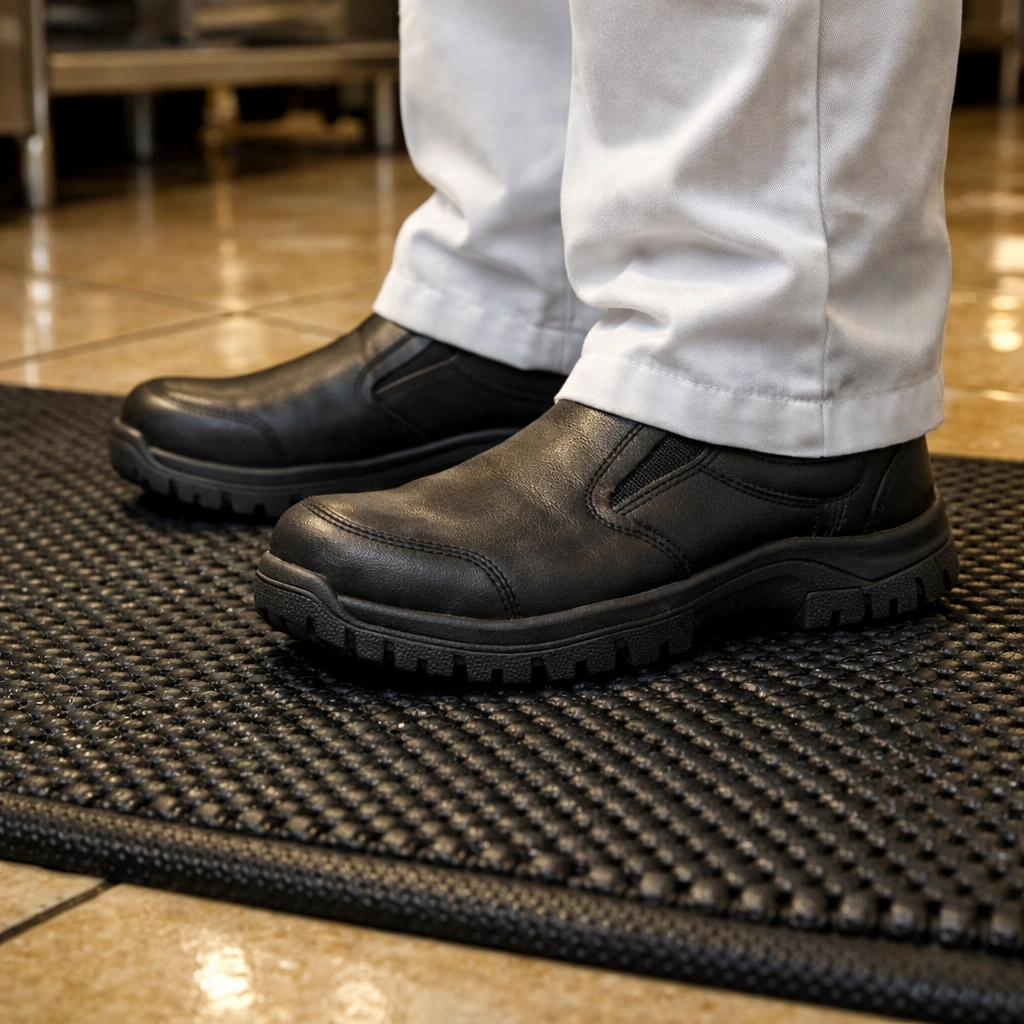
Wet floors are the leading cause of slips in restaurants. Safety plans must mandate the use of slip-resistant footwear for all employees.
Use "Wet Floor" signs immediately after spills.
Install non-slip mats in high-moisture areas like dish pits and prep lines.
Ensure all floor drains are clear and functioning.
Burn Prevention
Burns are a frequent occurrence in commercial kitchens. Proper training on the handling of hot oil and steam is vital.
Require the use of dry towels or oven mitts when handling hot pans.
Train staff on the correct way to drop food into fryers to prevent splashing.
Implement a "no-run" policy in the kitchen.
Ergonomics and Repetitive Motion
Long hours spent standing or performing repetitive cutting tasks can lead to chronic injuries. Provide anti-fatigue mats and encourage staff to take brief stretching breaks. Proper workstation height can also reduce strain on the back and shoulders.
Fire Safety and Prevention
Commercial kitchens are high-risk environments for fires. Grease buildup in exhaust systems is a primary fuel source for devastating kitchen fires.
Fire Suppression Systems
Most jurisdictions require a Class K fire extinguisher and an automatic hood suppression system. These systems must be inspected and serviced every six months by a qualified professional. Staff must be trained on how to manually activate the system and where extinguishers are located.
Grease Management
Grease is highly flammable. Safety plans must include daily cleaning of grease traps and weekly cleaning of hood filters. Professional duct cleaning should be performed at intervals determined by the volume of cooking.
The Importance of Training and Continuous Improvement
A safety plan is not a static document. It must evolve as the restaurant grows, menus change, and new equipment is introduced. Continuous training ensures that safety remains a top priority for every employee.
New Hire Orientation
Safety training should begin on day one. Every new employee must understand the restaurant's specific hazards and the protocols in place to mitigate them. This initial training sets the tone for their entire tenure.
Regular Safety Meetings
Hold brief "toolbox talks" or safety huddles before shifts. Use this time to discuss a specific safety topic, such as proper lifting techniques or the correct use of a new piece of equipment.
Self-Inspections
Conduct regular internal audits using the same criteria as health department inspectors. This helps identify issues before they lead to a failed inspection or a liability incident.
Protecting the Business Infrastructure
Beyond operational safety, restaurant owners must consider the physical security of their facility. This includes protection against natural disasters and property damage. For businesses in areas prone to water damage, flood insurance is a critical component of a comprehensive risk management strategy.
Additionally, restaurants that provide living quarters for staff or manage mixed-use properties should explore landlord and habitational insurance to ensure all aspects of the property are covered.
Conclusion: Building a Resilient Restaurant
A successful restaurant safety plan requires a combination of clear protocols, consistent documentation, and active supervision. By addressing the ten common reasons for safety failure, restaurant owners can significantly reduce their exposure to general liability and workers comp incidents.
Risk management is an ongoing process. Maintaining high standards for food safety, employee hygiene, and equipment maintenance protects not only the customers and employees but also the long-term viability of the business. Insurance Alliance LLC remains a resource for businesses seeking to understand their coverage needs and implement best practices in risk mitigation.
For more information on diverse insurance solutions, including auto insurance for delivery fleets or life insurance for business succession planning, explore our comprehensive range of services.
Insurance Alliance LLC Serving multiple states with professional insurance solutions. Contact Us Privacy Policy

Comments