
Electrical Contractor Insurance: Navigating Compliance and Safety Standards in FL, TX, and WA
- marketing676641
- Feb 26
- 8 min read
Operating an electrical contracting business requires a precise balance of technical expertise, regulatory adherence, and strategic risk management. The complexity of electrical systems, combined with the stringent safety standards enforced at state and federal levels, makes comprehensive insurance coverage a fundamental component of a stable business model. For contractors serving clients in Florida, Texas, and Washington, understanding the intersection of licensing requirements and insurance obligations is essential for maintaining operational continuity.
The Role of Commercial General Liability in Electrical Contracting
Commercial General Liability (CGL) serves as the primary layer of protection for electrical contractors. This coverage is designed to address third-party risks associated with business operations. In the electrical trade, these risks are often significant due to the nature of the work.
Bodily Injury and Property Damage
General liability coverage provides support when an electrical contractor is held responsible for bodily injury to a third party or damage to a third party's property. For example, if a visitor at a construction site is injured due to exposed wiring or if a contractor accidentally causes structural damage while installing a new electrical panel, CGL addresses these situations.
Products and Completed Operations
One of the most critical components of CGL for electricians is Products and Completed Operations coverage. Electrical work is unique in that a fault may not manifest until long after the contractor has left the job site. If a faulty connection causes damage months after a project is finalized, Completed Operations coverage is the mechanism that protects the business. Ensuring this coverage remains active and comprehensive is a key risk management strategy for Insurance Alliance LLC clients.
Commercial Auto Insurance for Mobile Operations
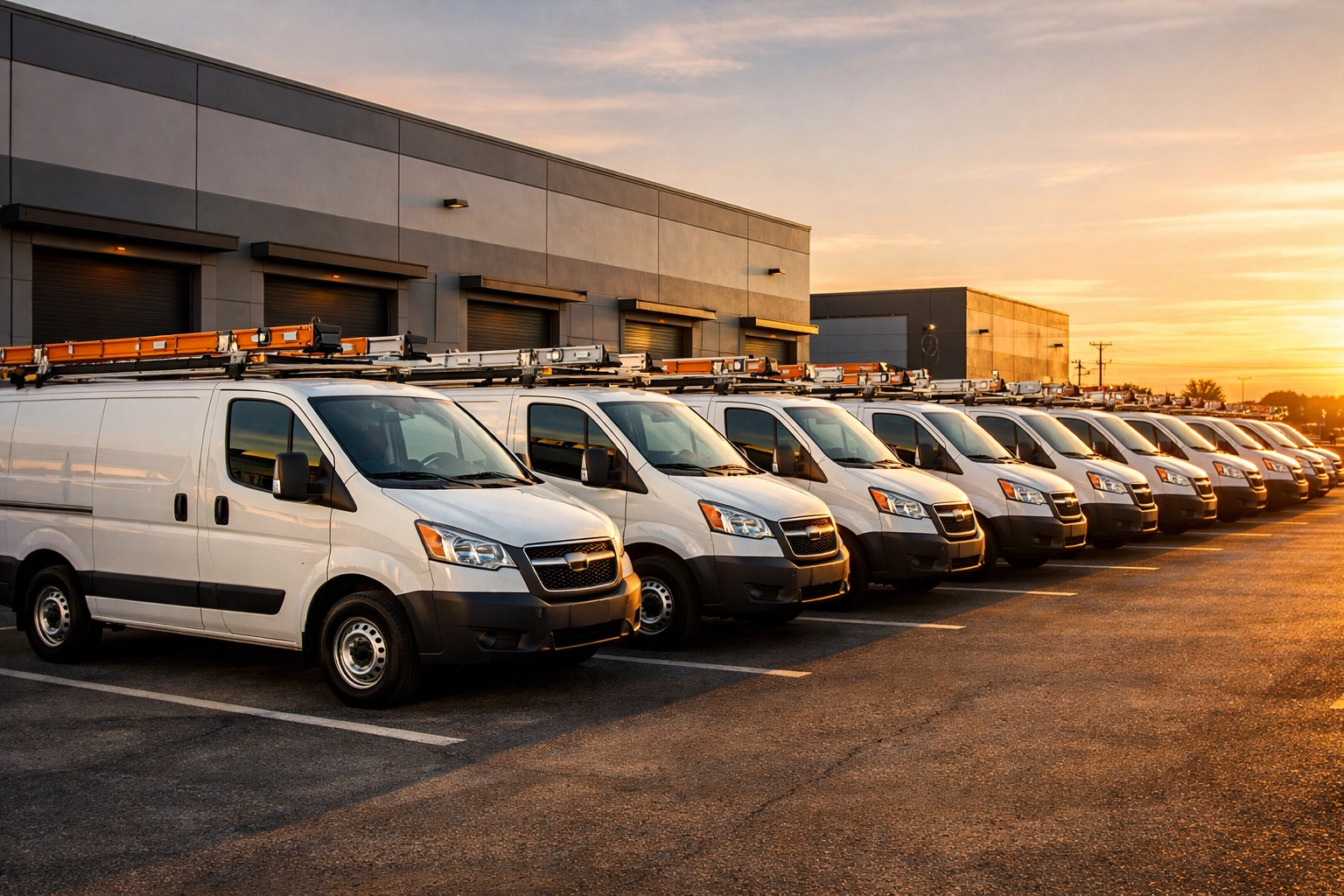
Electrical contractors are inherently mobile, utilizing fleets of vans and trucks to transport specialized tools, heavy equipment, and personnel to various job sites. Standard personal auto policies do not extend to business activities, making Commercial Auto Insurance a mandatory consideration for compliance and risk mitigation.
Scheduled and Non-Owned Auto Coverage
A robust commercial auto policy includes coverage for vehicles owned by the business as well as "hired and non-owned" vehicles. This is particularly important if employees use their personal vehicles for business errands or if the company rents additional trucks during peak seasons. Proper commercial auto alignment ensures that the business assets are protected during transit and while parked at active project locations.
Protecting the Workforce with Workers' Compensation
The electrical trade involves high-risk environments, including working at heights, in confined spaces, and in proximity to high-voltage systems. Workers' Compensation is a statutory requirement in most jurisdictions and serves to protect both the employee and the employer.
Statutory Requirements and Employer's Liability
Workers' Compensation provides medical benefits and wage replacement to employees who sustain work-related injuries or illnesses. Beyond the mandated benefits, these policies typically include Employer's Liability coverage. This protects the business if an employee alleges that the employer's negligence contributed to the injury. Maintaining active Workers' Compensation is not only a safety standard but a legal prerequisite for holding a valid contractor’s license in many states.
Inland Marine: Securing Specialized Tools and Equipment
Electrical contractors rely on expensive, specialized equipment such as thermal imagers, circuit analyzers, and power threading tools. These items are frequently moved between the warehouse and various job sites, leaving them vulnerable to theft, loss, or damage during transit.
Tools and Equipment Floaters
Standard property insurance often limits coverage to items located at the primary business address. Inland Marine insurance, specifically through a Tools and Equipment floater, provides coverage for mobile assets regardless of their location. This ensures that the essential gear required to complete a project is protected while in the field or stored in a service vehicle.
Installation Floaters
For larger projects involving the installation of high-value components like commercial generators or industrial transformers, an installation floater is often necessary. This covers the specific materials and equipment from the moment they are moved for transit until they are successfully installed and accepted by the client. This fills a critical gap in coverage during the high-risk installation phase.
Professional Liability for Electrical Design
Many electrical contractors engage in design-build projects, where they are responsible for both the engineering of the electrical system and its physical installation. In these instances, General Liability may not provide sufficient protection for errors in design or professional advice.
Errors and Omissions (E&O)
Professional Liability insurance, also known as Errors and Omissions, addresses the risks associated with design flaws, technical errors, or failure to meet professional standards. If an electrical design leads to system inefficiencies or requires a complete redesign due to code non-compliance, E&O coverage assists in managing the professional responsibility of the contractor.
Florida Regulatory Compliance and Licensing
In Florida, the electrical contracting industry is regulated by the Department of Business and Professional Regulation (DBPR) through the Electrical Contractors' Licensing Board (ECLB). Compliance with state statutes is mandatory for anyone performing electrical work.
Insurance Mandates for Florida Licenses
To maintain an active license in Florida, contractors must provide proof of specific insurance coverages. The state requires minimum levels of General Liability and Workers' Compensation. For those seeking to perform work on large-scale commercial or public projects, the coverage requirements often exceed the state minimums to satisfy the standards of business insurance protocols.
Safety Documentation and Florida Standards
Florida contractors are also expected to adhere to the Florida Building Code, which includes specific electrical standards. Maintaining detailed documentation of safety meetings and compliance checks is a vital part of risk management in the Florida market.
Texas Department of Licensing and Regulation (TDLR) Requirements
Texas operates under the authority of the Texas Department of Licensing and Regulation (TDLR) for the oversight of electrical contractors. The state enforces a clear distinction between individual licenses (Apprentice, Wireman, Journeyman, Master) and the Electrical Contractor license held by the business entity.
Business Licensing and Insurance Alignment
To obtain an Electrical Contractor license in Texas, the business must designate a Master Electrician and provide a certificate of insurance. This certificate must demonstrate that the business carries the required levels of General Liability insurance. Failure to maintain this coverage can lead to the immediate suspension of the business license, halting all active projects.
Texas Workers' Compensation Considerations
While Texas has unique laws regarding Workers' Compensation for private employers, electrical contractors are frequently required to carry it to satisfy the contractual demands of general contractors and commercial clients. Aligning insurance portfolios with these industry expectations is a primary focus for contractors working in the Texas market.
Washington State Labor & Industries (L&I) Compliance
In Washington, the Department of Labor & Industries (L&I) oversees the licensing and regulation of electrical contractors. The state has rigorous standards for both technical proficiency and financial responsibility.
Continuous Bond and Insurance Requirements
Washington requires electrical contractors to maintain a continuous surety bond and a liability insurance policy. The insurance policy must be filed directly with L&I and must include specific minimum limits for bodily injury and property damage. Washington's regulatory framework is designed to ensure that contractors are financially capable of addressing potential liabilities arising from their work.
Washington Safety and Health Administration (WISHA)
Contractors in Washington must also comply with WISHA standards, which are often more stringent than federal OSHA requirements. This includes the development of an Accident Prevention Program (APP) and regular safety training documentation, all of which are critical for maintaining a compliant and insurable operation.
Risk Management through Safety Standards: NFPA 70E
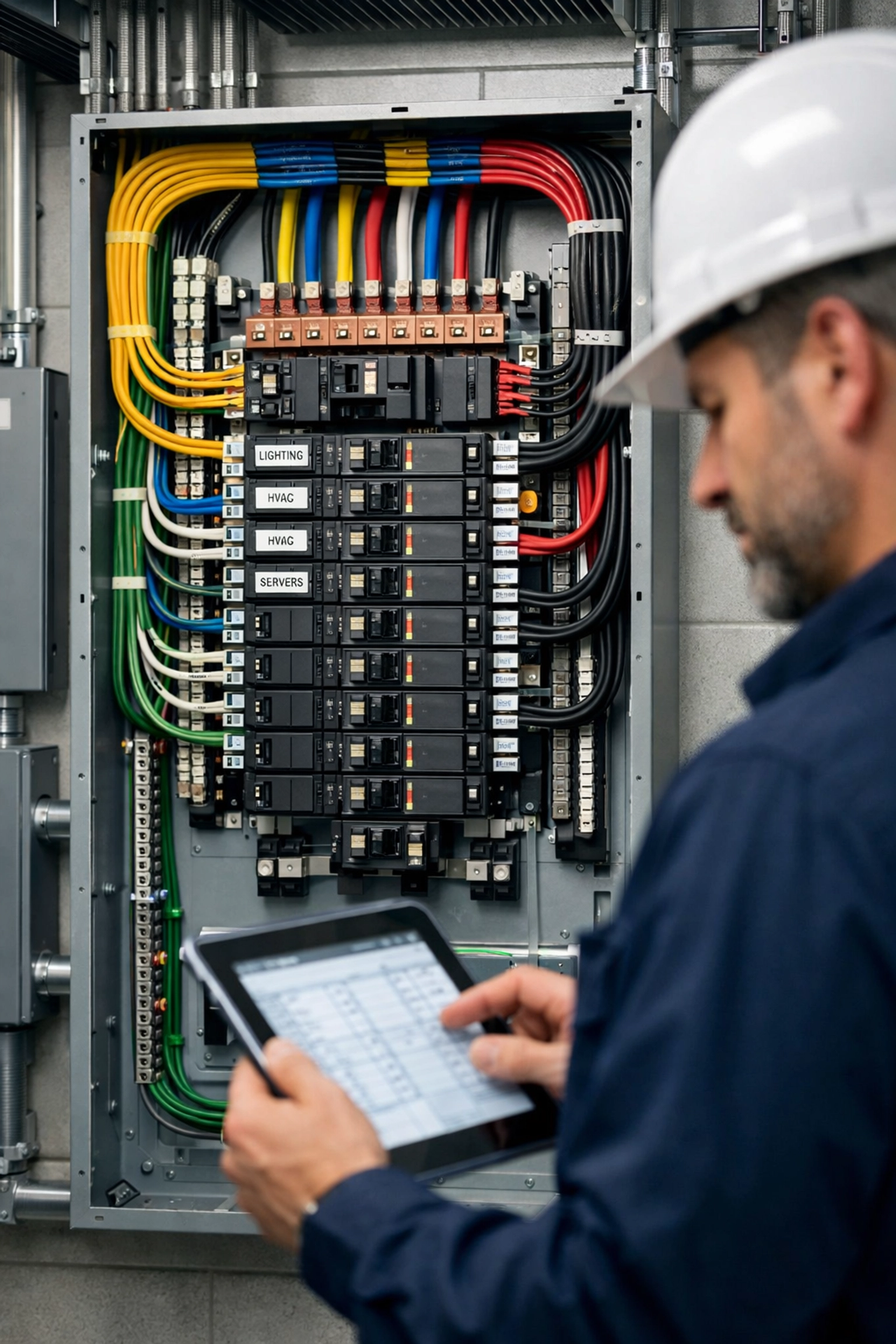
Beyond state licensing, electrical contractors must navigate national safety standards that dictate how work is performed on-site. The National Fire Protection Association (NFPA) 70E, Standard for Electrical Safety in the Workplace, is the industry benchmark for protecting workers from electrical hazards.
Arc Flash Hazards and PPE Documentation
NFPA 70E focuses on identifying and mitigating risks such as arc flash and electrical shock. Risk management involves conducting arc flash hazard analyses and ensuring that all personnel are equipped with the appropriate Personal Protective Equipment (PPE). From an insurance perspective, documenting these safety measures is essential. It demonstrates a commitment to high safety standards, which is a key factor in the overall risk profile of an electrical contracting business.
Training and Certification Records
Maintaining meticulous records of employee training and NFPA 70E certifications is a best practice for risk management. These records serve as evidence of compliance with federal safety regulations and can be instrumental during safety audits or project bidding processes.
The National Electrical Code (NEC) as a Compliance Foundation
The National Electrical Code (NEC), or NFPA 70, is the foundation for safe electrical design, installation, and inspection in the United States. Compliance with the most recent version of the NEC adopted by the state is a non-negotiable requirement for electrical contractors.
Code Compliance Audits
Frequent internal audits of work quality to ensure NEC compliance are vital for reducing the risk of "Completed Operations" issues. When work meets or exceeds the NEC standards, the likelihood of future system failures or electrical fires is significantly reduced. This adherence to technical standards is a core element of a professional contractor’s risk management strategy.
Managing Subcontractor Risk
Many electrical contractors utilize subcontractors for specialized tasks or to scale up for large projects. Managing the risk associated with these third parties is critical to protecting the primary contractor’s business.
Certificates of Insurance (COI)
Before a subcontractor begins work, the primary contractor must collect and verify a Certificate of Insurance (COI). This document should show that the subcontractor carries their own General Liability and Workers' Compensation coverage.
Additional Insured Endorsements
It is standard practice to require subcontractors to name the primary contractor as an "Additional Insured" on their liability policies. This ensures that the subcontractor’s insurance is the primary source of protection for incidents arising from their specific work, preserving the primary contractor’s own coverage limits. Detailed management of these documents is a service that Insurance Alliance LLC emphasizes for its professional clients.
Documentation and Contractual Risk Transfer
Contracts are the primary tool for defining the scope of work and the allocation of risk between parties. For electrical contractors, understanding the insurance requirements within a contract is as important as understanding the blueprints.
Indemnity Agreements
Indemnity clauses in contracts dictate who is responsible for legal costs and damages in the event of an incident. Electrical contractors should ensure that these clauses are fair and aligned with the coverage provided by their insurance policies. Properly structured contracts transfer risk to the party best equipped to manage it, which is often the party performing the specific task.
Project-Specific Safety Plans
Commercial projects often require the submission of a project-specific safety plan. This documentation outlines how the electrical contractor will manage hazards unique to that job site, such as working near high-traffic areas or managing temporary power requirements. These plans are proactive risk management tools that satisfy both client requirements and safety compliance standards.

Disaster Recovery and Business Continuity
While primary focus is often on job-site risks, electrical contractors must also consider the risks to their own business operations. Natural disasters, such as hurricanes in Florida or winter storms in Texas, can disrupt operations and damage business property.
Protecting the Business Office and Warehouse
Commercial Property insurance protects the physical assets of the business, including the office building, warehouse, and inventory of electrical components. In regions prone to severe weather, ensuring that these policies are comprehensive and reflect current replacement values is essential for business continuity.
The Role of Specialized Recovery Solutions
Innovative products like Recoop disaster insurance can provide immediate financial support following a declared disaster. This type of coverage offers a lump-sum benefit that can be used for any recovery purpose, helping an electrical contractor quickly resume operations and serve their community during the critical rebuilding phase after a catastrophic event.
Summary of Professional Coverage Alignment
For electrical contractors in Florida, Texas, and Washington, the insurance landscape is defined by a combination of state mandates, national safety codes, and contractual obligations. A professional insurance portfolio for this industry should include:
General Liability: With a focus on Products and Completed Operations.
Commercial Auto: Covering the entire mobile fleet and hired/non-owned vehicles.
Workers' Compensation: Meeting statutory requirements and protecting the workforce.
Inland Marine: Specifically for mobile tools, equipment, and installation risks.
Professional Liability: For design-build and consulting responsibilities.
Excess Liability: To provide additional limits above primary policies for high-value contracts.
By maintaining high standards for safety documentation, adhering to the NEC and NFPA 70E, and ensuring all licensing requirements are met, electrical contractors can build a resilient business. Insurance Alliance LLC remains a dedicated partner in navigating these complex requirements, providing the professional guidance necessary to maintain compliance and manage the unique risks of the electrical trade.
For more information on specialized contractor solutions, including roofing contractor insurance or general business insurance, contractors are encouraged to review the comprehensive resources available through our professional network.
Insurance Alliance LLC Professional Insurance Solutions www.theinsalliance.com


Comments