
Roofing Contractor Insurance: Managing High-Risk Operations with Comprehensive Protection
Roofing operations involve inherently high-risk environments. Technicians work at significant heights. They handle heavy materials. They operate specialized machinery. Environmental conditions change rapidly. These factors necessitate a robust insurance framework. Comprehensive coverage protects the business structure. It ensures compliance with industry regulations. It mitigates the financial impact of unforeseen incidents. Managing these risks requires a strategic approach to insurance and safety protocols.
The Foundation of General Liability Coverage
General liability insurance serves as the primary layer of protection. It addresses third-party incidents involving bodily injury and property damage. In the roofing industry, the potential for property damage is high. A dropped tool can damage a vehicle. An unsecured tarp can lead to water intrusion. General liability coverage manages these exposures.
This coverage typically includes two main components: premises operations and products-completed operations. Premises operations apply while work is in progress. If a passerby sustains an injury near a job site, this portion of the policy responds. Products-completed operations apply after the project is finished. If a roof leak occurs months after completion and damages a building interior, this coverage is essential.
Property damage coverage is specific. It encompasses the physical structure of the client. It also covers surrounding assets. Roofing contractors must ensure their limits align with the value of the properties they service. Commercial projects often require higher limits than residential work. Understanding these requirements is vital for maintaining active contracts.
Comprehensive Protection for the Workforce
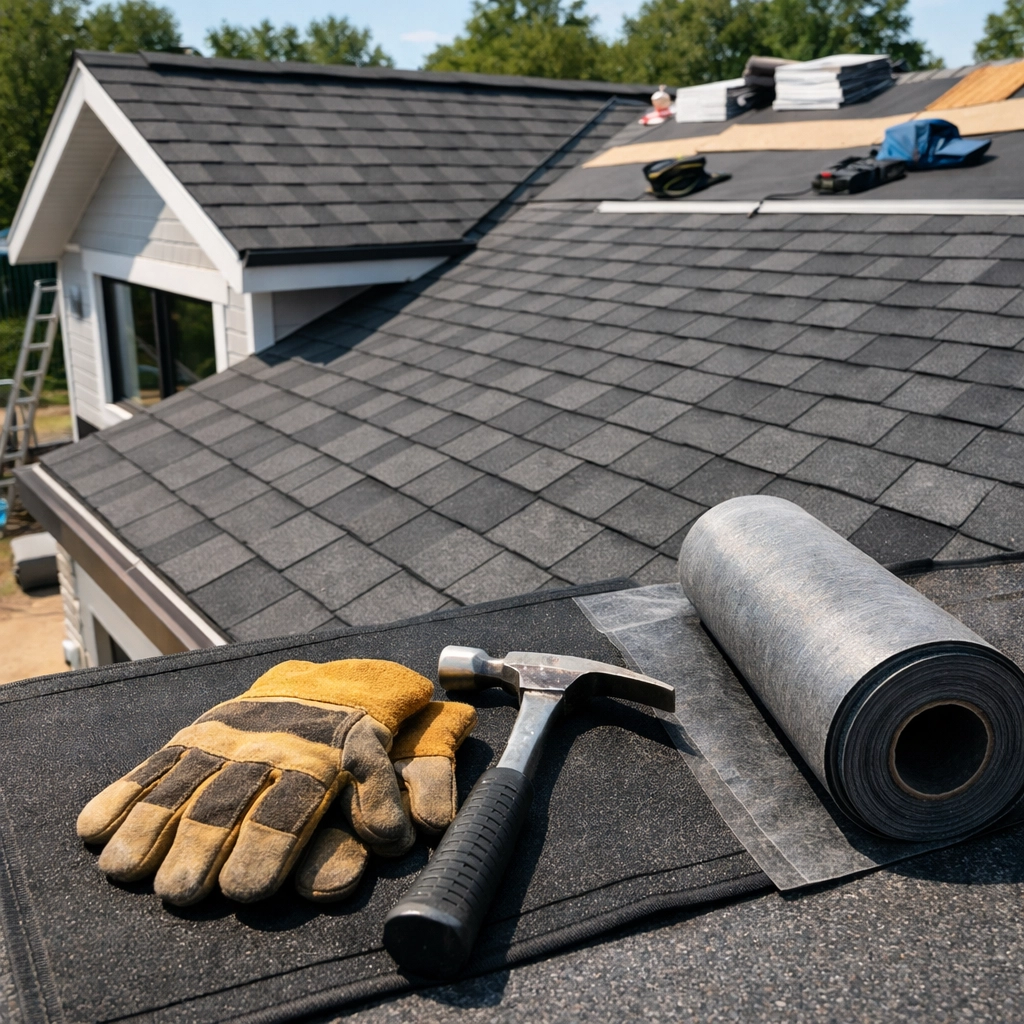
Workers' compensation insurance is a regulatory requirement for roofing businesses. The physical nature of the work presents constant hazards. Falls from elevations are a primary concern. Strains from lifting heavy shingles occur frequently. Exposure to extreme heat is a recurring risk.
This insurance provides medical benefits to employees. It supports wage replacement during recovery periods. It also includes vocational rehabilitation if an employee cannot return to their previous role. Maintaining active workers' compensation coverage is a mark of a compliant business. It demonstrates a commitment to employee welfare.
Statutory limits are the standard for workers' compensation. These limits are set by regulatory bodies. They ensure that injured workers receive standardized care. Employers' liability coverage is often bundled with workers' compensation. This provides an additional layer of protection against lawsuits related to workplace injuries.
Mobile Asset Management and Commercial Auto
Roofing contractors rely on a fleet of vehicles. These include heavy-duty trucks, trailers, and specialized lifts. Personal auto insurance does not cover business activities. Commercial auto insurance is necessary for all company-owned vehicles.
This coverage applies to accidents involving company vehicles. It protects against bodily injury to third parties. It covers damage to other vehicles or property. It also provides physical damage coverage for the contractor’s own fleet. This includes protection against theft, vandalism, and weather-related damage.
Vehicle maintenance is a component of risk management. Contractors must implement driver safety programs. They should perform regular inspections of ladders and equipment racks. Properly secured loads prevent incidents on public roads. These practices complement the commercial auto policy by reducing the likelihood of accidents.
Protecting Equipment with Inland Marine Coverage
Standard property insurance often limits coverage to a fixed location. Roofing contractors move equipment from site to site. Inland marine insurance, specifically contractors' equipment coverage, fills this gap. It protects tools and machinery while they are in transit or at a job site.
This coverage applies to a wide range of assets. It includes hand tools, power saws, and pneumatic nailers. It also covers larger machinery like conveyors and generators. If equipment is stolen from a job site or damaged during transport, inland marine coverage provides the necessary protection.
Installation floaters are a subset of inland marine insurance. They protect materials that are not yet part of the structure. For example, shingles stored on the ground before installation are covered. This ensures that the investment in materials is protected throughout the project lifecycle.
High-Limit Protection with Umbrella and Excess Liability
Standard liability policies have fixed limits. Large-scale incidents can exceed these amounts. Umbrella and excess liability insurance provide additional coverage layers. They activate when the underlying policy limits are exhausted.
Umbrella insurance offers broad protection. It often covers gaps in primary policies. Excess liability provides the same coverage terms as the underlying policy but with higher limits. For roofing contractors working on high-rise buildings or large commercial complexes, these additional layers are often a contractual requirement.
High-limit protection is a tool for risk management. It safeguards the long-term viability of the business. It allows contractors to take on larger projects with confidence. Many property management firms require proof of these higher limits before allowing a contractor onto a site. You can find more information on comprehensive business solutions at Insurance Alliance LLC Business Insurance.
Safety Protocols and Fall Protection Standards
Safety is the most effective form of risk management. Roofing contractors must adhere to strict safety protocols. Fall protection is the most critical element. This includes the use of personal fall arrest systems (PFAS). Harnesses, lanyards, and anchor points must be inspected daily.
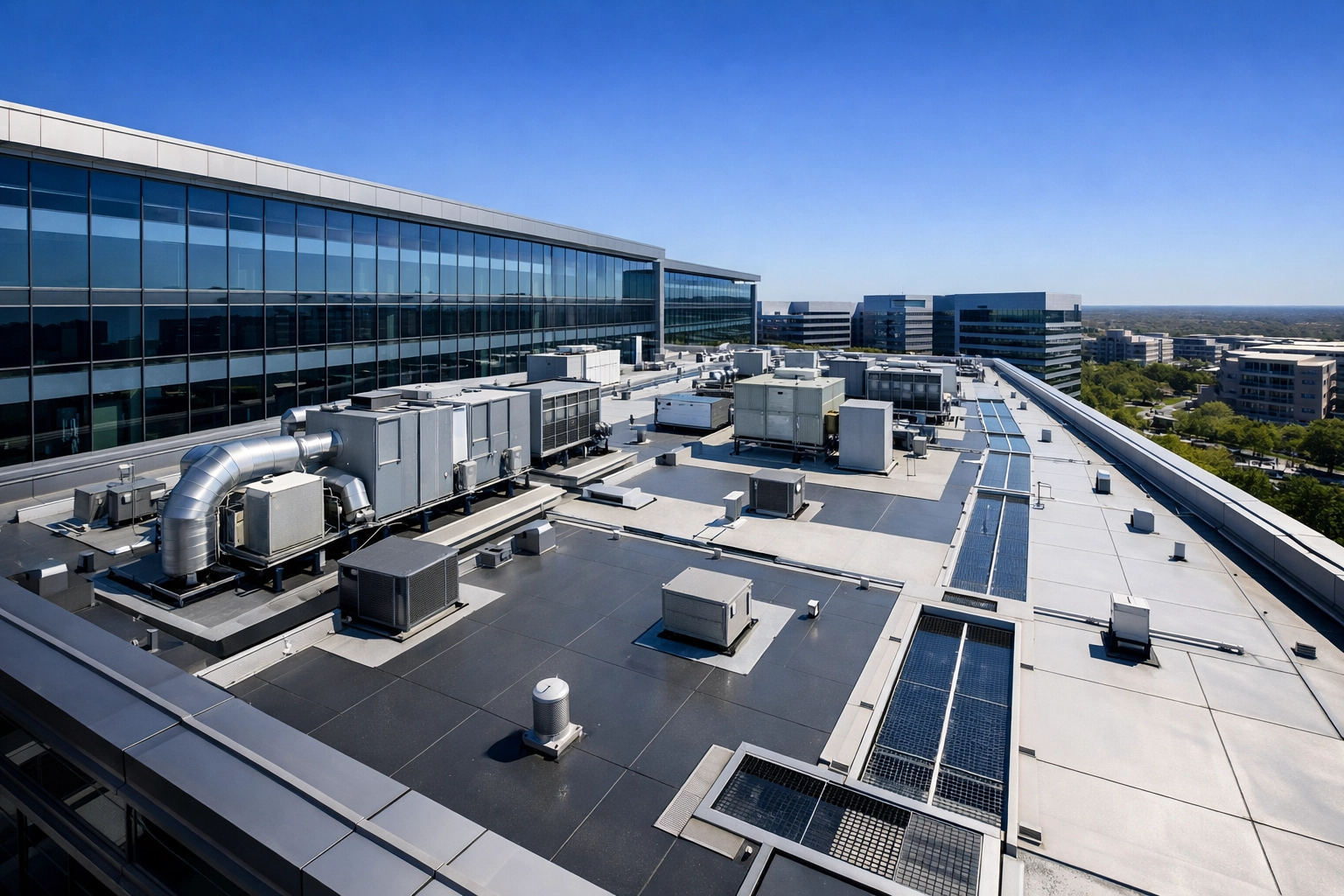
Guardrails and safety nets provide collective protection. They are used on flat roofs and in areas with high foot traffic. Warning line systems designate safe working zones. These physical barriers prevent accidental falls. Training is a continuous process. Every team member must understand how to properly use and maintain safety equipment.
Ladder safety is another priority. Ladders must be secured at the top and bottom. They should extend at least three feet above the landing surface. Technicians must maintain three points of contact at all times. Regular safety meetings, or "toolbox talks," reinforce these standards. They keep safety at the forefront of the daily operation.
Managing Subcontractor Risk and Compliance
Many roofing companies utilize subcontractors for specialized tasks. This creates a complex risk profile. The primary contractor is often held responsible for the actions of subcontractors. Effective risk transfer is necessary.
Contractors must require subcontractors to carry their own insurance. This includes general liability and workers' compensation. Certificates of Insurance (COI) must be collected and verified before work begins. The primary contractor should be named as an "Additional Insured" on the subcontractor's policy. This provides a direct line of protection.
Indemnity agreements are essential in subcontractor contracts. These legal clauses outline who is responsible for specific risks. They ensure that the subcontractor’s insurance is the primary responder for incidents caused by their work. This practice protects the primary contractor’s policy history. For more details on contractor-specific coverage, visit Roofing Contractor Insurance.
Environmental and Pollution Liability in Roofing
Roofing projects often involve materials that pose environmental risks. Adhesives, solvents, and specialized coatings can cause pollution. If these substances leak into the soil or water systems, the contractor is liable for the cleanup.
Pollution liability insurance addresses these risks. It covers the costs of remediation. It also protects against third-party claims for bodily injury or property damage caused by pollutants. This is especially relevant for commercial roofing projects involving torch-down applications or chemical-heavy systems.
Lead and asbestos are also concerns in renovation projects. Contractors must identify these materials before starting work. Proper containment and disposal methods are required. Insurance policies may have specific exclusions for these materials, so careful review of policy terms is necessary.
Professional Liability for Design-Build Projects
Some roofing contractors offer design services. They might recommend specific drainage systems or structural modifications. This introduces professional liability risk. If a design flaw leads to building damage or structural failure, standard general liability may not apply.
Professional liability insurance, or errors and omissions (E&O) coverage, addresses these risks. It protects against claims of negligence in professional advice or design work. For contractors involved in complex engineering or architectural roofing solutions, this coverage is a vital component of a comprehensive plan.
Documentation is a key risk management tool here. Detailed project plans and signed approvals protect the contractor. Clear communication regarding the limitations of a specific roofing system prevents future misunderstandings.
Disaster Recovery and Business Continuity
Roofing contractors are often the first responders after a disaster. However, their own operations are also vulnerable to natural events. Hurricanes, floods, and wildfires can disrupt the business. Ensuring continuity requires a plan and the right insurance products.
Recoop disaster insurance is a specialized tool for recovery. It provides a lump-sum benefit following a declared disaster. This immediate liquidity helps cover expenses that are not addressed by traditional property insurance. It can be used for temporary office space, equipment rental, or specialized labor.
Business interruption insurance is another layer of protection. It addresses the loss of income during a period of restoration. If a contractor’s warehouse is damaged and they cannot operate, this coverage helps manage ongoing expenses. Maintaining a digital backup of all project files and client data ensures that administrative operations can continue from any location.
Documentation and Record-Keeping for Compliance
Meticulous record-keeping is a hallmark of a professional roofing operation. It supports insurance compliance and risk management. Daily logs should detail weather conditions, safety inspections, and work performed. These records provide a factual timeline of the project.
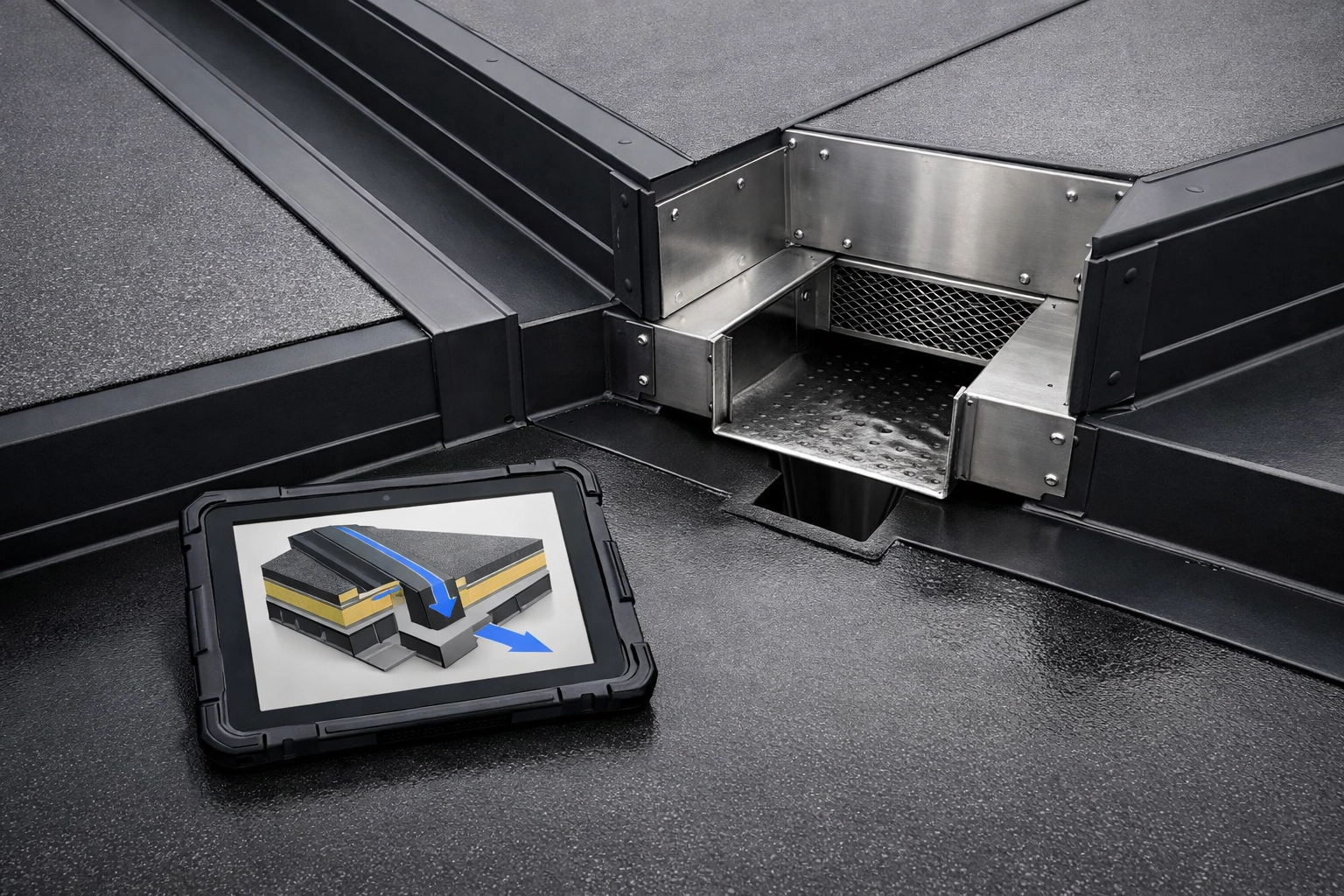
Photo documentation is highly effective. Taking photos of the roof deck before installation shows the condition of the structure. Documenting the application of flashing and underlayment proves that industry standards were met. These visuals are invaluable in resolving disputes regarding workmanship.
Insurance certificates, safety training records, and maintenance logs should be organized and accessible. This transparency builds trust with clients and insurance providers. It demonstrates a high level of operational maturity. For guidance on general contractor requirements, see The Complete Guide to General Contractor Insurance.
Weather Monitoring and Site Preparation
Weather is the most unpredictable variable in roofing. Rain, wind, and lightning pose immediate threats to safety and property. Contractors must monitor weather forecasts constantly.
Site preparation is key to mitigating weather risks. If rain is expected, the roof must be "dried-in" or covered with high-quality tarps. Wind-uplift protection is necessary for materials stored on the roof. In high-wind areas, securing loose items prevents them from becoming projectiles.
Lightning safety protocols require crews to evacuate the roof immediately when a storm approaches. Metal tools and heights increase the risk of a strike. Establishing a clear policy for work suspension due to weather protects the team and the client’s property.
Fire Safety in Roofing Operations
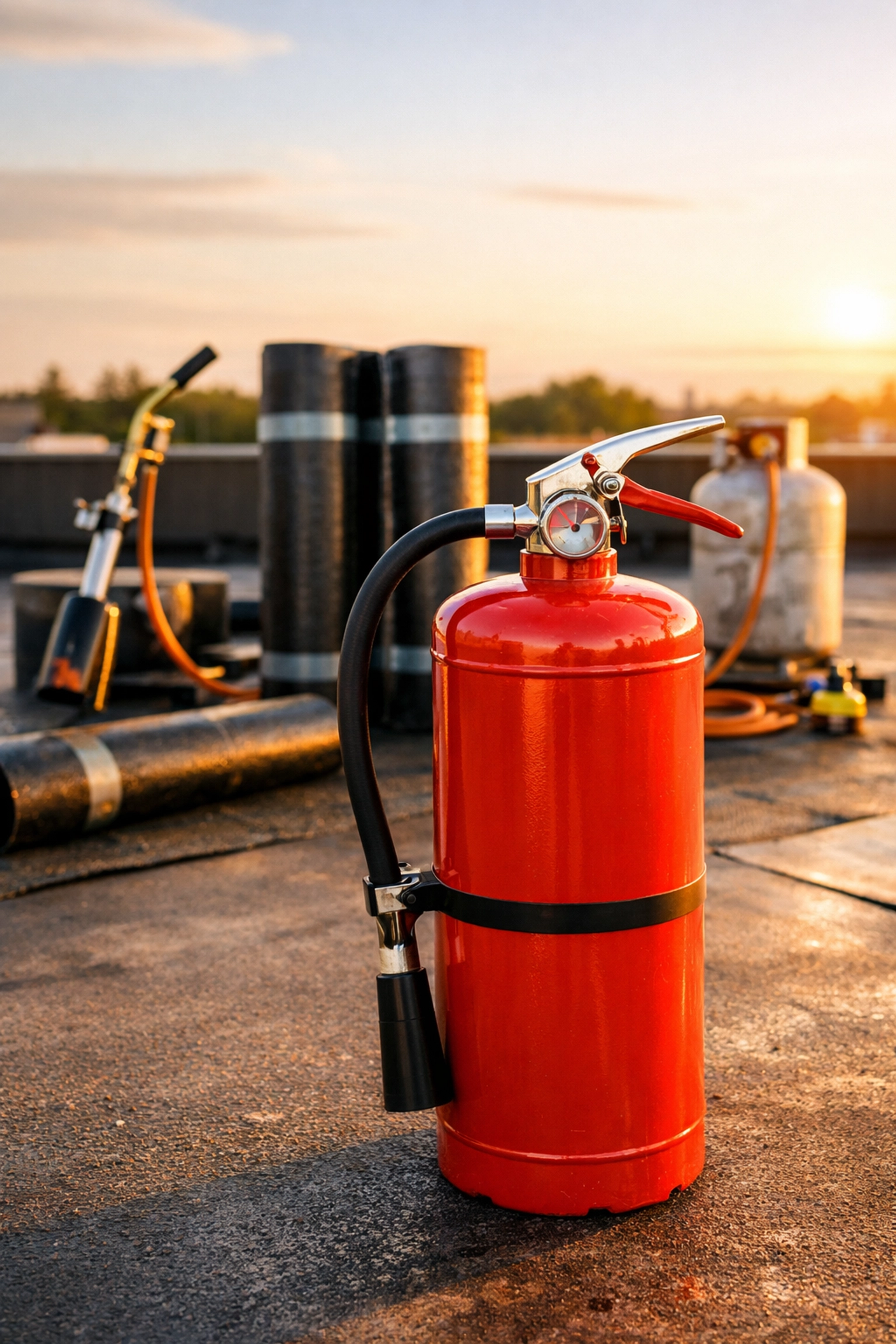
Certain roofing techniques involve high heat. Torch-applied membranes are common in commercial roofing. This creates a significant fire hazard. Fire safety protocols must be strictly enforced.
A fire watch is a standard requirement for heat-applied projects. A designated person monitors the work area for several hours after the torches are extinguished. This ensures that no smoldering embers remain. Fire extinguishers must be present and easily accessible at all times.
Flammable materials, such as adhesives and fuel tanks, must be stored properly. They should be kept away from heat sources and secured when not in use. Implementing these fire safety measures is a requirement for many insurance policies covering hot-work operations.
Quality Control and Workmanship Standards
Maintaining high workmanship standards reduces the likelihood of future incidents. Quality control inspections should occur at various stages of the project. Checking the alignment of shingles and the integrity of sealants ensures a durable finish.
Adhering to manufacturer specifications is essential. Failure to follow these guidelines can void material warranties. It also creates liability for the contractor if the system fails prematurely. Training technicians on the specific requirements of different roofing materials is a critical investment.
A final walk-through with the client is a professional way to conclude a project. It allows the contractor to demonstrate the quality of the work and address any immediate concerns. Providing the client with maintenance tips and warranty information reinforces the company’s expertise.
Conclusion: A Holistic Approach to Roofing Protection
Managing a roofing business requires a multi-faceted approach to risk. Insurance provides the necessary financial protection for various exposures. Safety protocols ensure that the team returns home safely every day. Compliance with regulations and meticulous documentation demonstrate professional integrity.
By coordinating general liability, workers' compensation, and specialized coverages like inland marine and pollution liability, contractors build a resilient foundation. Integrating disaster recovery solutions like Recoop further strengthens the business against the unexpected.
For roofing professionals, the goal is to deliver high-quality results while minimizing the risks associated with high-elevation work. A comprehensive insurance strategy is not just a requirement; it is a strategic advantage that supports long-term growth and stability in a demanding industry. Explore more about our specialized solutions at Insurance Alliance LLC.
Insurance Alliance LLC Category: Insurance Tone: Professional Focus: Business, Life, and Disaster Insurance Solutions View our Sitemap


Comments