
Liquor Liability: Essential Coverage for Restaurants and Bars
- marketing676641
- Jan 25
- 5 min read
Serving alcohol creates unique legal exposures for restaurants and bars. Liquor liability insurance provides dedicated protection that every establishment serving beer, wine, or spirits needs to operate with confidence. This coverage addresses risks that standard general liability policies specifically exclude.
Insurance Alliance LLC helps restaurant and bar owners in FL, TX, AZ, ID, and WA secure proper liquor liability coverage. Learn what this essential protection includes and why your establishment cannot afford to go without it.
What Is Liquor Liability Insurance?
Liquor liability insurance, also known as dram shop insurance, is a specialized commercial policy designed for businesses that sell, serve, or distribute alcoholic beverages. This coverage protects your establishment when alcohol service allegedly contributes to third-party injury or property damage.
The term "dram shop" dates back to 18th-century England, where gin was sold by the spoonful (called a dram). Today, dram shop laws exist in 43 states across the United States. These laws hold establishments legally responsible when they serve alcohol to visibly intoxicated individuals who subsequently cause harm to others or damage property.
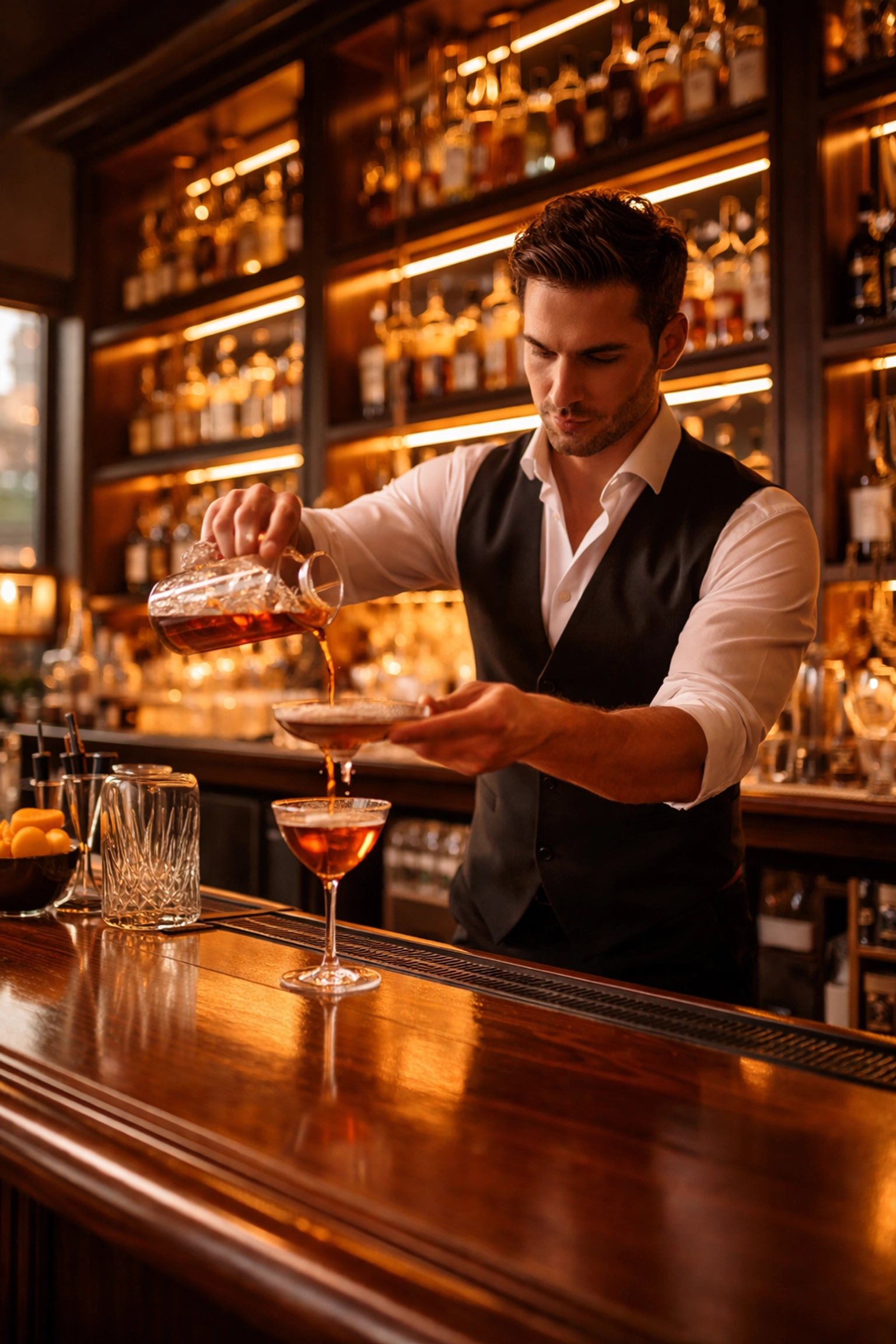
Standard general liability insurance does not cover alcohol-related incidents. This exclusion leaves restaurants and bars exposed to significant legal and financial consequences without dedicated liquor liability coverage in place.
Who Needs Liquor Liability Insurance?
Any business that sells, serves, or distributes alcoholic beverages should carry liquor liability insurance. This includes:
Full-service restaurants with bar areas
Bars and pubs
Nightclubs and entertainment venues
Breweries and wineries with tasting rooms
Catering companies serving alcohol at events
Food trucks with alcohol permits
Hotels with on-site bars or room service alcohol
Country clubs and golf courses
Event venues hosting functions with alcohol service
Even establishments where alcohol represents a small percentage of overall revenue need this coverage. A single incident involving an intoxicated patron can generate substantial legal exposure regardless of how much alcohol your business sells.
What Does Liquor Liability Insurance Cover?
Liquor liability insurance provides protection across several key areas directly related to alcohol service at your establishment.
Bodily Injury Protection
This coverage addresses situations where an intoxicated patron causes physical harm to themselves or others. Medical expenses and legal fees fall under this protection when your establishment's alcohol service is alleged to have contributed to the incident.
Property Damage Coverage
When intoxicated customers damage property: whether at your establishment or off-premises: liquor liability insurance responds. This includes damage to vehicles, buildings, and personal property caused by patrons who consumed alcohol at your business.
Legal Defense Coverage
Defending against alcohol-related lawsuits requires experienced legal representation. Liquor liability insurance covers attorney fees, court costs, and other legal expenses associated with defending your establishment against dram shop allegations.
Assault and Battery Protection
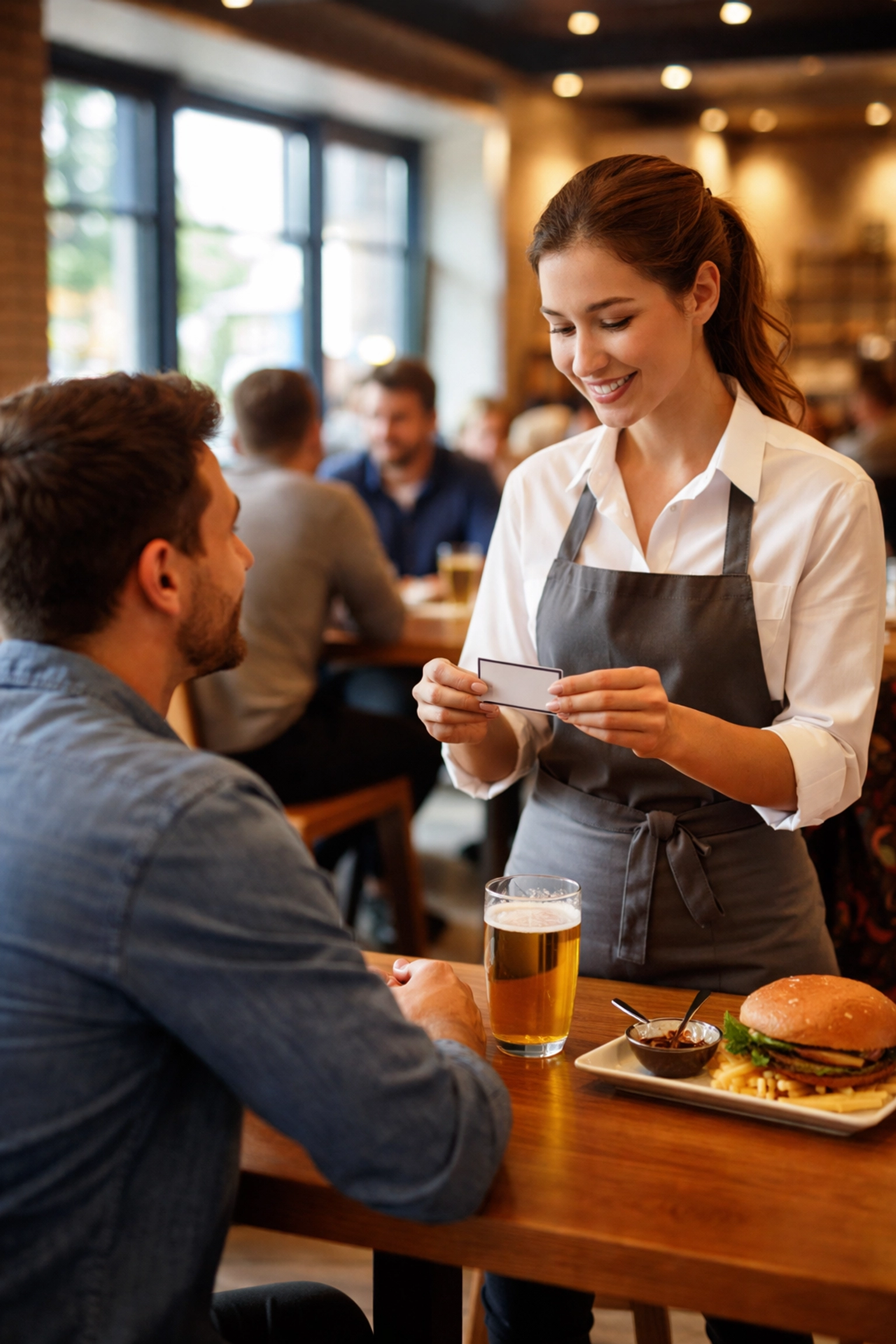
Physical altercations frequently occur in establishments serving alcohol. Many liquor liability policies include assault and battery coverage as an endorsement. This protection addresses incidents where intoxicated patrons become aggressive or violent.
Dram Shop Laws and Your Legal Exposure
Dram shop laws create direct legal exposure for restaurants and bars across the United States. These statutes allow injured parties to pursue legal action against establishments that served alcohol to individuals who later caused harm.
Under dram shop laws, your establishment may face legal consequences if you:
Serve alcohol to a visibly intoxicated person
Continue serving alcohol after a patron shows signs of impairment
Serve alcohol to minors
Fail to properly check identification
One serious incident can generate six-figure legal exposure. Without liquor liability insurance, your business faces these consequences alone. The financial impact can threaten the survival of even well-established restaurants and bars.
Liquor Liability vs. General Liability Insurance
Understanding the distinction between liquor liability and general liability insurance is essential for proper coverage.
General liability insurance covers common business risks including slip-and-fall accidents, customer injuries from non-alcohol-related causes, and general property damage. However, most general liability policies contain an alcohol exclusion that specifically removes coverage for incidents involving alcohol service.
Liquor liability insurance fills this coverage gap. It addresses the specific risks associated with selling and serving alcoholic beverages that general liability intentionally excludes.
Both policies work together to provide comprehensive protection. General liability handles everyday business risks while liquor liability addresses alcohol-specific exposures.

Risk Management Practices for Alcohol Service
Proper liquor liability coverage works best alongside strong risk management practices. Implementing these protocols helps protect your patrons, your staff, and your business.
Staff Training Programs
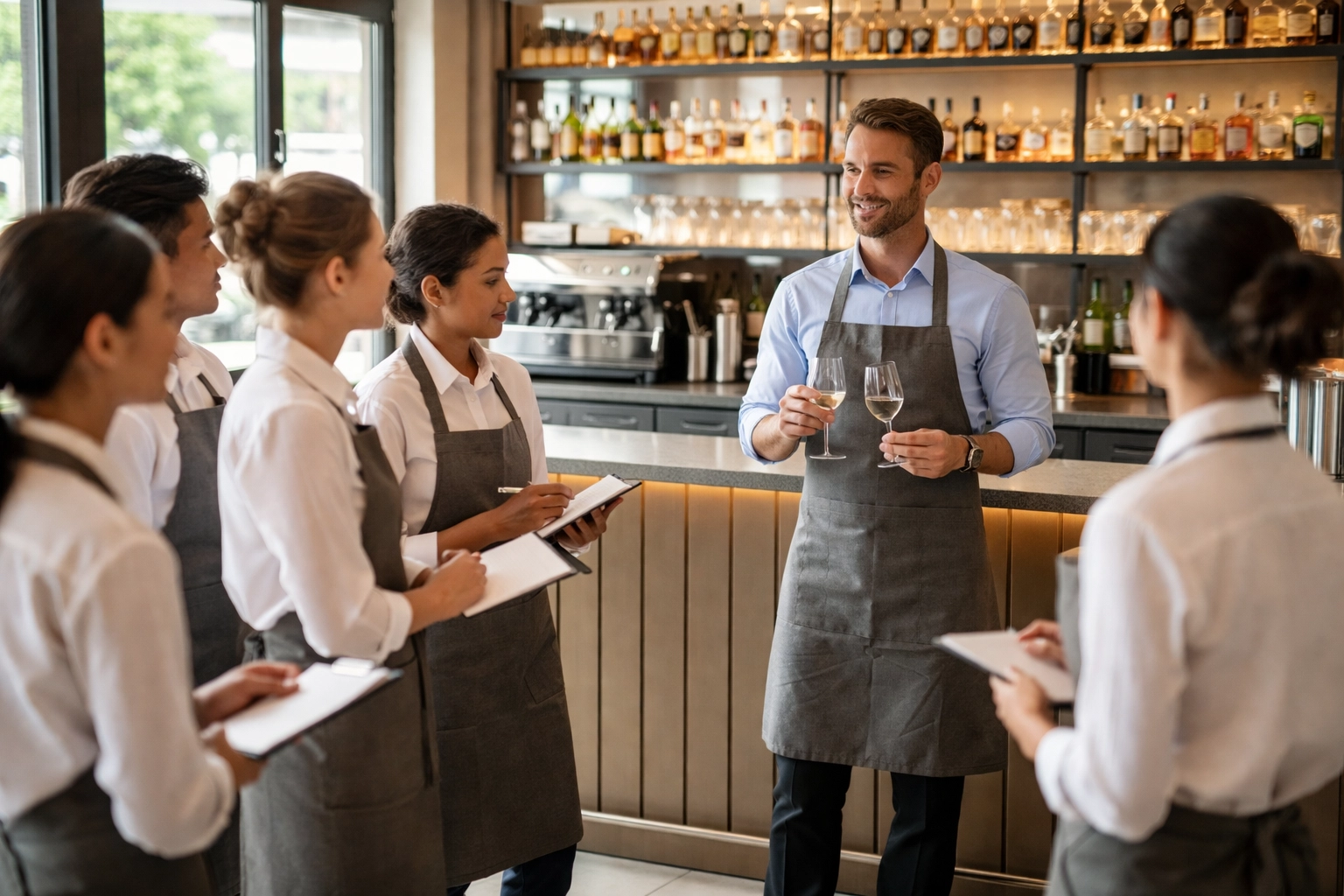
Invest in certified alcohol service training for all employees who serve or sell alcohol. Programs like TIPS (Training for Intervention ProcedureS) and ServSafe Alcohol teach staff to:
Recognize signs of intoxication
Properly check identification
Refuse service appropriately
Handle difficult situations safely
Identification Verification Procedures
Establish clear protocols for checking identification on every alcohol purchase. Train staff to identify fake IDs and verify that all patrons meet legal drinking age requirements.
Service Monitoring
Implement systems for monitoring patron alcohol consumption. This includes:
Tracking drink counts when possible
Observing patron behavior throughout their visit
Empowering staff to refuse service when appropriate
Offering food and non-alcoholic alternatives
Incident Documentation
Maintain detailed records of any alcohol-related incidents at your establishment. Document what occurred, who was involved, and what actions your staff took. This documentation proves valuable if legal issues arise later.
Building a Complete Insurance Program
Liquor liability insurance serves as one component of a comprehensive insurance program for restaurants and bars. Consider pairing it with these essential coverages:
General Liability Insurance addresses non-alcohol-related incidents including customer injuries and property damage from everyday operations.
Commercial Property Insurance protects your building, equipment, furniture, and inventory against covered perils.
Workers' Compensation Insurance provides protection for employees injured on the job: a requirement in most states.
Business Interruption Insurance replaces lost income when covered events force temporary closure.
Cyber Liability Insurance protects against data breaches involving customer payment information and personal data. Learn more about this coverage in our post on cyber protection for restaurants.
Securing Proper Liquor Liability Coverage
When obtaining liquor liability insurance, provide accurate information about your operations. Insurers need details about:
Your alcohol sales as a percentage of total revenue
Types of alcohol served (beer, wine, spirits)
Operating hours, especially late-night service
Entertainment offerings (live music, dancing, sports viewing)
Security measures in place
Staff training programs
Accurate information ensures your coverage matches your actual risk profile. Underreporting or misrepresenting your operations can create coverage gaps when you need protection most.
Review your liquor liability coverage annually. As your business grows or operations change, your coverage needs may evolve. Adding a late-night happy hour, extending operating hours, or increasing alcohol service all affect your exposure.
Get Expert Guidance on Liquor Liability Insurance
Liquor liability insurance provides essential protection that no restaurant or bar serving alcohol should operate without. This coverage addresses risks that standard policies exclude, protecting your business from the unique legal exposures created by alcohol service.
Insurance Alliance LLC specializes in restaurant and bar insurance across FL, TX, AZ, ID, and WA. Our team understands the specific coverage needs of establishments serving alcohol and can help you build a comprehensive insurance program.
Review our restaurant insurance checklist for additional guidance on protecting your establishment. Contact Insurance Alliance LLC today to discuss your liquor liability coverage needs.
Insurance Alliance LLC Serving FL, TX, AZ, ID, and WA www.theinsalliance.com


Comments