
Vortex Versus Traditional Hurricane Insurance: What Every Gulf Coast Business Should Know
Gulf Coast businesses face complex hurricane protection decisions. Understanding the fundamental differences between Vortex parametric insurance and traditional hurricane coverage determines your business continuity when storms strike. Each approach protects different aspects of hurricane risk through distinct coverage mechanisms.
Understanding Parametric Hurricane Insurance
Vortex operates on parametric insurance principles. This coverage triggers automatic payouts when specific weather conditions occur, regardless of actual damage to your property. The system activates when a Category 3 or stronger hurricane tracks through your designated coverage area.
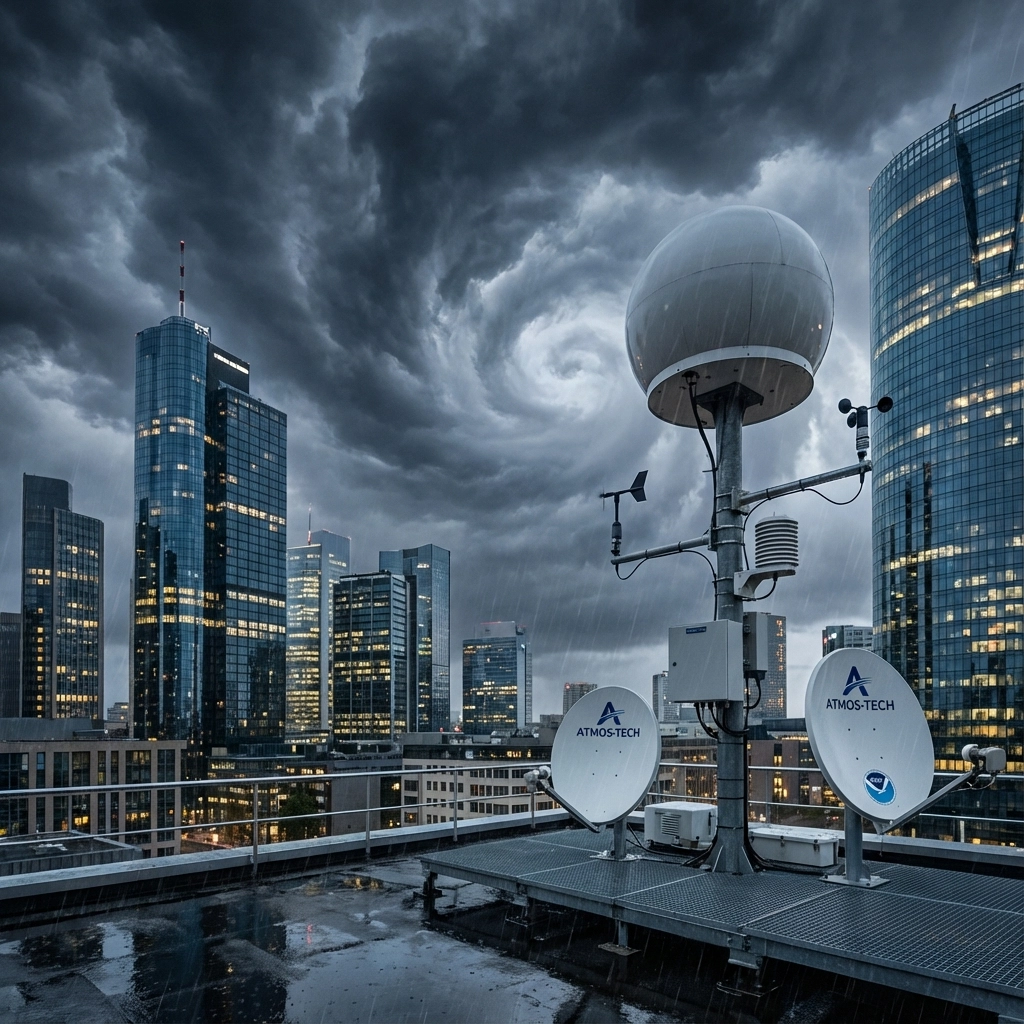
Business owners select either a 20-mile or 40-mile radius around their location. When qualifying storm conditions meet the policy parameters within this zone, Vortex initiates payment processing immediately. No damage assessment, adjuster visits, or proof of loss documentation is required.
The parametric model addresses business interruption from multiple angles. Revenue losses from customer evacuation, supply chain disruption, employee displacement, and operational downtime all receive coverage under a single policy structure. Payouts process within approximately two weeks of the triggering weather event.
Traditional Hurricane Insurance Framework
Traditional hurricane insurance requires documented damage assessment before any coverage activates. Standard business policies often exclude windstorm damage entirely or provide limited protection with substantial deductibles. Property owners must demonstrate specific losses through detailed documentation and professional assessment.
Coverage separation characterizes traditional hurricane protection. Wind damage insurance covers destruction from high-speed winds and debris impact. Flood insurance protects against water damage from storm surge and excessive rainfall. Business interruption coverage may activate only after documented property damage reaches specific thresholds.
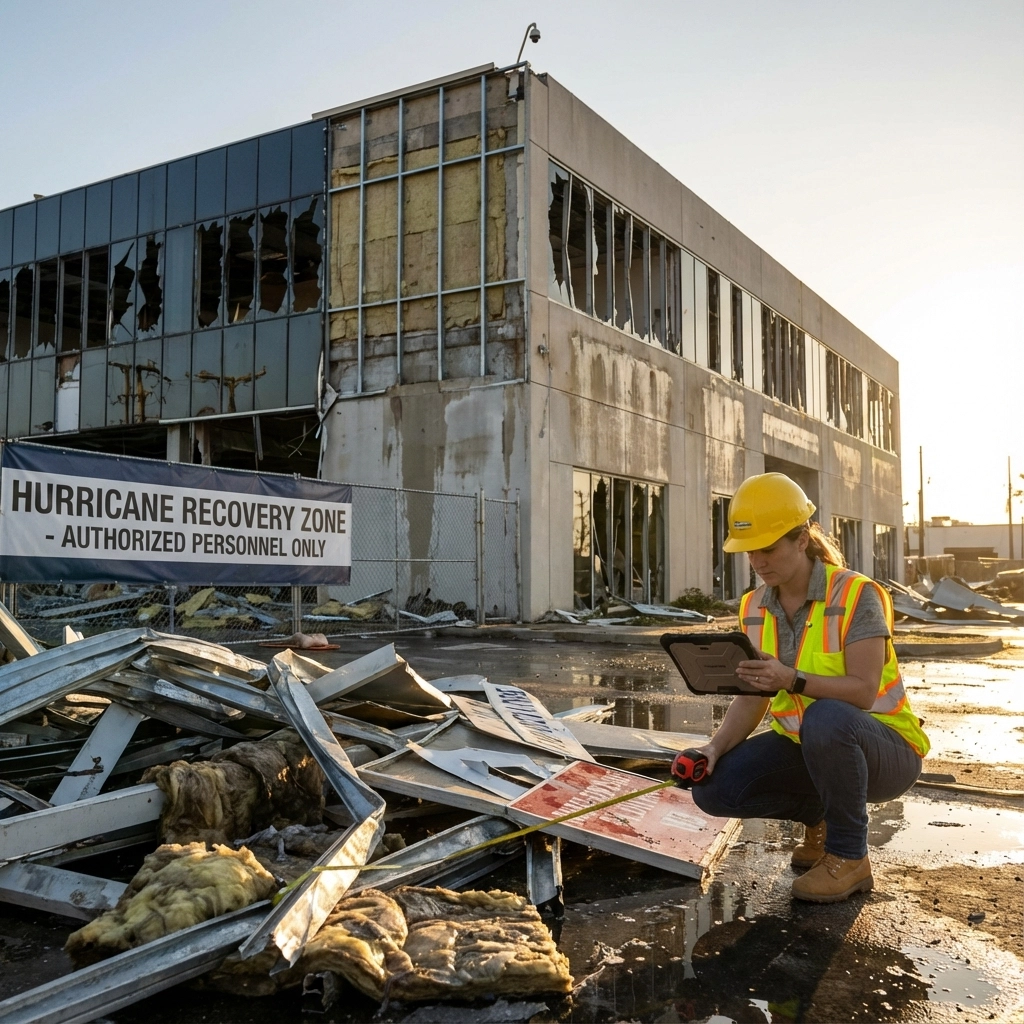
The traditional claims process involves multiple steps. Initial damage reporting leads to adjuster assignment, property inspection, loss documentation, repair estimates, and eventual settlement negotiation. This process can extend for weeks or months depending on storm severity and claims volume.
Coverage Trigger Mechanisms Compared
Parametric insurance activates through objective weather measurements. National Weather Service hurricane tracking data determines whether storm conditions meet policy parameters. The hurricane center's documented path through your coverage radius triggers automatic payout processing.
Traditional coverage requires subjective damage assessment. Adjusters evaluate property destruction, business income losses, and repair necessity. Coverage activation depends on documented damage exceeding policy deductibles and meeting specific coverage criteria.
Storm category requirements differ between approaches. Vortex responds only to Category 3 or stronger hurricanes, ensuring coverage activates for genuinely severe weather events. Traditional policies may respond to lower-category storms that cause measurable property damage.
Business Interruption Protection Differences
Parametric insurance recognizes that hurricane impact extends beyond physical property damage. Businesses lose revenue when customers cannot reach locations, employees cannot work, suppliers face disruption, and normal operations become impossible. These losses occur regardless of building damage severity.
Traditional business interruption coverage typically requires physical property damage as a prerequisite. Without documented building or equipment damage, business income protection may not activate even when operations cease due to hurricane conditions.
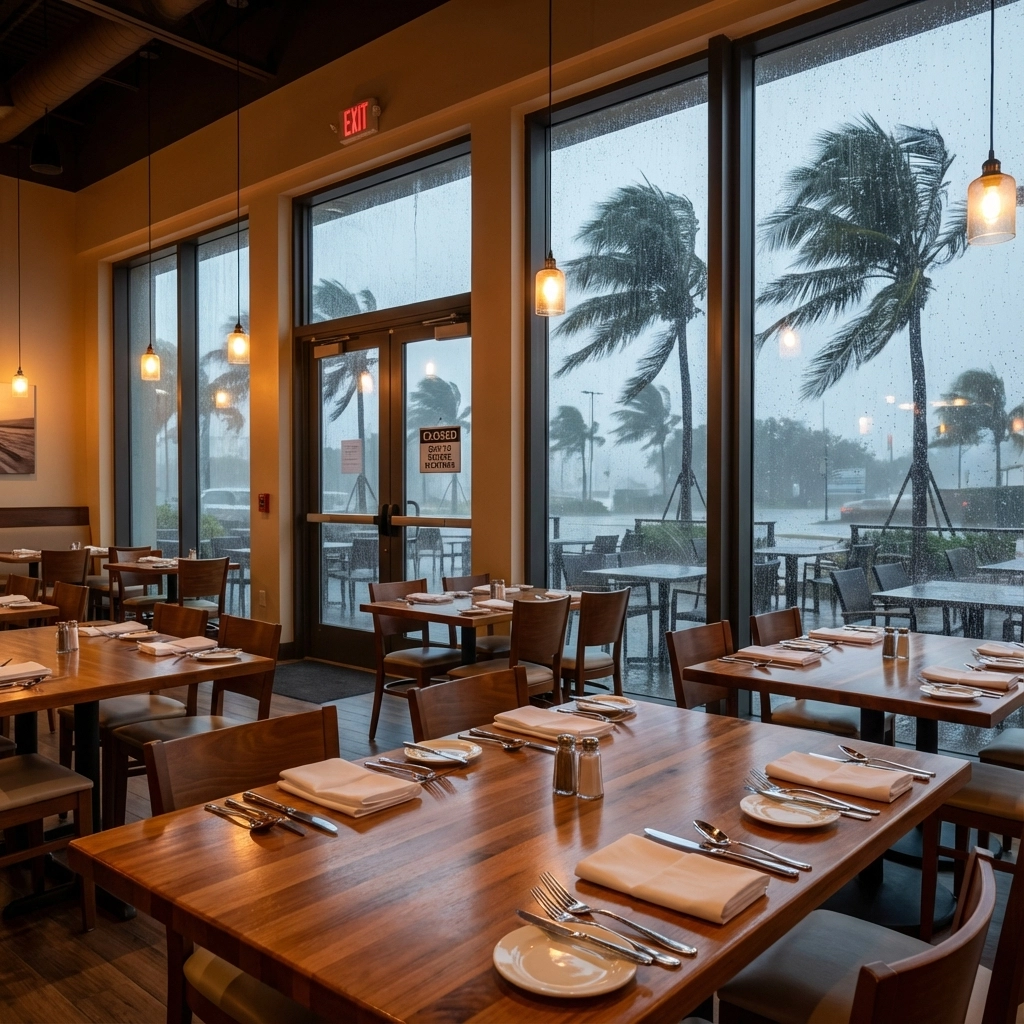
Revenue recovery timelines vary significantly. Parametric payouts provide immediate cash flow within weeks of the storm event. Traditional business interruption settlements process after property damage assessment completion and repair timeline establishment.
Policy Activation and Duration
Parametric policies activate 30 days after premium payment, requiring advance planning for hurricane season protection. Annual policies remain in effect for 12 months and can respond to multiple hurricane events within the coverage period up to policy limits.
Traditional policies typically activate immediately upon binding. Coverage continues indefinitely with regular renewal cycles. Some traditional policies include per-occurrence limits that may restrict multiple-storm protection within a single policy year.
Multiple storm scenarios receive different treatment under each approach. Parametric insurance may respond to each qualifying hurricane separately until annual limits are reached. Traditional policies may apply per-occurrence deductibles and limits to each individual storm event.
Documentation and Claims Processing
Parametric insurance eliminates traditional claims documentation requirements. Weather service data provides the only necessary evidence for coverage activation. Business owners receive notifications when qualifying conditions occur without initiating formal claims processes.
Traditional insurance requires comprehensive documentation. Property damage photos, repair estimates, business income records, operational expense documentation, and professional assessments all contribute to claims evaluation. Missing documentation can delay or reduce settlement amounts.
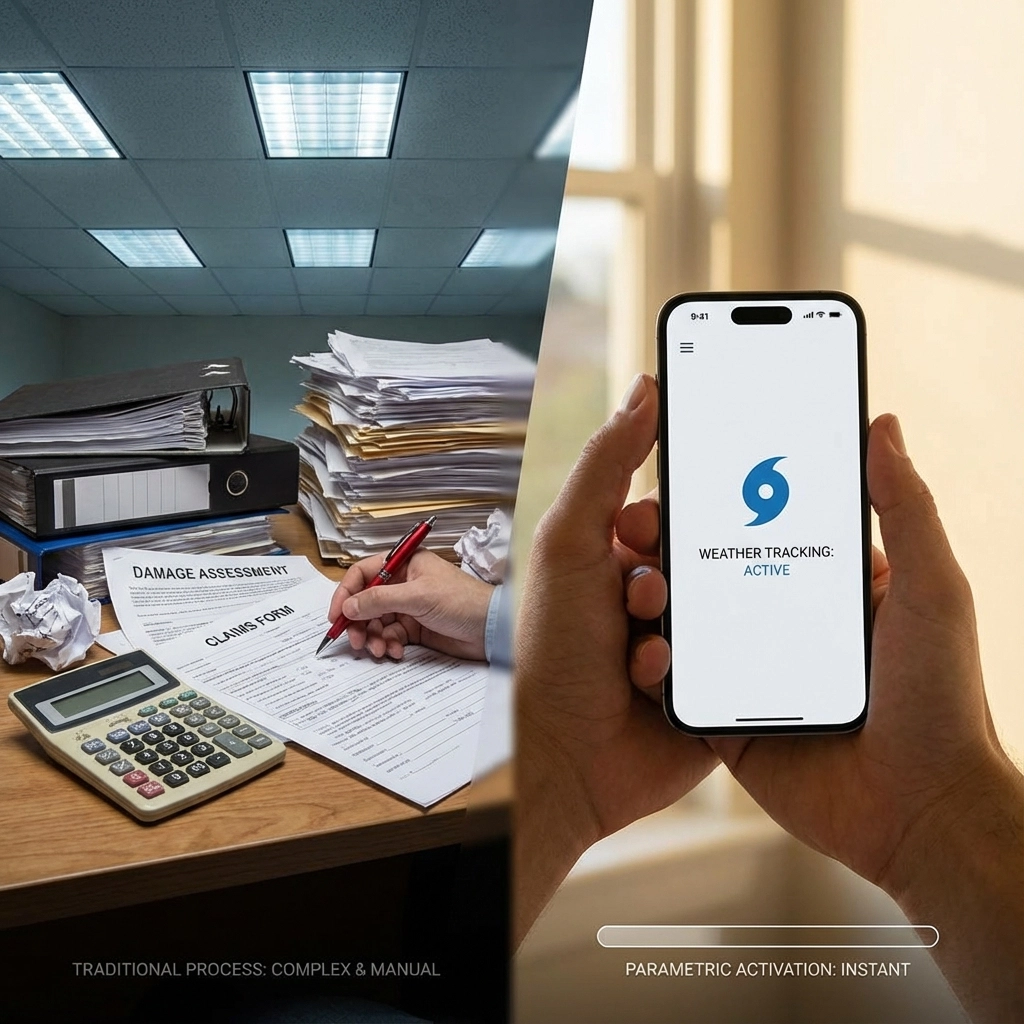
Professional services involvement differs substantially. Parametric insurance operates without adjuster visits, damage assessments, or settlement negotiations. Traditional claims typically require multiple professional services including adjusters, contractors, accountants, and potentially legal representation.
Geographic Coverage Considerations
Parametric insurance allows precise geographic targeting through radius selection. Businesses choose coverage areas that align with their operational vulnerabilities and customer base locations. This targeted approach ensures relevant storm tracking for coverage activation.
Traditional insurance typically covers specific property addresses without considering broader operational geography. A business may suffer hurricane-related losses at locations not covered by their primary property insurance policy.
Regional storm tracking accuracy affects parametric coverage effectiveness. Modern weather monitoring provides precise hurricane center tracking, ensuring accurate coverage activation when storms affect designated areas.
Business Type Suitability Analysis
Service-based businesses with minimal physical assets benefit significantly from parametric protection. Consulting firms, restaurants, retail establishments, and professional services face immediate revenue loss when customers cannot access locations, regardless of building damage severity.
Asset-intensive businesses require traditional property coverage for equipment, inventory, and facility protection. Manufacturing operations, warehousing facilities, and capital-intensive businesses need comprehensive property damage coverage as their primary protection layer.
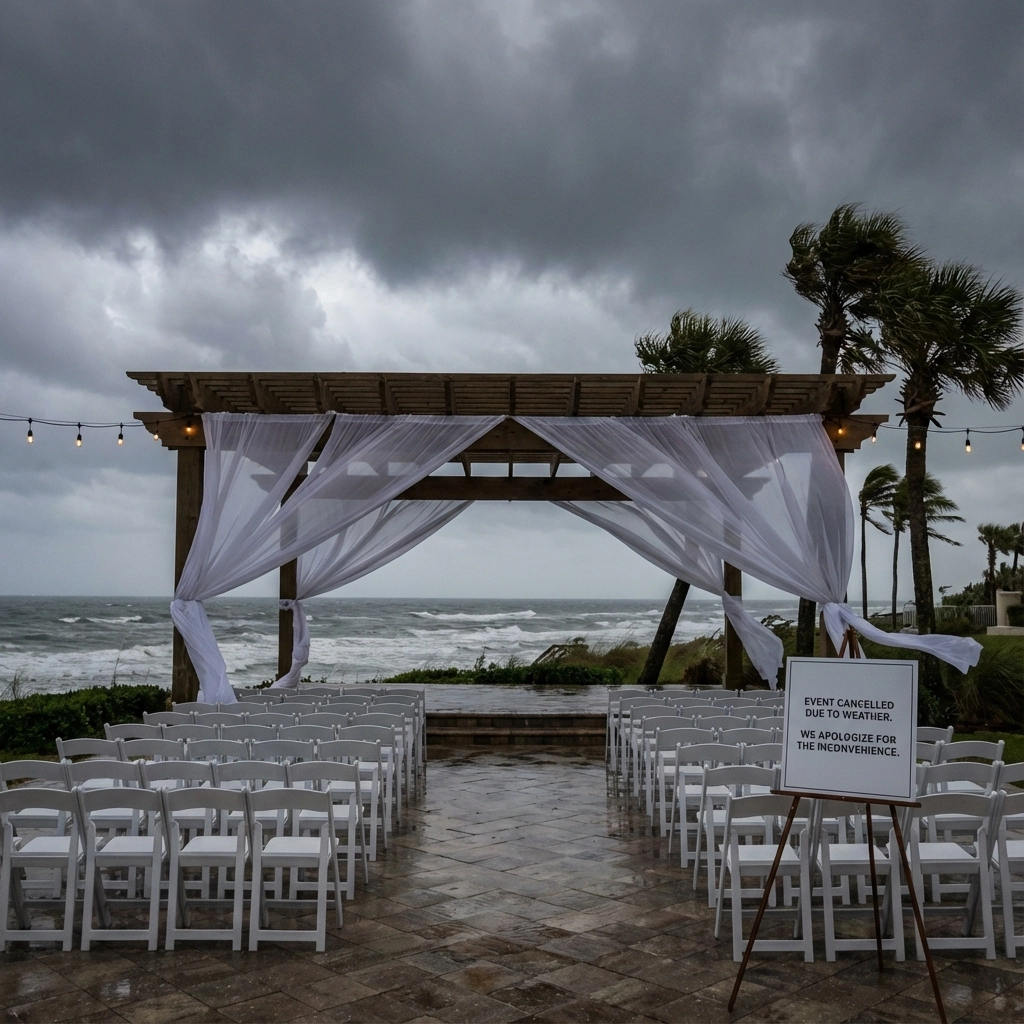
Seasonal businesses and event venues align well with parametric coverage models. Tourism-dependent operations, event facilities, and entertainment venues face severe revenue impact from customer evacuation and event cancellation, even without property damage.
Integration Strategies for Comprehensive Protection
Layered coverage approaches combine both insurance types effectively. Traditional property insurance protects physical assets while parametric coverage addresses revenue interruption and operational disruption. This combination ensures comprehensive hurricane protection across all business risk categories.
Mortgage and lending requirements often mandate traditional windstorm insurance for financed properties. Parametric insurance serves as supplemental protection rather than replacement coverage in these situations. Business owners should verify lender requirements before selecting coverage approaches.
Risk assessment determines optimal coverage combinations. Businesses with high revenue volatility and low physical asset values may prioritize parametric protection. Operations with substantial physical assets and stable revenue streams may emphasize traditional property coverage.
Understanding these coverage differences enables informed decision-making for hurricane protection strategies. Each approach addresses specific aspects of hurricane risk through distinct mechanisms. Successful hurricane preparedness often involves combining both coverage types to address comprehensive business protection needs.
Business owners should evaluate their specific risk profiles, operational vulnerabilities, and protection priorities when selecting hurricane insurance approaches. Professional consultation helps determine optimal coverage combinations for individual business circumstances and regional hurricane exposure levels.

Comments