
Carpentry and Custom Woodworking: A Guide to Inland Marine and Business Owners Policies
- marketing676641
- Feb 26
- 6 min read
Carpentry and custom woodworking businesses operate within a unique risk landscape. Unlike fixed retail operations, woodworkers often manage significant assets across multiple environments, including permanent workshops, transit vehicles, and client job sites. Protecting these assets requires a sophisticated understanding of how different insurance policies interact. Specifically, the combination of a Business Owners Policy (BOP) and Inland Marine insurance provides a framework for comprehensive risk management. This guide examines the technical aspects of these coverages, focusing on the protection of specialized tools and high-value wood inventory.
The Foundation of Woodworking Protection: The Business Owners Policy
A Business Owners Policy (BOP) serves as the primary structural layer of insurance for a woodworking enterprise. It typically integrates commercial property insurance and general liability insurance into a single package. For the custom woodworker, the property component of a BOP is designed to protect the physical assets located at the primary place of business.
Commercial Property Coverage in the Workshop
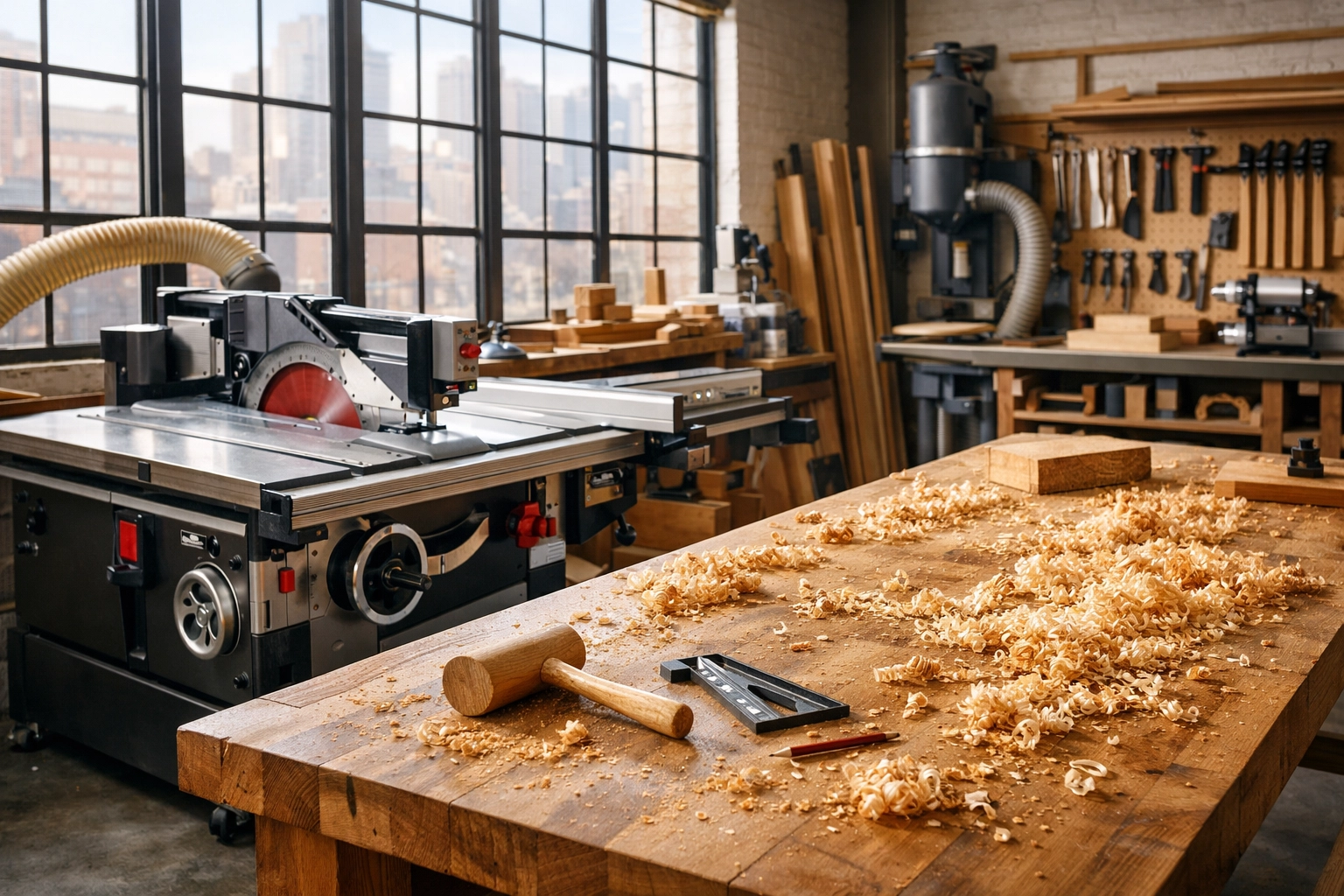
The workshop is the center of a custom woodworking operation. It houses stationary machinery such as table saws, planers, jointers, and CNC routers. Under a BOP, these items are classified as business personal property. Coverage applies to the loss of or damage to this equipment resulting from covered perils such as fire, windstorm, or vandalism.
Effective risk management involves ensuring that the policy limits reflect the actual replacement value of specialized machinery. Custom woodworkers often utilize high-precision equipment that is difficult to replace quickly. A BOP provides the necessary structure to secure these stationary assets while they remain within the scheduled premises.
General Liability and Operations
The liability portion of a BOP addresses third-party risks. For carpenters, this includes bodily injury or property damage occurring during the course of business operations. For example, if a client visits a showroom or workshop and sustains an injury, the general liability component provides the necessary protection for the business entity. It also extends to damage caused to a client’s property while working on-site, provided the damage is not to the specific "work-product" itself, which is often handled through different policy endorsements.
Inland Marine Insurance: Protection for Mobile Assets
While a BOP is effective for stationary assets, it often contains limitations regarding property that leaves the primary business location. This is where Inland Marine insurance becomes essential for carpenters and custom installers. Despite its name, Inland Marine insurance has nothing to do with water; it is a specialized coverage designed for property in transit or property that is mobile by nature.
The Contractor’s Equipment Floater
Most carpenters utilize a variety of portable power tools and hand tools. These tools frequently move between the shop, the vehicle, and the job site. Standard property insurance may not extend coverage once these items are a certain distance from the business premises. An Inland Marine policy, specifically a contractor’s equipment floater, follows the tools wherever they go.
This coverage is vital for protecting:
Portable saws and drills
Pneumatic nailers and compressors
Specialized measurement and leveling equipment
Handheld sanders and finishing tools
By securing an Inland Marine policy, a woodworking business ensures that its essential tools are protected against theft or damage while at a job site or stored in a trailer overnight. For more information on broader contractor requirements, see The Complete Guide to General Contractor Insurance in 2025.
Installation Floaters for Custom Work
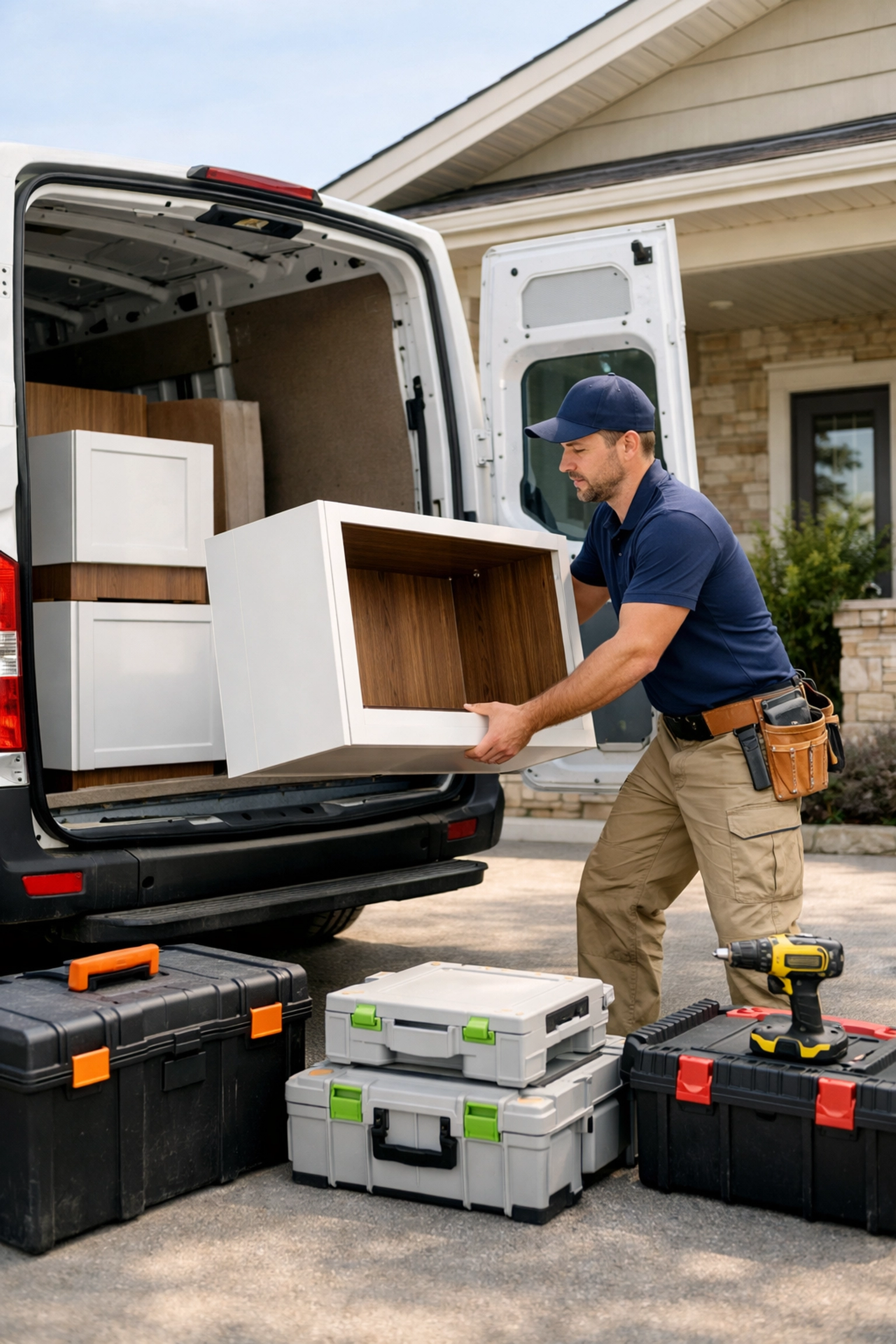
For custom woodworkers, the period between finishing a piece in the shop and completing the installation at a client’s location is a time of significant exposure. An installation floater is a type of Inland Marine coverage that protects materials and finished goods from the moment they leave the shop until they are permanently installed and accepted by the client.
This is particularly relevant for high-end cabinetry, custom staircases, or built-in furniture. If these items are damaged during transit or while being moved into a client’s home, the installation floater provides the specific coverage needed to address the loss of materials and labor.
Protecting Specialized Wood Inventory
Inventory management in custom woodworking involves more than just keeping track of boards. Wood is a volatile organic material sensitive to environmental changes. Protecting this inventory requires both proper physical storage and specific insurance considerations.
Raw Material Valuation and Storage
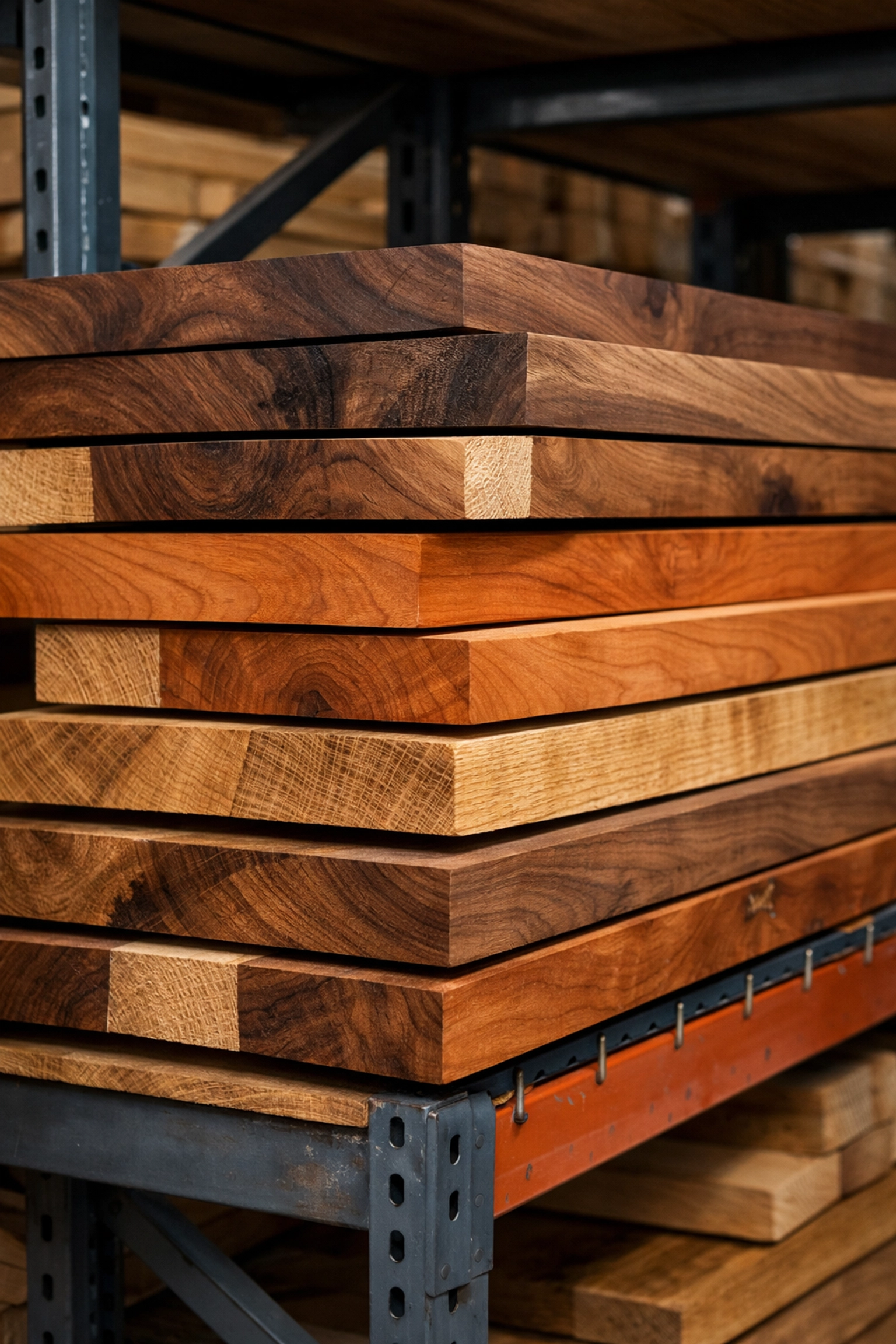
Custom shops often stock rare or exotic hardwoods. These materials represent a significant capital investment. Under a business insurance policy, inventory is typically covered under business personal property. However, woodworkers must be diligent about how this inventory is valued.
Risk management strategies for wood inventory include:
Climate Control: Maintaining consistent humidity levels to prevent warping or checking.
Segregation: Separating raw lumber from finishing areas to reduce fire risks.
Documentation: Keeping detailed records of board footage and species types to ensure accurate coverage limits.
Finished Goods and Work in Progress
There is a distinct difference between raw lumber and a nearly completed custom dining table. As labor is applied to materials, the value of the asset increases. A BOP should be structured to account for "work in progress." This ensures that if a disaster occurs in the shop, the business is protected for the value of the materials plus the labor already invested in the projects.
Risk Management for Woodworking Facilities
Insurance is only one part of a comprehensive risk management strategy. For carpenters and woodworkers, physical risk mitigation is crucial for maintaining operational continuity and compliance with safety standards.
Fire Prevention and Dust Collection
The most significant risk in any woodworking facility is fire. The combination of combustible wood dust, flammable finishes, and potential ignition sources from machinery creates a high-hazard environment.
Compliance with safety standards often requires:
Industrial Dust Collection: Utilizing certified systems to remove airborne particles and prevent accumulation on surfaces.
Explosion Relief: Installing venting in dust collection units to mitigate the impact of a potential dust explosion.
Spark Detection: Utilizing sensors in ductwork that can detect and extinguish sparks before they reach a collection bin.
Chemical Storage and Finishing Safety
Custom woodworking often involves the use of stains, lacquers, and solvents. These materials are highly flammable and require specific storage protocols to remain compliant with fire codes and insurance requirements.
Flammable Liquid Cabinets: Storing all finishing materials in UL-listed or FM-approved cabinets.
Spray Booth Compliance: Ensuring that finishing areas are properly ventilated and utilize explosion-proof lighting and motors.
Rage Disposal: Using specialized metal containers for the disposal of oil-soaked rags to prevent spontaneous combustion.
Equipment Breakdown Coverage
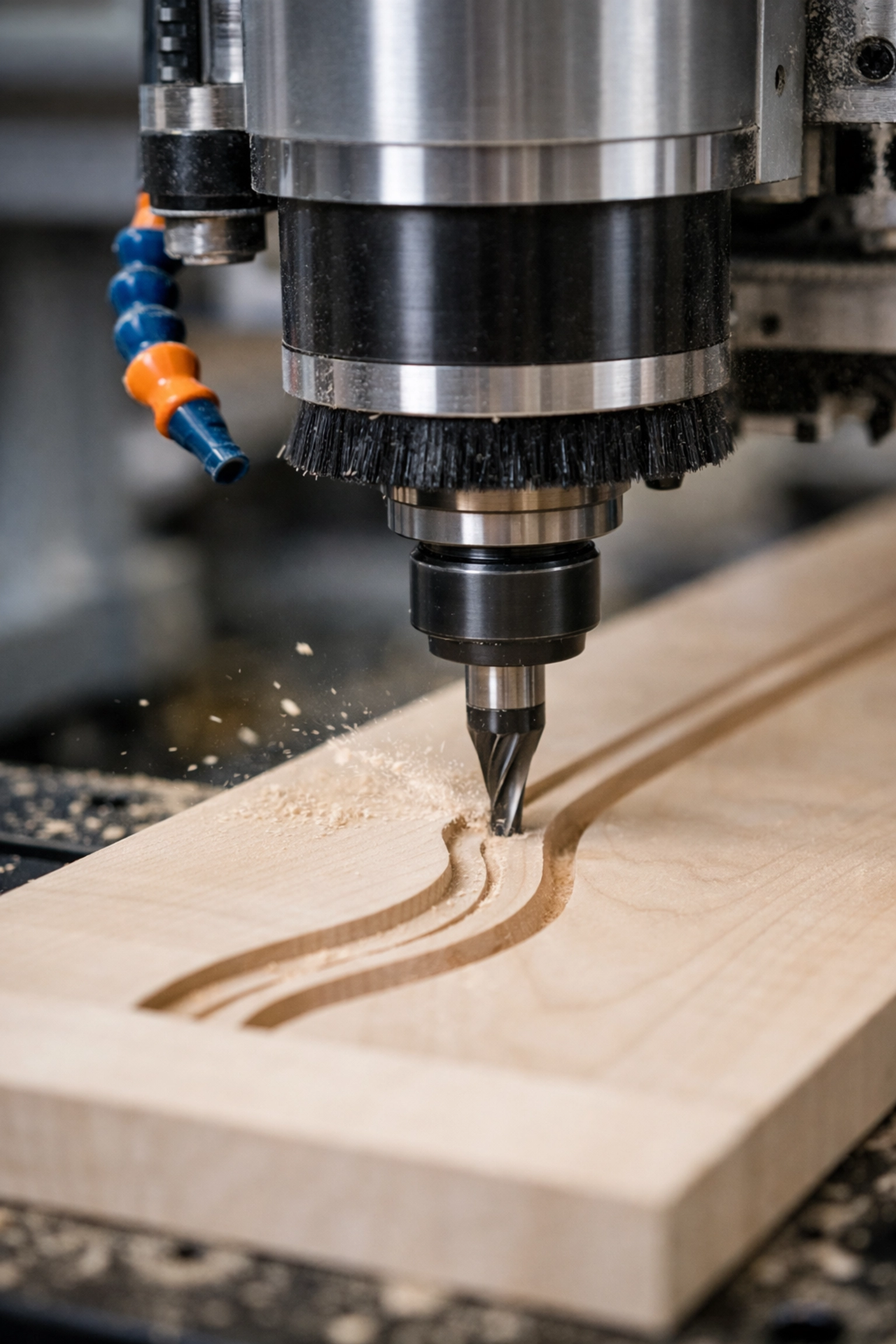
Woodworkers rely heavily on complex machinery. While a BOP covers damage from external perils like fire, it generally excludes damage caused by internal mechanical or electrical failure. Equipment Breakdown coverage is an essential endorsement that addresses the sudden and accidental failure of machinery.
For a custom woodworker, this might include:
A motor burnout on a primary wide-belt sander.
A power surge that destroys the control board of a CNC machine.
A mechanical failure in a pressurized wood drying kiln.
Including this coverage ensures that the business can address the physical repair or replacement of critical machinery that fails due to internal causes.
Compliance and Industry Standards
Maintaining compliance with industry regulations is a fundamental aspect of risk management. Carpenters must adhere to building codes, safety regulations, and environmental standards to ensure their operations remain within the scope of their insurance agreements.
Safety Protocols and Employee Training
Consistent safety training reduces the likelihood of workplace accidents. This includes training on:
Proper use of machine guards and "flesh-sensing" technology on saws.
Lockout/Tagout procedures during machinery maintenance.
Proper lifting techniques for heavy timber and finished assemblies.
Documentation of these training sessions is a key component of a professional risk management program. It demonstrates a commitment to safety and operational excellence.
Environmental Compliance
For shops involved in large-scale finishing or those using certain types of treated lumber, environmental compliance is a significant factor. Properly managing VOC (Volatile Organic Compound) emissions and disposing of hazardous waste in accordance with local regulations prevents legal and environmental exposures that could jeopardize the business.
Coordinating Coverage: How BOP and Inland Marine Work Together
The most effective insurance strategy for a carpenter is one where different policies work in tandem without leaving gaps.
In the Shop: The BOP covers the building, the stationary machinery, and the raw inventory against fire, theft, and wind.
On the Road:Inland Marine (Transit Coverage) protects the finished custom pieces being delivered to the customer.
At the Job Site:Inland Marine (Contractor’s Equipment Floater) protects the portable tools used for installation, while the Installation Floater covers the materials before they are permanently attached to the structure.
The Liability Layer: The General Liability portion of the BOP provides protection against third-party injury or property damage throughout all these stages.
By structuring coverage this way, the woodworking professional creates a seamless shield around their assets and operations.
Conclusion of Risk Strategies for Woodworkers
Custom woodworking and carpentry are crafts that require precision, and the insurance strategy for these businesses should be no different. By utilizing a Business Owners Policy for the shop and Inland Marine insurance for mobile assets, business owners can ensure that their specialized tools and expensive wood inventory are protected regardless of their location.
Focusing on risk management: such as dust collection, proper chemical storage, and equipment maintenance: further strengthens the business's resilience. Understanding the nuances of property valuation and the specific functions of installation floaters allows for a more robust and compliant operation.
For further insights into specialty business protections, visit our insurance blog or explore our resources for business insurance. At Insurance Alliance LLC, we prioritize providing the professional guidance necessary to navigate complex coverage needs across multiple industries.
Insurance Alliance LLC https://www.theinsalliance.com

Comments