
Janitorial and Cleaning Service Insurance: Protecting Assets and Employees in Commercial Environments
- marketing676641
- Feb 26
- 8 min read
Commercial cleaning operations face a unique set of risks that require specialized insurance solutions. Janitorial and cleaning service businesses operate in diverse environments, from corporate offices and medical facilities to industrial warehouses and retail spaces. Each of these settings introduces specific liabilities related to property damage, employee safety, and the security of client assets. Establishing a robust insurance framework is essential for maintaining compliance with commercial contracts and ensuring the long-term viability of the business.
Insurance Alliance LLC provides comprehensive guidance on the coverage types necessary to protect cleaning enterprises. This guide explores the critical components of janitorial insurance, with a focus on fidelity bonds, workers' compensation, and proactive risk management.
The Foundation of Liability Protection
General liability insurance serves as the baseline protection for any cleaning service provider. In commercial environments, the potential for third-party bodily injury or property damage is significant. Janitorial staff frequently operate in high-traffic areas where hazards such as wet floors, extension cords, and heavy equipment are present.
Bodily Injury Coverage
Commercial clients require proof of general liability coverage to mitigate the risks associated with accidents occurring on their premises. If a building occupant or visitor sustains an injury due to a cleaning-related hazard, the general liability policy addresses the resulting legal responsibilities. This coverage is fundamental for maintaining professional relationships with facility managers and building owners.
Property Damage Protection
Janitorial work involves direct interaction with client property. Whether it is a spill on expensive carpeting, damage to high-end office furniture, or the accidental triggering of a fire suppression system, the financial implications of property damage are substantial. General liability insurance provides the necessary protection for repair or replacement of client assets damaged during the course of cleaning operations.
Completed Operations
Liability does not end when the cleaning crew leaves the building. Completed operations coverage protects the business against incidents that arise after a job is finished. For example, if a floor treatment applied during the night creates a slick surface that causes an injury the following morning, this coverage is applicable.
Fidelity Bonds: Securing Client Trust
One of the most specific requirements for the cleaning industry is the janitorial bond, also known as a business service bond or a fidelity bond. Unlike standard insurance policies that protect the business owner, a fidelity bond is designed to protect the client.
Employee Dishonesty Coverage
Commercial cleaning often requires staff to work after hours in buildings containing sensitive data, expensive equipment, and personal belongings. Fidelity bonds provide protection against employee dishonesty, including the theft of money, securities, or tangible property belonging to a client. Having this bond in place demonstrates a commitment to integrity and provides clients with peace of mind.
Contractual Compliance
Most commercial entities and government agencies will not enter into a service agreement with a cleaning company that is not bonded. The bond acts as a guarantee of professional conduct. It is a vital tool for securing large-scale contracts and participating in formal bidding processes. Insurance Alliance LLC emphasizes the importance of maintaining adequate bond limits to match the value of the assets present in client facilities.
Workers' Compensation and Employee Safety
The janitorial industry is physically demanding and involves exposure to various hazards, including repetitive motion injuries, chemical exposure, and slips or falls. Workers' compensation is not only a regulatory requirement in most jurisdictions but also a critical component of employee protection.
Compliance and Mandatory Requirements
Businesses with employees must adhere to state-specific workers' compensation laws. Failure to maintain this coverage leads to severe penalties and leaves the business vulnerable to direct legal action from injured employees. Compliance ensures that workers have access to medical care and wage replacement following a workplace injury, while the business is protected from the full weight of those costs.
Occupational Hazards in Cleaning
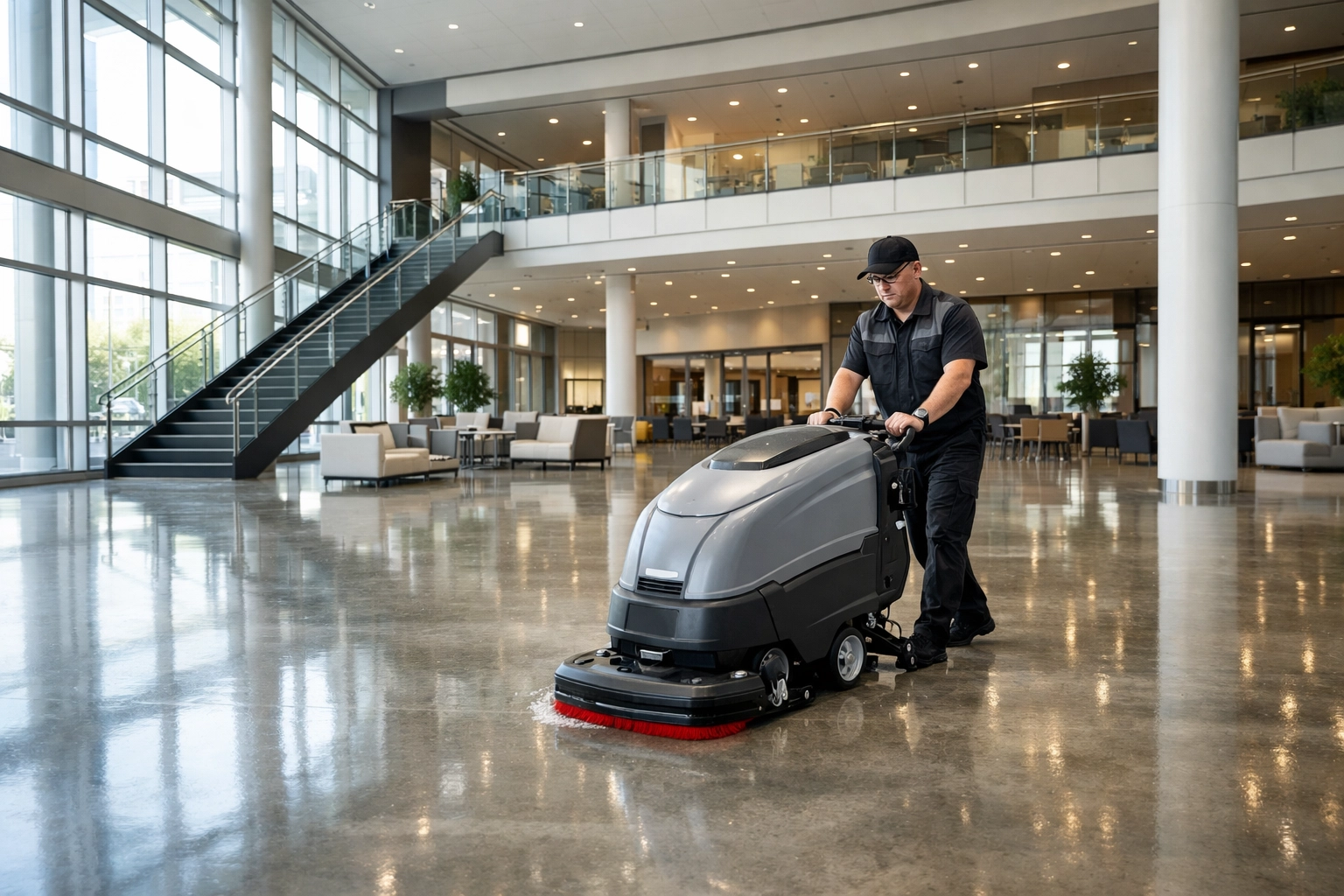
Cleaning professionals frequently handle hazardous chemicals, operate heavy machinery like floor scrubbers, and perform tasks at heights or in confined spaces. A comprehensive workers' compensation policy addresses the medical expenses and rehabilitation costs associated with:
Chemical burns or respiratory issues.
Back injuries from lifting heavy equipment.
Injuries resulting from falls on slippery surfaces.
Chronic injuries from repetitive tasks.
Return-to-Work Programs
Effective risk management involves more than just having a policy. Implementing return-to-work programs helps employees transition back into the workforce after an injury. This proactive approach benefits both the employee and the business by maintaining productivity and reducing the duration of absence.
Protecting Business Personal Property and Equipment
A janitorial business relies on specialized tools and equipment to perform its services. Protecting these assets is essential for operational continuity.
Business Personal Property (BPP)
BPP coverage protects items owned by the business, such as vacuum cleaners, floor buffers, pressure washers, and cleaning supplies. This coverage applies when the equipment is stored at the primary business location. It protects against risks such as fire, theft, and vandalism.
Inland Marine Insurance
Since janitorial crews are mobile, their equipment is often in transit or located at various job sites. Standard property insurance may not cover equipment once it leaves the primary business premises. Inland Marine insurance, often called "tools and equipment" coverage, fills this gap. It ensures that expensive machinery is protected regardless of its location, providing security for the mobile nature of the industry.
Commercial Auto Insurance for Mobile Crews
For janitorial businesses, vehicles are essential for transporting staff, equipment, and supplies to various client locations. Standard personal auto policies typically exclude coverage for business use, making commercial auto insurance a necessity.
Liability and Physical Damage
Commercial auto insurance provides liability protection for accidents involving company-owned vehicles. It also offers coverage for physical damage to the vehicles caused by collisions, weather events, or theft. For businesses that require employees to use their own personal vehicles for work tasks, Hired and Non-Owned Auto (HNOA) coverage can be added to the policy to provide an extra layer of liability protection for the business.
Fleet Management
Businesses operating multiple vehicles should implement strict fleet management protocols. This includes regular vehicle maintenance, driver safety training, and the enforcement of safe driving policies. These risk management efforts complement the insurance coverage and enhance the safety of the mobile workforce.
Professional Liability and Errors & Omissions
While general liability covers physical accidents, Professional Liability insurance (also known as Errors & Omissions or E&O) covers the professional services provided. In the cleaning industry, this coverage is relevant when a client alleges that the service was not performed to the agreed-upon standards or that negligence resulted in a financial loss.
Scope of Service Failures
If a cleaning company fails to follow specific protocols in a medical facility, leading to a breach in sanitation standards, the business could be held liable for professional negligence. Similarly, if a crew forgets to lock a building or arm a security system after a shift, resulting in a loss for the client, E&O coverage addresses the legal and financial consequences of that oversight.
Risk Management Strategies for Cleaning Services
Insurance is only one part of a comprehensive protection plan. Proactive risk management reduces the likelihood of incidents and enhances the safety of the work environment.
Employee Training and Safety Protocols
Comprehensive training is the first line of defense against workplace accidents. Employees should be trained on:
Proper ergonomic lifting techniques.
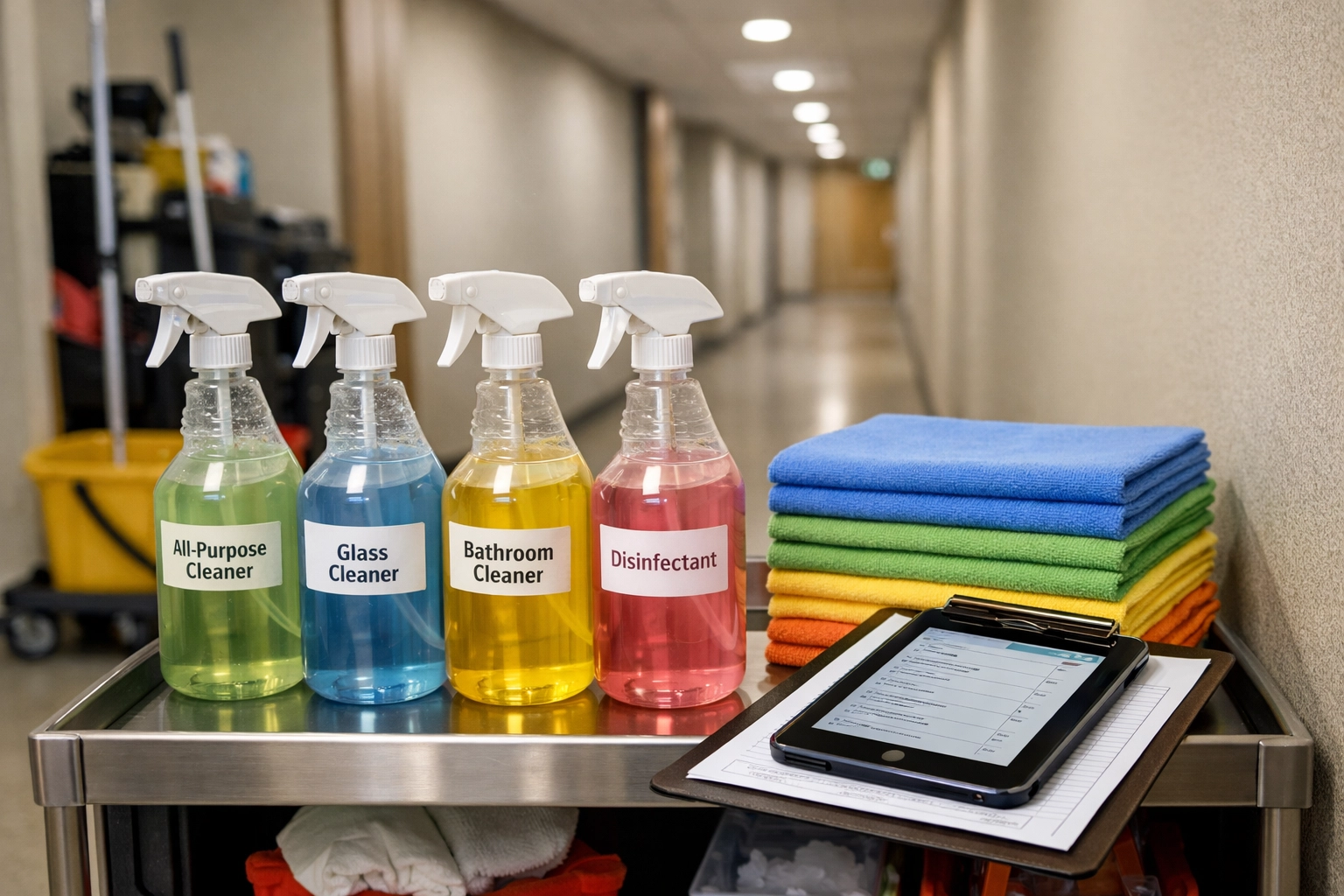
The safe handling and dilution of cleaning chemicals.
The correct operation of all machinery.
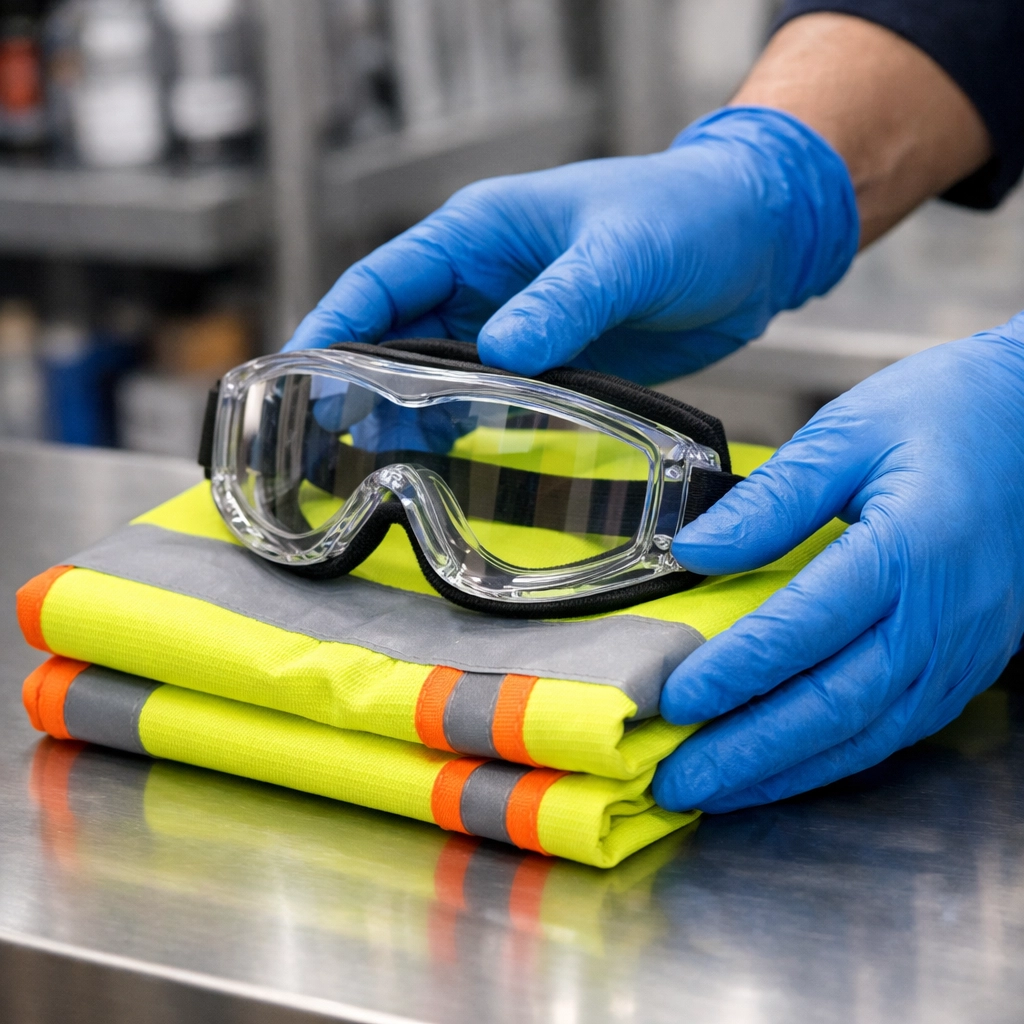
The importance of using Personal Protective Equipment (PPE) such as gloves and goggles.
Safety Data Sheets (SDS)
Compliance with OSHA standards requires businesses to maintain accessible Safety Data Sheets for all chemicals used on-site. Employees must understand the hazards associated with each substance and the necessary first-aid measures in case of exposure.
Documentation and Record Keeping
Maintaining detailed records of safety training, equipment maintenance, and site inspections is crucial. In the event of an incident, thorough documentation demonstrates that the business followed established safety protocols and maintained a standard of care.
Specialized Coverage for Niche Cleaning Services
Some janitorial businesses specialize in environments that require additional coverage considerations.
Medical and Healthcare Facility Cleaning
Cleaning medical offices, clinics, and hospitals involves exposure to biohazards and strict regulatory requirements. Specialized liability endorsements may be necessary to address the risks associated with medical waste handling and cross-contamination.
Industrial and Manufacturing Environments
Industrial cleaning often involves working around heavy machinery, hazardous waste, and high-voltage areas. These environments require higher liability limits and specific safety certifications to ensure compliance with the client's risk management standards.
Data Center and Tech Facility Cleaning
Cleaning sensitive technical environments requires specialized knowledge to prevent damage to expensive hardware and data loss. Professional liability and cyber insurance are particularly relevant for businesses operating in these spaces.
Cyber Liability and Data Protection
In the modern business landscape, even cleaning services handle digital information. Whether it is client contact lists, employee records, or digital access codes for client buildings, the protection of data is paramount.
Data Breach Response
If a janitorial business suffers a data breach, cyber liability insurance helps manage the response. This includes notifying affected parties, legal expenses, and restoring compromised systems.
Client Security Protocols
Many commercial clients use digital security systems and smart locks. Cleaning companies that manage these access points must have protocols in place to prevent unauthorized access and protect digital credentials. Cyber insurance provides a safety net for the digital aspects of the business operation.
Umbrella and Excess Liability Insurance
Commercial contracts often require liability limits that exceed the standard coverage provided by a general liability policy. Umbrella or Excess Liability insurance provides additional limits across several underlying policies, such as general liability and commercial auto.
Meeting Contractual Requirements
Large commercial property managers frequently mandate high liability limits as a condition of the service contract. An umbrella policy is an efficient way to meet these requirements, ensuring the business is eligible for high-value contracts while providing an extra layer of security against catastrophic events.
Environmental and Pollution Liability
The use of cleaning chemicals and the disposal of waste products introduce environmental risks. While many modern cleaning products are "green," industrial-strength cleaners and certain specialized processes can lead to pollution incidents.
Chemical Spills and Disposal
Pollution liability insurance covers the costs associated with the cleanup of accidental chemical spills or the improper disposal of waste materials. This is particularly important for businesses that handle large volumes of concentrated chemicals or work in environmentally sensitive areas.
Partnering with Insurance Alliance LLC
Navigating the complexities of commercial cleaning insurance requires an understanding of industry-specific risks and regulatory requirements. Insurance Alliance LLC serves as a dedicated resource for specialty contractors, offering the expertise needed to build a comprehensive insurance portfolio.
Focusing on coverage and compliance allows cleaning business owners to concentrate on delivering high-quality service to their clients. Whether you are managing a small crew or a large regional operation, having the right protection in place is essential for professional growth and operational stability.
Explore more resources on protecting your business assets at Insurance Alliance LLC Business Insurance. Our commitment to professional guidance ensures that your enterprise is equipped to handle the challenges of the commercial cleaning industry.
The Importance of Regular Insurance Reviews
The cleaning industry is dynamic, with businesses often expanding their services or taking on larger clients. As a business grows, its insurance needs evolve. Regular reviews of insurance policies ensure that coverage limits remain adequate and that all new risks are addressed.
Evaluating New Service Offerings
If a business decides to add window washing at heights or specialized floor restoration to its service list, the existing insurance policies must be updated to reflect these new activities. Failure to disclose changes in the scope of work can lead to gaps in coverage.
Adjusting Limits for Large Contracts
Securing a contract with a major corporate headquarters or a large retail chain often comes with increased liability requirements. Proactively adjusting policy limits ensures that the business remains compliant with all contractual obligations and is prepared for the responsibilities of large-scale service delivery.
Conclusion
Janitorial and cleaning service insurance is a multi-faceted requirement that protects the business, its employees, and its clients. From the essential protection of general liability and workers' compensation to the trust-building role of fidelity bonds, each coverage type plays a vital part in a successful operation. By prioritizing risk management and maintaining comprehensive coverage, cleaning service providers can build a reputation for reliability and professionalism in the commercial marketplace.
Insurance Alliance LLC is here to support your business with professional insights into the insurance landscape. For more information on specialized contractor coverage, visit our blog-posts-sitemap.xml or check our complete guide to general contractor insurance.
Protecting your cleaning business is a strategic investment in its future. Through proper coverage, strict compliance, and diligent risk management, your business can thrive in any commercial environment.
Insurance Alliance LLChttps://www.theinsalliance.com

Comments