
Painting Contractor Insurance: Navigating Property Damage and Safety Regulations
Professional painting contractors operate in an environment where physical risks and regulatory requirements intersect daily. Ensuring compliance with safety standards and maintaining robust coverage are essential components of a sustainable business model. This guide examines the critical aspects of insurance coverage, property damage mitigation, and safety regulations for the painting industry.
The Role of General Liability in Painting Operations
General liability insurance serves as the foundational coverage for painting businesses. It addresses legal liability resulting from third-party bodily injury or property damage. For a painting contractor, the most frequent exposures involve damage to a client's property or assets during the execution of a contract.
Mitigating Property Damage Risks
Property damage in the painting industry often stems from overspray, spills, or equipment failure. Coverage is designed to protect the business when operations lead to the destruction or impairment of tangible property.
Overspray Protection: Exterior painting projects, especially those involving sprayers, carry the risk of wind-borne paint particles settling on vehicles, neighboring buildings, or landscaping. Risk management involves monitoring wind speeds and utilizing protective barriers.
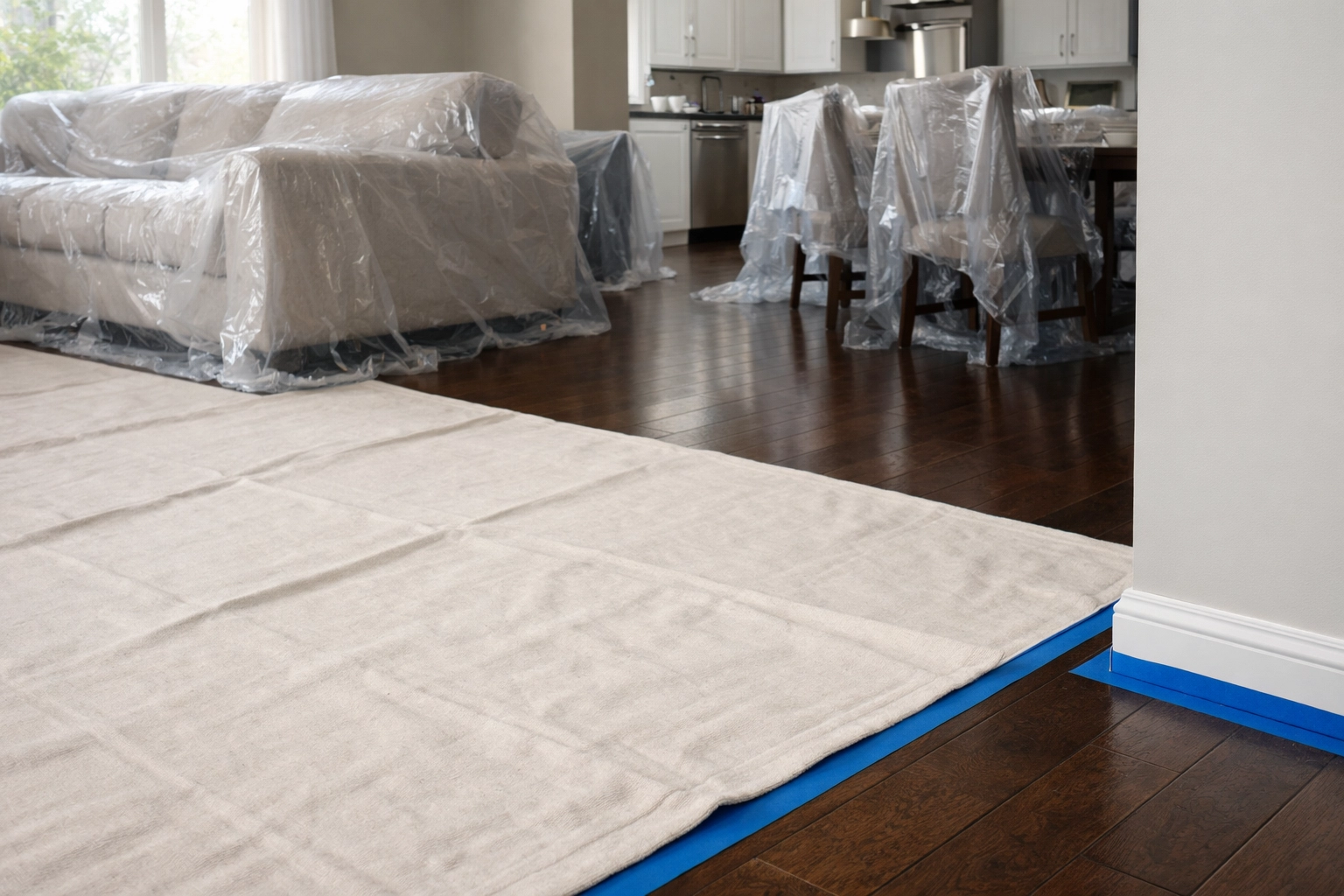
Surface Damage: Spills on high-end flooring, carpets, or furniture represent significant liability. Professional contractors implement strict "tape and drape" protocols to establish physical boundaries between the work zone and the client's assets.
Structural Impact: The use of heavy equipment, such as lifts or scaffolding, can cause structural damage to driveways, decks, or interior walls. Coverage ensures the business is protected if these tools cause unintended harm to the premises.
Understanding the "Care, Custody, or Control" exclusion is vital. Standard liability policies may exclude damage to the specific surface being worked on. Contractors should verify that their policy includes appropriate endorsements to address the nuances of professional painting. For more information on business-related coverage, visit Insurance Alliance Business Insurance.
Ladder Safety and Regulatory Compliance
Work at heights is the primary source of physical risk for painting professionals. Adherence to Occupational Safety and Health Administration (OSHA) standards is not merely a safety recommendation but a regulatory mandate.
OSHA Ladder Standards (1926.1053)
Compliance requires strict adherence to ladder selection, inspection, and usage protocols.
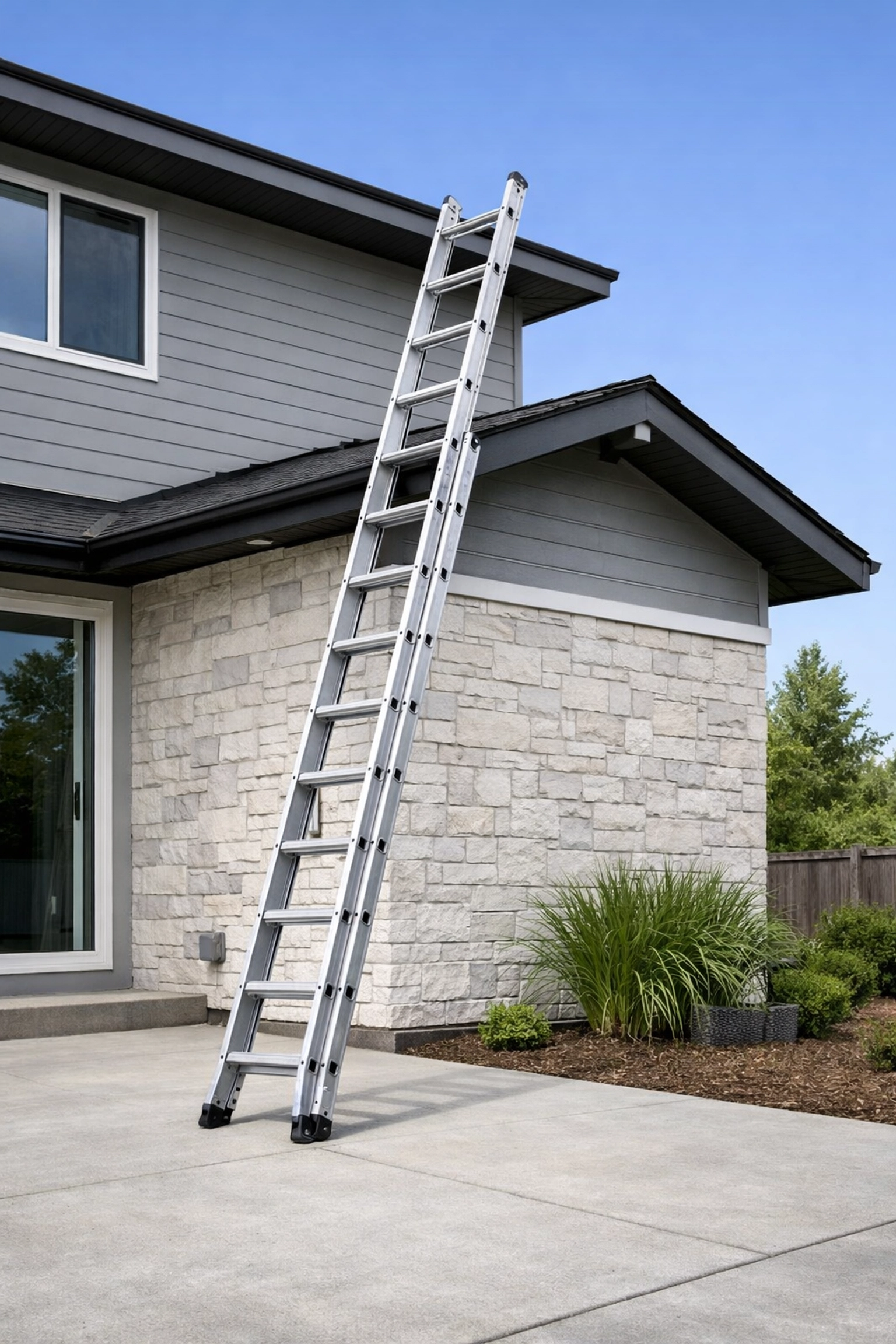
Selection and Rating: Ladders must be rated for the appropriate weight capacity. Type IA (300 lbs) and Type IAA (375 lbs) are standard for industrial use. Using a ladder with an insufficient duty rating constitutes a safety violation.
The 4-to-1 Rule: For extension ladders, the base must be placed one foot away from the wall for every four feet of height. Failure to maintain this angle increases the risk of base slippage or top-heavy tipping.
Three Points of Contact: Maintaining two feet and one hand, or two hands and one foot, on the ladder at all times is a core safety requirement.
Inspection Intervals: Ladders must be inspected before every shift. Any equipment showing signs of structural weakness, such as bent rails or missing rungs, must be tagged as "Out of Service" immediately.
Risk Management for Height Operations
Managing the risks associated with ladders involves consistent training and documentation. Keeping a log of safety meetings and equipment inspections demonstrates a commitment to workplace safety. This proactive approach supports the overall risk profile of the business. Similar safety considerations apply to other trades, which you can read about in our Complete Guide to General Contractor Insurance.
Scaffolding Safety and Structural Integrity
For larger commercial or residential projects, scaffolding provides a more stable platform than ladders. However, scaffolding introduces complex safety requirements under OSHA 1926.451.
Scaffolding Design and Capacity
Scaffolding must be designed by a "qualified person" and loaded according to that design. It must support its own weight and at least four times the maximum intended load.
Planking: All working levels must be fully planked or decked between the front uprights and the guardrail supports.
Base Plates and Mud Sills: Scaffolding must be erected on stable ground. Base plates and mud sills are required to prevent the structure from sinking or shifting.
Guardrails: Fall protection, typically in the form of guardrails, is required for any platform ten feet or more above a lower level.
Fall Protection Systems
In scenarios where scaffolding or ladders are insufficient, personal fall arrest systems (PFAS) may be necessary. Compliance involves the use of harnesses, lanyards, and anchor points that meet specific tensile strength requirements. Regular "fit testing" and inspection of webbing and hardware are essential components of a comprehensive risk management program.
Workers' Compensation and Employee Safety
Workers' compensation is a statutory requirement for businesses with employees. It ensures that medical expenses and lost wages are covered in the event of a workplace injury. In the painting industry, where falls and repetitive motion injuries are common, this coverage is indispensable.
Compliance and Record-Keeping
Maintaining accurate records of employee hours, safety training attendance, and incident reports is critical for compliance. Proof of workers' compensation is often a prerequisite for obtaining municipal permits or securing contracts with commercial property managers.
Contractors must also ensure that any subcontractors they engage carry their own workers' compensation coverage. Failing to verify a subcontractor's insurance can lead to the primary contractor becoming responsible for any injuries sustained by the subcontractor's staff. You can find additional resources on managing professional risks at the Insurance Alliance Blog.
Lead-Safe Certification and EPA Regulations
The Environmental Protection Agency (EPA) mandates the Lead-Safe Certification for contractors working in homes, child-care facilities, and pre-schools built before 1978. The Renovation, Repair, and Painting (RRP) Rule is a critical compliance factor for the painting industry.
The RRP Rule Requirements
Lead-based paint dust is a significant health hazard. Contractors must follow specific lead-safe work practices:
Containment: The work area must be sealed with heavy-duty plastic to prevent dust from escaping.
Prohibited Practices: Open-flame burning or torching of lead-based paint is strictly prohibited. High-speed sanding or grinding without HEPA exhaust control is also banned.
Cleaning Verification: After the project is complete, the area must be cleaned using HEPA-filtered vacuums and wet mopping. A certified renovator must perform a cleaning verification to ensure no lead dust remains.
Failure to comply with RRP regulations can lead to substantial legal penalties and the suspension of business licenses. Insurance policies for painting contractors often require proof of such certifications to ensure the business is operating within legal bounds.
Environmental Risks and Chemical Management
Painting operations involve the use of volatile organic compounds (VOCs), solvents, and flammable materials. Proper storage and disposal are central to environmental risk management.
Spontaneous Combustion Hazards
One of the most overlooked risks in painting is the spontaneous combustion of oily rags. Rags soaked in linseed oil or oil-based stains can generate heat as they dry. If they are piled together, the heat cannot escape, leading to fire.
Risk Mitigation: Rags must be stored in metal containers with self-closing lids or submerged in water before disposal.
Chemical Exposure and Respiratory Protection
Compliance with Hazard Communication standards requires that all chemicals used on a job site have a corresponding Safety Data Sheet (SDS). These sheets provide essential information on handling, storage, and emergency procedures.
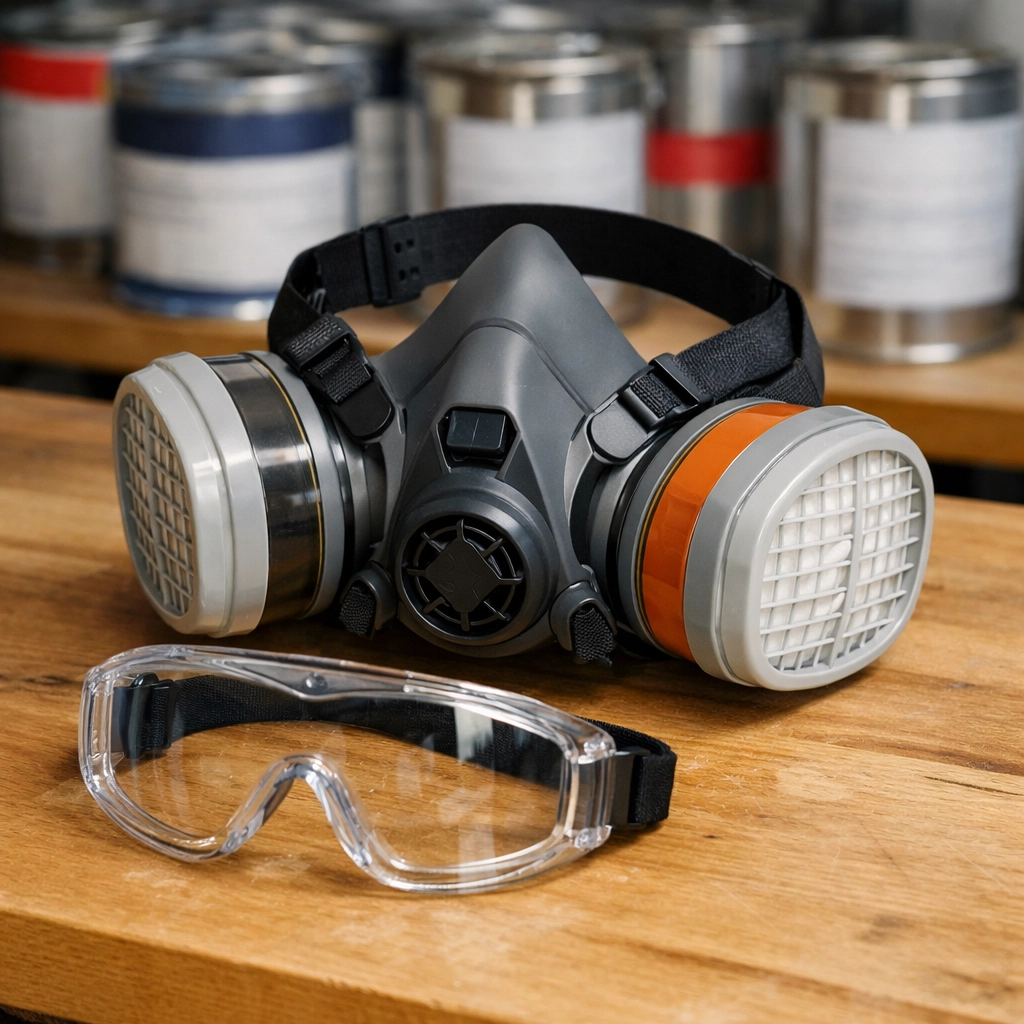
If painters are exposed to airborne contaminants above the permissible exposure limit, a formal Respiratory Protection Program is required. This includes medical evaluations for employees, fit testing for respirators, and training on proper equipment maintenance.
Tools and Equipment Coverage: Inland Marine
Painting contractors rely on specialized equipment such as airless sprayers, pressure washers, and industrial mixers. Standard property insurance often limits coverage to items located at the primary business address. Inland marine insurance, often referred to as tools and equipment coverage, protects these assets while they are in transit or at a job site.
Protecting Portable Assets
Theft and damage at job sites are common risks for contractors. Inland marine coverage ensures that the specialized tools necessary to complete a project are protected regardless of their location. This coverage is particularly important for contractors who move frequently between residential and commercial sites. For more specialized contractor coverage information, visit Roofing Contractor Insurance.
Professional Liability in the Painting Trade
While general liability covers physical damage, professional liability (or Errors and Omissions) addresses financial loss resulting from professional advice or service failure. In painting, this might involve:
Material Failure: Recommending a specific paint type that fails to adhere due to environmental conditions.
Specification Errors: Failing to meet the exact coating thickness or finish requirements specified in a commercial contract.
Professional liability coverage provides a layer of protection against claims that the work performed did not meet industry standards or contractual obligations.
Subcontractor Management and Risk Transfer
Many painting contractors utilize subcontractors to handle specialized tasks or to scale operations for large projects. Managing the risk associated with these third parties is critical.
Certificates of Insurance (COI)
Before a subcontractor steps onto a job site, they must provide a Certificate of Insurance. This document verifies that the subcontractor has their own general liability and workers' compensation coverage.
Additional Insured Status: The primary contractor should be named as an "Additional Insured" on the subcontractor's policy. This provides the primary contractor with coverage under the subcontractor's policy for liability arising from the subcontractor's work.
Indemnification Agreements: Contracts should include clear indemnification clauses that hold the subcontractor responsible for damages caused by their negligence.
Proper documentation ensures that risk is appropriately transferred to the party responsible for the work, protecting the primary business from unnecessary exposure.

Best Practices for Risk Management Documentation
Documentation is the cornerstone of insurance compliance and risk management. A well-documented business is easier to protect.
Safety Manuals: Maintain a comprehensive safety manual tailored to painting operations. This manual should be distributed to all employees and updated regularly.
Training Logs: Record every safety meeting, toolbox talk, and certification course attended by staff.
Site Inspection Checklists: Use standardized forms to document the condition of ladders, scaffolding, and property protection measures at the start of every project.
Incident Reports: In the event of an accident or property damage, document the scene with photos and written statements immediately.
Conclusion
Navigating the complexities of insurance and safety regulations is a continuous process for painting contractors. By focusing on robust property damage mitigation, strict adherence to OSHA ladder and scaffolding standards, and maintaining lead-safe certifications, contractors can build a resilient business. Understanding how general liability, workers' compensation, and inland marine coverages interact allows for a comprehensive approach to risk management.
Insurance Alliance LLC is dedicated to helping contractors navigate these requirements. For a detailed look at our services and resources, please review our Sitemap or visit Insurance Alliance LLC. Protecting your business starts with understanding the risks and implementing the necessary safeguards to manage them effectively.
Insurance Alliance LLCwww.theinsalliance.com


Comments