
Specialty Contractor Tool and Equipment Insurance: Strategies for Multi-State Asset Protection
- marketing676641
- Feb 26
- 8 min read
Specialty contractors operate in a high-stakes environment where mobile assets are the backbone of daily operations. From heavy earth-moving machinery to precision diagnostic tools, these assets are frequently moved across various jurisdictions, job sites, and storage facilities. Protecting these investments requires a sophisticated approach to insurance, specifically through the implementation of Inland Marine policies and strategic equipment scheduling. For businesses operating across multiple regions, asset protection strategies must account for the unique risks associated with transit, off-site storage, and varying project environments.
The Role of Inland Marine Insurance in Asset Protection
Standard commercial property insurance is typically designed to protect assets housed at a fixed location. For specialty contractors, this creates a significant coverage gap, as equipment is rarely stationary. Inland Marine insurance serves as the primary mechanism for protecting property that is in transit or located away from the primary business premises. This coverage is essential for contractors who move tools and machinery between different states and job sites.
The term "Inland Marine" is a historical vestige of ocean marine insurance, adapted for land-based transportation and mobile property. In the context of modern construction, it functions as a "floater" policy. This means the coverage follows the equipment regardless of its physical location, provided it remains within the policy’s defined territory. This portability is critical for maintaining compliance with project contracts that require proof of continuous coverage for all equipment brought onto a site.
Scheduled vs. Unscheduled Equipment Strategies
A fundamental decision in structuring a contractor’s equipment policy is the choice between scheduling individual items or utilizing unscheduled "blanket" coverage. Each method serves a specific purpose in a comprehensive risk management plan.
Detailed Equipment Scheduling
Scheduling involves listing high-value items individually on the policy. This list typically includes the make, model, year, and serial number of the machine, along with its specific valuation. For specialty contractors, scheduling is recommended for any equipment that exceeds a certain valuation threshold or is essential for specialized operations.
The primary benefit of scheduling is the precision of coverage. By identifying a specific piece of machinery, the policy ensures that the limit for that item is dedicated and clearly defined. This eliminates ambiguity during valuation processes. Furthermore, scheduling allows for more accurate tracking of assets as they move between different project locations. For multi-state operations, an accurate schedule serves as a master inventory list that can be used for internal audits and compliance verification.
Unscheduled (Blanket) Coverage for Small Tools
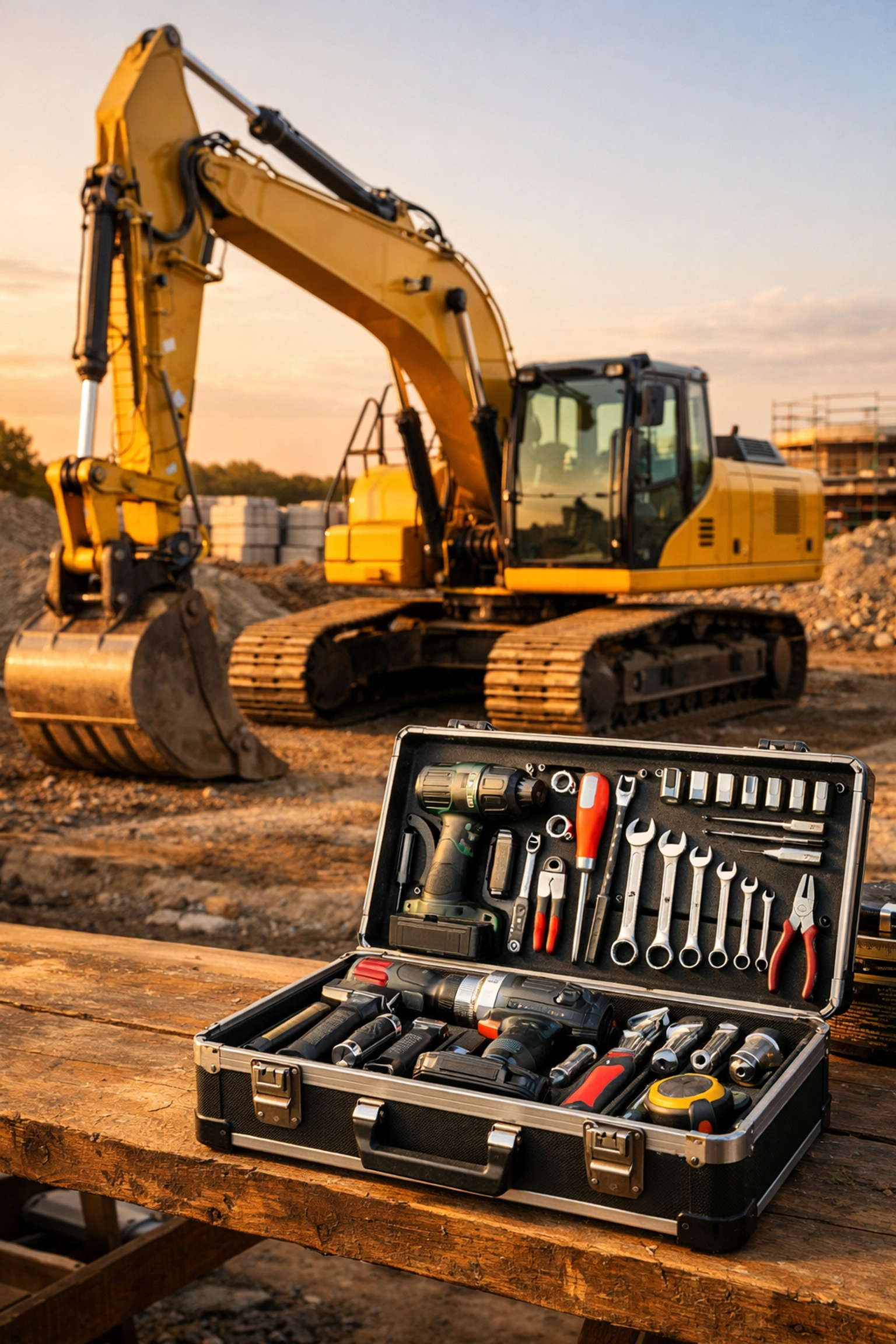
Small tools and miscellaneous equipment are often grouped under an unscheduled limit. This category includes items such as hand tools, ladders, power drills, and other low-value assets that are frequently replaced or moved in bulk. Managing a schedule for hundreds of individual hand tools is administratively burdensome and inefficient.
An unscheduled limit provides a total aggregate amount of coverage for these miscellaneous items. This approach ensures that the "small stuff" is protected without the need for constant updates to the policy schedule. However, it is a best practice for contractors to maintain internal records of these tools to support inventory management and risk mitigation efforts.
Strategies for Multi-State Asset Protection
Operating in multiple states introduces logistical complexities that can impact the security and integrity of contractor equipment. Asset protection strategies must be robust enough to handle various environmental conditions and site security standards.
Transit and Transportation Risks
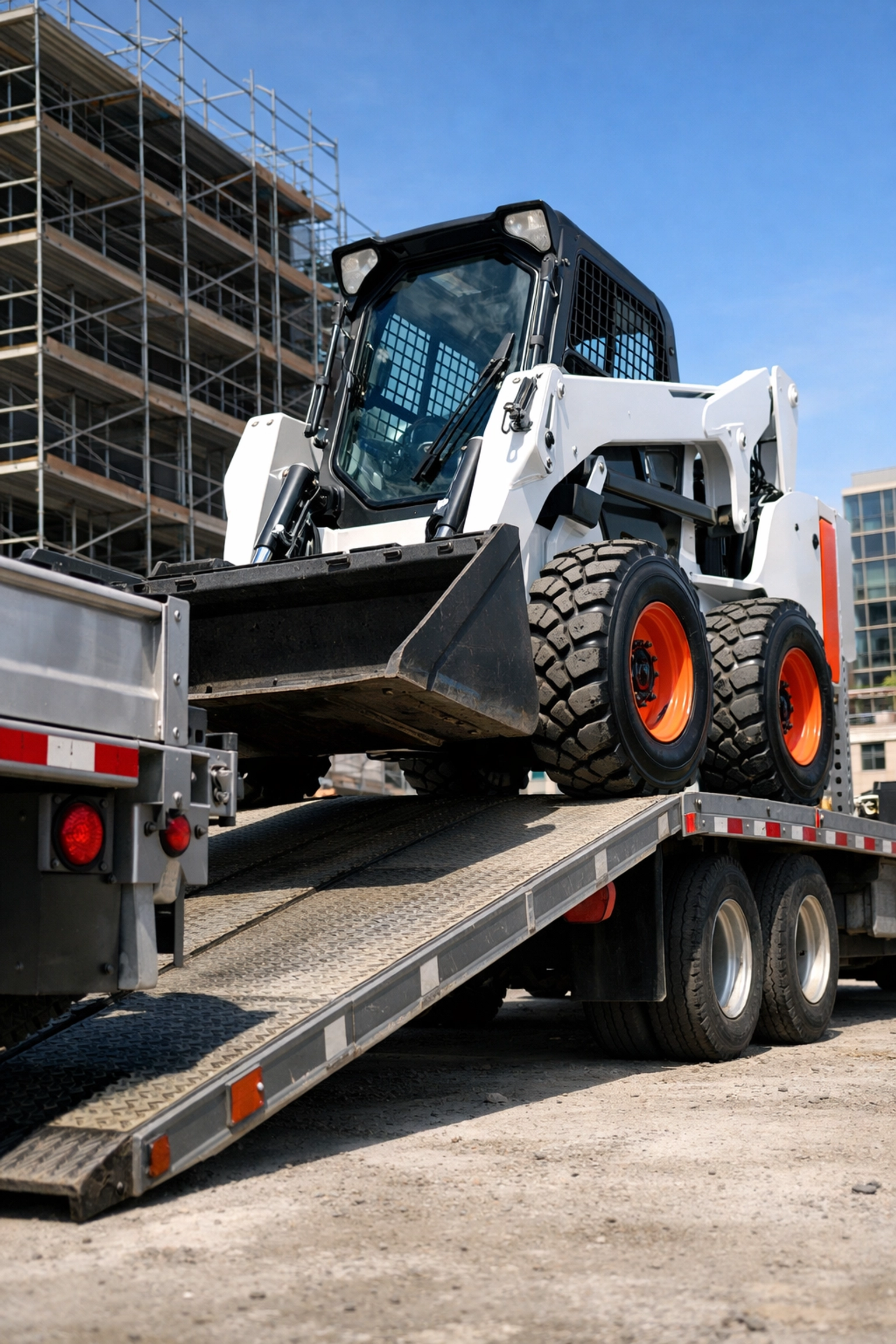
Equipment is often at its most vulnerable while in transit. Whether being hauled on a trailer or driven between sites, assets are exposed to road accidents, shifting loads, and theft during overnight stops. A comprehensive Inland Marine policy must include specific provisions for transit risks.
Specialty contractors should implement strict loading and securing protocols to mitigate the risk of damage during movement. Furthermore, when equipment is moved across state lines, the transit duration increases, necessitating secure parking arrangements and the use of GPS tracking to monitor the location of high-value assets in real-time.
Job Site Security and Storage
Once equipment arrives at a job site, it remains exposed to the elements and potential unauthorized access. Multi-state operations often mean working in unfamiliar territories where local crime patterns or weather risks may differ from the home office location.
Risk management strategies for job site protection include:
The use of high-security locking mechanisms and "smart" locks.
Installation of temporary fencing and lighting in equipment staging areas.
Utilizing telematics to set "geofences" that alert management if equipment is moved outside of designated work zones.
Implementing a "last-in, first-out" strategy for high-value tools to minimize the time they spend on unsecured sites.
Protection for Rented, Leased, and Borrowed Equipment
Specialty contractors frequently supplement their owned fleet with rented or leased machinery to meet specific project demands. Many contractors mistakenly assume their general liability policy covers these items. In reality, equipment in the "care, custody, and control" of the contractor usually requires specific endorsements under an Inland Marine form.
Care, Custody, and Control
The "care, custody, and control" exclusion is a standard feature of many liability policies, meaning the policy will not pay for damage to property that the insured is currently using or managing. To bridge this gap, contractors must ensure their equipment insurance includes a "Leased or Rented from Others" endorsement.
This endorsement extends the same protections found on the owned equipment schedule to items obtained through rental agreements. It is vital to verify that the limits provided for rented equipment are sufficient to cover the full replacement value of the largest single piece of machinery the contractor might rent.
Borrowed Equipment and Mutual Aid
In some specialty trades, contractors may borrow equipment from partners or subcontractors. Without specific language in the policy addressing non-owned equipment, these borrowed assets may be entirely unprotected. A comprehensive policy structure should include broad definitions of "covered property" to include items for which the contractor has a contractual responsibility to provide insurance.
Newly Acquired Equipment Clauses
The dynamic nature of construction often requires the immediate acquisition of new tools or machinery. To prevent coverage gaps between the time an item is purchased and the time it is added to the formal insurance schedule, policies often include a "Newly Acquired Property" clause.
This provision provides automatic coverage for new equipment for a limited period, typically 30 to 60 days. This window allows the contractor to integrate the new asset into their operations while giving the administrative team time to update the official equipment schedule. Relying on this clause requires diligent administrative follow-up to ensure that the item is permanently added before the automatic window expires.
Compliance and Contractual Obligations
Insurance is not just a tool for financial protection; it is a critical component of regulatory and contractual compliance. Most master service agreements (MSAs) and project-specific contracts require contractors to demonstrate proof of equipment insurance.
Certificates of Insurance (COI)
A Certificate of Insurance is the standard document used to verify coverage to project owners and general contractors. For multi-state projects, these certificates must accurately reflect the limits and types of coverage in place. Failure to provide a valid COI can lead to project delays or breaches of contract. For more information on business insurance requirements, visit Insurance Alliance LLC Business Insurance.
Meeting Valuation Requirements
Contracts may specify how equipment should be valued: either at Actual Cash Value (ACV) or Replacement Cost. Understanding these definitions is essential for compliance. ACV accounts for depreciation, while Replacement Cost provides for the purchase of a new, similar item. Contractors must ensure their policy valuation methods align with the requirements set forth in their project contracts to avoid disputes over coverage adequacy.
Risk Management: Telematics and Data-Driven Protection
Modern specialty contractors are increasingly turning to technology to enhance their asset protection strategies. Telematics and GPS tracking provide a layer of security that traditional insurance cannot offer.
Real-Time Monitoring
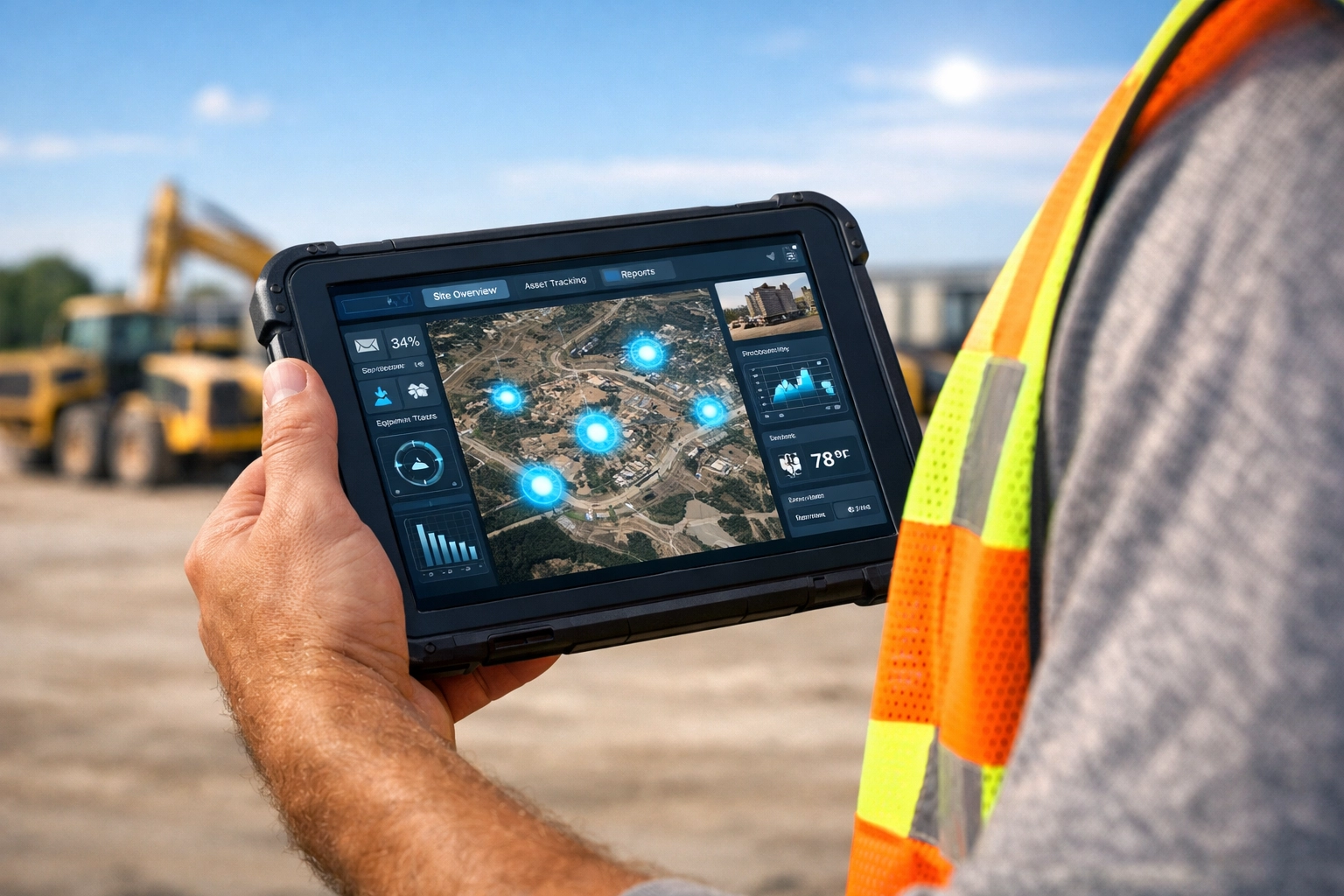
Telematics systems provide data on equipment location, engine hours, and maintenance needs. From a risk management perspective, this data allows contractors to verify that equipment is being used safely and is located exactly where it is supposed to be. If a piece of machinery is moved after hours, immediate alerts allow for rapid response, increasing the likelihood of asset recovery.
Maintenance as Risk Mitigation
Mechanical failure can lead to accidents and property damage. By using data to stay ahead of maintenance schedules, contractors reduce the risk of on-site incidents. A well-maintained fleet is a safer fleet, and documenting maintenance history is a key component of a professional risk management program.
Environmental and Disaster Risks
Contractors operating in various regions must be prepared for diverse environmental risks, including floods, windstorms, and earthquakes. Equipment insurance typically covers these "perils," but the extent of coverage can vary based on the policy form.
Recoop Disaster Insurance Integration
In the event of a significant natural disaster, traditional insurance processes may take time to activate. Supplemental solutions like Recoop Disaster Insurance can provide a lump-sum benefit to help cover immediate recovery needs that may not be addressed by standard policies. This can include the costs of setting up temporary staging areas or moving equipment out of a disaster zone. Learn more about specialized protection at Insurance Alliance LLC.
Debris Removal and Cleanup
If equipment is damaged on a job site due to a catastrophic event, the cost of removing the wreckage and cleaning up the area can be substantial. Many Inland Marine policies include a sub-limit for debris removal. Specialty contractors should ensure this limit is sufficient, especially when working with large machinery or in environmentally sensitive areas where cleanup requirements are more stringent.
Inventory Management and Documentation Best Practices
The effectiveness of an equipment insurance policy is largely dependent on the quality of the contractor’s internal records. In the event of an incident, the ability to provide clear documentation is paramount.
Maintaining a Master Inventory
A master inventory should be updated in real-time and include:
Digital photos of each piece of equipment from multiple angles.
Scanned copies of original purchase receipts or rental agreements.
Detailed records of serial numbers and identifying marks.
A log of which job site each item is currently assigned to.
Employee Tools and Personal Property
Many specialty contractors allow employees to use their own tools on the job. Policies can be extended to cover employee tools, but this requires clear communication regarding which items are covered and up to what limit. Establishing a policy for employee tool storage and security is a vital part of internal risk management.
Specialized Coverage for Niche Industries
Different specialty trades have unique equipment needs that require tailored insurance solutions.
Roofing Contractors
Roofing contractors utilize specialized equipment such as kettles, hoists, and fall protection systems. These assets face unique risks related to height and heat. Ensuring that these specific tools are included in the Inland Marine schedule is essential for operational continuity. For more on this sector, see Roofing Contractor Insurance.
Restaurant and Hospitality Equipment
While often viewed as static, the equipment used by mobile catering or specialized restaurant contractors is frequently in transit. From industrial ovens to refrigeration units, these assets require protection against spoilage and mechanical breakdown while being moved between venues. Detailed information on these risks can be found at Restaurant Insurance.
Professional Consultation and Policy Review
The complexity of multi-state asset protection means that "off-the-shelf" insurance policies are rarely sufficient for specialty contractors. A professional review of all Inland Marine forms, equipment schedules, and contractual requirements is necessary to ensure comprehensive protection.
Insurance Alliance LLC provides expert guidance for contractors looking to secure their mobile assets across various jurisdictions. By focusing on detailed scheduling, robust risk management, and compliance-driven policy structures, contractors can focus on their projects with the confidence that their tools and equipment are protected against the unforeseen.
For a broader understanding of how these coverages fit into a total insurance portfolio, contractors may review The Complete Guide to General Contractor Insurance in 2025.
Maintaining a resilient operation requires more than just high-quality tools; it requires a sophisticated approach to managing the risks associated with those tools. Through strategic equipment scheduling and the utilization of broad Inland Marine coverage, specialty contractors can protect their most valuable assets across the country.
Insurance Alliance LLC Coverage across multiple states. www.theinsalliance.com

Comments