
Plumbing Professionals: Why Professional Liability and Pollution Coverage are Non-Negotiables
Plumbing operations involve complex mechanical systems, intricate design requirements, and the handling of substances that pose significant environmental risks. While standard general liability insurance addresses fundamental risks such as third-party bodily injury or property damage from accidents, it often leaves substantial gaps concerning professional advice and environmental hazards. For modern plumbing businesses, professional liability and pollution coverage are essential components of a robust risk management strategy.
Understanding the Professional Liability Gap
Professional liability, often referred to as Errors and Omissions (E&O) insurance, protects plumbing professionals from risks associated with the specialized knowledge and advice they provide. Many contractors operate under the assumption that general liability covers every aspect of their work. However, general liability is designed to address physical accidents. If a plumbing firm provides a design, a specification, or a professional recommendation that results in a financial loss for a client: without causing immediate physical damage: the general liability policy may not respond.
Professional liability focuses on the intellectual and consultative side of the trade. This includes the selection of materials, the design of layout systems for commercial buildings, and the advice given regarding system capacities. As systems become more technologically advanced, the margin for error in design increases. Plumbing professionals are now expected to integrate water filtration systems, high-efficiency boilers, and complex greywater recycling systems. Each of these requires specific professional expertise.
Design and Specification Risks
In many projects, particularly commercial or high-end residential builds, plumbers act as designers. When a plumbing professional specifies a particular pump size or pipe diameter, they are performing a professional service. If the specified equipment fails to meet the building's operational requirements, the resulting deficiency is considered a professional error.
Risk management in this area involves ensuring that all designs are vetted against current engineering standards. Professional liability coverage provides a layer of protection when these designs are called into question. It addresses the "failure to perform" aspect of a contract that stems from professional negligence or mistakes in the planning phase. For more information on comprehensive business protections, visit Insurance Alliance LLC business insurance.
Consultative Services and System Recommendations
Plumbing professionals often serve as consultants to general contractors and property owners. This role includes recommending specific brands, materials, or system configurations. If a recommendation leads to a system that is inefficient, non-compliant with local codes, or incapable of handling the intended load, the professional can be held accountable for the resulting economic loss. Professional liability is structured to manage the fallout from these consultative errors.

The Critical Nature of Pollution Coverage
Pollution liability is one of the most overlooked areas in plumbing insurance. Standard commercial general liability (CGL) policies typically contain a "Total Pollution Exclusion." This means that any incident involving the discharge, dispersal, release, or escape of "pollutants" is excluded from coverage. In the context of plumbing, many common materials and situations qualify as pollutants.
Defining Pollutants in Plumbing
For a plumbing contractor, pollutants are not limited to industrial chemicals. They include:
Sewage and wastewater.
Silt and sediment from excavation.
Chemicals used for pipe cleaning or soldering.
Microbial matter, including mold and Legionella.
Refrigerants from associated HVAC work.
Leaching of lead or other metals from older piping systems during repair.
Without a specific pollution endorsement or a standalone contractor’s pollution liability (CPL) policy, the plumbing business remains exposed to the vast risks associated with these materials.
Environmental Risks in Residential and Commercial Settings
In residential settings, a common pollution risk involves the accidental release of raw sewage during a main line repair. If sewage enters the soil or affects a local waterway, the remediation requirements are stringent and overseen by environmental protection agencies.
In commercial settings, the risks scale significantly. Commercial plumbers often work with grease traps, chemical disposal systems in laboratories, and large-scale waste management systems. A leak in these systems does not just cause water damage; it causes environmental contamination. The process of decontaminating a site, disposing of hazardous waste, and restoring the environment is a specialized and regulated procedure.
Legionella and Microbial Contamination
One of the most significant professional and environmental risks facing modern plumbers is the growth and dispersal of Legionella bacteria within potable water systems. This is particularly relevant for those working on large commercial buildings, hospitals, and hotels.
Professional liability comes into play if the plumbing system's design inadvertently creates "dead legs" or temperature zones that encourage bacterial growth. Pollution coverage is necessary if the system eventually disperses these pathogens, leading to environmental contamination within the building's water supply. Managing these risks requires strict adherence to ASHRAE standards and regular system maintenance protocols.
Mold and Moisture Management
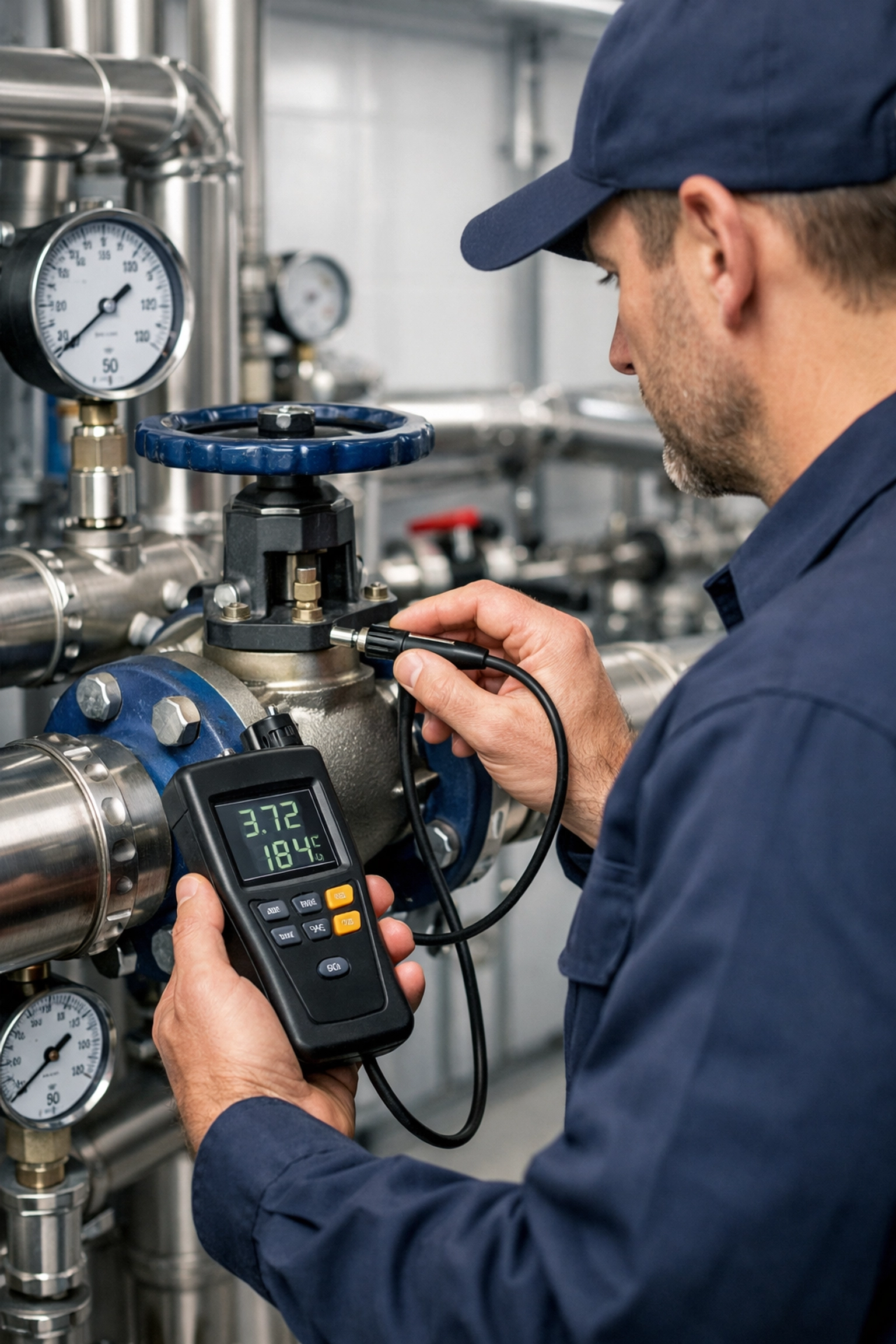
Whenever water is present, the risk of mold growth exists. If a slow leak occurs due to a professional error in installation or a faulty design, mold can proliferate behind walls and within HVAC systems. Most standard insurance policies have sub-limits or total exclusions for mold. Specialized pollution coverage can be tailored to include microbial matter, ensuring that the business is protected against the long-term environmental consequences of water intrusion.
Regulatory Compliance and Industry Standards
Plumbing professionals must navigate a complex web of regulations. Compliance is not just about following the local building code; it involves adhering to environmental laws and safety standards.
Environmental Regulations
Federal and state environmental agencies have strict guidelines regarding the disposal of waste and the protection of water sources. A plumbing business that causes an environmental incident must comply with mandatory reporting and cleanup protocols. Pollution coverage is designed to align with these regulatory requirements, providing the resources necessary to meet legal obligations for remediation and site restoration.
Contractual Compliance
In the current construction environment, general contractors and project owners are increasingly requiring subcontractors to carry professional liability and pollution coverage. Many contracts for large-scale projects will specify the necessity of these coverages before a plumber can even step onto the job site. Failure to maintain these coverages can result in a breach of contract and the loss of significant business opportunities. For insights into general contractor requirements, see The Complete Guide to General Contractor Insurance.
Risk Management Strategies for Plumbing Professionals
Securing insurance is only one part of a comprehensive risk management plan. Plumbing businesses must also implement internal controls to mitigate professional and environmental risks.
Comprehensive Documentation
Maintaining detailed records of designs, material choices, and client communications is vital. If a professional error is alleged, documentation serves as the primary evidence of the standard of care provided. This includes:
Signed-off design plans and specifications.
Change orders documented in writing.
Maintenance logs for specialized equipment.
Photographic evidence of completed work before it is closed in by walls or flooring.
Training and Continuing Education
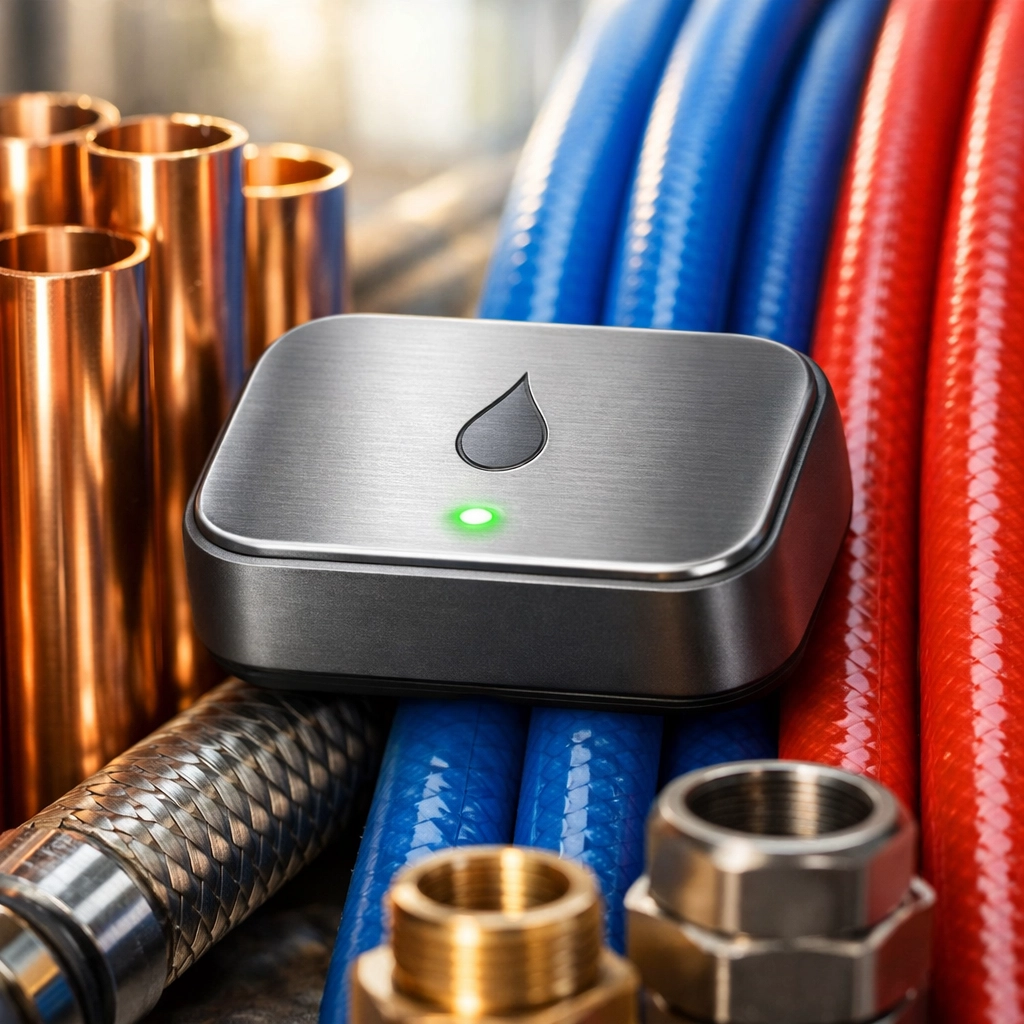
The plumbing industry evolves rapidly. Staying current with the latest materials, such as PEX vs. copper nuances, and new technologies like smart leak detection systems, is essential for reducing professional errors. Regular training sessions for field staff on environmental safety and spill containment can significantly reduce the likelihood of a pollution event.
Material Selection and Vetting
Using high-quality, certified materials reduces the risk of system failure. Plumbing professionals should vet their suppliers and ensure that all materials meet the necessary certifications for the specific environment in which they are being installed. Using materials that are not rated for a specific pressure or temperature is a common source of professional liability.
The Intersection of Plumbing and Other Trades
Plumbing often overlaps with other mechanical trades, such as HVAC and fire suppression. When these systems are integrated, the risk of a professional error increases. For example, a mistake in the design of a boiler system that also provides radiant heating involves multiple disciplines. Ensuring that professional liability coverage extends to all areas of expertise practiced by the firm is critical.
Plumbing contractors who also perform roofing-related tasks, such as installing drains or flashing, face unique risks. Understanding how these coverages interact is vital for businesses with a diverse service offering. More specialized information can be found at Insurance Alliance LLC roofing contractor insurance.
Identifying Hidden Pollution Hazards
Many pollution hazards are not immediately obvious. For example, during the renovation of an older building, a plumber may encounter asbestos insulation or lead pipes. Disturbing these materials without proper containment can lead to an environmental incident.
Excavation and Soil Contamination
Plumbers who perform their own excavation for sewer or water lines face the risk of hitting underground storage tanks or utility lines. Even if the utility line is not a "pollutant" itself, the resulting disruption can cause soil instability or the release of substances from the surrounding earth. Silt runoff from an open trench into a storm drain is a common environmental violation that is often excluded from general liability but covered under a pollution policy.
The Role of Insurance Alliance LLC in Professional Protection
Navigating the nuances of professional liability and pollution coverage requires specialized knowledge. Insurance Alliance LLC serves as a dedicated partner for plumbing professionals, providing guidance on coverage structures that address the specific risks of the trade. By focusing on the details of coverage and risk management, we help businesses maintain compliance and protect their long-term viability.
Our approach emphasizes the importance of understanding the fine print in insurance contracts. We assist in identifying where a CGL policy ends and where professional or pollution coverage must begin. This ensures that there are no "silent" gaps in protection that could jeopardize the business during a complex incident.
Tailored Coverage for Specialized Plumbers
Whether a business focuses on residential repair, new commercial construction, or industrial piping, the risk profile is different. A residential service plumber may need higher limits for mold and sewage backup, while an industrial plumber might prioritize chemical pollution and professional design coverage. Insurance Alliance LLC works to align coverage with the specific operational realities of each client. Learn more about our comprehensive solutions at Insurance Alliance LLC business insurance.
Summary of Non-Negotiable Protections
To summarize, the professional plumbing firm must look beyond general liability to ensure full protection:
Professional Liability (E&O): Covers design errors, incorrect specifications, and faulty professional advice that lead to financial loss.
Contractor’s Pollution Liability (CPL): Addresses the release of pollutants, including sewage, chemicals, silt, and microbial matter (mold/Legionella).
Environmental Remediation: Provides the resources for legally mandated cleanup and site restoration following a pollution event.
Contractual Alignment: Ensures that the business meets the stringent insurance requirements of general contractors and project owners.
Building a Resilient Plumbing Business
The plumbing trade is a foundation of modern infrastructure. As that infrastructure becomes more complex, the risks associated with maintaining it grow. Relying solely on a basic insurance policy is no longer sufficient for professionals who value their business’s longevity.
By integrating professional liability and pollution coverage into their risk management framework, plumbing contractors demonstrate a commitment to quality, safety, and environmental stewardship. These coverages provide the necessary support to handle the technical and environmental challenges of the modern job site, allowing the business to focus on delivering high-quality craftsmanship.
Effective risk management is a continuous process. It involves regular reviews of insurance portfolios, staying updated on building and environmental codes, and fostering a culture of precision in the field. For plumbing professionals, these steps are not just administrative tasks: they are the components of a strategy that ensures the business remains a trusted and compliant leader in the industry.
Insurance Alliance LLC www.theinsalliance.com Protecting your professional expertise and environmental integrity across the plumbing industry.


Comments