
Managing Seasonal Staff: Florida Workers' Comp Rules for Temporary Restaurant Help
- marketing676641
- Feb 20
- 5 min read
Florida restaurants face unique workforce challenges during peak tourism seasons. When you bring on temporary or seasonal help, workers' compensation compliance becomes essential. Understanding these requirements protects your business and ensures proper coverage for every employee on your team.
Florida's Workers' Compensation Requirements for Restaurants
Florida law requires restaurants with four or more employees to carry workers' compensation insurance. This threshold includes all staff members: full-time, part-time, and seasonal workers. Your summer rush helpers and holiday season additions count toward this total.
The moment you reach four employees, coverage becomes mandatory. This applies whether you operate a beachfront seafood restaurant in Miami, a theme park eatery in Orlando, or a casual dining establishment in Tampa.

Seasonal and Temporary Staff Must Receive Full Coverage
Seasonal employees receive the same workers' compensation protection as permanent staff. Coverage begins on the date of hiring. Your temporary dishwasher hired for spring break receives identical protection to your year-round kitchen manager.
Part-time schedules do not reduce coverage requirements. A server working 15 hours per week during tourist season qualifies for the same benefits as a 40-hour employee. Employment duration does not matter: coverage applies from day one through the final shift.
What Workers' Compensation Coverage Includes
Florida workers' compensation provides comprehensive benefits for work-related injuries and illnesses. Understanding these components helps you explain coverage to seasonal staff during onboarding.
Medical Treatment Coverage
Workers' compensation pays for all necessary medical care related to workplace injuries. This includes emergency room visits, diagnostic testing, surgical procedures, physical therapy sessions, and prescribed medications. Your employee receives treatment from authorized providers within the workers' compensation network.
Temporary Disability Benefits
When an injury prevents an employee from working, temporary disability benefits provide wage replacement. Eligible workers receive two-thirds of their average weekly wage during recovery periods. These benefits continue until the employee can return to work or reaches maximum medical improvement.
Permanent Disability Benefits
Injuries resulting in lasting impairment may qualify for permanent disability benefits. Medical evaluations determine the extent of permanent limitations. Compensation reflects the severity and impact of the disability on the worker's future earning capacity.
Vocational Rehabilitation Services
Workers unable to return to their previous restaurant positions may qualify for vocational rehabilitation. These programs provide retraining and job placement assistance, helping injured employees transition to suitable alternative employment.
Employer Responsibilities for Compliance
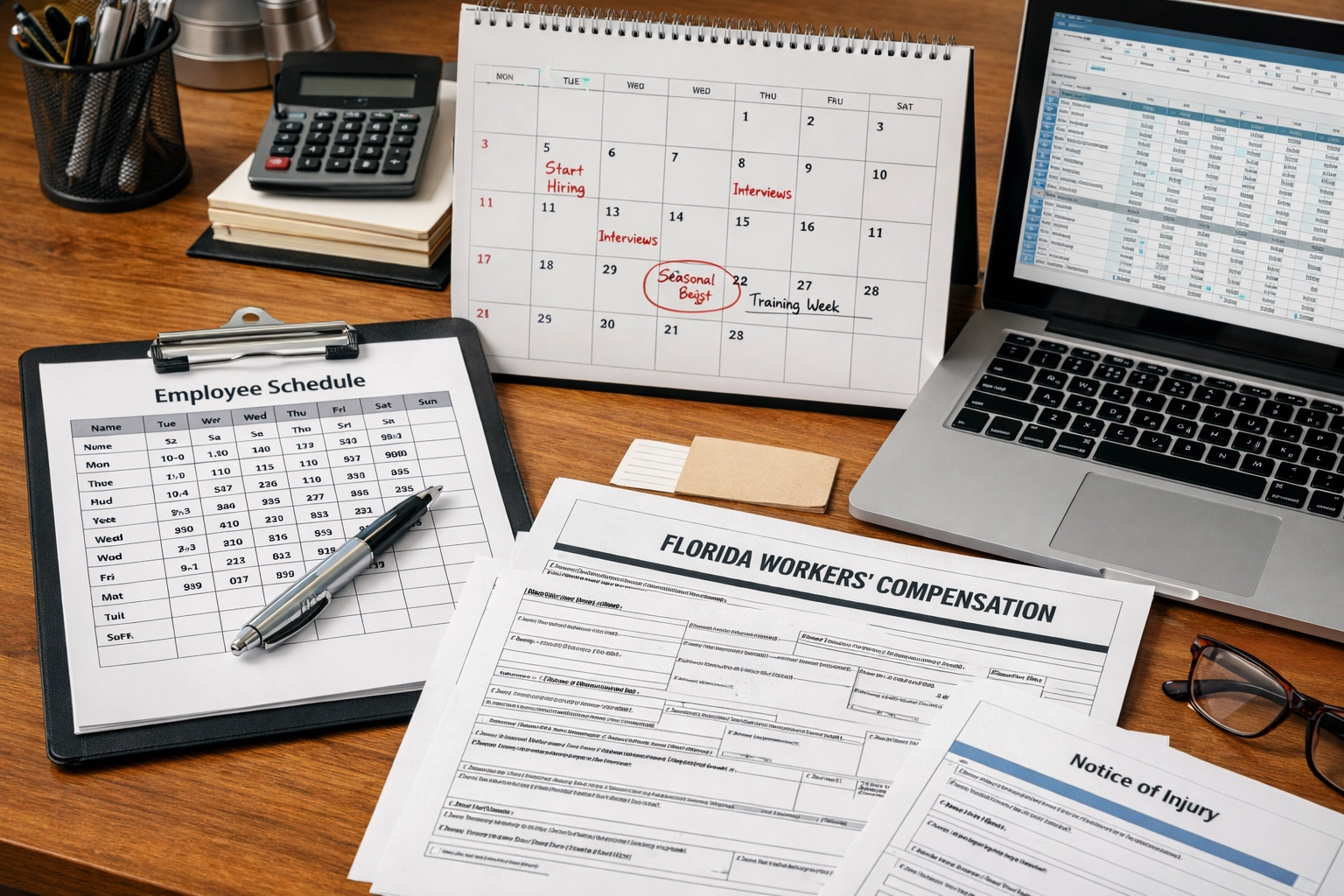
Maintaining proper workers' compensation coverage requires active management and documentation. Restaurant owners must fulfill specific duties to remain compliant with Florida regulations.
Immediate Reporting Obligations
When a seasonal employee sustains a work-related injury, you must report the incident to your insurance carrier within seven days. Prompt reporting ensures the claims process begins without delay. Even if the injury appears minor, document and report the incident according to your policy requirements.
Maintaining Accurate Employee Records
Track all employees, including seasonal and temporary staff. Your records should reflect hiring dates, work schedules, job duties, and termination dates. Accurate documentation proves compliance and supports coverage verification during audits.
Posting Required Notices
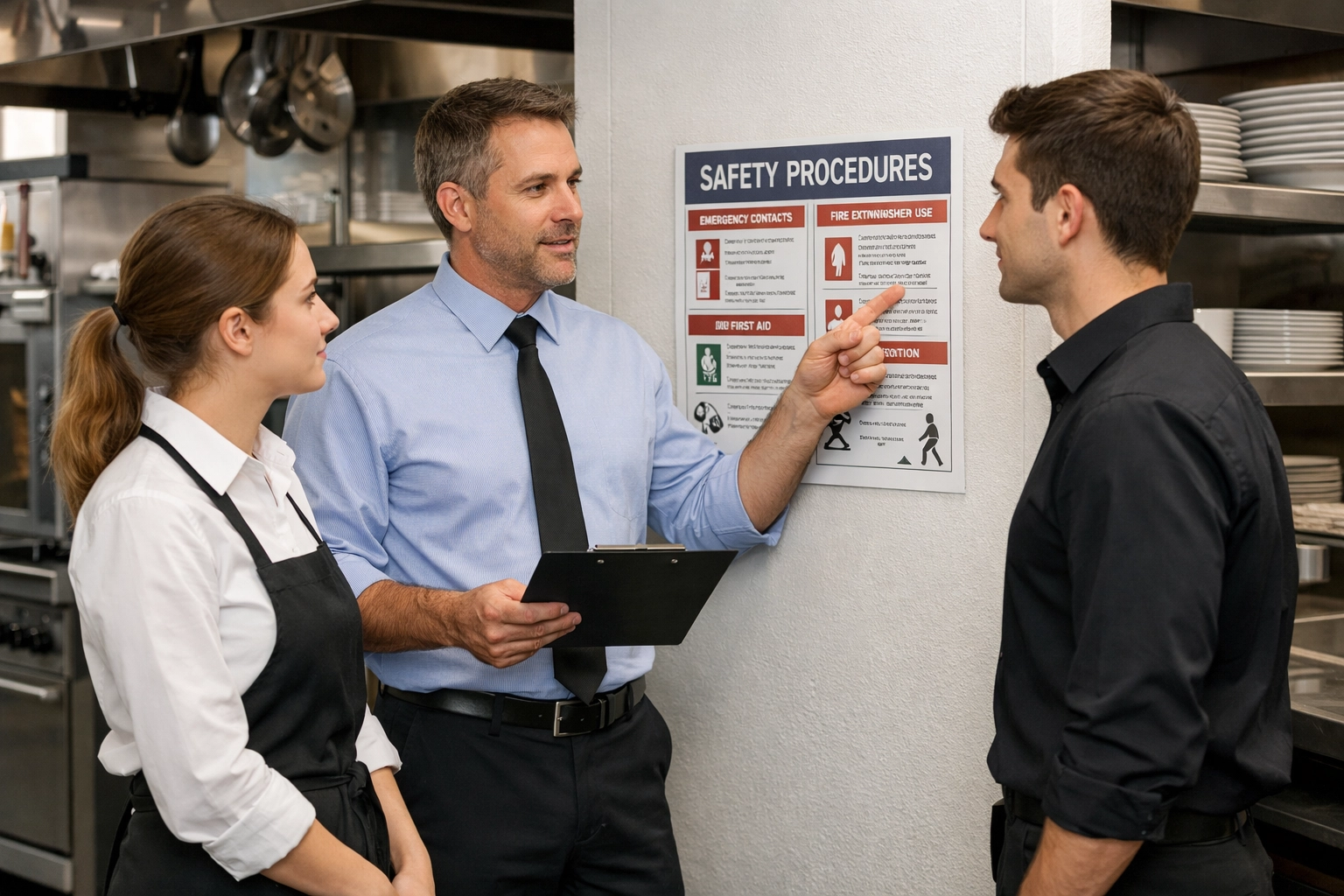
Florida law requires employers to display workers' compensation information in visible workplace locations. These notices inform employees about their rights and the process for reporting injuries. Ensure seasonal staff can access this information in break rooms and employee areas.
Common Compliance Challenges with Seasonal Staff
Restaurant owners face specific obstacles when managing workers' compensation coverage for temporary employees. Recognizing these challenges helps you avoid costly mistakes.
Worker Classification Issues
Some restaurants misclassify seasonal workers as independent contractors to avoid coverage requirements. This practice violates Florida law when you exert control over work schedules, duties, and performance. Independent contractor status requires specific criteria: casual help hired for busy shifts typically does not qualify.
The test for employee versus contractor status examines multiple factors. Do you set work hours? Do you provide training? Do you supply equipment and uniforms? These indicators suggest an employment relationship requiring workers' compensation coverage.
Documentation Gaps
Inadequate record-keeping creates compliance risks. Without proper documentation, you cannot prove coverage for seasonal employees during their employment period. Maintain hiring paperwork, schedule records, and separation documentation for all temporary staff.
Injury Reporting Delays
Seasonal employees may hesitate to report injuries, fearing job loss or assuming coverage does not apply to them. Train supervisors to encourage immediate injury reporting regardless of employment status. Establish clear reporting procedures that seasonal staff understand during orientation.
Ensuring Continuous Coverage During Staffing Changes
Restaurant staffing levels fluctuate throughout the year. Your workers' compensation coverage must adapt to these changes while maintaining compliance.
Monitoring Employee Counts
Track your total employee count regularly, especially during hiring surges. When you approach the four-employee threshold, contact your insurance representative to activate or adjust coverage. Do not wait until after you hire the fourth employee.
Communicating with Your Insurance Provider
Keep your insurance carrier informed about seasonal hiring patterns. Many restaurants experience predictable staffing increases during specific months. Proactive communication ensures your policy reflects current employee numbers without coverage gaps.
Onboarding Seasonal Staff Properly
Include workers' compensation information in your seasonal employee orientation. Explain coverage benefits, injury reporting procedures, and authorized medical providers. This education protects both your business and your temporary workers.
Risk Management for Seasonal Restaurant Operations
Beyond compliance requirements, effective risk management reduces workplace injuries among seasonal staff. New and temporary employees face higher injury risks due to unfamiliarity with your operations.
Comprehensive Safety Training
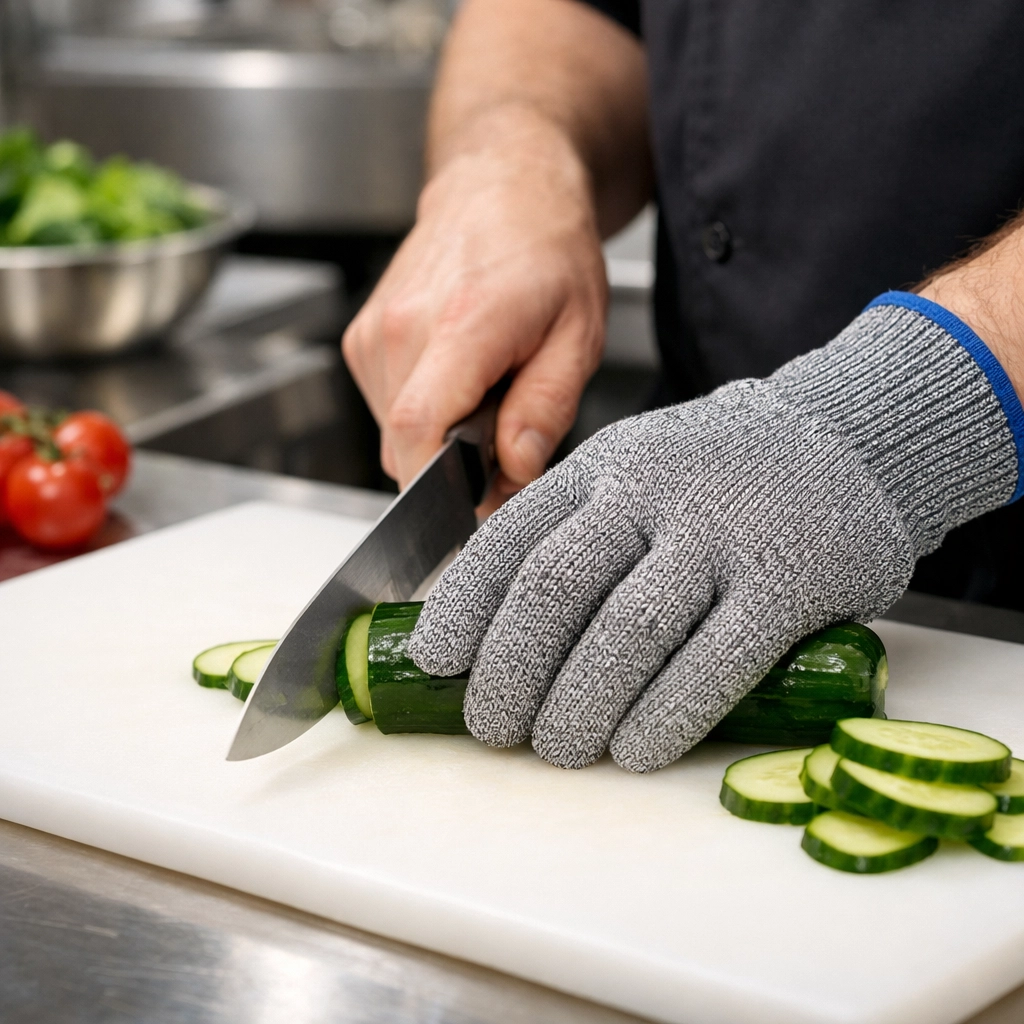
Provide thorough safety training before seasonal employees begin working. Cover proper lifting techniques, kitchen equipment operation, slip and fall prevention, and burn hazard awareness. Do not assume temporary workers understand restaurant safety protocols.
Supervision and Support
Assign experienced staff to supervise and mentor seasonal employees during initial shifts. Close supervision identifies unsafe practices before injuries occur. Regular check-ins help temporary workers feel comfortable asking safety questions.
Equipment Maintenance
Seasonal rushes strain kitchen equipment and dining area furnishings. Maintain all equipment properly to prevent failures that could injure employees. Schedule regular inspections and repairs, especially before high-volume periods.
Working with Insurance Alliance LLC
Insurance Alliance LLC helps Florida restaurants navigate workers' compensation requirements for seasonal and temporary staff. Our team understands the unique challenges of fluctuating workforce levels in the hospitality industry.
We provide guidance on compliance requirements, coverage options, and risk management strategies. Our expertise ensures your restaurant maintains proper protection as you scale staffing for busy seasons.
Maintaining Year-Round Compliance
Workers' compensation compliance is not a seasonal consideration. Your obligations continue throughout the year, adapting to staffing changes and operational needs.
Review your coverage quarterly to ensure it reflects current employee counts. Document all hiring and termination dates for seasonal workers. Maintain open communication with your insurance provider about staffing plans and coverage adjustments.
Florida's restaurant industry thrives on flexibility and responsiveness to customer demand. Your workers' compensation coverage must provide the same adaptability. Proper planning and proactive management keep your business compliant while protecting every member of your team.
Restaurant owners who understand and fulfill workers' compensation requirements create safer workplaces and avoid regulatory penalties. Seasonal employees contribute significantly to your success during peak periods. Providing them with proper coverage demonstrates your commitment to their wellbeing and your business's compliance.
Contact Insurance Alliance LLC to discuss your restaurant's workers' compensation needs and ensure complete coverage for your seasonal staff.

Comments