
Workers Compensation for Dental Practices: What You Should Know
Workers compensation insurance protects dental practices from financial liability when employees suffer work-related injuries or illnesses. This no-fault insurance system covers medical expenses, rehabilitation services, and partial wage replacement for injured workers while shielding practice owners from lawsuits and compliance penalties.
Dental practices face unique workplace hazards that make workers compensation coverage essential for protecting both employees and business operations. Understanding coverage requirements, common risks, and proper claim management helps practice owners maintain compliance and minimize exposure.
Legal Requirements for Dental Practices
Workers compensation insurance is mandatory in nearly all states once you hire your first employee. This requirement applies to all staff members, including full-time hygienists, part-time assistants, and temporary workers.
State laws mandate specific coverage levels and benefit structures. Most states require immediate compliance when adding employees to your practice roster. Failing to maintain required coverage results in significant penalties, including fines, stop-work orders, and personal liability for workplace injuries.
Practice owners must display workers compensation notices in employee areas and maintain accurate injury documentation. These compliance measures demonstrate adherence to state regulations and protect your practice during inspections or claims investigations.
Coverage Scope and Benefits
Workers compensation insurance covers all medical treatment related to workplace injuries, including doctor visits, medications, physical therapy, and medical equipment. The coverage extends beyond immediate care to include ongoing rehabilitation and specialty treatments when necessary.
Injured employees receive approximately two-thirds of their regular wages while unable to work due to covered injuries. This wage replacement continues until employees can return to their duties or reach maximum medical improvement.
Severe injuries may qualify employees for vocational rehabilitation if they cannot resume their previous position. This additional benefit helps workers transition to modified roles or develop new skills for alternative employment.
The insurance also provides death benefits to families of employees who suffer fatal workplace injuries, covering funeral expenses and providing ongoing financial support.
Common Dental Practice Injuries
Musculoskeletal disorders represent the most frequent workers compensation claims in dental practices. These injuries develop gradually through repetitive motions, sustained awkward positions, and prolonged static postures required during patient treatment.
Neck, shoulder, and lower back pain affects dental hygienists and assistants who perform scaling, polishing, and other clinical procedures. These conditions often worsen over time without proper ergonomic interventions and workplace modifications.
Needle-stick and sharp instrument injuries pose ongoing risks in dental environments. Accidental cuts from dental instruments, broken glass, or contaminated sharps require immediate medical attention and potential infectious disease testing.
Slip and fall accidents occur frequently in dental practices due to wet floors, crowded operatories, and equipment placement. These incidents can result in serious injuries requiring extensive medical treatment and extended recovery periods.
Chemical and biological exposures present additional hazards through sterilization solutions, dental materials, and patient contact. These exposures may cause immediate reactions or long-term health complications requiring ongoing medical monitoring.
Practice Owner Responsibilities
Prompt injury reporting protects both employees and practice operations. Report all workplace injuries to your insurance carrier immediately, regardless of severity. Delayed reporting can complicate claims processing and potentially void coverage for specific incidents.
Provide injured employees with required claim forms and clear instructions for seeking medical treatment. Cooperate fully with insurance investigations and never discourage employees from filing legitimate claims.
Maintain detailed injury records and incident documentation. These records support claims processing and help identify workplace hazards requiring attention. Accurate documentation also protects your practice during regulatory inspections or legal proceedings.
Create return-to-work programs when possible to help injured employees safely resume modified duties during recovery. These programs reduce wage replacement costs while supporting employee rehabilitation and retention.
Never retaliate against employees who file workers compensation claims. Retaliation violates state and federal laws and can result in additional legal complications beyond the original injury claim.
Risk Reduction Strategies
Ergonomic equipment reduces injury risks for dental teams performing repetitive tasks. Adjustable operator chairs with lumbar support help clinicians maintain neutral postures during patient treatment. Ergonomic instruments with larger grips and textured surfaces require less force to control, reducing hand and wrist strain.
Implement proper lifting techniques and mechanical aids for heavy equipment or patient transfers. Train staff on safe lifting procedures and provide lifting assistance when needed to prevent back injuries.
Maintain clean, dry floors throughout patient and staff areas. Use non-slip mats in wet areas and immediately address spills or water accumulation. Proper lighting and clear pathways reduce slip and fall risks.

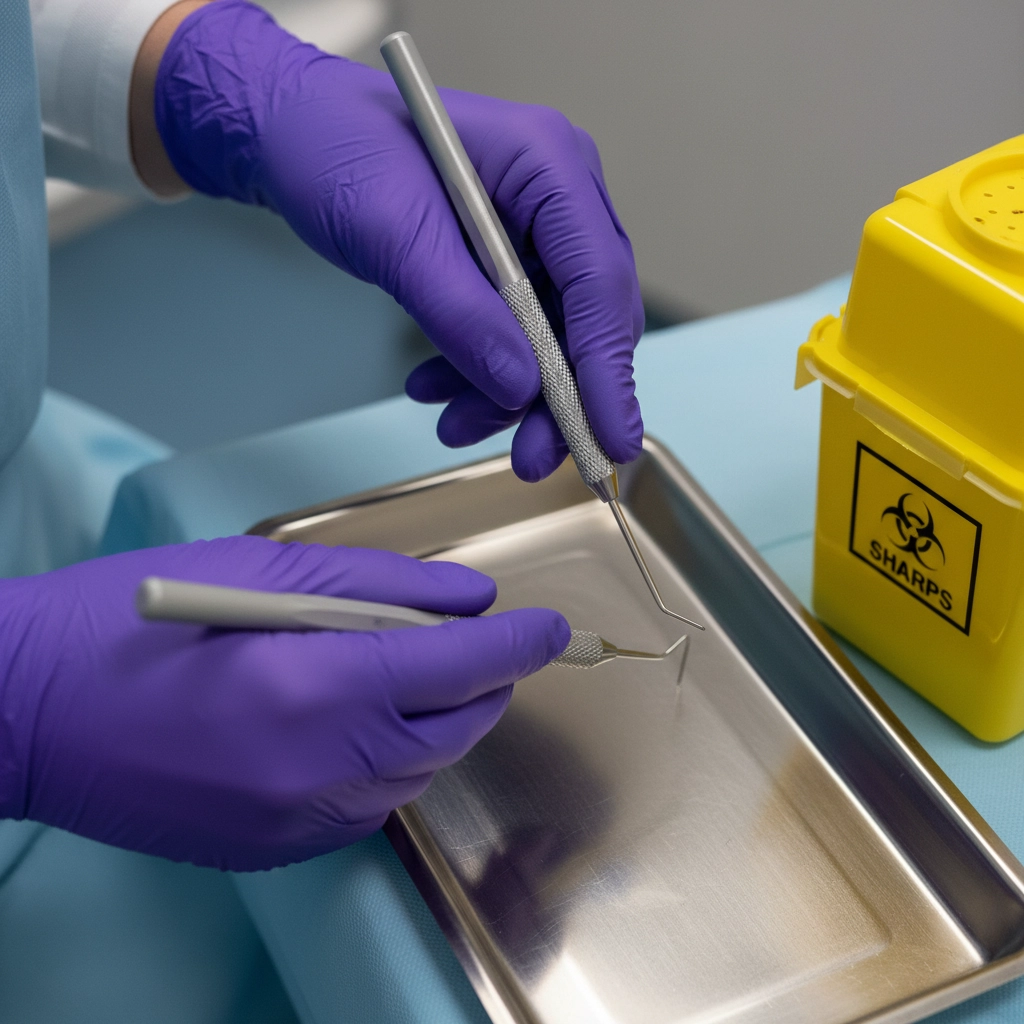
Establish protocols for handling sharp instruments and disposal of contaminated materials. Use puncture-resistant containers for sharps disposal and never recap needles by hand. Provide appropriate personal protective equipment and ensure proper fit and usage.
Regular safety training keeps workplace hazards at the forefront of employee awareness. Review proper techniques for common procedures and update safety protocols as new equipment or procedures are introduced.
Claim Management Best Practices
Immediate response to workplace injuries protects both injured employees and your practice. Provide first aid when appropriate and arrange professional medical evaluation for all but the most minor injuries. Document the incident thoroughly while details remain fresh.
Designate specific staff members to handle workers compensation communications and paperwork. This centralized approach ensures consistent information sharing and reduces communication errors during claims processing.
Maintain regular contact with injured employees during their recovery period. This communication demonstrates genuine concern for employee welfare while keeping you informed about treatment progress and return-to-work timelines.
Work closely with your insurance carrier's claims representatives and follow their guidance for managing specific situations. Their expertise in handling dental practice claims provides valuable support during complex injury cases.
Monitor claims experience and identify patterns that suggest workplace hazard concerns. Recurring injury types may indicate equipment problems, training gaps, or procedural issues requiring attention.
Choosing the Right Coverage
Select coverage limits that adequately protect your practice assets and comply with state requirements. Minimum coverage levels may not provide sufficient protection for practices with higher-risk procedures or valuable equipment.
Consider additional coverage options that address specific dental practice exposures. Some insurers offer enhanced benefits for occupational diseases, repetitive stress injuries, or infectious disease exposures common in healthcare settings.
Review coverage annually to ensure limits remain appropriate as your practice grows or changes. Adding new services, equipment, or staff may require coverage adjustments to maintain adequate protection.
Work with insurance professionals who understand dental practice operations and workers compensation requirements. Their expertise helps ensure proper coverage selection and compliance with evolving regulations.
Workers compensation insurance provides essential protection for dental practices while ensuring injured employees receive necessary medical care and financial support. Proper coverage selection, risk management, and claims handling protect your practice investment while maintaining compliance with legal requirements.
Insurance Alliance LLC helps dental practices navigate workers compensation requirements and select appropriate coverage for their specific needs. Our expertise in healthcare insurance ensures your practice maintains proper protection while focusing on patient care and business growth.

Comments