
Washington State Earthquake Insurance: How Much Does It Really Cost Contractors in 2025?
- marketing676641
- Oct 14, 2025
- 4 min read
Washington State contractors face earthquake insurance costs ranging from $300 to $3,000 annually for residential properties, but commercial contractor coverage presents different pricing structures and requirements. Understanding these costs helps contractors protect their businesses from seismic risks that could devastate operations.
Current Pricing Structure for Washington Properties
Washington earthquake insurance costs $1.50 to $3.25 per $1,000 of coverage based on 2024 survey data from eight major carriers. A property valued at $500,000 requires roughly $750 to $1,625 in annual premiums.
Residential property premiums break down by construction type:
Standard wood-frame homes (pre-1980s): $800-$1,800 annually
Modern retrofitted homes: $300-$900 annually
High-value or multi-story properties: $1,500-$3,000 annually
Commercial contractor properties typically exceed these residential rates due to higher property values, specialized equipment, and business interruption risks. Contractors operating from commercial facilities should expect premium calculations based on total property value, equipment inventory, and business income protection needs.

Why Washington Contractors Need Earthquake Coverage
The July 2025 earthquake swarm beneath Mount Rainier reminded contractors of Washington's seismic vulnerability. The state sits on the Cascadia Subduction Zone with additional risks from the Seattle Fault system. Contractors face multiple exposure points requiring protection.
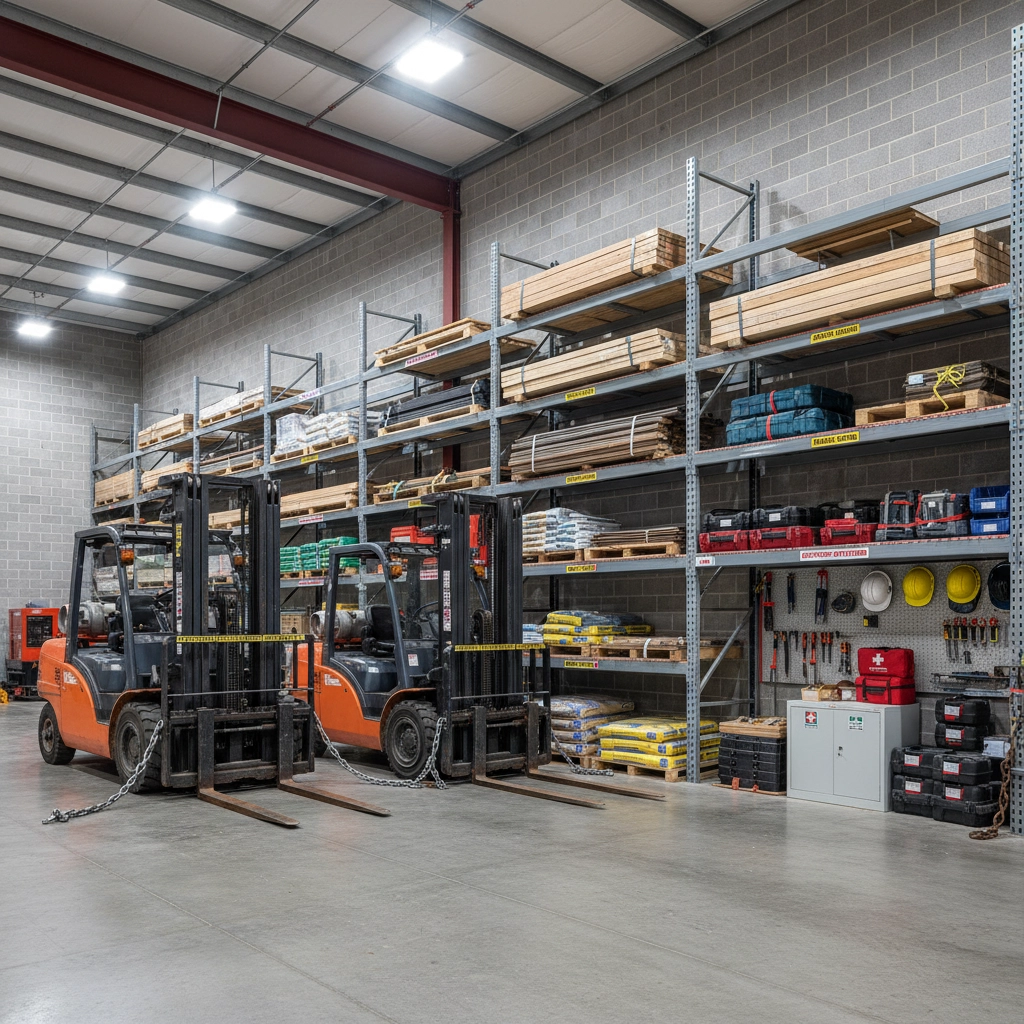
Business property exposure includes office buildings, warehouses, and job sites containing expensive equipment. A single earthquake could destroy tools, machinery, and materials worth hundreds of thousands of dollars. Standard commercial property policies exclude earthquake damage, leaving contractors financially exposed without specialized coverage.
Contractor vehicles and mobile equipment need protection during seismic events. Commercial auto policies exclude earthquake damage to parked vehicles and transported materials. Contractors working on active job sites face additional liability if earthquake damage affects client properties or ongoing construction projects.
Deductible Structure Creates Financial Challenges
Washington earthquake policies use percentage-based deductibles of 10%, 15%, 20%, or 25% of insured value rather than flat dollar amounts. A contractor with $600,000 in covered property faces $60,000 to $150,000 in out-of-pocket expenses before insurance coverage begins.
Higher deductibles reduce annual premiums but increase financial risk during claims. Contractors must evaluate cash flow capacity and emergency fund availability when selecting deductible levels. Lower deductibles provide better financial protection but require higher annual premium investments.
The minimum deductible in Washington typically starts at 10% for higher-risk areas. Contractors in Seattle, Tacoma, and areas near Mount Rainier often cannot access deductibles below this threshold due to elevated seismic risk ratings.
Location-Based Risk Factors Affect Pricing
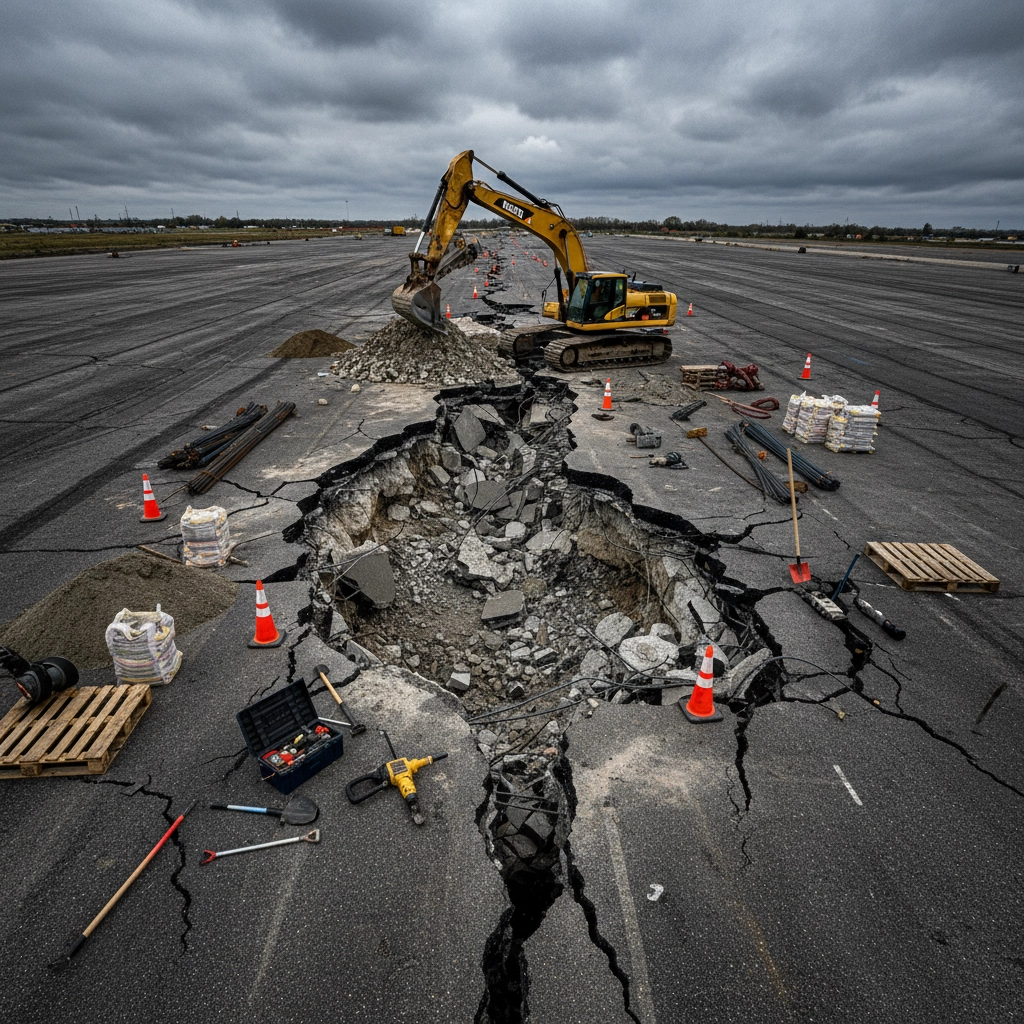
Washington's diverse geography creates significant premium variations based on contractor location. Properties built on soft fill, tidal flats, or river deltas face higher premiums than those constructed on bedrock foundations.
Seattle's Pioneer Square and Tacoma's port districts carry elevated risk ratings compared to Eastside plateau areas. Contractors operating in these zones pay premium surcharges reflecting increased ground motion amplification during seismic events.
Proximity to fault lines directly impacts pricing calculations. Areas near Mount Rainier, including Eatonville and Enumclaw, face particular vulnerability following the 2025 seismic activity. Insurance carriers adjusted risk models and pricing for these regions throughout 2025.
Construction Type Influences Premium Calculations
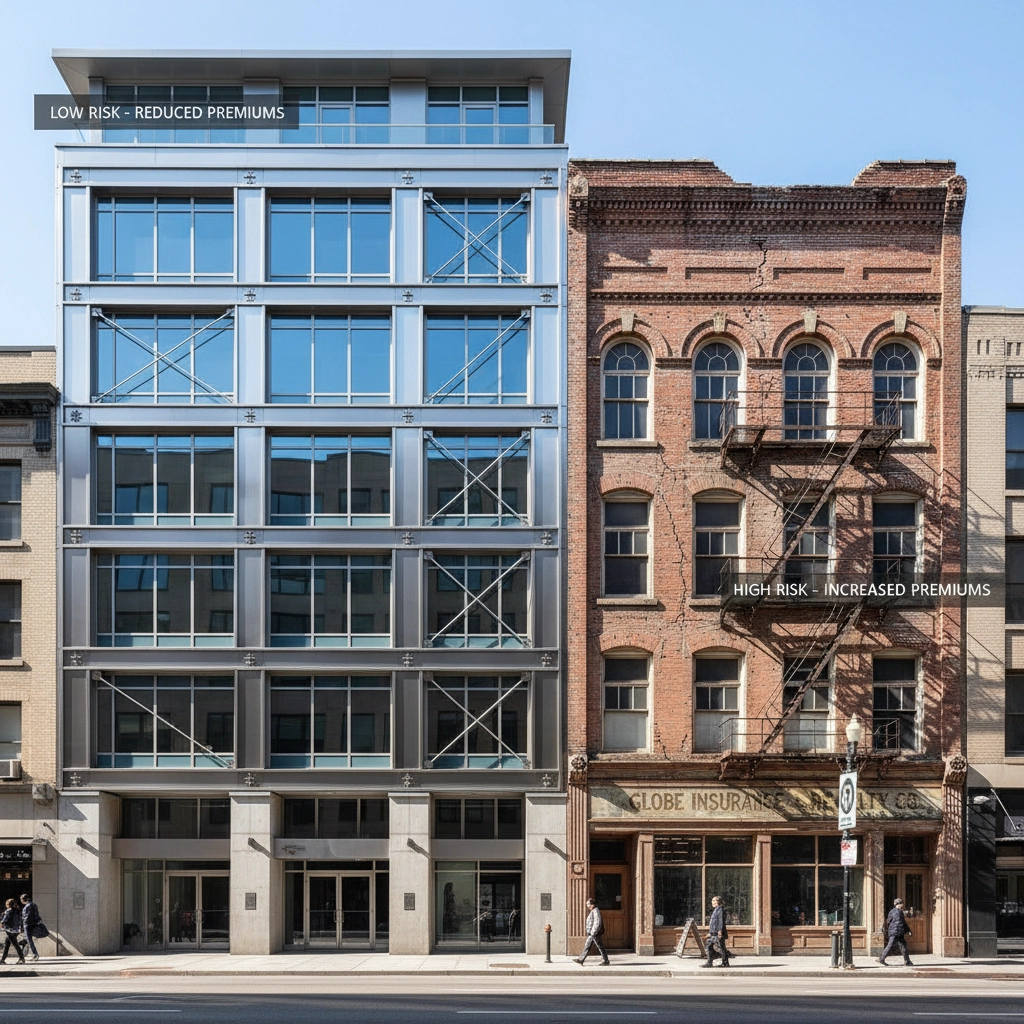
Building construction type significantly affects earthquake insurance costs for contractor properties. Wood-frame structures with continuous foundations receive better rates than unreinforced masonry buildings or metal structures.
Newer commercial buildings benefit from stricter seismic building codes adopted after 1997. Contractors occupying modern facilities often qualify for reduced premiums compared to those operating from older warehouses or industrial buildings.
Masonry construction typically adds $2,000 annually to earthquake insurance costs compared to wood-frame alternatives. Contractors considering facility purchases or leases should factor construction type into total occupancy costs and insurance requirements.
Coverage Options for Contractor Businesses
Washington contractors access earthquake coverage through private insurance markets rather than state-sponsored programs. Coverage comes as endorsements to existing commercial property policies or standalone earthquake policies.
Commercial earthquake policies cover building damage, equipment replacement, inventory loss, and business interruption costs. Contractors need comprehensive coverage addressing all business assets and income sources affected by seismic events.
Some carriers offer parametric earthquake insurance paying predetermined amounts when earthquakes of specified magnitudes occur within defined distances. These policies provide faster claim payments but may not cover actual damage costs completely.
Business interruption coverage becomes critical for contractors unable to operate following earthquake damage. This coverage replaces lost income during repair periods and helps maintain employee payroll and fixed expenses.
Premium Reduction Strategies
Seismic retrofitting significantly reduces earthquake insurance premiums while improving property safety. Installing foundation bolting, wall bracing, and structural reinforcements demonstrates risk reduction to insurance carriers.
Contractors can lower premiums by choosing higher deductibles, though this strategy requires adequate emergency funding capability. Risk management programs including employee training and emergency response planning may qualify for additional discounts.
Building location selection affects long-term insurance costs. Contractors evaluating facility options should consider soil conditions, proximity to fault lines, and local building code requirements when making location decisions.
Equipment securement and storage protocols reduce damage potential during seismic events. Properly anchored machinery and secured inventory demonstrate risk awareness and may qualify for premium reductions.
Commercial vs. Residential Coverage Differences
Contractor earthquake insurance differs substantially from residential coverage in scope and pricing. Commercial policies address business-specific risks including equipment, inventory, and income protection not covered by residential policies.
Liability coverage becomes more complex for contractors working on client properties during or after earthquake events. Professional liability and general liability policies may exclude earthquake-related claims, requiring specialized coverage endorsements.
Commercial policies offer higher coverage limits reflecting greater property values and business income exposure. Contractors often require millions in coverage compared to residential policies typically covering hundreds of thousands in property value.
Getting Accurate Quotes for Your Contracting Business
Contractors need specialized insurance evaluation considering all business exposures and risk factors. Generic online calculators designed for homeowners cannot accurately estimate commercial contractor earthquake insurance costs.
Professional insurance assessment includes property appraisal, equipment inventory, business income analysis, and risk factor evaluation. Contractors should work with experienced commercial agents understanding construction industry risks and coverage needs.
Insurance Alliance LLC specializes in contractor insurance evaluation and earthquake coverage analysis. Our team understands Washington's seismic risks and helps contractors develop comprehensive protection strategies matching their specific business requirements and budget parameters.
Contact Insurance Alliance LLC for personalized earthquake insurance evaluation designed for your contracting business. We provide detailed coverage analysis and competitive quotes from multiple carriers serving Washington contractors.
Comments