
The Ultimate Guide to Restaurant Business Owners Policy: Everything You Need to Succeed
- marketing676641
- Oct 25, 2025
- 5 min read
Restaurant owners face unique insurance challenges that require comprehensive protection strategies. A Business Owners Policy (BOP) delivers essential coverage designed specifically for food service operations. This guide explains how BOPs protect restaurants from financial losses and operational disruptions.
What Is a Restaurant Business Owners Policy?
A Business Owners Policy combines multiple insurance coverages into one streamlined package. Restaurant BOPs typically bundle property insurance, general liability coverage, and business interruption protection under a single policy. This approach simplifies coverage management while addressing the most common risks restaurants encounter daily.
BOPs are specifically designed for small to medium-sized businesses that need essential protections without the complexity of separate policies. Insurance carriers create restaurant-specific BOPs that address the unique exposures of food service operations, including customer interactions, food preparation risks, and property vulnerabilities.
Core Property Coverage Components
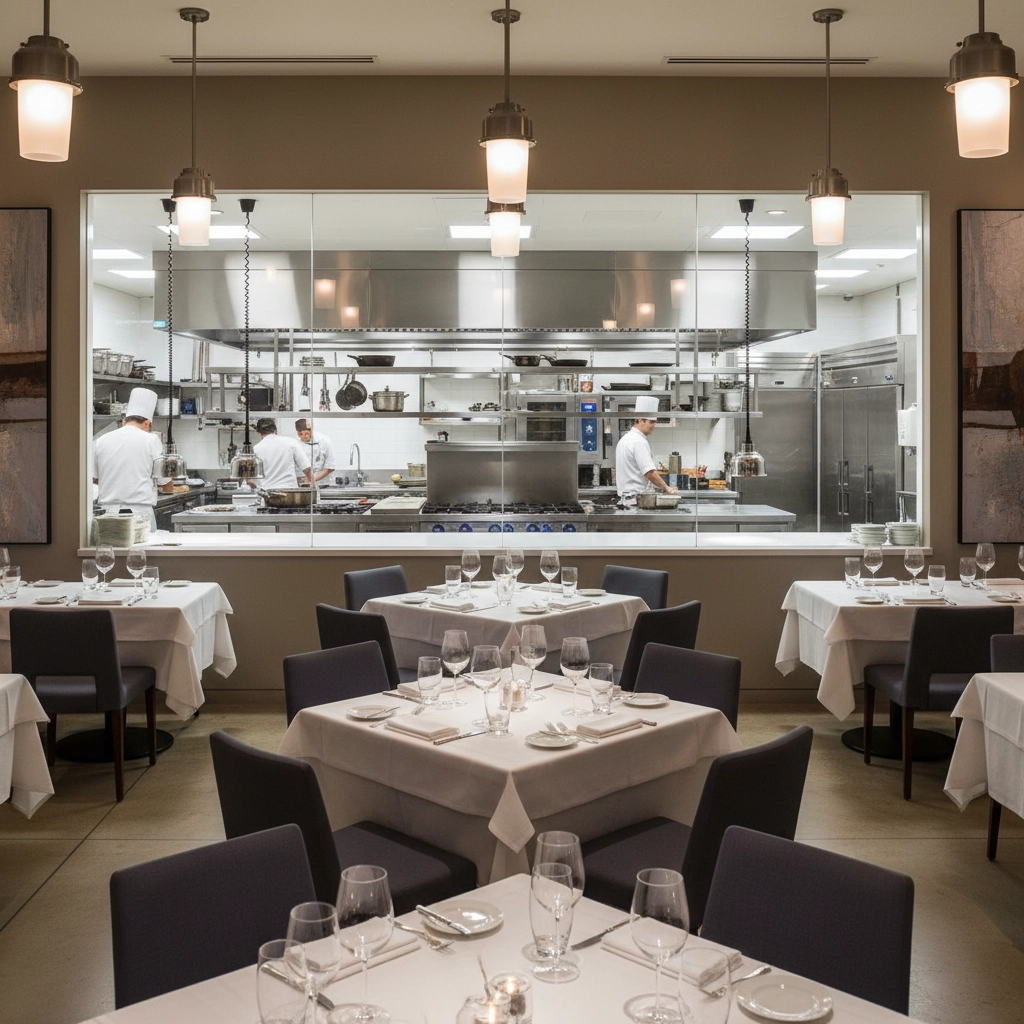
Property insurance within a BOP protects your restaurant's physical assets against covered perils. This coverage extends to buildings you own, kitchen equipment, furniture, fixtures, and inventory including perishable food items.
Building Coverage applies when you own your restaurant location. This protection covers the structure itself against fire, vandalism, theft, weather damage, and other covered events. Building coverage ensures you can repair or rebuild your restaurant facility after a covered loss.
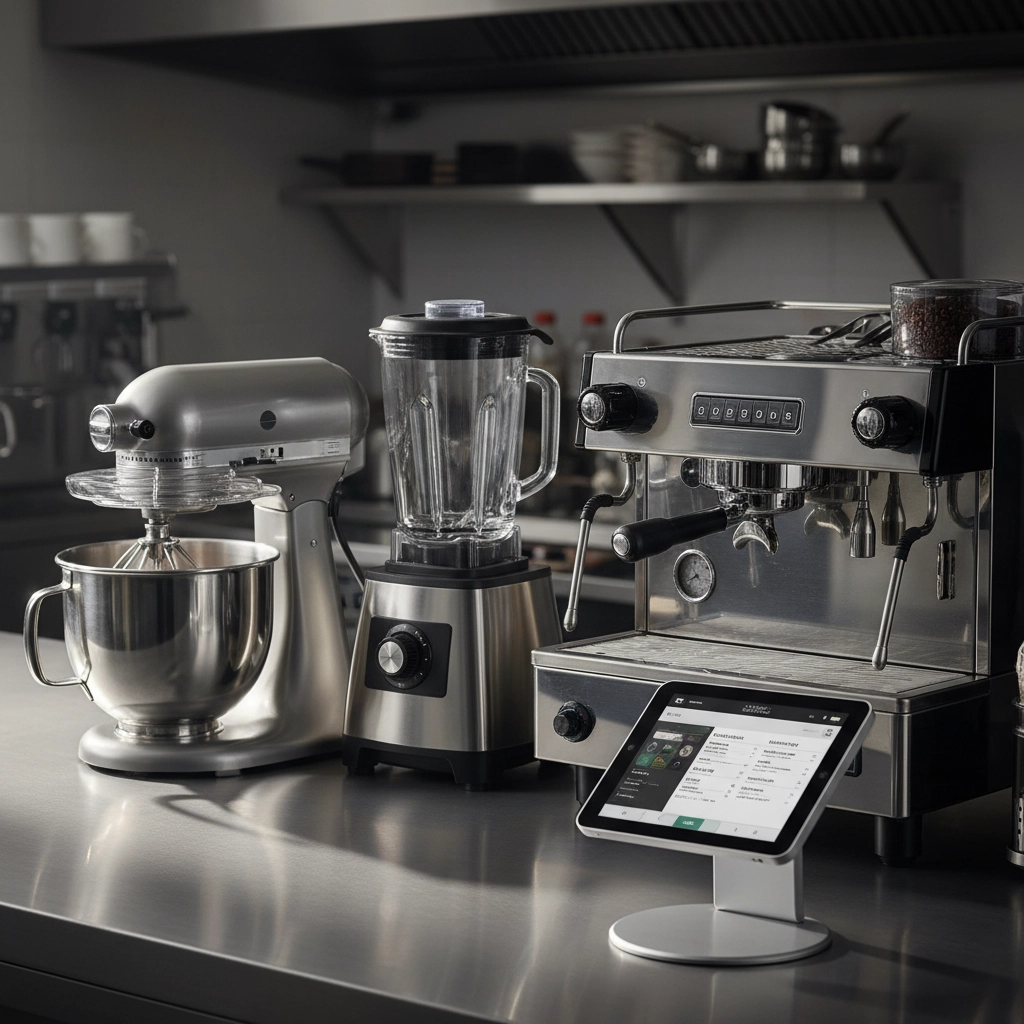
Equipment Protection covers essential kitchen appliances, cooking equipment, refrigeration units, and specialized restaurant machinery. When equipment suffers damage from covered events, property insurance pays for repairs or replacement costs.
Inventory Coverage protects food supplies, beverages, and other stock you maintain for business operations. This includes perishable items that spoil due to power outages caused by covered events. Inventory coverage helps restaurants restock quickly after losses.
Furniture and Fixtures protection covers tables, chairs, lighting, décor, and other items that create your restaurant's atmosphere. This coverage ensures you can restore your dining environment after property damage occurs.
General Liability Protection
General liability insurance protects restaurants against third-party claims for bodily injury, property damage, and personal injury. This coverage is essential for businesses that interact with customers daily and face constant exposure to liability claims.
Bodily Injury Claims arise when customers or visitors suffer injuries on your restaurant premises. Slip and fall accidents represent the most common liability exposure restaurants face. General liability coverage pays for medical expenses, legal defense costs, and potential settlements when accidents occur.
Property Damage Coverage protects against claims when your restaurant operations cause damage to others' property. This might include damage to adjacent businesses or customer belongings during restaurant operations.
Personal and Advertising Injury coverage addresses claims of slander, libel, copyright infringement, or false advertising. When disputes arise over marketing materials or employee statements, this protection covers legal defense and potential damages.
Business Interruption Insurance
Business interruption coverage, also called business income insurance, protects restaurants from income losses when covered events force temporary closures. This coverage bridges the financial gap between when damage occurs and when normal operations resume.
Lost Revenue Protection compensates for income you would have earned during closure periods. Business interruption insurance calculates payments based on your historical earnings and projected business performance during the closure period.
Continuing Expenses Coverage pays for ongoing costs that continue even when your restaurant closes temporarily. This includes rent, utilities, loan payments, and other fixed expenses that persist during closure periods.
Extra Expense Coverage pays for additional costs you incur to minimize business disruption. This might include temporary location expenses, overtime labor costs, or expedited equipment replacement fees that help restore operations quickly.
Specialized Restaurant Coverage Features
Restaurant BOPs often include specialized coverages that address unique food service risks. These additional protections recognize the specific exposures restaurants face beyond standard business operations.
Liquor Liability Coverage protects restaurants that serve alcohol against claims arising from intoxicated customers. This coverage addresses situations where customers cause injury or property damage after consuming alcohol at your establishment.
Food Contamination Coverage protects against losses when food becomes contaminated and unfit for consumption. This coverage pays for disposal costs and replacement inventory when contamination occurs from covered events.
Spoilage Coverage addresses losses when perishable inventory spoils due to power outages, equipment failures, or other covered events. This protection helps restaurants replace spoiled food items and maintain inventory levels.
Why Restaurants Need BOP Coverage
Restaurant operations create multiple simultaneous risk exposures that require comprehensive insurance protection. The food service environment combines customer interaction risks, property vulnerabilities, and operational hazards that can threaten business continuity.
Customer Interaction Risks are constant in restaurant operations. Every customer visit creates potential liability exposure through slip and fall accidents, food-related illness claims, or other injury situations. BOPs provide essential protection against these daily exposures.
Property Vulnerabilities are significant in restaurants due to expensive equipment, perishable inventory, and fire risks from cooking operations. Kitchen fires, equipment breakdowns, and utility outages can cause substantial property losses that BOPs help address.
Operational Hazards include grease fires, equipment malfunctions, and foodborne illness exposures that can force business closures. BOPs provide both property protection and business interruption coverage to address these operational risks.
Financial Protection ensures restaurants can survive major incidents without permanent closure. A comprehensive BOP protects both immediate repair costs and ongoing business expenses during recovery periods.
Coverage Limitations and Exclusions
Understanding BOP limitations helps restaurant owners identify additional coverage needs. Standard restaurant BOPs typically exclude certain risks that require separate insurance policies or endorsements.
Flood Damage is excluded from standard property coverage and requires separate flood insurance through the National Flood Insurance Program or private insurers. Restaurants in flood-prone areas should evaluate flood insurance needs separately.
Workers' Compensation is not included in BOPs but may be required by state law for restaurants with employees. Workers' compensation provides medical and wage benefits for employee injuries that occur during work activities.
Cyber Liability protection is not standard in traditional BOPs but is increasingly important for restaurants that process credit card payments or maintain customer data. Cyber liability coverage addresses data breach costs and related exposures.
Auto Liability for delivery operations requires separate commercial auto coverage. Restaurants offering delivery services need additional protection for vehicles and drivers engaged in delivery activities.
BOP Implementation Strategies
Implementing effective BOP coverage requires careful evaluation of your restaurant's specific risk profile and operational characteristics. Working with experienced insurance professionals ensures your coverage addresses your unique exposures adequately.
Risk Assessment begins with identifying your restaurant's primary exposures including location risks, customer volume, alcohol service, and delivery operations. This assessment helps determine appropriate coverage limits and specialized protection needs.
Coverage Customization involves adjusting standard BOP provisions to match your restaurant's specific requirements. This might include increasing property limits for expensive equipment or adding specialized coverages for unique operations.
Policy Management requires regular coverage reviews as your restaurant grows or changes operations. Annual policy reviews ensure your BOP continues providing adequate protection as your business evolves.
Claims Preparation involves understanding your policy provisions and maintaining proper documentation for potential claims. Proper preparation helps ensure smooth claims processing when losses occur.
Professional Insurance Guidance
Restaurant insurance needs are complex and require specialized expertise to address properly. Insurance professionals who understand food service operations can provide valuable guidance for BOP selection and implementation.
Professional agents help restaurant owners evaluate coverage options, compare policy features, and identify potential coverage gaps. This guidance ensures your BOP provides comprehensive protection aligned with your specific operational risks and business characteristics.

At Insurance Alliance LLC, we specialize in helping restaurant owners secure comprehensive BOP coverage that protects their business operations and financial interests. Our experienced team understands the unique challenges restaurants face and provides tailored insurance solutions that address your specific needs. Contact us today to learn how we can help protect your restaurant with appropriate BOP coverage.
Comments